Nagpur is a historic city of over two million residents positioned at the dead center of the Indian subcontinent. Established in the early 18th century by the Gond ruler Bakht Buland Shah and later developed as the capital of the Bhonsle Marathas and British Central Provinces, the city showcases an intriguing blend of regal Indian history and colonial-era urban design. Today, it combines its role as Maharashtra's administrative winter capital with thriving industrial corridors and premier academic institutions.
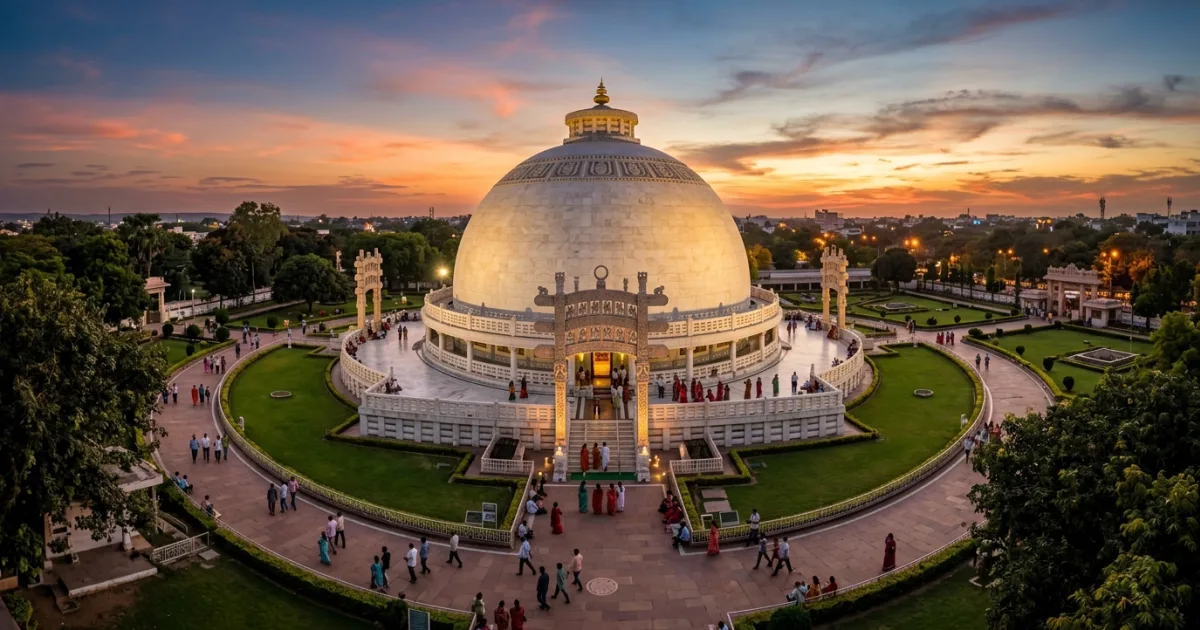
Beyond its urban core, Nagpur is celebrated globally for its agricultural abundance, yielding the sweet and thin-skinned Nagpur mandarin oranges that color local markets each winter. Simultaneously, the city holds immense ecological and spiritual significance: it stands as the gateway to iconic tiger sanctuaries while drawing millions of annual pilgrims to Deekshabhoomi, celebrating social equality and Buddhist revival. Its wide, leafy avenues, vibrant lake promenades like Futala, and unique culinary scene make Nagpur an essential stop in central India.
Reasons to Visit
- Gateway to legendary tiger conservation reserves including Pench and Tadoba-Andhari
- Home to Deekshabhoomi, the world's largest hollow Buddhist stupa and an icon of civil rights history
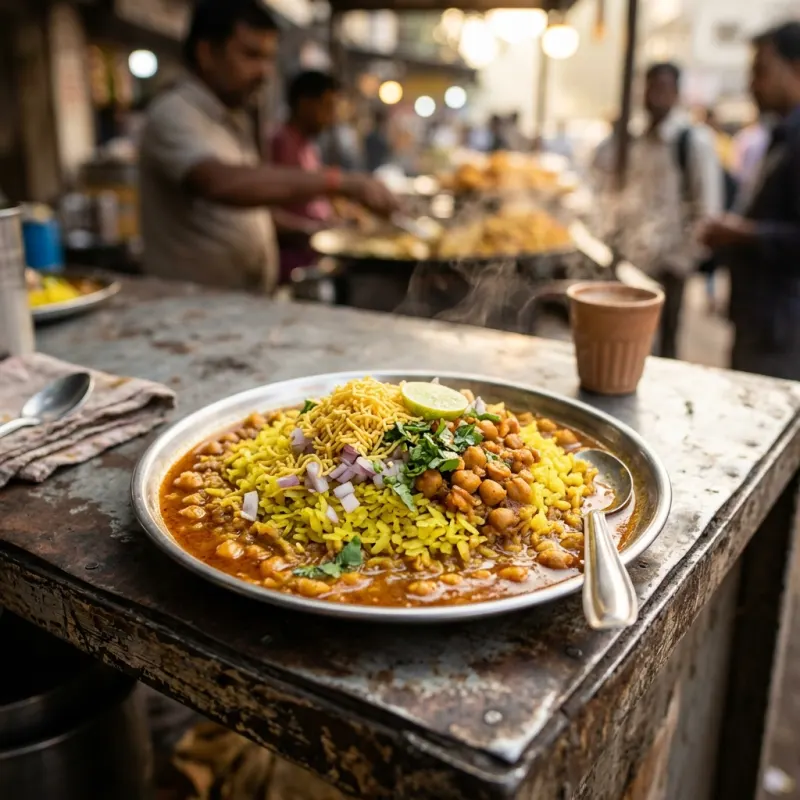
- The birthplace of bold Saoji cuisine and the beloved street breakfast staple, Tarri Poha
- The historical Zero Mile Stone, marking the precise geographical center of undivided India
- Lively evening lakefront life and illuminated fountain displays along Futala and Ambazari lakes
- Vibrant winter citrus markets offering world-famous Nagpur mandarin oranges and artisanal orange burfi
Things to Avoid
- Avoid planning intensive outdoor sightseeing between 11:00 AM and 4:00 PM during peak summer months (April to June) when temperatures exceed 40°C.
- Avoid jumping directly into ultra-spicy authentic Saoji non-vegetarian curries on an empty stomach if you have a low chili tolerance.
- Avoid taking unmetered street auto-rickshaws without agreeing on a fixed fare beforehand or using an app-based cab booking service.
- Avoid entering the inner sanctums of active religious sites with footwear or uncovered heads where prohibited.
- Avoid expecting wilderness safaris in the nearby national parks during peak monsoon (July to September) when core zones remain closed.
Local Transportation Tips
Nagpur features an advanced and expanding public transit system led by the Nagpur Metro (Maha Metro), which operates two primary elevated corridors connecting Sitabuldi Central with north, south, east, and west districts. The metro is air-conditioned, economical, and accepts standard smart cards or mobile QR tickets. For journeys beyond the metro network, auto-rickshaws and city buses operate continuously. Ridesharing apps like Ola and Uber offer reliable door-to-door cab and auto-rickshaw rides with transparent fares.
Travel Etiquette
- Remove your shoes before entering temples, gurudwaras, or the prayer hall at Deekshabhoomi.
- Dress respectfully when visiting religious and heritage monuments by keeping shoulders and knees covered.
- Always ask permission before photographing local market vendors, street performers, or monks.
- Eat street snacks and traditional thalis with your right hand as per local Indian dining custom.
- Greet locals with folded hands and a polite 'Namaskar' to show cultural appreciation.
Recommended Age Group
Nagpur accommodates a wide demographic spectrum, from active solo backpackers to multi-generational family groups touring central India's historic and natural landmarks.
- Babies (0-2 years): Neutral. Hot summer weather and crowded market areas require deliberate planning, though modern hotels and air-conditioned transit options provide comfort.
- Kids (3-12 years): Recommended. Children will love the surrounding wildlife safari day trips, Raman Science Centre interactive exhibits, and lakeside paddle boats at Ambazari.
- Teens (13-19 years): Recommended. Teenagers will appreciate tiger tracking in nearby reserves, dynamic street food walks, and learning regional history at colonial monuments.
- Adults (20-64 years): Recommended. Perfect for heritage seekers, food enthusiasts keen to sample spicy Saoji cuisine, and nature travelers exploring central India's wilderness corridors.
- Seniors (65+ years): Recommended. With flat terrain, the fully accessible Nagpur Metro, and spiritual sites like Deekshabhoomi offering peaceful exploration, mature travelers will find the city manageable and welcoming.
Accessibility Level: Medium
- The Nagpur Metro network is universally accessible, featuring tactile paving, operational elevators, ramp entrances, and dedicated wheelchair bays inside trains.
- The grounds around Deekshabhoomi are spacious and largely level, though ramps can occasionally be steep during busy festival days.
- Sidewalks in older commercial hubs such as Sitabuldi and Itwari feature broken paving, street clutter, and high curbs that present obstacles for wheelchair users.
- Reputable mid-range and luxury business hotels in Wardha Road and Civil Lines provide accessible elevators and roll-in showers.
Did You Know?
The British colonial administration erected the Zero Mile Stone in Nagpur because the city's central location made it the geometric fulcrum from which all distances across the entire Indian subcontinent were measured during the Great Trigonometrical Survey.
Cool Statistics
- Center of 13 major national wildlife reserves and tiger sanctuaries within driving distance
- Home to Asia's largest hollow Buddhist stupa, rising to a height of 120 feet
- More than 80,000 hectares of land in the surrounding Vidarbha district dedicated to mandarin orange cultivation






Buy a compatible power adapter for your trip