Jhalawar sits tucked away in the southeastern corner of Rajasthan, anchoring the historically rich Hadoti plateau. Unlike the arid desert reaches of western Rajasthan, this region boasts mineral-rich black soil, meandering river gorges, and green rolling farmland dotted with mandarin orchards. The town itself serves as an open-air archive of nineteenth-century princely ambition, preserved through its stone gateways, stepwells, and palaces.
A visit to Jhalawar provides an authentic encounter with untouched historic monuments, most notably the colossal ramparts of Gagron Fort and the sun-worship architecture of the 10th-century Surya Temple in neighboring Jhalrapatan. Travelers who make the journey are rewarded with profound historical insights, peaceful explorations, and genuine small-town hospitality.
Reasons to Visit
- Explore Gagron Fort, a UNESCO World Heritage hill-and-water fortress bordered by rivers.
- Admire the vivid Sheesh Mahal mirror work and preserved Hadoti frescoes in Garh Palace.
- Witness the ancient carved stone spires of the 10th-century Surya Temple in Jhalrapatan.
- Experience a peaceful, non-commercialized side of Rajasthan with zero tourist congestion.
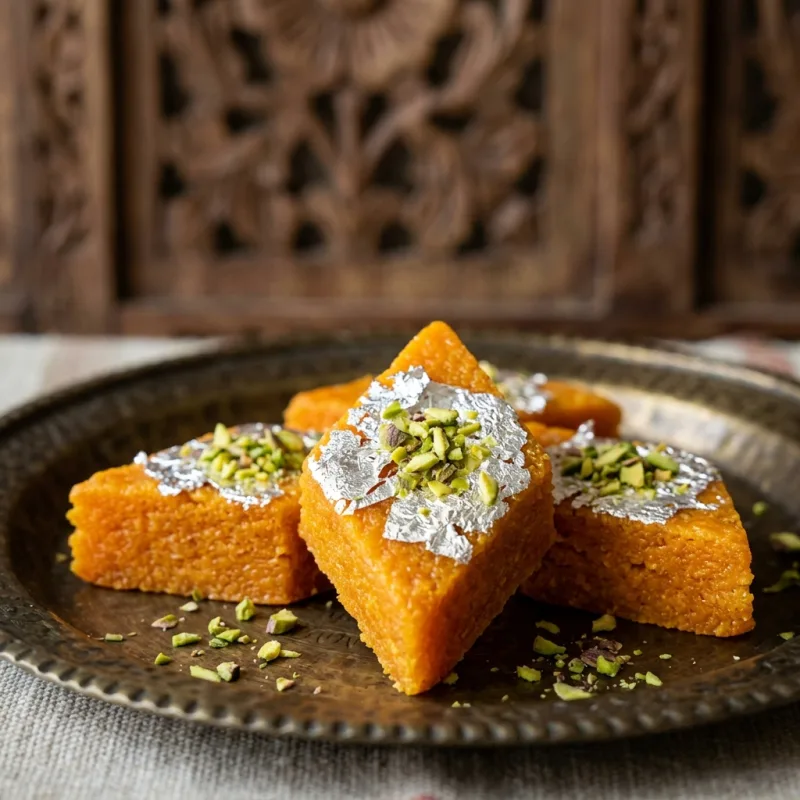
- Taste seasonal citrus confections in the famed orange capital of Rajasthan.
Things to Avoid
- Avoid planning intensive sightseeing trips during peak summer months (April to June) when extreme heat poses serious health risks.
- Do not wear shoes or leather accessories inside active temples such as Jhalrapatan's Surya Temple and Shantinath Jain Temple.
- Avoid leaning over or sitting on crumbling battlements at Gagron Fort, where drops are sheer and guardrails are minimal.
- Avoid relying solely on credit cards; small businesses and taxi operators rarely have card readers.
Local Transportation Tips
Auto-rickshaws are the primary mode of transit across Jhalawar town and to neighboring Jhalrapatan. It is best to negotiate an all-inclusive half-day or full-day fare for visiting Gagron Fort and outlying sites, as return vehicles can be difficult to hail at fort gates. State transport buses and private shared jeeps connect Jhalawar to Kota, Baran, and neighboring districts.
Travel Etiquette
- Dress conservatively by covering shoulders, cleavage, and knees when visiting monuments, town markets, and shrines.
- Always remove your footwear before entering religious complexes and private residences.
- Ask for consent before photographing local residents, craftspeople, or religious rituals.
- Use your right hand for exchanging money, dining, and offering greetings.
Recommended Age Group
Jhalawar offers varied historical exploration suited for specific traveler profiles.
- Babies (0-2 years): Neutral. Cobblestone inclines, stone stairs, and rugged fort terrain make stroller navigation nearly impossible.
- Kids (3-12 years): Recommended. Children with an interest in castles, knights, and ancient river fortresses will find Gagron Fort thrilling, though close supervision around edges is required.
- Teens (13-19 years): Recommended. Excellent destination for photography enthusiasts, history projects, and offbeat cultural exploration.
- Adults (20-64 years): Recommended. Highly rewarding for architectural historians, road-trippers, and independent travelers seeking calm heritage immersion.
- Seniors (65+ years): Neutral. Older travelers who enjoy slow cultural discovery will appreciate the town, but mobility challenges exist at fort stairways and uneven historic paths.
Accessibility Level: Medium
- Gagron Fort features steep stone inclines, uneven rocky terrain, and steps without ramps, posing substantial challenges for wheelchair users.
- Garh Palace has several level courtyards on the ground floor, but upper frescoed chambers require climbing historic flights of stairs.
- Hiring a private car with a dedicated driver provides the most seamless accessibility between destinations.
Did You Know?
Gagron Fort is constructed entirely without traditional foundation trenches; its colossal stone bastions are anchored directly into the solid natural bedrock of the surrounding cliff promontory.
Cool Statistics
- Gagron Fort is one of 6 Hill Forts of Rajasthan collectively designated as a UNESCO World Heritage site in 2013.
- Jhalrapatan is historically known as the 'City of Temple Bells' due to its cluster of over 100 historical shrines.
- The district produces hundreds of thousands of metric tons of mandarin oranges each winter, earning it the moniker 'Chhota Nagpur'.






Buy a compatible power adapter for your trip