Kota is Rajasthan's third-largest city, positioned on the edge of the Malwa plateau along the perennial Chambal River. Established in the medieval period under Rajput rule, Kota separated from the Bundi state to become a powerhouse of Hadoti culture, developing its own distinct school of miniature painting, sophisticated urban fortifications, and fine textile craft. The city's core retains historic bastions and palaces, while the modern periphery accommodates wide boulevards and India's preeminent higher education preparation institutes.
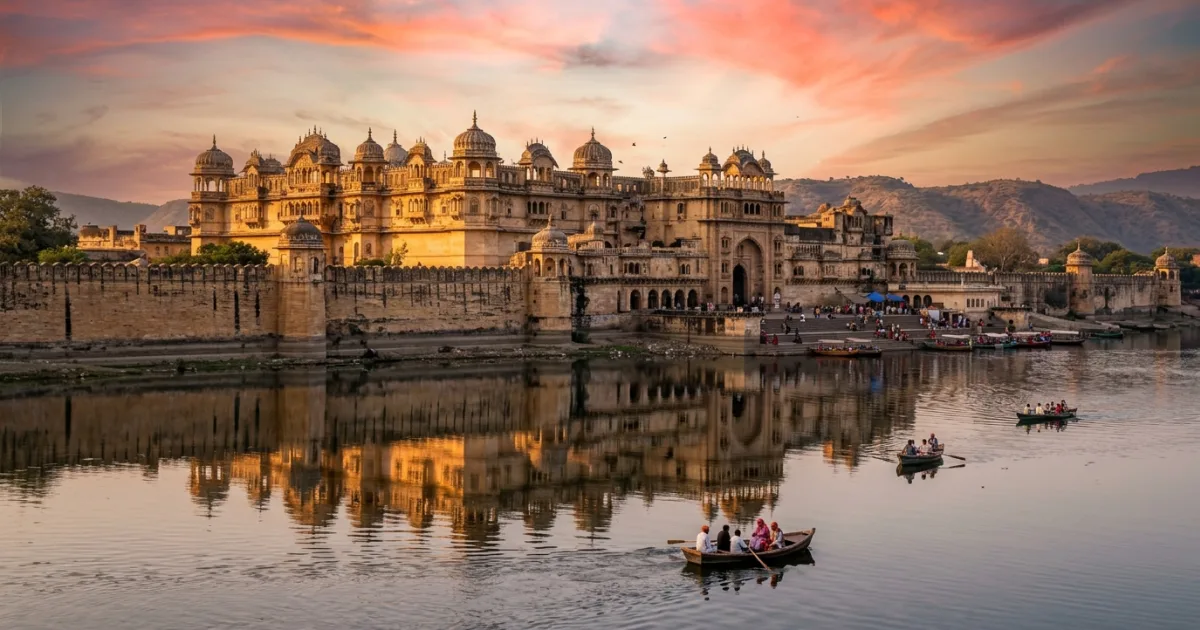
For visitors, Kota is distinguished by its direct relationship with water, a rare feature in arid Rajasthan. The Chambal River flows along its perimeter, hemmed in by stone embankments and rocky ravines. Sightseeing centers on the massive Kota Garh (City Palace) containing vivid wall murals, the picturesque Kishore Sagar lake housing the Jagmandir pleasure pavilion, and the modern Seven Wonders Park and Chambal Riverfront developments. Combining regal architecture with easy access to nature reserves, Kota forms an essential link in exploring southeastern Rajasthan.
Reasons to Visit
- Magnificent Fort Architecture: The Kota Garh Palace houses an outstanding collection of Hadoti murals, royal armory, and preserved royal courtyards.
- Scenic Chambal Riverfront: Take a boat safari along the river canyon or stroll the redeveloped riverfront promenades.
- Fine Artisan Textiles: Observe traditional loom-weaving of fine, feather-light Kota Doria sarees in surrounding artisan clusters.
- Uncrowded Heritage Sites: Experience authentic Rajasthani heritage away from heavy commercial tourist trails.
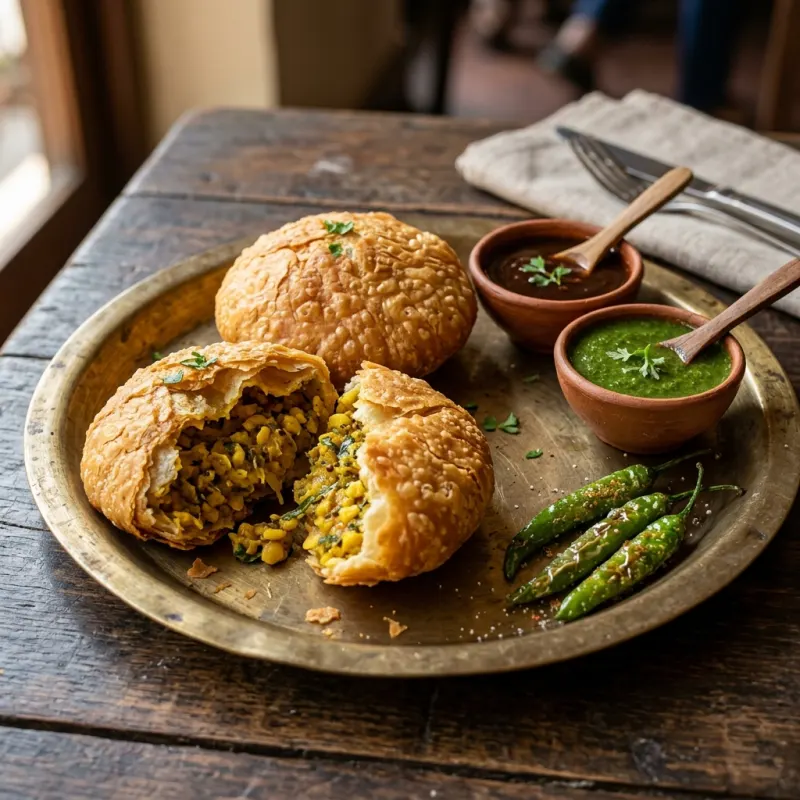
- Renowned Street Gastronomy: Enjoy famous spicy Kota kachoris and regional sweets at century-old neighborhood halwais.
Things to Avoid
- Avoid planning intensive outdoor sightseeing between 11:00 AM and 4:00 PM during the hot summer months from April to June.
- Avoid hiring auto-rickshaws without agreeing upon the fare beforehand, as meters are rarely used.
- Avoid dressing immodestly when touring sacred temples and old palace corridors.
- Avoid drinking unfiltered tap water; stick to bottled or filtered options from reliable outlets.
Local Transportation Tips
Public transportation in Kota relies heavily on auto-rickshaws and app-based rides like Ola. Auto-rickshaws operate throughout the city and can be hailed easily, though you must negotiate fares prior to boarding. For extensive day itineraries covering Garh Palace, Kishore Sagar, and outskirts like Kaithun, booking a private chauffeur-driven taxi through your hotel or a local agency is the most convenient and cost-efficient option.
Travel Etiquette
- Remove your shoes and leave them outside before entering temples, shrines, and traditional homes.
- Dress respectfully by keeping shoulders and knees covered, especially in religious complexes and old bazaars.
- Always ask permission before photographing local residents or artisans at work in textile workshops.
- Use your right hand for eating food and passing money or items to others.
Recommended Age Group
Kota provides an engaging visit across varied age brackets, particularly for history lovers and families looking for authentic cultural experiences.
- Babies (0-2 years): Neutral. Cobblestone surfaces and historic stairs inside palaces make stroller use difficult; a baby carrier is necessary.
- Kids (3-12 years): Recommended. Boat excursions on the lake and landscaped attractions like the Seven Wonders Park provide easy, enjoyable family outings.
- Teens (13-19 years): Recommended. Historic fortresses, vibrant riverfront spaces, and dynamic street markets offer plenty of photographic and cultural appeal.
- Adults (20-64 years): Recommended. Excellent access to palace museums, artisan textile tours, and regional cuisine without overwhelming crowds.
- Seniors (65+ years): Neutral. Palace complexes feature steep stairs and uneven pathways, requiring a moderate level of mobility.
Accessibility Level: Medium
- Historic sites such as the Kota Garh Palace contain numerous stone steps and narrow gateways with limited wheelchair access.
- Modern areas like the Seven Wonders Park and the new Chambal Riverfront walkway offer flatter paved pathways suitable for walking aids.
- Private vehicular transport can drop passengers close to the primary entrances of most major attractions.
Did You Know?
Kota Doria fabric is woven with a signature check pattern known as 'khat', created by combining fine cotton and mulberry silk yarns treated with rice paste to give the cloth its distinctive crisp texture and translucent appearance.
Cool Statistics
- Kota Garh dates back to 1264 AD, starting as a small fortified post before becoming a sovereign palace.
- The Chambal River is one of the cleanest river systems in northern India and home to the endangered gharial crocodile.
- The Kishore Sagar artificial lake was engineered in 1346 by Prince Dher Deh of Bundi.






Buy a compatible power adapter for your trip