Disclosure: This site contains affiliate links. We may earn a commission if you make a purchase, at no extra cost to you.

>
>
>
>
Awadh Region

Awadh Region

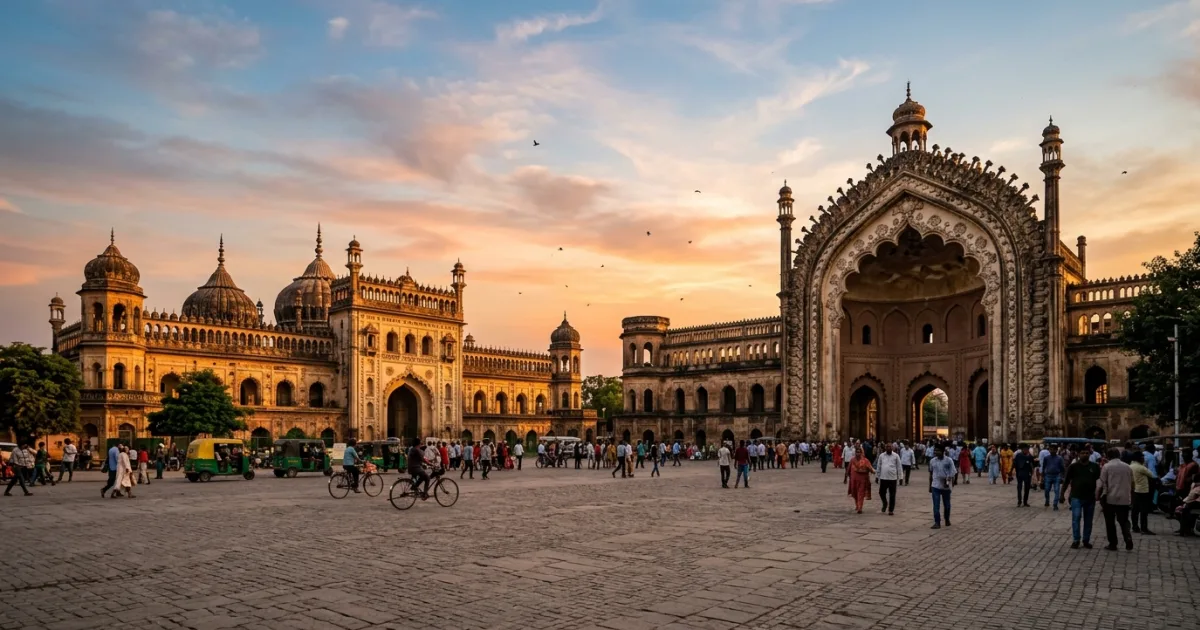
Architectural panorama of the historic Awadh monuments during golden hour

Awadh Region Overview & Key Highlights

The Awadh Region, historically known as Oudh, spans the heart of Uttar Pradesh across the fertile plains of the middle Ganga and Gomti basins. Renowned as the cradle of refined Indo-Islamic high culture, Awadh was governed by the Nawabs in the eighteenth and nineteenth centuries, an era that established an architectural and artistic legacy characterized by magnificent imambaras, labyrinthine gateways, classical Kathak dance, and courtly Urdu poetry. Central urban centers like Lucknow, Ayodhya, and Faizabad showcase this convergence of monumental heritage, where sovereign syncretism shaped sacred Hindu pilgrimage corridors alongside ornate imperial Islamic engineering. Travelers exploring Awadh encounter one of the world's most sophisticated culinary traditions, pioneering the slow-cooking dum pukht technique and delicate Awadhi kebabs. Beyond Lucknow's storied bazaars and colossal palatial complexes, the rural hinterlands present pastoral agricultural landscapes dotted with historic mango orchards and sacred riverbanks. With extensive railway networks and modern expressways connecting its primary heritage centers, Awadh offers an immersive journey into North India's living courtly culture, traditional Chikan hand embroidery, and legendary hospitality known as tehzeeb.

Awadh Region Travel Guide: Logistics & In-Depth Tips

The historic territory of Awadh occupies a prominent place in North India's cultural geography, bound by the Himalayan foothills to the north and the river Ganges to the south. Historically celebrated for its courtly sophistication, Awadh fostered a harmonious confluence of Persian, Mughal, and regional Hindu aesthetics that came to define North Indian high arts. The Nawabs of Awadh, ruling from Faizabad and later Lucknow from 1722 until British annexation in 1856, invested their sovereign wealth into monumental civic architecture, establishing iconic monuments without traditional European load-bearing beams or pillars, utilizing instead indigenous brickwork and stucco known as lakhori.

Today, Awadh maintains an indelible sense of identity expressed through its refined dialect, intricate etiquette (tehzeeb), classical music and dance schools, and artisanal traditions like Zardozi and Chikankari embroidery. For visitors, the region offers a captivating journey through grandeur and sensory discovery, from walking the massive vaulted halls of the Bhool Bhulaiya labyrinth to browsing ancient perfume shops (ittar) and tasting centuries-old recipes handed down through generations of royal cooks.

Reasons to Visit

  • Nawabi Architectural Grandeur: Marvel at unsupported brick vaults, majestic gateways like the Rumi Darwaza, and palatial complexes designed with distinct Indo-Saracenic elegance.
  • Mastery of Dum Pukht Gastronomy: Taste genuine Awadhi kebabs, slow-simmered biryanis, and traditional royal sweets at historic family-run establishments.
  • Chikankari Handloom Heritage: Watch master artisans practice delicate shadow-work embroidery on fine muslin and cotton fabrics in Chowk's centuries-old ateliers.
  • Sacred Pilgrim Corridors: Visit significant spiritual landmarks along the holy Sarayu and Gomti rivers, experiencing the ancient spiritual tapestries of Ayodhya and Naimisharanya.
  • Living Courtly Traditions: Immerse yourself in the world of classical Kathak, Ghazal music, and legendary Ganga-Jamuni Tehzeeb (syncretic cultural harmony).

Things to Avoid

  • Avoid wearing footwear inside the inner sanctums of Imambaras, dargahs, and Hindu temples; always utilize designated shoe-check counters.
  • Avoid hiring unaccredited guides outside major tourist complexes; request licensed guides carrying official Ministry of Tourism identity cards.
  • Avoid drinking unboiled or unsealed tap water; choose reputable bottled water or properly filtered RO water systems.
  • Avoid scheduling tightly packed road itineraries during mid-winter foggy mornings (December–January), when visibility on highways can be significantly reduced.

Local Transportation Tips

Modern transport infrastructure serves the Awadh region effectively. The Lucknow Metro offers a clean, reliable route connecting the international airport to the central railway station and downtown commercial quarters. For regional transit between major towns like Ayodhya and Lucknow, express trains including the Vande Bharat Express and Shatabdi offer fast, comfortable service. Within older city centers, electric rickshaws and auto-rickshaws provide inexpensive transportation through narrow lanes, though ride-hailing apps like Ola and Uber offer fixed pricing and air-conditioned convenience for longer urban commutes.

Travel Etiquette

  • Address locals politely using formal honorifics like 'Aap' rather than informal pronouns, reflecting the region's courtly linguistic traditions.
  • Accept food or hand money using your right hand as a sign of respect and cleanliness.
  • Remove shoes before entering homes and places of worship, and dress modestly in community neighborhoods.
  • Always ask for permission before photographing local artisans, street vendors, or worshippers inside sacred courtyards.

Recommended Age Group

Awadh offers rich cultural, educational, and sensory experiences across diverse age demographics, though physical walking demands vary across historic sites.

  • Babies (0-2 years): Neutral. Busy bazaars, uneven stone pavements, and crowded tourist corridors can make stroller transit challenging.
  • Kids (3-12 years): Recommended. Children enjoy exploring the labyrinth passages of Bhool Bhulaiya, lush botanical gardens, and interactive heritage museums.
  • Teens (13-19 years): Recommended. Highly engaging for teenagers interested in culinary culture, social media photography, architectural wonders, and living history.
  • Adults (20-64 years): Recommended. Ideal for independent travelers, couples, and food lovers eager to dive deep into historic architecture, vibrant markets, and gourmet food trails.
  • Seniors (65+ years): Recommended. Highly rewarding for mature travelers seeking cultural depth and culinary heritage; several historical complexes feature flat courtyards, though upper parapets involve steep stairs.

Accessibility Level: Medium

  • Ground-floor courtyards of prominent monuments such as the Chota Imambara and The Residency offer flat, paved paths accessible to wheelchair users.
  • The Bhool Bhulaiya labyrinth and elevated terraces of Bara Imambara feature steep, narrow staircases that are completely inaccessible to individuals with mobility restrictions.
  • Modern metro transit stations in Lucknow feature elevator access, tactile paving, and dedicated accessible turnstiles.
  • Historic heritage bazaars possess crowded, uneven pathways, making pre-arranged private vehicle drop-offs advisable for travelers with limited mobility.

Did You Know?

The central hall of the Bara Imambara in Lucknow is one of the largest unsupported vaulted structures in the world, spanning over 50 meters in length and 15 meters in height without a single support pillar or external wooden girder, constructed entirely of interlocking lakhori brickwork held together by a lime-and-pulse mortar.

Cool Statistics

  • 1784: The year construction began on Lucknow's Bara Imambara as a famine-relief public works project by Nawab Asaf-ud-Daula.
  • 1,024: Number of passageways creating the famous Bhool Bhulaiya (labyrinth) built atop the monument's great hall.
  • 36+: Distinct hand-embroidery stitches recognized within authentic Awadhi Chikankari needlework.

Address:

Awadh Region, India

Find Nearby Accommodations

Basic Info

address icon

COUNTRY & Region

India,
Asia

ACCESSIBILITY LEVEL​

Medium
Currency icon

LOCAL CURRENCY​

Indian Rupee (INR)
Price level icon
Low
Safety Level icon

SAFETY LEVEL

Duration icon

Recommended Duration

• 1-7 days
• More than a week

Electricity

electricity icon

Electricity

220-240V, 
50Hz
Plug Socket icon

Plug Type

• Type C (Round pin)
• Type D (Three round pins in a triangular pattern)
• Type M (Three round pins, larger)
Plug types
Click To View Plug Types
Awadh Region is part of our
Culinary Heritage collection

Things To Do In Awadh Region

Total: 1

Architectural view of the historic Rumi Darwaza and Bara Imambara complex in Lucknow, India.
Lucknow's 1784 Bara Imambara holds Asia's largest unsupported hall. Explore top heritage sights in our 2026 city guide.

Activities To Do In Awadh Region

Best Time To Visit Awadh Region

The optimal travel window spans late autumn through early spring when daytime temperatures remain pleasant and outdoor exploration is comfortable.

  • October to March (High Season): Mild weather with daytime highs ranging from 20°C to 28°C, ideal for monument walks, culinary trails, and local festivals.
  • April to June (Summer): Intense dry heat frequently exceeding 40°C, requiring hydration strategies and mid-day indoor pauses.
  • July to September (Monsoon): Heavy seasonal rainfall and elevated humidity bring lush scenery to the countryside but occasional urban waterlogging.

Average Temperatures Per Month

Remember to check the weather forecast a few days before the trip and before heading to the airport.

Safety Level icon

Safety Level

Awadh is generally hospitable and secure for international travelers, framed by its traditional culture of hospitality. Exercise common-sense vigilance in crowded bazaars like Aminabad or Chowk to safeguard personal belongings against opportunistic pickpocketing. Women travelers should dress conservatively to respect regional norms and consider using pre-booked app-based cabs (Uber or Ola) for late-night transit.

The rating is based on multi-year peace, crime, and security indices. Before you go, always verify current conditions through official government travel advisories.

Emergency Numbers

Police: 112
Ambulance: 108

No internet needed • Includes local translations • Free for TravelingWiz readers

Spoken Languages

Hindi, Awadhi, Urdu, and English

Learn The Language

  • Namaste / Adaab: Traditional respectful greetings (Hindu / Awadhi Muslim)
  • Shukriya / Dhanyawaad: Thank you
  • Aap kaise hain?: How are you?
  • Yeh kitne ka hai?: How much does this cost?
  • Mujhe rasta bataiye: Please show me the direction
  • Haan / Nahin: Yes / No
  • Pani chahiye: I need water
  • Theek hai: Okay / It is fine
Travel Booking Partner - TravelingWiz

Trip Cost & Budgeting for Awadh Region, 2026

Everything you need to know about money while traveling
Is Awadh Region expensive for tourists in 2026? No, the Awadh Region in northern India is an exceptionally budget-friendly destination for international visitors. Based on our Human Verified prices, expect to pay around 150 INR for a cappuccino, 150 INR for a domestic beer, and 500 INR for a satisfying main meal at a mid-range restaurant. Use the data table below to calculate your specific daily budget based on your travel style.
Currency icon

LOCAL CURRENCY​:

Indian Rupee (INR)
Price level icon
Low
Cards are accepted at major hotels and upmarket venues, but cash is essential for street food, markets, and rickshaws.

Per person, per day – pocket cash for small purchases.

Local: 300
Indian Rupee (INR)
≈ 3 USD

Full daily spend estimation (accommodation, food, transportation, attractions).

Travel Style
Indian Rupee (INR)
≈ USD ($)
Budget
1650
17
Mid-range
3000
31
Comfort
6600
69

The Prices, Daily costs, and calculator results are estimates for planning purposes only. Actual costs may vary based on season, booking timing, personal spending habits, and currency fluctuations. TravelingWiz cannot be held responsible for discrepancies between these estimates and your final trip expenses.

  • • Relish iconic street food like Galouti Kebabs and Awadhi Chaat for delicious, budget-friendly meals.
  • • Use app-based rides like Uber or Ola to secure fair prices over unmetered street rickshaws.
  • • Visit major heritage sites like Bara Imambara during morning hours to avoid peak crowds and hassle.
  • • Stay in centrally located heritage guesthouses or mid-range hotels in Lucknow to save on local transit costs.

Pre-Order Tickets

Avoid disappointment when tickets sell out — and skip the long lines by booking online in advance. You’ll often save up to 20% too.
Save up to 20%

Travel Discounts & Coupons

Save on hotels, attractions, transport, and gear — find verified discounts for smarter travel spending.
Verified Coupons

What To Pack

  • Modest clothing covering shoulders and knees for visiting mosques, imambaras, and temples
  • Comfortable slip-on shoes or sandals for frequent removal at religious sites
  • Light woolen jackets, cardigans, or shawls for chilly winter evenings between November and February
  • Breathable cotton and linen outfits if visiting during warm transition months
  • Hand sanitizer and travel wet wipes for street food excursions
  • Universal travel adapter compatible with Type C and Type D round-pin plugs
We couldn't find tips for Awadh Region.
If you got any, please share

Recommended Itineraries for Traveling to Awadh Region

We couldn't find itineraries for Awadh Region.
you can contact us for custom trip plan

Food & Drink Highlights

Local Food Overview

Awadhi cuisine is celebrated globally as one of South Asia's pinnacle culinary traditions, refined over centuries in royal nawabi kitchens. Distinguished by the dum pukht technique—slow cooking over gentle coals in sealed clay vessels—the cuisine relies on gentle spicing, aromatic essences like rose water and kewra, saffron, and velvety gravies. Renowned delicacies include finely ground melt-in-the-mouth kebabs, fragrant mutton or chicken biryanis, sheermal flatbreads, and traditional winter desserts such as Makhan Malai (a delicate, sweet milk foam infused with cardamom and pistachios).
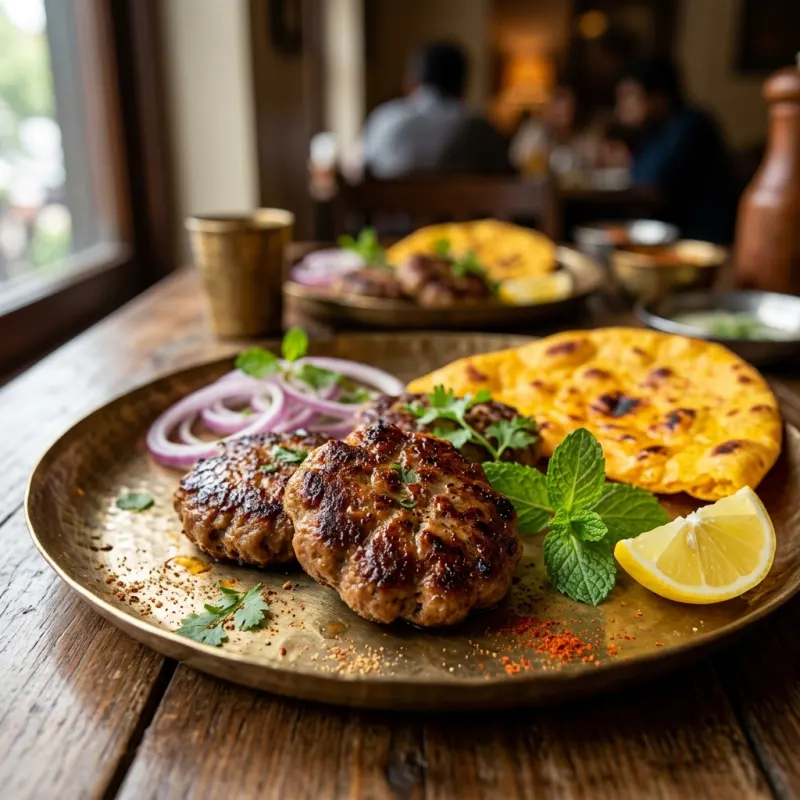
Tender Awadhi Galouti kebabs served with onions, lemon, and sheermal bread

Must Try Dish

Galouti Kebab - Legendary minced meat kebabs marinated in raw papaya and over a hundred secret spices, pan-fried to velvety softness. Eaten traditionally with flaky sheermal bread, they dissolve immediately on the palate.
Food Experiences Title Icon

Food
Experiences

Discover cooking classes, tastings and local food tours

No food experience found
Maya, the human travel expert at TravelingWiz, offering curated, non-AI expertise

Maya’s Final Checklist for Awadh Region

Logistics shouldn’t be the focus of your trip—the experience should. I’ve hand-vetted these essential partners to ensure your arrival, stay, and exploration are as smooth as an Athenian breeze.

Where to Stay

From boutique hotels to local apartments—compare thousands of options and find the perfect stay in the best neighborhood.

Air Travel

Getting there should be seamless. Compare the best routes and prices across top airlines to start your journey on the right note.

Local Guides

Connect with experts who know the destination best. Get personalized advice and insider tips to help you plan your perfect trip.

Travel Protection

The “Engineer’s” rule: always have a backup. Secure your trip with a plan that covers every “what if” and unexpected change.

Car Rentals

Explore at your own pace with total freedom. Compare reliable rental options and find the right vehicle for your adventure.

Visa Services

Don’t let paperwork slow you down. Get expert assistance with your application to ensure all your entry documents are in order.

FAQs

Intercity travel between hubs like Lucknow, Faizabad, and Ayodhya is most convenient via the Indian Railways network or private taxi services along modern expressways. Within cities, app-based cab services like Uber and Ola work well in main areas, while auto-rickshaws and e-rickshaws are ideal for navigating historic, narrow lanes.
Most monuments in Awadh, especially religious structures such as the Bara Imambara, Asfi Mosque, and various shrines or temples, require visitors to dress modestly by covering shoulders, chests, and knees. Women are often asked to drape a scarf or dupatta over their heads before entering inner sanctums.
Yes. While Awadh is world-famous for its meat-based nawabi dishes, it also boasts an equally sophisticated vegetarian repertoire, including Kathal (jackfruit) dum biryani, Paneer Pasanda, Dal Sultani, and a vast assortment of street chaats like Tokri Chaat.

Your Insights Matter

TravelingWiz grows through the stories of our community. If you’ve recently explored ,Awadh Region share your tips and stories to help us perfect our guides for the next traveler.

Related Articles

Check out our related articles and blog posts to learn even more about the destination.

No related articles found

Don’t Travel Alone

Share with your friends and family

Where should we send your offline card?

We hate spam just as much as you do

newsletter_consent *