The Braj Region, historically known as Brajbhoomi or Vraja, spans an expanse of approximately 3,800 square kilometers across the Indo-Gangetic plain, primarily centered in the Mathura district of Uttar Pradesh. Rooted in ancient Indian literature including the Mahabharata, Puranas, and Harivamsa, this culturally dense landscape is celebrated as the terrestrial realm of Lord Krishna. Its spiritual topography incorporates twelve sacred forests (Vanas), twenty-four groves (Upavanas), sacred ponds (Kunds), and the venerated Govardhan Hill.
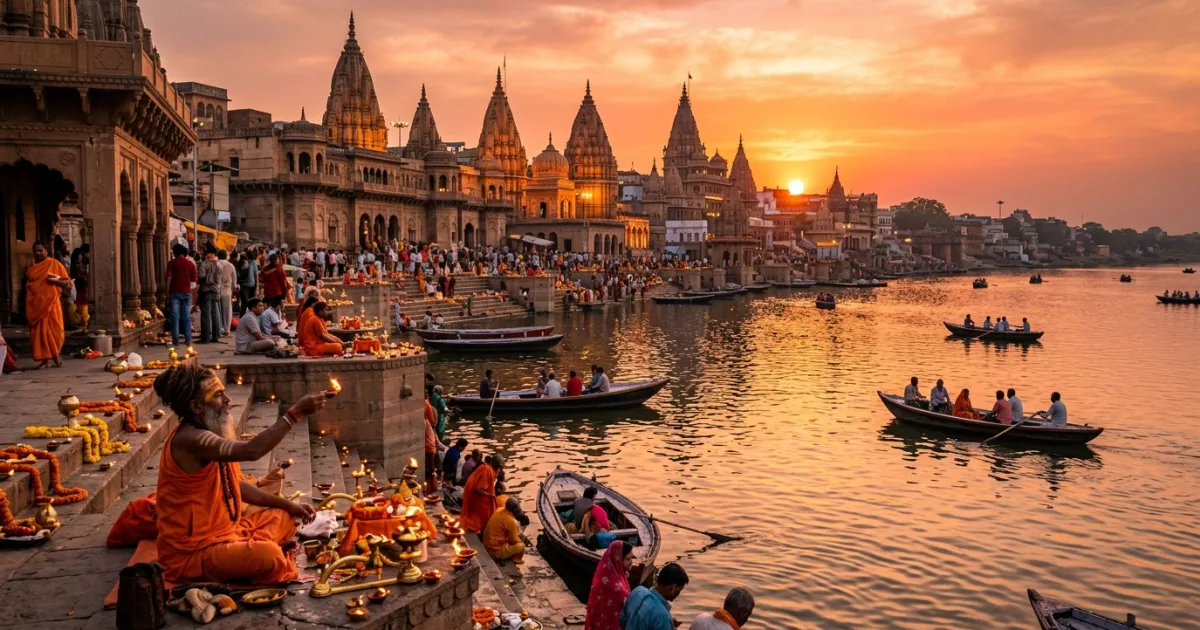
Today, Braj balances centuries-old monastic traditions with intense modern pilgrimage traffic. In historic Mathura, pilgrims gather along the ancient sandstone Vishram Ghat on the banks of the Yamuna, while Vrindavan thrums with the devotional chanting of Radha's name across thousands of medieval and modern temples such as Banke Bihari, Radharaman, and the grand white-marble Prem Mandir. Beyond devotion, travelers will discover exceptional rustic street foods, classical Braj Bhasha poetry, vibrant Raas Leela folk theatrical performances, and an unparalleled celebration of Indian festive culture.
Reasons to Visit
- Experience profound devotional heritage at centuries-old shrines such as the Radharaman Temple and Banke Bihari Mandir.
- Witness the evening Yamuna Maha Aarti at Vishram Ghat amid floating brass lamps and resonant conch shells.
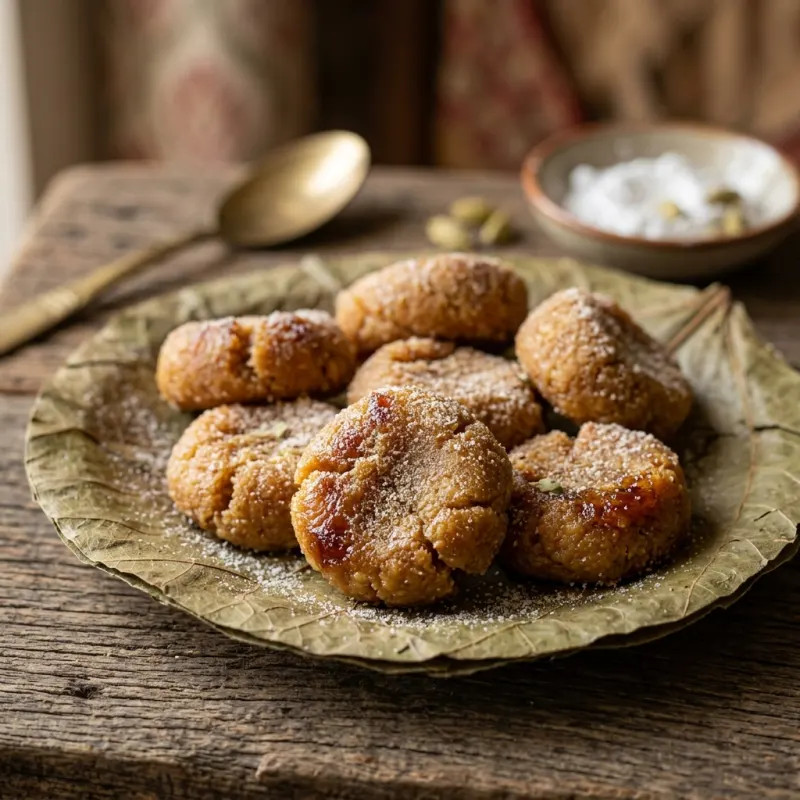
- Taste iconic heritage culinary staples, including authentic Mathura pedas, hing kachoris, and thick sweet lassi.
- Participate in or witness the world-famous Braj Holi celebrations in Barsana and Nandgaon.
- Undertake the serene 21-kilometer barefoot pilgrimage circuit around the sacred Govardhan Hill.
- Admire exquisite red sandstone Rajasthani-Mughal temple architecture in ancient medieval riverside enclaves.
Things to Avoid
- Avoid wearing expensive eyeglasses, sunglasses, or headbands uncovered in monkey-dominated temple lanes.
- Do not accept unsolicited services from unauthorized guides or temple touts demanding expensive special access pujas.
- Avoid wearing footwear into temple courtyards or stepping on sacred threshold stones marked with tilak.
- Do not plan high-speed itineraries; narrow heritage lanes frequently experience gridlock caused by cows, e-rickshaws, and processions.
- Avoid visiting during peak summer afternoons when temple courtyard stone tiles become scalding hot.
Local Transportation Tips
Local transportation within the core towns of Mathura and Vrindavan relies primarily on battery-powered e-rickshaws and auto-rickshaws, which easily negotiate the tightly packed, pedestrian-heavy alleyways. For transiting between towns—such as traveling from Mathura to Vrindavan, Govardhan, Barsana, or Gokul—hiring a private taxi or app-based cab for the day is the most comfortable and reliable choice. Local shared tempos operate frequent, ultra-low-cost connections between major town intersections for budget travelers.
Travel Etiquette
- Greet locals, shopkeepers, and temple staff with 'Radhe Radhe', the universal and warmly received regional greeting.
- Dress modestly with covered shoulders, chest, and legs whenever entering any religious establishment or neighborhood alley.
- Always remove your shoes, leather belts, and leather bags before entering sacred temple sanctums.
- Seek explicit permission before photographing ascetics, sadhus, or pilgrims performing religious rituals along the ghats.
- Receive prasad (sacred food offering) with your right hand open and elevated as a gesture of reverence.
Recommended Age Group
The Braj Region offers a profoundly atmospheric cultural journey, though crowded pilgrimage conditions require practical stamina.
- Babies (0-2 years): Neutral. Dense crowds, uneven cobblestone alleys, loud temple sounds, and persistent monkeys make stroller navigation and baby care demanding in central temple areas.
- Kids (3-12 years): Neutral. Children enjoy the vibrant mythological stories, puppet plays, and sweet shops, but require constant vigilance due to rapid crowd surges and cheeky monkeys.
- Teens (13-19 years): Recommended. Teenagers will be fascinated by the electric festival energy, heritage architecture, colorful photography opportunities, and authentic street food.
- Adults (20-64 years): Recommended. Ideal for cultural travelers, photographers, spiritual seekers, and history enthusiasts eager to explore deep North Indian living traditions.
- Seniors (65+ years): Recommended. A premier pilgrimage destination with e-rickshaw access to most shrines, though elderly travelers should avoid festival peaks and take care on slick marble steps.
Accessibility Level: Medium
- Ancient temple sanctums frequently feature steep sandstone steps, narrow entry doors, and lack wheelchair ramps.
- Paved pathways along the Govardhan Parikrama route provide dedicated lanes where motorized carts and e-rickshaws assist travelers with reduced mobility.
- Modern landmark temples, including Vrindavan's Prem Mandir, offer broad paved plazas, barrier-free access ramps, and wheelchair borrowing facilities.
- Historic bathing ghats along the Yamuna feature traditional, uneven stone staircases that are unsuitable for wheelchairs.
Did You Know?
In the historic town of Barsana, the annual Holi festival involves a unique tradition known as 'Lathmar Holi', where local women playfully beat the shields of men arriving from neighboring Nandgaon with stout bamboo sticks, reenacting an ancient legendary episode between Krishna and Radha.
Cool Statistics
- Over 5,000 historic and modern temples are estimated to exist across the town of Vrindavan alone.
- The traditional Braj 84-Kos Parikrama pilgrimage circuit covers an ancient route of roughly 252 kilometers (156 miles).
- The sacred Govardhan Parikrama pathway stretches across exactly 21 kilometers and is traversed by millions annually.






Buy a compatible power adapter for your trip