Disclosure: This site contains affiliate links. We may earn a commission if you make a purchase, at no extra cost to you.

>
>
>
>
Purvanchal Region

Purvanchal Region

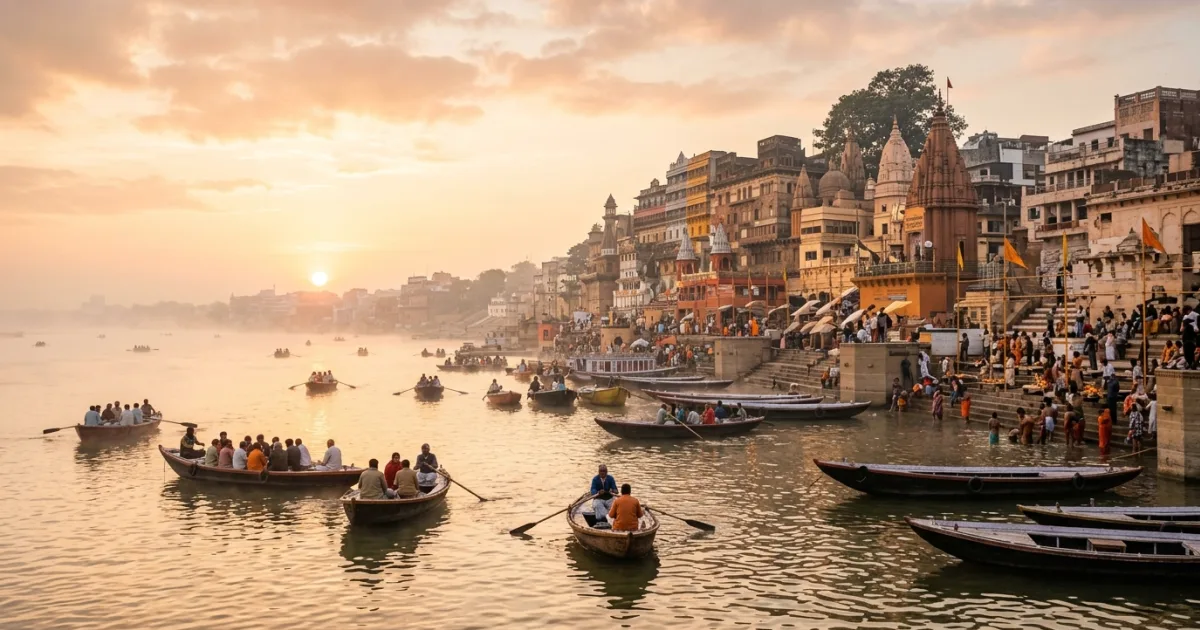
Panoramic view of the historic river ghats along the Ganges in the Purvanchal region during sunrise

Purvanchal Region Overview & Key Highlights

The Purvanchal region occupies the eastern expanse of Uttar Pradesh, comprising key cultural nodes such as Varanasi, Gorakhpur, Kushinagar, Jaunpur, and Mirzapur. Bordered by Bihar to the east and the Terai plains of Nepal to the north, this riverine flatland along the Ganges, Ghaghara, and Gomti rivers forms one of the oldest continuously inhabited landscapes on earth. The territory serves as a vital crossroad of ancient Indic civilizations, encompassing foundational centers of Hinduism, Buddhism, and medieval Islamic architecture. Travelers navigate an intense sensory landscape defined by ancient riverfront ghats, terracotta temples, and Buddhist monastic ruins marking the site of Gautama Buddha's Mahaparinirvana. Regional culture is rooted in Bhojpuri traditions, vibrant artisanal weaving communities, and celebrated rustic culinary traditions. Infrastructure ranges from modern expressways linking major transit hubs to narrow labyrinthine alleys best navigated on foot or by electric rickshaw.

Purvanchal Region Travel Guide: Logistics & In-Depth Tips

Purvanchal defines the fertile agricultural heartland of eastern Uttar Pradesh, sprawling across the fertile plains watered by the Ganges river basin. The region has served as an intellectual, philosophical, and spiritual crucible for millennia. While Varanasi anchors the southern flank with its ancient Vedic learning centers, the northern belt near Kushinagar preserves pristine stupas and tranquil monasteries honoring Lord Buddha. To the west, the historic Sultanate city of Jaunpur showcases distinct Sharqi-dynasty stone architecture, and Mirzapur guards rugged Vindhyan sandstone gorges and renowned hand-knotted carpet factories.

Contemporary Purvanchal offers a stark, authentic immersion into northern Indian life. Rapid transportation upgrades, notably the Purvanchal Expressway, have dramatically reduced travel times between isolated agricultural communities and major commercial epicenters. Visitors encounter deep devotional music traditions, intricate Banarasi silk jacquard looms, and centuries-old wrestling arenas (akhadas), providing an unfiltered cultural perspective distinct from mainstream Westernized circuits.

Reasons to Visit

  • Sacred Spiritual Centers: Experience the profound spiritual rituals of the Kashi Vishwanath corridor and the serene Buddhist Mahaparinirvana Stupa in Kushinagar.
  • Distinctive Sharqi Architecture: Explore the 14th- and 15th-century stone mosques of Jaunpur, characterized by massive sloping pylons and arched screening screens free of traditional minarets.
  • Artisanal Weaving & Crafts: Witness multi-generational master weavers hand-crafting pure silk Banarasi saris and Mirzapur artisans hand-knotting wool carpets.
  • Rich Bhojpuri Folk Culture: Immerse in local musical genres such as Biraha and Kajari, deeply intertwined with the agrarian seasons and devotional storytelling.
  • Agrarian Cuisine: Sample authentic rustic cuisine including wood-fired baati chokha, freshly pressed sugarcane juice, and heritage street chaats.

Things to Avoid

  • Avoid accepting unmetered auto-rickshaw rides or unsolicited religious rituals from strangers near temple complexes without establishing prices beforehand.
  • Do not photograph cremation rituals at Manikarnika and Harishchandra ghats, as this violates solemn funeral sanctity.
  • Avoid planning demanding outdoor walking itineraries between 11:00 AM and 4:00 PM during the scorching summer months of May and June.
  • Do not consume raw salads, cut street fruits, or unpackaged tap water from road stalls to prevent waterborne gastrointestinal illnesses.

Local Transportation Tips

Transit within Purvanchal's cities relies heavily on battery-operated e-rickshaws, cycle rickshaws, and auto-rickshaws, which can navigate dense historic bazaars with ease. App-based cab aggregators operate effectively in Varanasi and Gorakhpur. For travel between districts, Indian Railways runs frequent express and passenger trains, while private chauffeured vehicles remain the most flexible option for visiting scattered archaeological and religious complexes along state highways.

Travel Etiquette

  • Dress modestly at all times; cover arms and legs when entering temples, mosques, and stupas.
  • Remove shoes before stepping into places of worship, residential homes, and traditional workshops.
  • Use your right hand for eating, passing money, and accepting food or religious offerings (prasad).
  • Always seek permission before photographing monks, ascetics (sadhus), artisans, or local villagers.

Recommended Age Group

Purvanchal is a spiritually resonant and culturally intense destination, requiring reasonable physical agility and adaptability to crowds.

  • Babies (0-2 years): Not Recommended. Heavy pedestrian crowds, air particulate levels, and uneven flagstone alleys make stroller use impractical.
  • Kids (3-12 years): Neutral. Children may find noisy temple corridors and sensory overload challenging, though boat rides and open Buddhist parklands offer pleasant interludes.
  • Teens (13-19 years): Recommended. High engagement potential for teens interested in history, ancient religions, archaeology, and experiential street photography.
  • Adults (20-64 years): Recommended. Ideal for independent explorers, photographers, and cultural enthusiasts seeking deep immersion in South Asian heritage.
  • Seniors (65+ years): Recommended. A primary pilgrimage territory for mature travelers, though paced itineraries, wheelchair-accessible temple corridors, and pre-hired private transport are advised.

Accessibility Level: Medium

  • Historic river ghats, medieval step-wells, and old city bazaars feature steep stone staircases and narrow cobblestone alleys that present severe mobility barriers for wheelchair users.
  • Modern religious developments, such as the newly reconstructed Kashi Vishwanath Dham corridor, incorporate accessible ramps, elevators, and battery-cart transport for mobility-impaired visitors.
  • Major railway junctions (Varanasi Junction, Gorakhpur Junction) feature ground-level ramps and accessible assistance booths, though booking specialized transport in advance is necessary.

Did You Know?

Jaunpur was known as the 'Shiraz-e-Hind' (the Shiraz of India) during the 15th century under the Sharqi rulers due to its renowned universities, arts patronage, and sophisticated Islamic scholarship that attracted intellectuals from across Central and South Asia.

Cool Statistics

  • 340.8 km: Length of the Purvanchal Expressway connecting Lucknow directly to Ghazipur in eastern Uttar Pradesh.
  • 2,500+ Years: Estimated age of continuous urban habitation across the ancient pilgrimage settlement of Varanasi.
  • 4 Major World Religions: Hinduism, Buddhism, Jainism, and Islam all have critical landmark heritage monuments located across the Purvanchal territory.


Address:

Purvanchal Region, Uttar Pradesh, India

Find Nearby Accommodations

Basic Info

address icon

COUNTRY & Region

India,
Asia

ACCESSIBILITY LEVEL​

Medium
Currency icon

LOCAL CURRENCY​

Indian Rupee (INR)
Price level icon
Low
Safety Level icon

SAFETY LEVEL

Duration icon

Recommended Duration

• 1-7 days
• More than a week

Electricity

electricity icon

Electricity

220-240V, 
50Hz
Plug Socket icon

Plug Type

• Type C (Round pin)
• Type D (Three round pins in a triangular pattern)
• Type M (Three round pins, larger)
Plug types
Click To View Plug Types
Purvanchal Region is part of our
Culinary Heritage collection

Things To Do In Purvanchal Region

Total: 1

Wooden boats at the Triveni Sangam river confluence in Prayagraj at sunrise
Prayagraj hosts Triveni Sangam, the confluence of three rivers. Plan your trip with our verified 2026 travel guide.

Activities To Do In Purvanchal Region

Best Time To Visit Purvanchal Region

The optimal window to explore the Purvanchal region spans from October through March, when daytime temperatures hover between 15°C and 28°C, providing comfortable conditions for heritage walks and boat rides.

  • October to March (Peak Season): Clear skies, pleasant daytime weather, and major cultural celebrations including Dev Deepawali, Chhath Puja, and Shivratri.
  • April to June (Summer Season): Extreme dry heat with daytime temperatures frequently exceeding 42°C; outdoor activities are limited strictly to early mornings and evenings.
  • July to September (Monsoon Season): Heavy rainfall and elevated humidity levels; rivers swell significantly, often restricting boat traffic on the Ganges and Ghaghara.

Average Temperatures Per Month

Remember to check the weather forecast a few days before the trip and before heading to the airport.

Safety Level icon

Safety Level

Crowded religious hubs like Varanasi and Gorakhnath Temple require heightened situational awareness regarding pickpocketing and aggressive touts offering unauthorized rituals or boat rides. Women traveling solo should dress conservatively, avoid unlit alleyways after dark, and arrange prepaid taxis or app-based rides for late transit. Tap water is unsafe for direct drinking; consume only sealed bottled or rigorously filtered water. Be vigilant around stray animals and temple monkeys, keeping food containers and eyeglasses securely concealed.

The rating is based on multi-year peace, crime, and security indices. Before you go, always verify current conditions through official government travel advisories.

Emergency Numbers

Police: 112
Ambulance: 108

No internet needed • Includes local translations • Free for TravelingWiz readers

Spoken Languages

Bhojpuri, Hindi, Urdu, English

Learn The Language

  • Ka hal ba? — How are you? (Bhojpuri)
  • Theek ba. — I am fine. (Bhojpuri)
  • Namaste — Hello / Greetings (Hindi)
  • Dhanyawad — Thank you (Hindi)
  • Kitna rupya bhail? — How much does this cost? (Bhojpuri)
  • Rasta kahan ba? — Where is the road/way? (Bhojpuri)
  • Rukee — Please stop (Hindi)
  • Haan / Naheen — Yes / No (Hindi)
Travel Booking Partner - TravelingWiz

Trip Cost & Budgeting for Purvanchal Region, 2026

Everything you need to know about money while traveling
Is Purvanchal Region expensive for tourists in 2026? No, the Purvanchal region is a very budget-friendly destination offering incredible value. Based on Human Verified prices, expect to pay around 150 INR for a cappuccino, 150 INR for a domestic beer, and 400 INR for a mid-range meal. Accommodation and transport remain inexpensive. Use the data table below to calculate your specific daily budget based on your travel style.
Currency icon

LOCAL CURRENCY​:

Indian Rupee (INR)
Price level icon
Low
Cash is essential for street vendors, auto-rickshaws, and small shops, though major hotels and large restaurants accept cards.

Per person, per day – pocket cash for small purchases.

Local: 480
Indian Rupee (INR)
≈ 5 USD

Full daily spend estimation (accommodation, food, transportation, attractions).

Travel Style
Indian Rupee (INR)
≈ USD ($)
Budget
2650
28
Mid-range
4800
50
Comfort
10550
109

The Prices, Daily costs, and calculator results are estimates for planning purposes only. Actual costs may vary based on season, booking timing, personal spending habits, and currency fluctuations. TravelingWiz cannot be held responsible for discrepancies between these estimates and your final trip expenses.

  • • Negotiate auto-rickshaw and boat fares before boarding to avoid paying tourist surcharges.
  • • Savor affordable local street food like chaat, kachori, and lassi from busy, popular stalls.
  • • Rely on shared e-rickshaws or walking to navigate narrow lanes and avoid private taxi fares.
  • • Experience major spiritual attractions and evening Ganga Aarti ceremonies at zero entry cost.

Pre-Order Tickets

Avoid disappointment when tickets sell out — and skip the long lines by booking online in advance. You’ll often save up to 20% too.
Save up to 20%

Travel Discounts & Coupons

Save on hotels, attractions, transport, and gear — find verified discounts for smarter travel spending.
Verified Coupons

What To Pack

  • Modest clothing covering shoulders and knees for temple and monastery visits
  • Slip-on walking shoes or sandals for frequent removal at religious sites
  • Breathable cotton garments for hot months and heavy woolen layers for winter foggy mornings
  • Hand sanitizer and portable wet wipes for street food excursions
  • Universal plug adapter for Type D and Type M three-pin sockets
  • High-filtration face masks (N95) for urban dust and temple incense smoke
  • Mosquito repellent and anti-malarial medication during monsoon and post-monsoon seasons
We couldn't find tips for Purvanchal Region.
If you got any, please share

Recommended Itineraries for Traveling to Purvanchal Region

We couldn't find itineraries for Purvanchal Region.
you can contact us for custom trip plan

Food & Drink Highlights

Local Food Overview

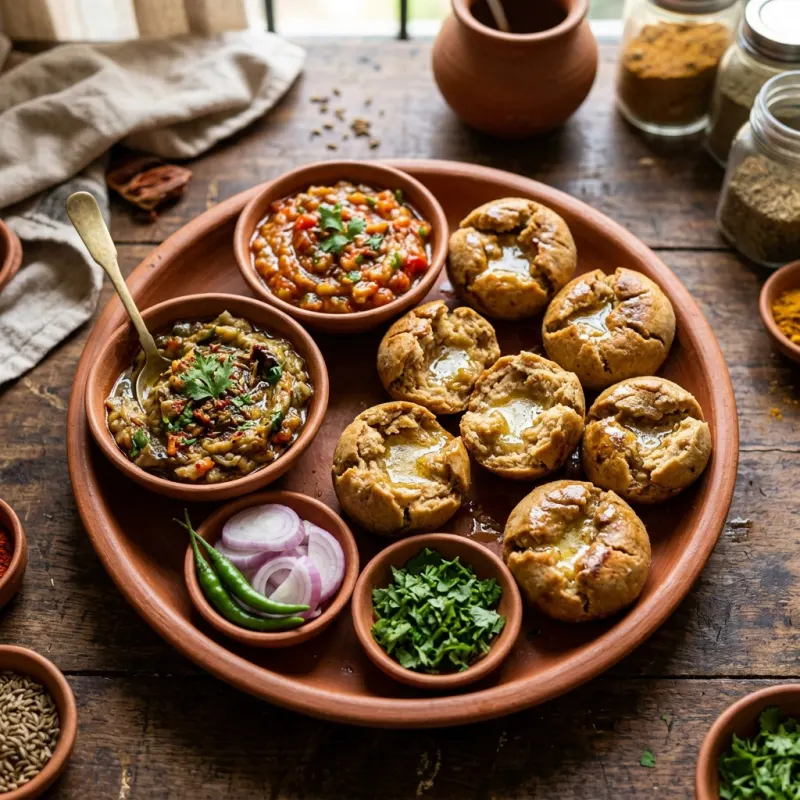
Purvanchali cuisine balances robust, rustic countryside staples with intricate Awadhi and medieval royal influences. The bedrock of rural dining is Baati Chokha—roasted wheat flour dough balls filled with spiced gram flour (sattu), accompanied by smoky mashed roasted eggplant, tomatoes, and potatoes bathed in pure mustard oil. Street food markets feature spiced chickpea gravies, crisp kachoris served with dry potato curries, and regional sweets like Gorakhpur's peda, Jaunpur's imarti, and Banaras's signature malyo (seasonal milk froth). Dining is traditionally vegetarian-forward, infused with earthy cumin, whole red chillies, and sharp mustard oil notes.
Traditional Purvanchali Baati Chokha served in clay bowl with roasted mashed vegetables and ghee

Must Try Dish

Baati Chokha - Roasted whole wheat dumplings stuffed with seasoned roasted gram flour, served alongside charcoal-roasted mashed eggplant, potatoes, green chilies, and pure desi ghee. It represents the quintessential agrarian comfort cuisine of eastern Uttar Pradesh.
Food Experiences Title Icon

Food
Experiences

Discover cooking classes, tastings and local food tours

No food experience found
Maya, the human travel expert at TravelingWiz, offering curated, non-AI expertise

Maya’s Final Checklist for Purvanchal Region

Logistics shouldn’t be the focus of your trip—the experience should. I’ve hand-vetted these essential partners to ensure your arrival, stay, and exploration are as smooth as an Athenian breeze.

Where to Stay

From boutique hotels to local apartments—compare thousands of options and find the perfect stay in the best neighborhood.

Air Travel

Getting there should be seamless. Compare the best routes and prices across top airlines to start your journey on the right note.

Local Guides

Connect with experts who know the destination best. Get personalized advice and insider tips to help you plan your perfect trip.

Travel Protection

The “Engineer’s” rule: always have a backup. Secure your trip with a plan that covers every “what if” and unexpected change.

Car Rentals

Explore at your own pace with total freedom. Compare reliable rental options and find the right vehicle for your adventure.

Visa Services

Don’t let paperwork slow you down. Get expert assistance with your application to ensure all your entry documents are in order.

FAQs

The core of Purvanchal includes prominent eastern Uttar Pradesh districts such as Varanasi, Gorakhpur, Kushinagar, Jaunpur, Ghazipur, Mirzapur, Deoria, Azamgarh, and Ballia.
Indian Railways provides the most efficient connectivity between major hubs like Varanasi, Gorakhpur, and Prayagraj. For regional excursions to sites like Kushinagar or Jaunpur, private air-conditioned car rentals or state express buses via the Purvanchal Expressway offer convenient access.
Yes. Purvanchal houses Kushinagar, the sacred site of Gautama Buddha’s Mahaparinirvana, and Sarnath (adjacent to Varanasi), where the Buddha delivered his first sermon, making it essential for Buddhist pilgrimage circuits.

Your Insights Matter

TravelingWiz grows through the stories of our community. If you’ve recently explored ,Purvanchal Region share your tips and stories to help us perfect our guides for the next traveler.

Related Articles

Check out our related articles and blog posts to learn even more about the destination.

No related articles found

Don’t Travel Alone

Share with your friends and family

Where should we send your offline card?

We hate spam just as much as you do

newsletter_consent *