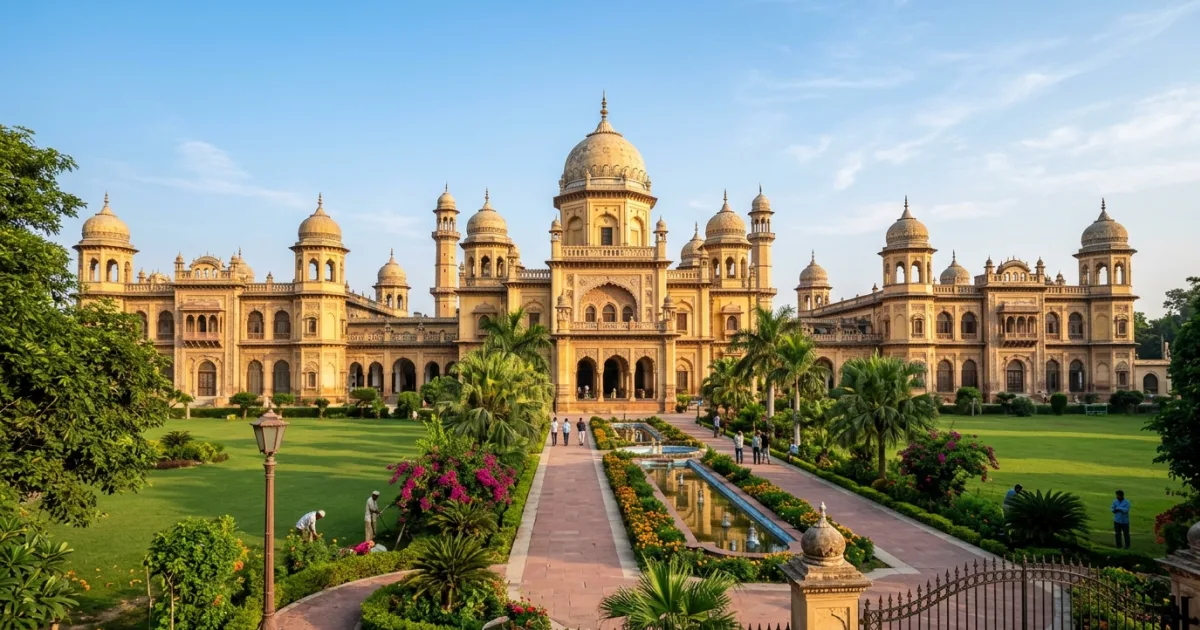
Rohilkhand occupies a prominent ecological and political space in northern India, bounded by the Ganges River to the south and west and the sub-Himalayan Terai belt to the north. Named after the Rohilla Pashtuns who established dominance here during the 18th century, the region evolved into a vibrant fusion of Afghan martial history and refined Awadhi-Mughal court culture. Today, cities like Rampur safeguard remarkable intellectual treasures, including the Raza Library housed inside Hamid Manzil, which holds over 30,000 rare manuscripts and Mughal miniature paintings. In adjacent industrial districts, towns like Moradabad sustain India's leading brass and metalwork export industries, while Bareilly preserves delicate hand-stitched zardozi gold-thread embroidery.
Beyond its urban centers, Rohilkhand features dense sal forests, tranquil river tributaries, and the high-density big-cat territory of the Pilibhit Tiger Reserve. This juxtaposition makes the area compelling for travelers seeking deep historical context, distinctive culinary craftsmanship, and wilderness experiences outside the golden triangle circuit.
Reasons to Visit
- Inspect irreplaceable Islamic calligraphy and historic manuscripts at the palatial Rampur Raza Library.
- Observe artisans casting, polishing, and engraving traditional brassware in Moradabad's workshops.
- Embark on jungle jeep safaris across the Terai Arc ecosystem in Pilibhit Tiger Reserve to spot Bengal tigers and swamp deer.
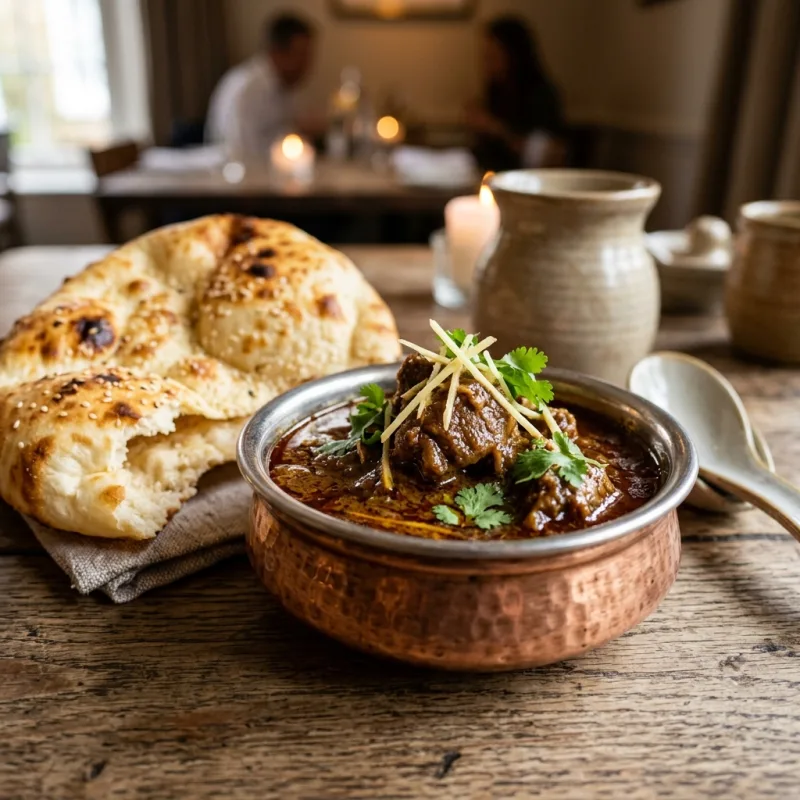
- Experience royal Rampuri cuisine, renowned for subtle aromatics and complex slow-cooked curries.
- Explore historic monuments including the Jama Masjid of Badaun, built in 1223 AD.
Things to Avoid
- Avoid planning intensive outdoor walking itineraries during peak summer afternoons in May and June when temperatures peak.
- Do not photograph inside sensitive areas of craft factories or military cantonments without explicit permission.
- Avoid booking unverified safari operators; always reserve tiger safaris through registered forest department desks.
- Do not drink unboiled tap water or consume raw peeled vegetables from informal roadside vendors.
Local Transportation Tips
Intercity transit across Rohilkhand is facilitated by the Northern and North Eastern Railway networks, with daily express trains operating between New Delhi, Moradabad, and Bareilly. State-operated UPSRTC buses run frequently along national highways connecting secondary towns. Within municipal areas, auto-rickshaws, e-rickshaws, and cycle-rickshaws represent the primary mode of transit. For visiting wildlife sanctuaries and rural heritage monuments, hiring an air-conditioned car with an experienced local driver provides the greatest flexibility and reliability.
Travel Etiquette
- Remove footwear before stepping inside religious sanctums, including mosques, temples, and historic mausoleums.
- Dress conservatively in public spaces, ensuring shoulders and knees are covered.
- Use your right hand for eating, handling food, and passing money or documents to others.
- Ask for permission before photographing local craftspeople or residents in village settings.
Recommended Age Group
Rohilkhand provides an enriching regional travel experience suited to travelers capable of navigating developing transport infrastructure and varied urban conditions.
- Babies (0-2 years): Neutral. Long road transfers, bustling markets, and limited diaper-changing facilities make travel with infants logistically challenging.
- Kids (3-12 years): Recommended. Open jeep wildlife safaris in Pilibhit and vibrant craft workshops provide engaging visual education for school-aged children.
- Teens (13-19 years): Recommended. Teenagers interested in photography, regional history, wildlife observation, and distinct cuisines will find substantial stimulation.
- Adults (20-64 years): Recommended. An outstanding destination for independent explorers, cultural researchers, photographers, and wildlife buffs.
- Seniors (65+ years): Neutral. Uneven street pavement, high steps at historical sites, and limited barrier-free accessibility require careful planning and private transport.
Accessibility Level: Medium
- Historical monuments and royal libraries often feature multi-level layouts with flight stairs and minimal wheelchair ramps.
- Pavements and bazaar alleys in old quarters are generally uneven, crowded, and devoid of tactile paving.
- Safari vehicles in Pilibhit Tiger Reserve require stepping up into high open-top 4x4 jeeps without specialized lift equipment.
- Modern business hotels in Bareilly and Moradabad offer ground-floor accessibility and elevator access to guest rooms.
Did You Know?
The Rampur Raza Library contains the original parchment manuscript of the Quran attributed to the 7th-century fourth Caliph, Ali ibn Abi Talib, inscribed in early Kufic script.
Cool Statistics
- Over 65 Bengal tigers reside within the dense sal forests of the Pilibhit Tiger Reserve.
- Moradabad exports over $500 million USD worth of brass and artisanal metal products annually worldwide.
- The Raza Library collection encompasses more than 30,000 rare manuscripts written in Arabic, Persian, Sanskrit, and Urdu.






Buy a compatible power adapter for your trip