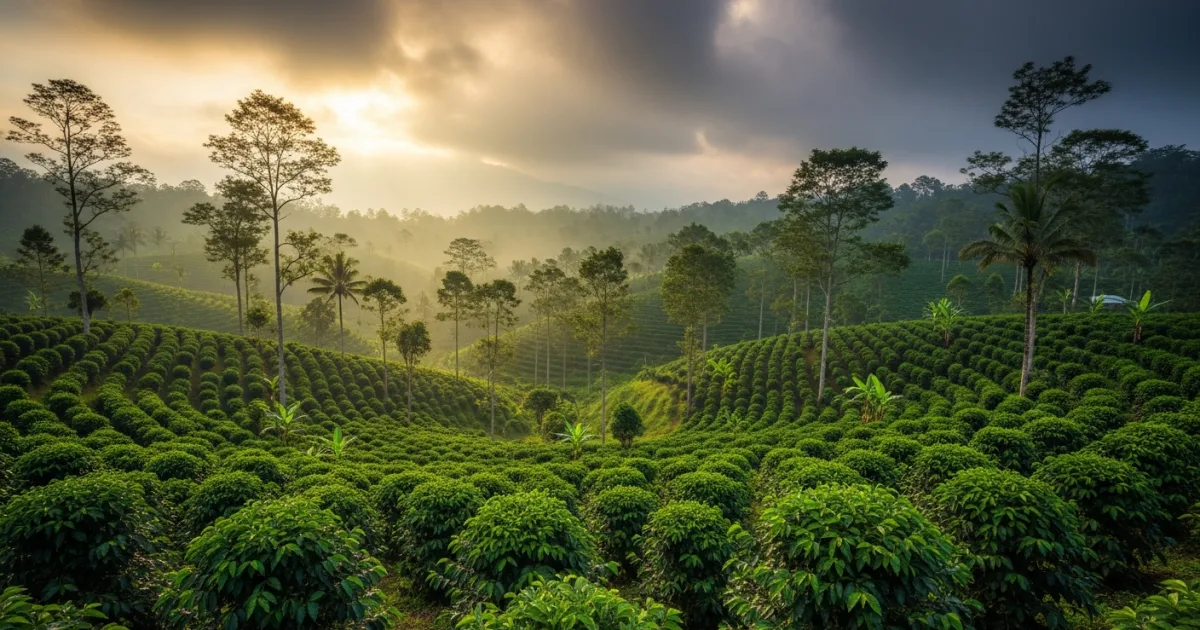
The Munduk region, historically favored by the Dutch during the colonial era for its cool climate, remains one of Bali's most pristine and enchanting areas. The Munduk Coffee Plantation is a testament to the island's enduring agricultural traditions, where the volcanic soil and high altitude create the perfect terroir for cultivating exceptional coffee, cloves, and cacao.
Visiting the plantation is more than just a tasting session; it is a journey into the heart of Balinese farming culture. Guests can wander through the shaded groves, observe the meticulous care that goes into organic farming, and witness the fascinating process of producing Kopi Luwak. Whether you are a coffee aficionado or simply a nature lover seeking tranquility away from the bustling southern beaches, Munduk offers a deeply rewarding and sensory-rich experience.
Reasons to Visit
- Taste some of the freshest and most unique coffee in the world, straight from the source.
- Escape the heat and crowds of southern Bali in the cool, refreshing mountain climate.
- Capture stunning photographs of misty valleys, infinity pools, and lush green hillsides.
- Learn about sustainable farming practices and the history of Balinese agriculture.
- Enjoy luxurious spa treatments and wellness activities surrounded by nature.
Things to Avoid
- Avoid rushing your visit; the charm of Munduk lies in its slow, relaxed pace.
- Do not forget warm clothing, as the temperature drop in the evening can catch visitors off guard.
- Avoid riding a scooter in this area if you are inexperienced, as the mountain roads are steep and winding.
- Be cautious of purchasing 'wild' Kopi Luwak from unverified roadside vendors; stick to reputable plantations that prioritize animal welfare.
Local Transportation Tips
Getting to and around Munduk is best done by hiring a private driver or renting a car, which offers safety and comfort on the winding mountain roads. For the adventurous and experienced, renting a scooter provides the freedom to explore hidden waterfalls and viewpoints at your own pace. Ride-hailing apps like Grab or Gojek are generally unavailable or unreliable in this remote highland area.
Travel Etiquette
- Dress modestly if you plan to visit any nearby temples or rural villages during your trip.
- Always ask for permission before taking close-up photographs of local farmers or workers.
- Use your right hand when handing over money or receiving items, as the left hand is considered impure in Indonesian culture.
- Greet locals with a smile and a polite 'Selamat pagi' (Good morning) or 'Selamat siang' (Good afternoon).
Recommended Age Group
The Munduk Coffee Plantation offers a tranquil and educational environment suitable for various ages, though the terrain dictates the level of accessibility.
- Babies (0-2 years): Neutral. While the fresh air is lovely, navigating the steep and uneven plantation paths with a stroller is highly impractical. Baby carriers are a must.
- Kids (3-12 years): Recommended. Children will enjoy the open spaces, learning about where their food comes from, and spotting local wildlife and farm animals.
- Teens (13-19 years): Recommended. The stunning scenery provides perfect photography spots, and the outdoor activities like hiking are highly engaging.
- Adults (20-64 years): Recommended. Ideal for coffee enthusiasts, couples seeking a romantic getaway, and those looking to relax in nature.
- Seniors (65+ years): Recommended. The resort areas, restaurants, and tasting rooms are accessible and offer a relaxing experience, though seniors with mobility issues should avoid the steeper plantation trails.
Accessibility Level: Medium
- The main reception, dining areas, and tasting rooms are generally accessible to visitors with limited mobility.
- Pathways within the actual coffee groves are often steep, unpaved, and can be slippery, making them unsuitable for wheelchairs or those with severe mobility issues.
- Staff are highly accommodating and can arrange for tastings and demonstrations to be brought to accessible areas upon request.
Did You Know?
Munduk was established as a mountain retreat by the Dutch in the early 20th century. The colonial influence is still visible today in some of the local architecture and the continued cultivation of export crops like coffee, vanilla, and cloves that were introduced during that era.
Cool Statistics
- Munduk sits at an altitude of approximately 1,000 meters (3,280 feet) above sea level.
- The region produces both Arabica and Robusta coffee beans, thriving in the rich volcanic soil.
- Bali's coffee production accounts for a significant portion of Indonesia's specialty coffee exports.







Buy a compatible power adapter for your trip