Browse:
>
>
>
>
>
Penebel
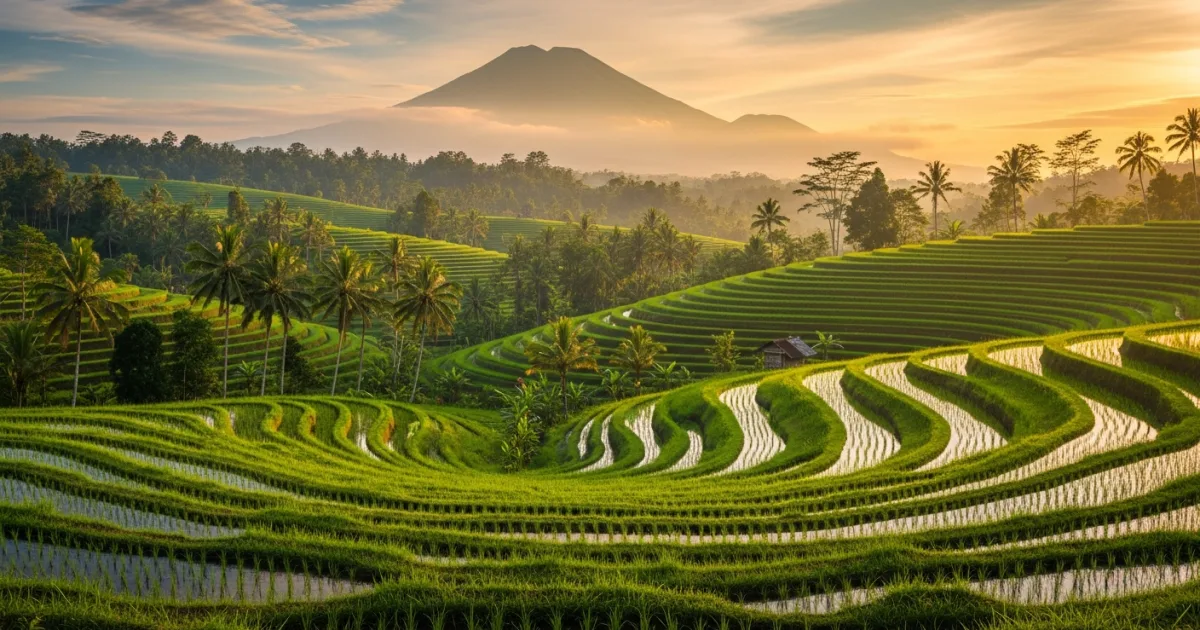
Golden hour view of the Jatiluwih Rice Terraces in Penebel, Bali

Penebel Overview & Key Highlights

Penebel is a serene and culturally rich district located in the heart of the Tabanan Regency in Bali, Indonesia. Renowned for its breathtaking landscapes, it is home to the UNESCO-listed Jatiluwih Rice Terraces, which showcase the traditional Subak irrigation system against the stunning backdrop of Mount Batukaru. Visitors are drawn to this lush region to escape the bustling coastal tourist hubs and immerse themselves in authentic Balinese village life. Beyond its iconic emerald-green rice paddies, Penebel offers a wealth of natural and historical attractions for intrepid travelers. You can explore the sacred Pura Luhur Batukaru, an ancient Hindu temple nestled on the slopes of the volcano, or relax in the therapeutic waters of the Angseri Hot Springs. Whether you are hiking through dense tropical forests, cycling along quiet rural roads, or savoring locally grown coffee and fresh produce, Penebel provides a deeply rejuvenating and picturesque travel experience.

Essential Penebel Logistics & In-Depth Travel Tips

Penebel is a captivating district in Bali's Tabanan Regency that offers a stark, refreshing contrast to the island's heavily developed southern beaches. Nestled on the southern slopes of Mount Batukaru, Bali's second-highest peak, Penebel is a sanctuary of lush greenery, traditional agriculture, and spiritual tranquility. The crown jewel of the area is undoubtedly the Jatiluwih Rice Terraces, a UNESCO World Heritage site that spans over 600 hectares. Here, the ancient Subak cooperative water management system, which dates back to the 9th century, is still actively practiced, creating a mesmerizing landscape of contoured, emerald-green paddies that cascade down the hillsides.

Beyond the rice terraces, Penebel is a haven for eco-tourism and outdoor adventure. The dense rainforests surrounding Mount Batukaru offer excellent trekking opportunities, leading to hidden waterfalls and diverse flora and fauna. Spiritual seekers will find peace at Pura Luhur Batukaru, one of Bali's key directional temples, which sits serenely amidst the misty forest. After a day of exploration, visitors can soothe their muscles in the natural volcanic waters of the Angseri Hot Springs. With its cool mountain air, welcoming local communities, and commitment to preserving Balinese heritage, Penebel is the perfect destination for travelers looking to connect with nature and experience the authentic soul of Bali.

Reasons to Visit

  • Witness the breathtaking, UNESCO-recognized Jatiluwih Rice Terraces.
  • Experience authentic Balinese culture away from the crowded tourist hotspots.
  • Explore the sacred and serene Pura Luhur Batukaru temple.
  • Relax in the natural, therapeutic waters of Angseri Hot Springs.
  • Enjoy excellent hiking and cycling routes through pristine countryside.
  • Taste locally grown red rice, fresh produce, and Balinese coffee.

Things to Avoid

  • Avoid visiting temples without proper attire (sarong and sash are mandatory).
  • Do not walk on the delicate rice paddy walls; stick to the designated trekking paths.
  • Avoid relying solely on credit cards, as cash is necessary for most local transactions.
  • Do not drink tap water; always opt for filtered or bottled water.
  • Avoid driving a scooter if you are inexperienced, as mountain roads can be steep and treacherous.

Local Transportation Tips

Public transportation in Penebel is virtually non-existent. The most popular and convenient way to explore the district is by renting a scooter, which allows you to navigate the narrow, winding roads at your own pace. Scooter rentals can be arranged through your accommodation or in larger nearby towns. If you prefer not to drive, hiring a private car with a driver for the day is a comfortable and affordable alternative. For exploring the Jatiluwih Rice Terraces specifically, walking or renting an e-bike are the best ways to soak in the scenery.

Travel Etiquette

  • Always wear a sarong and sash when entering a temple, and ensure your shoulders are covered.
  • Never point your feet at a person or a shrine, as feet are considered the lowest and most impure part of the body.
  • Use your right hand for giving, receiving, and eating; the left hand is considered unclean.
  • Do not touch anyone on the head, including children, as the head is considered the most sacred part of the body.
  • Be respectful of local ceremonies; do not walk in front of people who are praying, and keep your voice down.

Recommended Age Group

Penebel offers a tranquil and nature-focused experience suitable for most ages, though the rugged terrain of the rice terraces requires some mobility.

  • Babies (0-2 years): Neutral. While the fresh air is wonderful, navigating the narrow, uneven paths of the rice terraces with a stroller is highly impractical; baby carriers are essential.
  • Kids (3-12 years): Recommended. Children will love the open spaces, learning about traditional farming, and exploring the gentle nature trails.
  • Teens (13-19 years): Recommended. The area offers excellent opportunities for photography, cycling, and light hiking that appeal to active teenagers.
  • Adults (20-64 years): Recommended. Perfect for adults seeking cultural immersion, eco-tourism, and a peaceful retreat from Bali's busy southern coast.
  • Seniors (65+ years): Recommended. The scenic viewpoints, hot springs, and serene temples are highly accessible, though some steep terrace walks may be challenging.

Accessibility Level: Medium

  • Accessibility in Penebel is generally limited due to its rural and mountainous nature.
  • The main viewing platforms at Jatiluwih Rice Terraces are accessible, but the trekking paths down into the paddies are narrow, uneven, and involve stairs.
  • Pura Luhur Batukaru has uneven stone pathways and steps, making wheelchair access difficult.
  • Travelers with mobility issues should consider hiring a private driver to enjoy the scenic drives and accessible viewpoints without needing to navigate rough terrain.

Did You Know?

Did you know that the Subak irrigation system used in Penebel's Jatiluwih Rice Terraces is not just an agricultural method, but a deeply spiritual practice? It is rooted in the Balinese philosophical principle of Tri Hita Karana, which emphasizes the harmonious relationship between humans, nature, and the spiritual realm. Water is managed collectively by the farmers through water temples, ensuring fair distribution and ecological balance.

Cool Statistics

  • Jatiluwih Rice Terraces cover approximately 600 hectares of land.
  • Mount Batukaru, towering over Penebel, stands at an elevation of 2,276 meters (7,467 feet).
  • The Subak system was officially inscribed as a UNESCO World Heritage site in 2012.
  • Pura Luhur Batukaru is one of Bali's nine 'kayangan jagat' (directional temples) meant to protect the island from evil spirits.


Address:

Penebel, Indonesia

Find Nearby Accommodations

Basic Info

address icon

COUNTRY & Region

Indonesia,
Asia
Medium
Currency icon

LOCAL CURRENCY​

Indonesian Rupiah (IDR)
Price level icon
Low
Safety Level icon
Duration icon

Recommended Duration

• Full day
• 1-7 days

Electricity

electricity icon

Electricity

220-240V,
50Hz
Plug Socket icon

Plug Type

• Type C (Round pin)
• Type F (Two round pins with earth clips)
Plug types
Click To View Plug Types

Things To Do In Penebel

Total: 1

Activities To Do In Penebel

Best Time To Visit

The best time to visit Penebel is during Bali's dry season, which runs from April to October. During these months, the weather is generally sunny with lower humidity, making it ideal for outdoor activities like hiking and cycling.

  • April to June: The rice terraces are incredibly lush and green right after the rainy season, offering spectacular photography opportunities.
  • July to August: This is the peak tourist season in Bali. The weather is cool and breezy, especially in the elevated areas of Penebel, though it can be slightly more crowded.
  • September to October: A great shoulder season with pleasant weather and fewer tourists before the heavy rains begin.

Remember to check the weather forecast a few days before the trip and before heading to the airport.

Safety Level icon

SAFETY Level

Safe. Penebel is a peaceful, rural district with very low crime rates. The primary safety concerns are related to nature and transportation. Exercise caution when driving scooters on steep, winding, and sometimes poorly maintained mountain roads. Always wear a helmet. Additionally, be mindful of slippery paths when walking through the rice terraces, especially after rain.

The rating is based on multi-year peace, crime, and security indices. Before you go, always verify current conditions through official government travel advisories.

Emergency Numbers

Police: 110
Ambulance: 118

No internet needed • Includes local translations • Free for TravelingWiz readers

Spoken Languages

Indonesian is the national language, while Balinese is spoken locally among residents. Basic English is understood by staff at major tourist sites, eco-lodges, and larger restaurants, but learning a few local phrases will go a long way in rural villages.

Learn The Language

  • Selamat pagi (Good morning)
  • Terima kasih (Thank you)
  • Sama-sama (You’re welcome)
  • Berapa harganya? (How much is this?)
  • Di mana toilet? (Where is the toilet?)
  • Permisi (Excuse me)
  • Saya tidak mengerti (I don’t understand)
  • Tolong (Help)

Trip Cost & Budgeting for Penebel, 2026

Everything you need to know about money while traveling

Traveling in Penebel is generally very affordable, especially compared to Bali's southern resort towns. Accommodations range from budget-friendly homestays to mid-range eco-lodges, and local food is inexpensive and delicious.

Currency icon

LOCAL CURRENCY​:

Indonesian Rupiah (IDR)
Price level icon
Low
While larger eco-lodges and tourist restaurants near Jatiluwih may accept credit cards, cash is absolutely essential in Penebel. You will need Indonesian Rupiah (IDR) for small warungs, local markets, temple donations, and parking fees. ATMs are scarce in the rural villages, so withdraw sufficient cash in larger towns like Tabanan or Ubud before arriving.

Per person, per day – pocket cash for small purchases.

Local: 500000
Indonesian Rupiah (IDR)
≈ 32 USD

Full daily spend estimation (accommodation, food, transportation, attractions).

Travel Style
Indonesian Rupiah (IDR)
≈ USD ($)
Budget
750000
48
Mid-range
1500000
96
Comfort
3000000
192

The Prices, Daily costs, and calculator results are estimates for planning purposes only. Actual costs may vary based on season, booking timing, personal spending habits, and currency fluctuations. TravelingWiz cannot be held responsible for discrepancies between these estimates and your final trip expenses.

  • Eat at local 'warungs' (small family-owned eateries) for authentic and cheap Balinese meals.
  • Rent a scooter to explore the area independently, which is much cheaper than hiring a private driver for the day.
  • Purchase a combined entrance ticket if you plan to visit multiple attractions within the Jatiluwih area.
  • Buy fresh fruits and snacks from traditional morning markets rather than tourist-oriented shops.

Pre-Order Tickets

Avoid disappointment when tickets sell out — and skip the long lines by booking online in advance. You’ll often save up to 20% too.
Save up to 20%

Travel Discounts & Coupons

Save on hotels, attractions, transport, and gear — find verified discounts for smarter travel spending.
Verified Coupons

What To Pack

  • Lightweight, breathable cotton or linen clothing for the tropical climate.
  • A light rain jacket or poncho, as mountain weather can be unpredictable.
  • Comfortable walking or hiking shoes with good grip for navigating uneven rice terraces.
  • Modest clothing (sarong and sash) for visiting Hindu temples.
  • High SPF sunscreen, sunglasses, and a wide-brimmed hat.
  • Insect repellent to protect against mosquitoes in rural areas.
  • A reusable water bottle to stay hydrated while minimizing plastic waste.
  • A swimsuit and quick-dry towel for visiting the local hot springs.

Recommended Itineraries for this Destination

Food & Drink Highlights

Local Food Overview

The culinary scene in Penebel is deeply rooted in traditional Balinese agriculture. Thanks to the fertile volcanic soil, the area produces exceptional red rice, fresh vegetables, and aromatic spices. Dining here often involves farm-to-table experiences, with meals featuring locally raised poultry, freshwater fish, and an abundance of fresh coconut and chili.
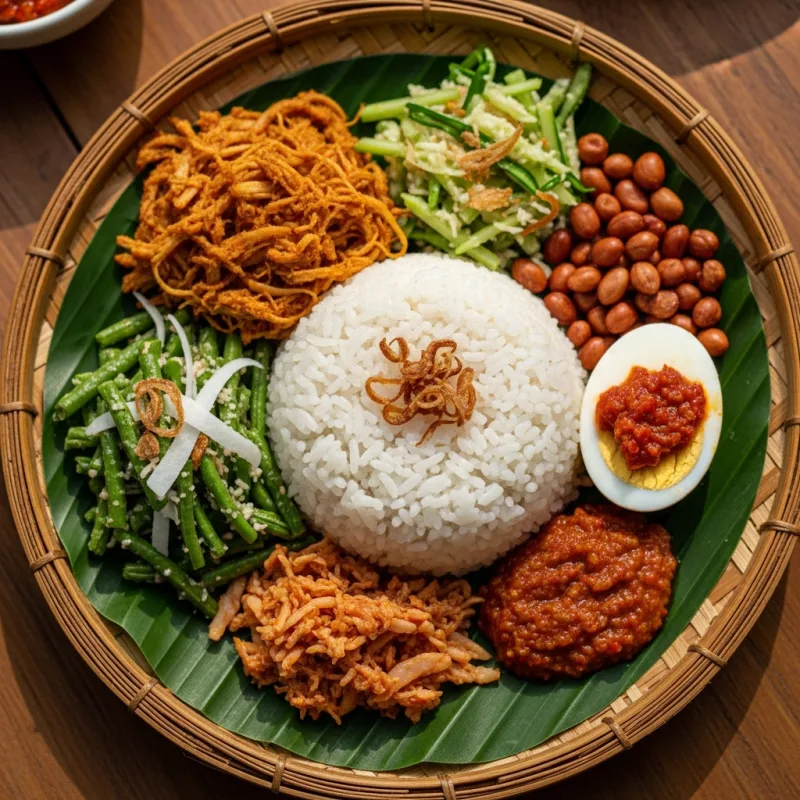
A traditional serving of Nasi Campur Bali on a banana leaf

Must Try Dish

Nasi Campur Bali - This iconic Balinese dish features a scoop of fragrant white or red rice surrounded by small portions of spiced meats, vegetables, peanuts, and fiery sambal. It offers a perfect, balanced taste of the region's complex flavor profile in a single, satisfying meal.

Food Experiences

No food experience found

GetReady

Plan your trip seamlessly with our trusted partners and expert guidance. Follow these steps to book everything you need or connect with a local tour guide for personalized support

Step 1: Find the Perfect Accommodation

Explore a wide range of hotels, boutique stays, and vacation rentals to suit every traveler’s needs and budget. From luxury options to cozy family stays, find the best place for your trip.

Step 2: Book Your Flights

Secure the best flight deals for your destination. With our trusted partners, booking flights is quick and hassle-free.

Step 3: Let a Tour Guide Help

Not sure where to start? A professional local tour guide can create a customized itinerary or assist you in planning your trip. Make your journey seamless and stress-free.

Step 4: Rent a Car

Travel at your own pace by renting a car. Whether you’re exploring cities or embarking on a road trip, find reliable and convenient car rental options.

Step 5: Get Travel Insurance

Protect yourself and your loved ones with comprehensive travel insurance. Our partners offer plans to cover every aspect of your journey.

Step 6: Need a Visa?

Check visa requirements for your destination and apply quickly with trusted services. Simplify the process and ensure you’re ready to travel without delays.

FAQs

No, a guide is not strictly necessary. The terraces have well-marked trekking paths of varying lengths. However, hiring a local guide can provide deeper insights into the Subak irrigation system and local culture.
Because Penebel is situated at a higher altitude on the slopes of Mount Batukaru, the climate is noticeably cooler and less humid than coastal Bali. Evenings can be brisk, so bringing a light jacket is recommended.
Drone flying is generally permitted in Jatiluwih, but you should always be respectful of other visitors and local farmers. Avoid flying near temples, especially during ceremonies.
ATMs are very limited in the rural parts of Penebel. It is highly advisable to bring enough cash with you from larger towns like Tabanan, Ubud, or Canggu.
As with all Balinese temples, visitors must wear a sarong and a sash around the waist. Shoulders should also be covered. Sarongs can usually be rented or borrowed at the temple entrance.

Help Us Improve

If you visited
Penebel
click here to share your tips and stories.

This will help us improve our guides for the entire travelers community.

Related Articles

Check out our related articles and blog posts to learn even more about the destination.

Don’t Travel Alone

Share with your friends and family

Where should we send your offline card?

We hate spam just as much as you do

newsletter_consent *