Disclosure: This site contains affiliate links. We may earn a commission if you make a purchase, at no extra cost to you.

>
>
>
>
Kumamoto
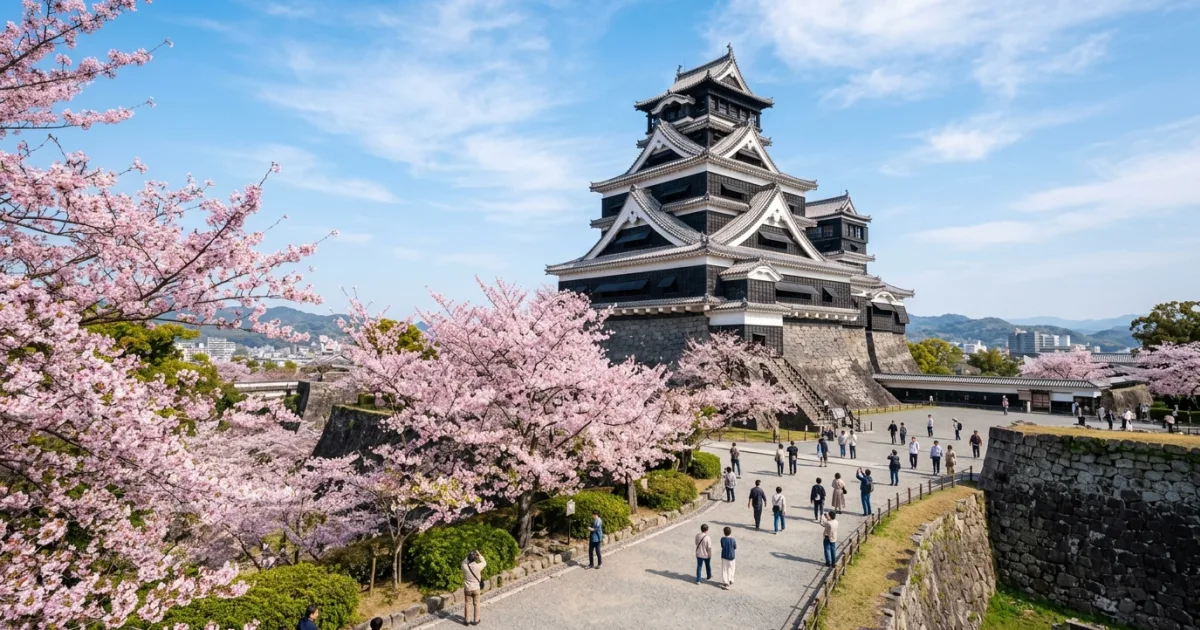
Kumamoto Castle main keep framed by blooming cherry blossoms in Kumamoto Japan

Kumamoto Overview & Key Highlights

Kumamoto anchors central Kyushu with an exceptional mix of feudal resilience and welcoming southern charm. The skyline is dominated by Kumamoto Castle, one of Japan's premier defensive fortresses, celebrated for its massive curved stone ramparts called mushagaeshi and extensive post-2016 earthquake architectural restoration. Beyond the fortress grounds, tranquil pathways meander through Suizenji Jojuen, a seventeenth-century landscape garden representing the fifty-three stations of the historic Tokaido road with manicured miniature hills and freshwater ponds fed by Mount Aso springs. Travelers find Kumamoto remarkably effortless to navigate thanks to its vintage streetcar network, bustling pedestrian arcades like Shimotori and Kamitori, and direct shinkansen connections to Fukuoka and Kagoshima. The local culinary landscape shines with garlicky tonkotsu ramen, spicy mustard-stuffed lotus root, and premium local wagyu beef. Whether exploring deep samurai legacies, relaxing in hot spring bathhouses, or using the municipality as a scenic springboard toward the volcanic caldera of Mount Aso, Kumamoto rewards visitors with an unhurried, rich cultural journey.

Kumamoto Travel Guide: Logistics & In-Depth Tips

Kumamoto serves as the cultural and administrative heart of central Kyushu, balancing high-energy urban hubs with contemplative historical districts. The city rose around the mighty fortress constructed by legendary warlord Kato Kiyomasa in 1601. In 2016, a sequence of powerful earthquakes caused widespread damage to the castle's masonry and turrets. The ensuing engineering campaign has stood as a marvel of heritage conservation, blending traditional stone-masonry techniques with modern earthquake-dampening structures.

Beyond historical ramparts, Kumamoto is celebrated across Japan as the 'City of Water'. All tap water within the city comes directly from clean underground volcanic aquifers fed by Mount Aso's rainfall, supplying mineral-rich water to tea houses, artisanal distilleries, and municipal parks. The downtown district features one of the longest covered shopping arcades in Western Japan, brimming with izakayas, independent fashion boutiques, and venues featuring the beloved municipal mascot, Kumamon.

Reasons to Visit

  • Kumamoto Castle: Marvel at one of Japan's most formidable fortresses, featuring dramatic curved stone walls and interactive historical exhibits.
  • Suizenji Jojuen: Stroll through a pristine seventeenth-century Momoyama-style garden featuring a miniature replica of Mount Fuji.
  • World-Class Gastronomy: Taste distinct regional specialties like black-garlic Kumamoto ramen, karashi renkon, and locally crafted shochu.
  • Volcanic Proximity: Enjoy seamless rail and bus access for day trips toward Mount Aso, the largest active caldera in Japan.
  • Vibrant Shopping Arcades: Explore the covered Kamitori and Shimotori promenades filled with shopping, dining, and vibrant nightlife.

Things to Avoid

  • Do not rely entirely on cashless payment methods; small traditional stalls and ticket vending machines require Japanese Yen banknotes or coins.
  • Avoid planning outdoor-heavy days during the peak of the rainy season in June without waterproof gear.
  • Do not climb onto unrestored stone castle walls marked with restricted signs, as stabilization work is ongoing.
  • Avoid talking loudly on mobile phones while riding the city trams or regional trains.

Local Transportation Tips

Kumamoto features an efficient and user-friendly public transportation network centered on the Kumamoto City Tram, operating two primary lines (Line A and Line B) that connect Kumamoto Station, the castle precinct, downtown shopping districts, and Suizenji Garden for a flat fare of ¥180 per adult. Extensive bus services run by Sanko Bus connect outlying residential areas and regional attractions. Regional transit is anchored by JR Kumamoto Station, offering high-speed Kyushu Shinkansen bullet train service north to Fukuoka and south to Kagoshima, as well as local scenic train routes into the Aso highlands.

Travel Etiquette

  • Remove your shoes when entering traditional ryokan, tatami dining rooms, and historic temple structures, placing them neatly facing outwards.
  • Keep transit passes or exact change ready when exiting the municipal tram at the front door.
  • Refrain from walking while eating street food; finish your snack near the stall or disposal bin where purchased.
  • Separate trash carefully into designated recycling bins for plastics, cans, and burnable waste found next to vending machines.

Recommended Age Group

Kumamoto provides a clean, secure, and culturally stimulating environment suitable for multiple generations of travelers.

  • Babies (0-2 years): Recommended. Paved castle paths, spacious parks, and baby changing amenities at major transit hubs make travel stress-free.
  • Kids (3-12 years): Recommended. Children enjoy tram rides, interactive castle samurai displays, and spotting Kumamon mascot statues throughout downtown.
  • Teens (13-19 years): Recommended. High interest in feudal castle defense mechanics, retro shopping arcades, and lively ramen dining spots.
  • Adults (20-64 years): Recommended. Perfect balance of historical exploration, artisanal culinary tours, izakaya culture, and easy transit.
  • Seniors (65+ years): Recommended. Flat garden walking loops at Suizenji, elevator-equipped castle towers, and reliable tram connections offer gentle sightseeing.

Accessibility Level: Medium

  • Kumamoto Castle features a dedicated barrier-free special viewing pathway and elevator service within the restored main keep.
  • City tram network has introduced low-floor accessible streetcars (CO-CO-RO cars) equipped with wheelchair ramps on scheduled runs.
  • JR Kumamoto Station and major department stores provide tactile paving, step-free access, and accessible multi-purpose restrooms.
  • Suizenji Jojuen offers paved peripheral pathways suitable for wheelchairs and strollers, though gravel detours require occasional care.

Did You Know?

Kumamoto's entire municipal tap water supply is drawn from pure underground volcanic springs, making it the only Japanese metropolis with a population over 700,000 to rely entirely on 100% natural subterranean groundwater.

Cool Statistics

  • Features over 400 years of continuous samurai and administrative castle history.
  • Kumamoto Castle's restored main keep stands at an impressive height of over 30 meters.
  • Home to Kumamon, Japan's most economically successful mascot, generating over 1 trillion yen in merchandise sales since 2010.
  • Boasts more than 1,000 natural spring water outlet locations across the surrounding prefecture.

Address:

Kumamoto, Japan

Find Nearby Accommodations

Basic Info

address icon

COUNTRY & Region

Japan,
Asia

ACCESSIBILITY LEVEL​

Medium
Currency icon

LOCAL CURRENCY​

Japanese Yen (JPY)
Price level icon
Medium
Safety Level icon

SAFETY LEVEL

Duration icon

Recommended Duration

• 1-7 days
• Full day

Electricity

electricity icon

Electricity

100-110V, 
60Hz
Plug Socket icon

Plug Type

• Type A (Flat blade)
• Type B (Flat blade with grounding pin)
Plug types
Click To View Plug Types
Kumamoto is part of our
Accessible Travel collection

Activities To Do In Kumamoto

Best Time To Visit Kumamoto

Kumamoto is a rewarding year-round destination, but spring and autumn offer optimal conditions for sightseeing and outdoor excursions.

  • March to May: Cherry blossom blooms peak in early April around Kumamoto Castle grounds, paired with pleasant temperatures averaging 15°C to 22°C.
  • October to November: Crisp, clear autumn weather delivers vibrant Japanese maple foliage at Suizenji Garden and comfortable conditions for walking tours.
  • June to July: Rainy season (tsuyu) brings heavy rainfall, making indoor shopping arcades and museums preferable.
  • December to February: Mildly cold winter days with low crowds, ideal for slurping hot ramen and visiting local onsen.

Average Temperatures Per Month

Remember to check the weather forecast a few days before the trip and before heading to the airport.

Safety Level icon

Safety Level

Kumamoto ranks among the safest cities in Japan with extremely low rates of street crime. Exercise standard travel caution with personal belongings in crowded shopping arcades. Pay attention to municipal seismic alert advisories and heat indexes during mid-summer.

The rating is based on multi-year peace, crime, and security indices. Before you go, always verify current conditions through official government travel advisories.

Emergency Numbers

Police: 110
Ambulance: 119

No internet needed • Includes local translations • Free for TravelingWiz readers

Spoken Languages

Japanese (Standard & Kumamoto-ben dialect); basic English signage available across transport hubs.

Learn The Language

  • Konnichiwa – Hello
  • Arigatou gozaimasu – Thank you very much
  • Sumimasen – Excuse me / Sorry
  • Kore wa ikura desu ka? – How much is this?
  • O-kaikei o onegai shimasu – The bill, please
  • Eigo ga hanasemasu ka? – Do you speak English?
  • Tasukete kudasai – Please help me
  • Doko desu ka? – Where is it?
Travel Booking Partner - TravelingWiz

Trip Cost & Budgeting for Kumamoto, 2026

Everything you need to know about money while traveling
Is Kumamoto expensive for tourists in 2026? Kumamoto offers moderate prices compared to major Japanese hubs like Tokyo or Kyoto. Visitors can expect to pay around 500 JPY for a cappuccino, 600 JPY for a draft beer, and 2,500 JPY for a mid-range restaurant meal. Based on our Human Verified prices, it remains a very affordable destination in Kyushu. Use the data table below to calculate your specific daily budget based on your travel style.
Currency icon

LOCAL CURRENCY​:

Japanese Yen (JPY)
Price level icon
Medium
Credit cards work well at hotels and chain stores, but cash is required for trams and small restaurants.

Per person, per day – pocket cash for small purchases.

Local: 1800
Japanese Yen (JPY)
≈ 11 USD

Full daily spend estimation (accommodation, food, transportation, attractions).

Travel Style
Japanese Yen (JPY)
≈ USD ($)
Budget
9900
63
Mid-range
18000
114
Comfort
39600
252

The Prices, Daily costs, and calculator results are estimates for planning purposes only. Actual costs may vary based on season, booking timing, personal spending habits, and currency fluctuations. TravelingWiz cannot be held responsible for discrepancies between these estimates and your final trip expenses.

  • • Buy the Kumamoto City Tram 1-Day Pass for unlimited daily rides and discounted entry to select sights.
  • • Enjoy local specialties like Kumamoto ramen at casual shop counters for maximum flavor and low prices.
  • • Book business hotels near Karashima-cho or Kumamoto Station for comfortable, budget-friendly accommodation.
  • • Visit free public parks and castle outer grounds before deciding to pay entry for specific museum halls.

Pre-Order Tickets

Avoid disappointment when tickets sell out — and skip the long lines by booking online in advance. You’ll often save up to 20% too.
Save up to 20%

Travel Discounts & Coupons

Save on hotels, attractions, transport, and gear — find verified discounts for smarter travel spending.
Verified Coupons

What To Pack

  • Slip-on comfortable walking shoes for taking on castle stairs and traditional tatami-floored venues.
  • Breathable layers and an umbrella for summer and monsoon weather (June to September).
  • Light warm jacket and thermal inner layers if visiting during the crisp winter months (December to February).
  • Compact daypack with coin pouch for tram fares and vending machines.
  • Universal power adapter compatible with Japanese two-prong ungrounded outlets.
We couldn't find tips for Kumamoto.
If you got any, please share

Recommended Itineraries for Traveling to Kumamoto

We couldn't find itineraries for Kumamoto.
you can contact us for custom trip plan

Food & Drink Highlights

Local Food Overview

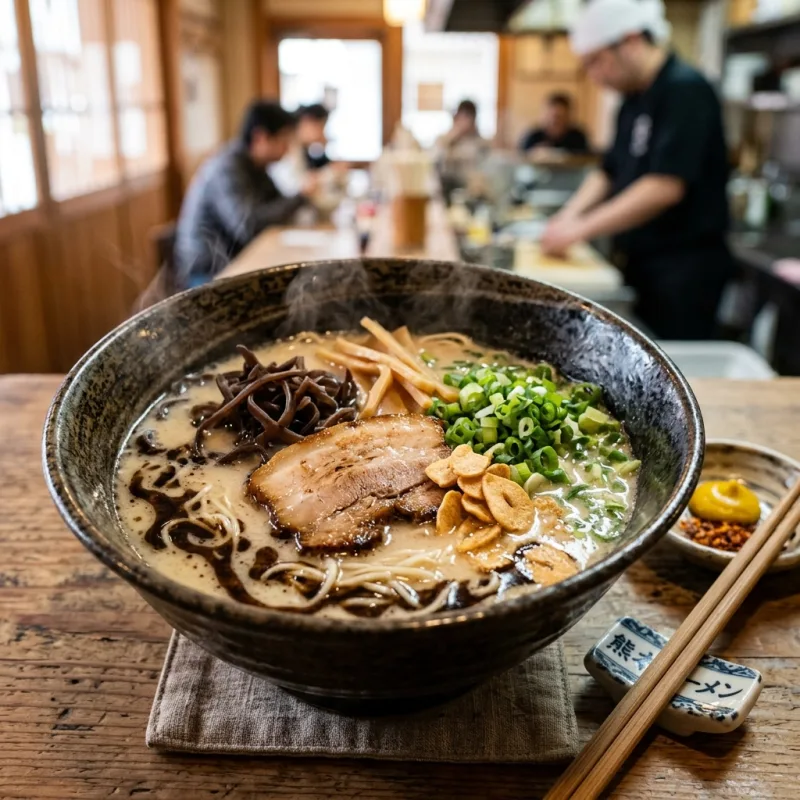
Kumamoto's regional gastronomy is deeply rooted in samurai tradition and agricultural abundance fed by volcanic groundwater. Signature culinary staples include Kumamoto Ramen—characterized by a creamy pork-and-chicken bone broth infused with deep-roasted garlic oil (mayu) and crispy garlic chips. Other local delicacies include Karashi Renkon (lotus root stuffed with spicy hot mustard and soybean paste, then deep-fried in turmeric batter) and Basashi (finely marbled horsemeat sashimi served chilled with sweet soy sauce and grated ginger).
Bowl of Kumamoto ramen with black garlic oil, chashu pork, and scallions

Must Try Dish

Kumamoto Ramen - A comforting bowl of firm straight noodles served in rich tonkotsu-pork and chicken broth, elevated by distinctive blackened garlic oil (mayu) and toasted garlic crisps. Topped with tender chashu pork, wood-ear mushrooms, and green onions, it offers a bolder, earthier flavor profile than neighboring Hakata ramen.
Food Experiences Title Icon

Food
Experiences

Discover cooking classes, tastings and local food tours

No food experience found
Maya, the human travel expert at TravelingWiz, offering curated, non-AI expertise

Maya’s Final Checklist for Kumamoto

Logistics shouldn’t be the focus of your trip—the experience should. I’ve hand-vetted these essential partners to ensure your arrival, stay, and exploration are as smooth as an Athenian breeze.

Where to Stay

From boutique hotels to local apartments—compare thousands of options and find the perfect stay in the best neighborhood.

Air Travel

Getting there should be seamless. Compare the best routes and prices across top airlines to start your journey on the right note.

Local Guides

Connect with experts who know the destination best. Get personalized advice and insider tips to help you plan your perfect trip.

Travel Protection

The “Engineer’s” rule: always have a backup. Secure your trip with a plan that covers every “what if” and unexpected change.

Car Rentals

Explore at your own pace with total freedom. Compare reliable rental options and find the right vehicle for your adventure.

Visa Services

Don’t let paperwork slow you down. Get expert assistance with your application to ensure all your entry documents are in order.

FAQs

The Kyushu Shinkansen connects JR Hakata Station in Fukuoka to Kumamoto Station in just 30 to 40 minutes, with trains departing every 15 to 20 minutes.
Yes, the main keep of Kumamoto Castle has undergone complete structural restoration and reopened with modern museum exhibitions and an observation deck, alongside an elevated visitor walkway.
Yes, Kumamoto is famous across Japan for having 100% natural groundwater as its municipal tap supply, filtered through Mount Aso’s volcanic rock layers.

Your Insights Matter

TravelingWiz grows through the stories of our community. If you’ve recently explored ,Kumamoto share your tips and stories to help us perfect our guides for the next traveler.

Related Articles

Check out our related articles and blog posts to learn even more about the destination.

No related articles found

Don’t Travel Alone

Share with your friends and family

Where should we send your offline card?

We hate spam just as much as you do

newsletter_consent *