Disclosure: This site contains affiliate links. We may earn a commission if you make a purchase, at no extra cost to you.

Japan

Basic Info

COUNTRY & Region

Japan,
Asia & Pacific

ACCESSIBILITY LEVEL​

  • High: Widely accessible with good facilities for disabilities.
  • Medium: Some accessible options, but limitations exist.
  • Low: Limited accessibility; many barriers for disabilities.
Medium

LOCAL CURRENCY​

Japanese Yen (JPY)

Price Level

Low – budget‑friendly basics

Medium – moderate mid‑range costs

High – pricey lodging, dining & transport

Medium

SAFETY LEVEL

5 shields = Excellent – very low crime or conflict.

4 shields = Safe – low risk, routine care.

3 shields = Relatively safe – use normal street smarts.

2 shields = Use caution – higher crime or periodic unrest.

1 shields = Avoid – active conflict or extreme danger.

Scores are derived from multi-year peace, homicide and security indices blended into a single 1-to-5 scale.

Recommended Duration

Overnight, 1-7 days, More than a week

Japan Overview & Key Highlights

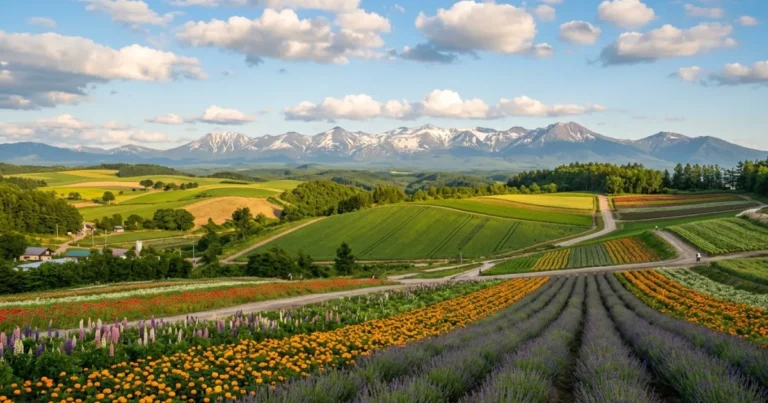
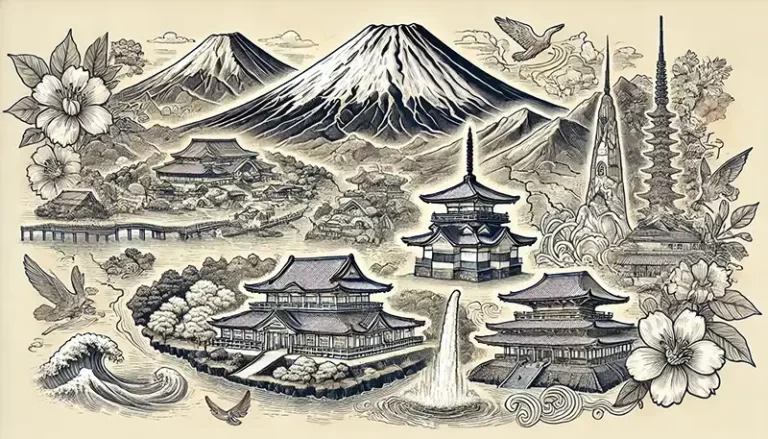
Japan is an amazing blend of the ancient and the ultra-modern, with bustling cities, historic temples, and tranquil gardens. Famous for its hospitality, rich cultural heritage, and culinary wonders, Japan offers something for every traveler. Explore futuristic skyscrapers in Tokyo, the temples of Kyoto, the natural beauty of Hokkaido, and indulge in the world-class food that has made Japan a top culinary destination.

Japan Travel Guide: Logistics & In-Depth Tips

Japan’s unique mix of tradition and innovation makes it a truly memorable destination. Here’s a closer look at what awaits in Japan:

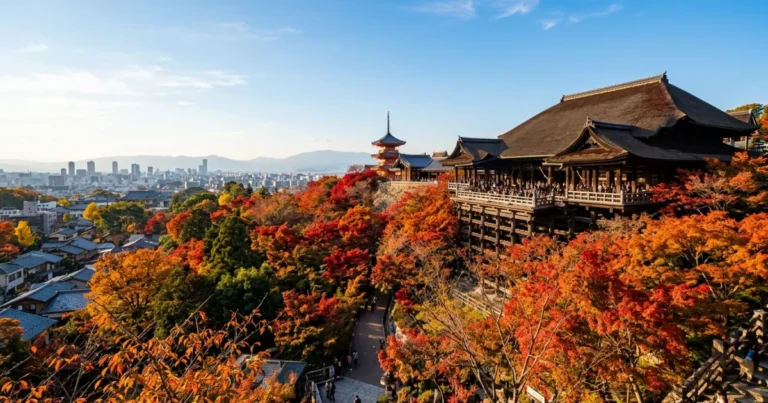
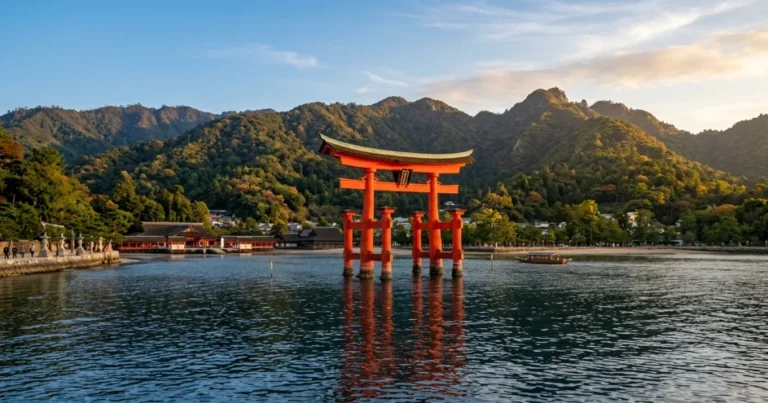
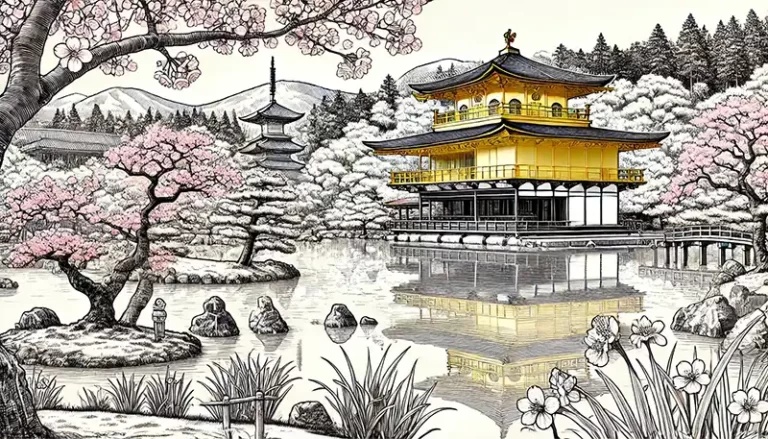
  • Historic and Cultural Heritage: Japan is home to historic temples, shrines, and UNESCO World Heritage sites. Kyoto, Nara, and Nikko are famous for their well-preserved temples and traditional Japanese architecture. Shinto and Buddhist traditions are deeply embedded in the culture, and visitors can experience the tranquility of Zen gardens, tea ceremonies, and traditional festivals.
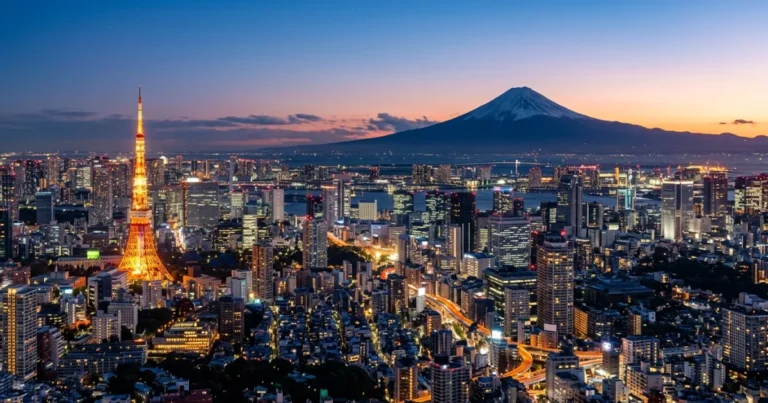
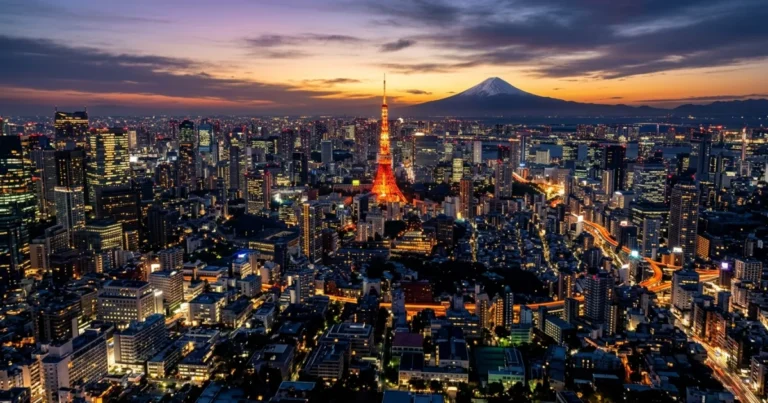
  • Vibrant City Life: Japan’s cities each offer a unique experience. Tokyo dazzles with its skyscrapers, neon lights, and eclectic neighborhoods, from the fashion-forward Harajuku to the electronic shops of Akihabara. Osaka is famous for its vibrant food scene and friendly locals, while Yokohama offers a coastal vibe just outside Tokyo.
  • Culinary Delights: Japanese cuisine is renowned worldwide, and in Japan, it’s a diverse experience. Enjoy sushi, ramen, tempura, and street food like takoyaki and taiyaki. For adventurous eaters, Japan offers unique delicacies like fugu (pufferfish) and uni (sea urchin). Food markets, izakayas, and fine dining options await food lovers at every turn.
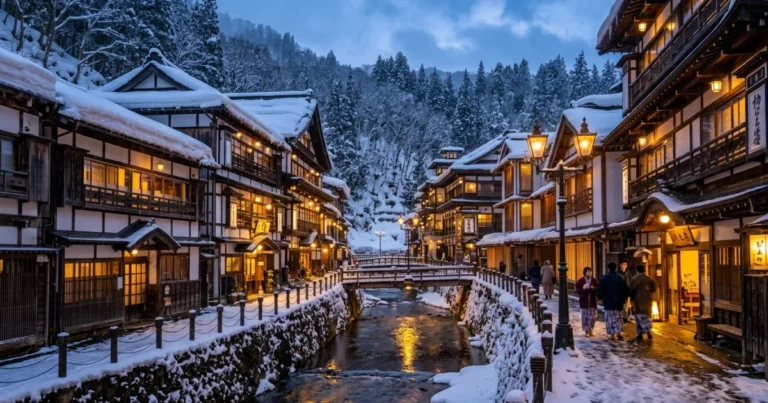
  • Seasonal Attractions: Japan’s beauty changes with each season. Cherry blossoms in spring and vibrant autumn leaves attract visitors from around the world. In winter, festive lights and snow festivals (especially in Hokkaido) create magical scenes, while summer brings colorful fireworks displays and traditional festivals.


Reasons to Visit:

  • Unique Cultural Heritage: Experience Japan’s rich cultural heritage through traditional arts, ancient temples, and Shinto rituals.
  • Seasonal Beauty: Each season offers stunning scenery, from cherry blossoms to autumn foliage and snow-covered landscapes.
  • Culinary Variety: Japan is a paradise for food lovers, with culinary options ranging from street food to Michelin-starred dining.
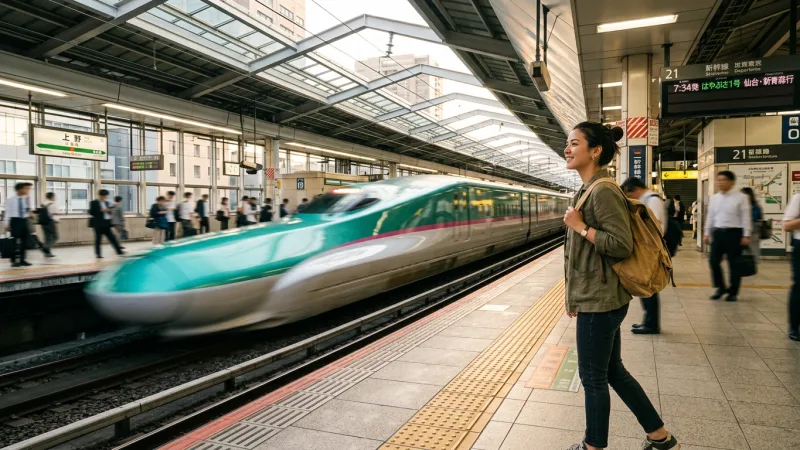
  • Efficient Transportation: The Shinkansen (bullet train) and well-connected public transit make traveling around Japan convenient.
  • Safe and Clean: Japan is known for its cleanliness, low crime rate, and high-quality services, making it a comfortable destination for all ages.


Things to Avoid:

  • Speaking Loudly in Public: Japan values harmony and quietness, so speaking loudly, especially on public transport, is considered impolite.
  • Entering Homes and Temples with Shoes: Always remove shoes when entering homes, temples, or traditional inns.
  • Pointing or Gesturing Aggressively: Pointing and direct gestures can be considered rude. A gentle, indirect approach is preferred.
  • Ignoring Local Customs: For example, many Japanese onsens (hot springs) do not allow tattoos, so check the rules beforehand.


Electricity:

Note that Japan operates strictly on 100V (not 110V) and uses two different electrical frequencies depending on the region: 50Hz in the East (including Tokyo) and 60Hz in the West (including Kyoto and Osaka).


Accessibility Level: Medium

While Japan offers excellent public transit accessibility, some older temples, rural areas, and certain traditional sites have limited wheelchair access.

Address:

Japan

Find Nearby Accommodations

Electricity

100-110V, 
50Hz

Plug Type

Type A (Flat blade), Type B (Flat blade with grounding pin)
Plug types
Click To View Plug Types

Want a deeper experience in Japan?

Explore private guides and find an experience that suits your interests.

Activities To Do In Japan

Best Time To Visit Japan

The best times to visit Japan are spring (March to May) and autumn (September to November), offering pleasant weather and iconic seasonal beauty.

  • Spring (March to May): Cherry blossom season draws visitors for hanami (flower viewing) in parks and gardens. Temperatures are mild and ideal for exploring.
  • Summer (June to August): Warm weather with festivals and beach visits, though it can be humid. Northern Japan offers cooler temperatures and scenic nature spots.
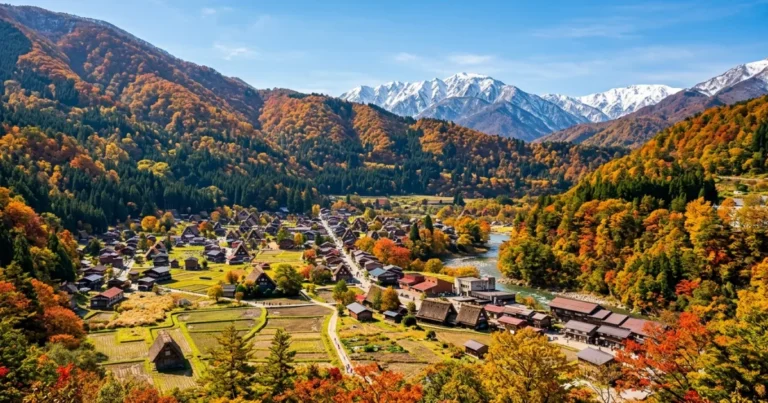
  • Autumn (September to November): The autumn foliage is stunning, especially in Kyoto and Nikko. Temperatures cool down, making it a comfortable time for outdoor activities.
  • Winter (December to February): Ideal for winter sports in areas like Hokkaido. Japan’s winter illuminations and hot springs (onsens) offer cozy experiences.

Average Temperatures Per Month

Average monthly temperaturesMonthly source values, with Celsius and Fahrenheit equivalents in the following data table.-5°23°5°41°15°59°25°77°35°95°JanJan: 4°C / 39°FFebFeb: 6°C / 43°FMarMar: 10°C / 50°FAprApr: 14°C / 57°FMayMay: 18°C / 64°FJunJun: 22°C / 72°FJulJul: 26°C / 79°FAugAug: 28°C / 82°FSepSep: 24°C / 75°FOctOct: 18°C / 64°FNovNov: 13°C / 55°FDecDec: 7°C / 45°F
View temperature data
Average monthly temperatures
Month°C°F
Jan439
Feb643
Mar1050
Apr1457
May1864
Jun2272
Jul2679
Aug2882
Sep2475
Oct1864
Nov1355
Dec745

Remember to check the weather forecast a few days before the trip and before heading to the airport.

Safety Level

5 shields = Excellent – very low crime or conflict.

4 shields = Safe – low risk, routine care.

3 shields = Relatively safe – use normal street smarts.

2 shields = Use caution – higher crime or periodic unrest.

1 shields = Avoid – active conflict or extreme danger.

Scores are derived from multi-year peace, homicide and security indices blended into a single 1-to-5 scale.

Japan is widely recognized as one of the safest travel destinations in the world, with minimal overall crime and normal precautions recommended for visitors. Travelers should stay aware of natural disaster alerts, such as earthquakes or seasonal typhoons, by monitoring official safety apps and local weather reports. In major urban nightlife hubs like Tokyo's Kabukicho or Roppongi, exercise basic caution regarding touts, inflated bar bills, and potential drink-spiking.

The rating is based on multi-year peace, crime, and security indices. Before you go, always verify current conditions through official government travel advisories.

Emergency Numbers

Police: 112 (Universal) / 110
Ambulance: 119

No internet needed • Includes local translations • Free for TravelingWiz readers

Spoken Languages

The official language is Japanese, though English is commonly used in major tourist areas.
Travel Booking Partner - TravelingWiz

Learn The Language

  • Hello – こんにちは (Konnichiwa)
  • Thank you – ありがとう (Arigatou)
  • Yes – はい (Hai)
  • No – いいえ (Iie)
  • Excuse me – すみません (Sumimasen)
  • Please – お願いします (Onegaishimasu)
  • Good morning – おはようございます (Ohayou gozaimasu)
  • Goodbye – さようなら (Sayounara)

Trip Cost & Budgeting for Japan, 2026

Everything you need to know about money while traveling
Is Japan expensive for tourists in 2026? While historically perceived as pricey, favorable exchange rates make Japan moderately priced for international visitors. Based on Human Verified prices, you can expect to pay around 500 JPY for a cappuccino, 600 JPY for a domestic beer, and 1,200 JPY for a standard main meal at a local eatery. Use the data table below to calculate your specific daily budget based on your travel style.

LOCAL CURRENCY​:

Japanese Yen (JPY)

Price Level:

Low – budget‑friendly basics

Medium – moderate mid‑range costs

High – pricey lodging, dining & transport

Medium

Cards Vs. Cash

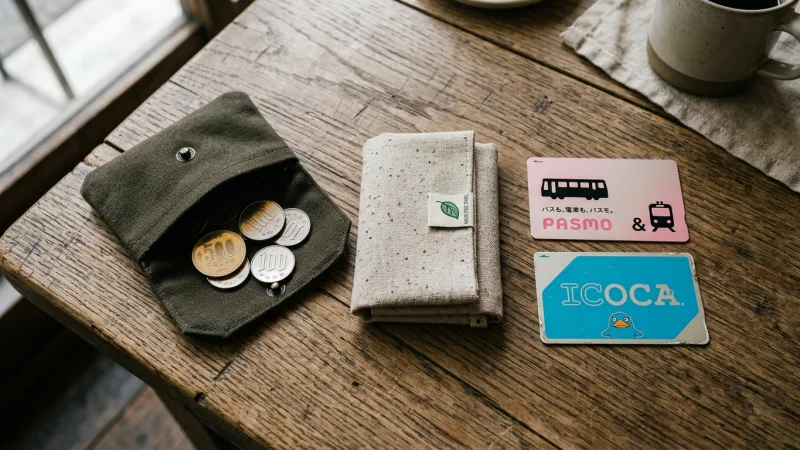
Credit cards are widely accepted in major cities, but cash remains necessary for small shops, temples, and rural areas.

How Much Cash to Carry (on you)

Per person, per day – pocket cash for small purchases.

Local: 2200
Japanese Yen (JPY)
≈ 14 USD

Average Daily Costs (per person)

Full daily spend estimation (accommodation, food, transportation, attractions).

Travel Style
Japanese Yen (JPY)
≈ USD ($)
Budget
11950
77
Mid-range
21750
139
Comfort
47850
306
Note

The Prices, Daily costs, and calculator results are estimates for planning purposes only. Actual costs may vary based on season, booking timing, personal spending habits, and currency fluctuations. TravelingWiz cannot be held responsible for discrepancies between these estimates and your final trip expenses.

Best Value Tips

  • • Eat at convenience stores like Lawson or FamilyMart for high-quality, cheap meals.
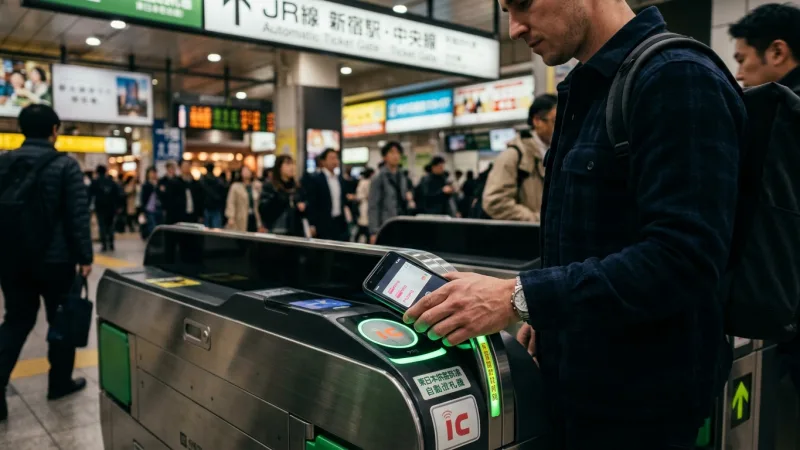
  • • Load an IC transit card for seamless payments across trains, buses, and vending machines.
  • • Take advantage of midday lunch specials at restaurants to enjoy premium dining at lower costs.
  • • Visit 100-yen shops like Daiso for budget-friendly travel supplies and souvenirs.

Travel Offers & Coupons

Browse travel offers and coupons from our affiliate partners.
Affiliate partner offers

What To Pack

Pack depending on the season and activities. Comfortable walking shoes are essential, as Japan is very walkable. Bring a lightweight umbrella for sudden rain showers, and in cooler months, layers and a warm jacket. Also, carry a small bag for storing your shoes when visiting temples or traditional inns.

Only the good stuff!
Browse recommended travel gear
Check out our free packing list tool

Recommended Itineraries for Traveling to Japan

Take your itinerary with you

Choose a ready-made itinerary, plan your own trip, and keep TravelingWiz by your side while you travel.

Get the TravelingWiz app

Maya’s Final Checklist for Japan

Logistics shouldn’t be the focus of your trip—the experience should. I’ve hand-vetted these essential partners to ensure your arrival, stay, and exploration are as smooth as an Athenian breeze.

Maya, the human travel expert at TravelingWiz, offering curated, non-AI expertise

Where to Stay

Compare accommodation options and choose a stay that suits your plans and budget.

Air Travel

Compare flight options and find a route that fits your plans.

Local Guides

Connect with local guides for personalized help planning and exploring.

Travel Protection

The “Engineer’s” rule: always have a backup. Secure your trip with a plan that covers every “what if” and unexpected change.

Car Rentals

Compare rental options and choose a car that suits your trip.

Visa Information

Don’t let paperwork slow you down. Get expert assistance with your application to ensure all your entry documents are in order.

FAQs

The best time to visit Japan is during spring (March to May) and autumn (September to November), when the weather is mild and nature is at its most beautiful.
Yes, Japan is extremely safe with low crime rates and a welcoming atmosphere for tourists.
Japan has visa-free travel agreements with several countries for short stays, but an online eVISA system is now available for many nationalities. Additionally, Japan is rolling out the JESTA (Japan Electronic System for Travel Authorization) for visa-exempt travelers by 2028, so always check the latest electronic entry requirements for your nationality before booking.
Japan uses the Japanese Yen (JPY), and cash is widely accepted, though cards are commonly used in larger cities.
Yes, many international phones work in Japan, and SIM cards and Wi-Fi rentals are available at airports.
Yes, you can safely drink tap water throughout Japan. The country enforces strict nationwide water purification and safety standards that ensure municipal tap water is completely clean and drinkable. You can comfortably refill your reusable water bottle at hotels, public fountains, and transit stations during your trip to save money and stay hydrated.
No, many traditional Japanese onsens and public baths do not permit guests with visible tattoos due to historical associations with organized crime. However, attitudes are slowly modernizing. You can look for tattoo-friendly hot springs, book a private bath (kashikiri), or use waterproof adhesive patches to conceal small tattoos before entering communal bathing areas.
Yes, you will likely need an adapter if your devices do not use standard Type A or B plugs. Japan operates strictly on 100 volts, which is lower than most international systems. While dual-voltage electronics like phones and laptops charge normally, high-draw appliances like hair dryers may require a dedicated step-up converter to function properly.
No, Japan is not as expensive as many travelers assume, especially with favorable exchange rates making dining and transport quite affordable. Costs vary significantly depending on whether you stay in luxury ryokans or budget hotels and eat at convenience stores. For up-to-date daily cost estimates and detailed price breakdowns, refer to the Budget section on this page.

Your Insights Matter

TravelingWiz grows through the stories of our community. If you’ve recently explored ,Japan share your tips and stories to help us perfect our guides for the next traveler.

Where should we send your offline card?

We hate spam just as much as you do

newsletter_consent *