Disclosure: This site contains affiliate links. We may earn a commission if you make a purchase, at no extra cost to you.

>
>
>
Chugoku
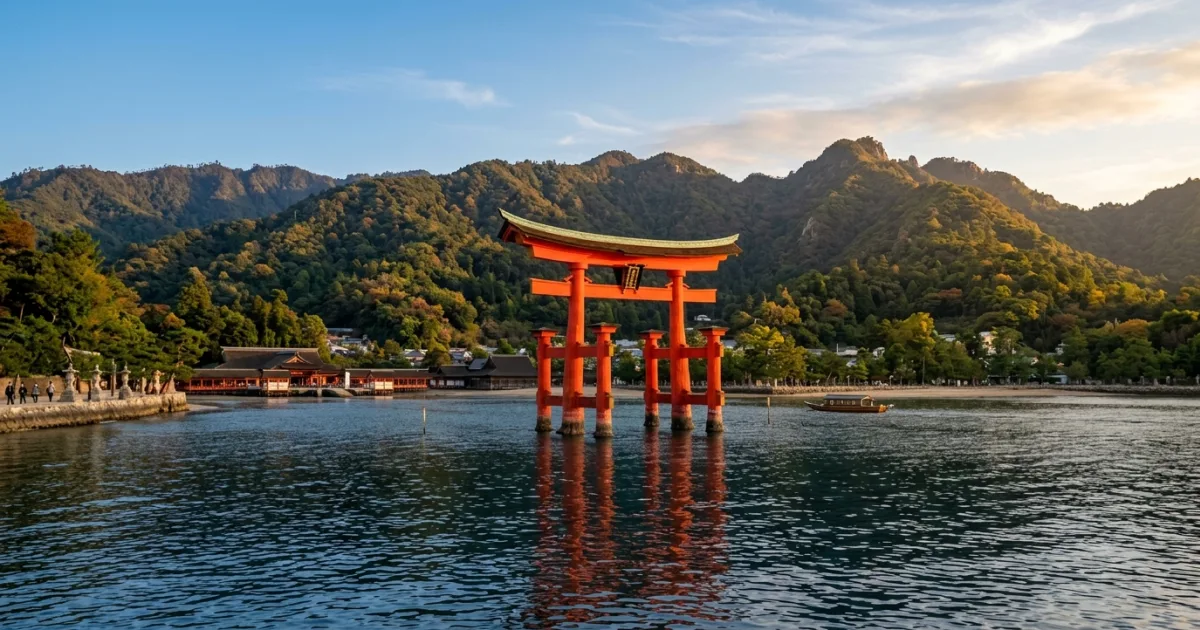
The floating red torii gate of Itsukushima Shrine in Miyajima, Chugoku

Chugoku Overview & Key Highlights

Chugoku is the westernmost region of Japan's main island, Honshu, encompassing the five distinct prefectures of Hiroshima, Okayama, Shimane, Tottori, and Yamaguchi. It offers a profound mix of poignant history, stunning coastal landscapes, and deeply rooted cultural traditions. Visitors can explore the iconic floating torii gate of Miyajima, reflect at the historic peace memorials of Hiroshima, and marvel at the vast, unexpected sand dunes of Tottori. Beyond its famous landmarks, the region provides excellent opportunities for slow travel and outdoor exploration, such as cycling the spectacular Shimanami Kaido route across the Seto Inland Sea. The area is also celebrated for its culinary heritage, featuring fresh Seto Inland Sea oysters, savory Hiroshima-style okonomiyaki, and premium regional sake. With its highly efficient public transportation and welcoming atmosphere, Chugoku serves as an ideal destination for travelers seeking an authentic Japanese experience away from the heavily crowded golden route.

Chugoku Travel Guide: Logistics & In-Depth Tips

The Chugoku region is geographically divided by the Chugoku Mountains into two distinct areas: the sunny, industrialized San'yo region to the south, and the rugged, historically rich San'in region to the north. The San'yo coast, easily accessible via the Tokaido-Sanyo Shinkansen, is home to major urban centers like Hiroshima and Okayama. Here, visitors can experience the poignant history of the Atomic Bomb Dome, the serene beauty of Okayama's Korakuen Garden, and the picturesque cycling routes of the Seto Inland Sea.

In contrast, the San'in coast offers a journey back in time. It is a region steeped in Japanese mythology, home to Izumo Taisha, one of Japan's oldest and most important Shinto shrines. Visitors to San'in can also explore the remarkably preserved samurai districts of Hagi, the stunning Adachi Museum of Art gardens, and the unexpected desert-like landscapes of the Tottori Sand Dunes. Together, these two halves of Chugoku provide a comprehensive and deeply rewarding Japanese travel experience.

Reasons to Visit

  • Hiroshima Peace Memorial Park: A deeply moving UNESCO World Heritage site dedicated to peace and the memory of the 1945 atomic bombing.
  • Miyajima Island: Famous for its friendly roaming deer and the iconic Itsukushima Shrine, whose red torii gate appears to float on the water at high tide.
  • Tottori Sand Dunes: Japan's largest sand dunes, offering camel rides and stunning views over the Sea of Japan.
  • Izumo Taisha: One of Japan's most ancient and significant Shinto shrines, deeply connected to the country's creation myths.
  • Shimanami Kaido: A world-renowned 60-kilometer cycling route connecting Honshu to Shikoku across a series of spectacular suspension bridges and islands.

Things to Avoid

  • Disrespecting Memorials: Maintain a quiet and respectful demeanor when visiting the Peace Memorial Park and Museum in Hiroshima.
  • Tipping: Tipping is not customary in Japan and can cause confusion or embarrassment. Excellent service is included in the price.
  • Ignoring Rural Transit Schedules: Trains and buses in the northern San'in region run infrequently. Always check schedules in advance to avoid being stranded.
  • Eating While Walking: Except for specific street food areas or festivals, walking while eating is generally considered impolite in Japan.

Local Transportation Tips

The southern San'yo coast of Chugoku is exceptionally well-connected by the Sanyo Shinkansen (bullet train), making travel between Okayama, Hiroshima, and Yamaguchi incredibly fast and efficient. For exploring the northern San'in coast (Tottori and Shimane), travelers rely on limited express trains and local buses, which are scenic but slower and less frequent. Renting a car is highly recommended for exploring the rural and coastal areas of San'in, as it provides the flexibility to visit remote shrines, coastal viewpoints, and hidden hot springs.

Travel Etiquette

  • Bowing: A slight bow is the standard greeting and expression of gratitude.
  • Shoes Off: Always remove your shoes when entering a home, a traditional ryokan, temple halls, and certain restaurants. Look for a step up and provided slippers.
  • Quiet on Transit: Keep your voice down and set your phone to silent mode while riding trains and buses. Taking phone calls on public transit is frowned upon.
  • Chopstick Manners: Never stick your chopsticks vertically into a bowl of rice, and do not pass food directly from your chopsticks to someone else's.

Recommended Age Group

Chugoku offers a diverse range of experiences that cater well to almost all age groups, balancing modern infrastructure with deep historical roots.

  • Babies (0-2 years): Neutral. While Japan is very safe and clean, navigating crowded trains or rural shrines with a stroller can be challenging. Baby-changing facilities are excellent in cities but sparse in rural areas.
  • Kids (3-12 years): Recommended. Children will love the friendly deer on Miyajima, exploring ancient castles, and the novelty of the Tottori Sand Dunes.
  • Teens (13-19 years): Recommended. Teens will appreciate the independence of safe public transit, the vibrant shopping arcades in Hiroshima, and the active adventure of cycling the Shimanami Kaido.
  • Adults (20-64 years): Recommended. Perfect for adults seeking a mix of profound history, culinary exploration, scenic road trips, and relaxing hot spring retreats.
  • Seniors (65+ years): Recommended. The region offers excellent slow travel opportunities, world-class gardens, and highly respectful hospitality, though some historical sites may involve uneven stairs.

Accessibility Level: High

  • Public Transit: Major train stations, including all Shinkansen stops in Chugoku, are highly accessible with elevators and tactile paving.
  • Attractions: Modern museums like the Hiroshima Peace Memorial Museum are fully wheelchair accessible. However, historical sites like ancient castles (which often lack elevators) and rural shrines may present significant barriers with steep, uneven stone steps.
  • Accommodation: Western-style hotels in cities offer accessible rooms. Traditional ryokans are increasingly offering barrier-free rooms with beds instead of futons, but it is crucial to confirm in advance.

Did You Know?

According to Japanese mythology, every November, all the Shinto gods from across Japan leave their local shrines and gather at Izumo Taisha in Shimane Prefecture. Because of this, November is known in the rest of Japan as 'Kannazuki' (the month without gods), but in Izumo, it is called 'Kamiarizuki' (the month with gods).

Cool Statistics

  • Chugoku consists of 5 prefectures: Hiroshima, Okayama, Shimane, Tottori, and Yamaguchi.
  • Hiroshima Prefecture alone is home to two UNESCO World Heritage sites: the Atomic Bomb Dome and Itsukushima Shrine.
  • The Tottori Sand Dunes span roughly 16 kilometers of coast along the Sea of Japan and are up to 50 meters high.
  • The Shimanami Kaido cycling route crosses 6 islands and 6 bridges over the Seto Inland Sea.

Address:

Chugoku, Japan

Find Nearby Accommodations

Basic Info

address icon

COUNTRY & Region

Japan,
Asia

ACCESSIBILITY LEVEL​

High
Currency icon

LOCAL CURRENCY​

Japanese Yen (JPY)
Price level icon
Medium
Safety Level icon

SAFETY LEVEL

Duration icon

Recommended Duration

• 1-7 days
• More than a week

Electricity

electricity icon

Electricity

110-120V, 
60Hz
Plug Socket icon

Plug Type

• Type A (Flat blade)
• Type B (Flat blade with grounding pin)
Plug types
Click To View Plug Types
Chugoku is part of our
Accessible Travel collection

Things To Do In Chugoku

Total: 6

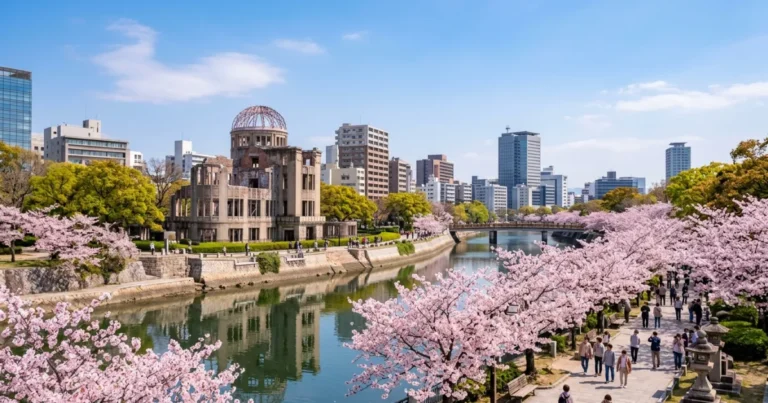
Hiroshima A-Bomb Dome surrounded by cherry blossoms in spring
Hiroshima has 2 UNESCO World Heritage sites. Plan your Peace Park & Miyajima itinerary with this expert 2026 guide.

Activities To Do In Chugoku

Best Time To Visit Chugoku

The best times to visit Chugoku are during the spring (March to May) and autumn (September to November). Spring brings mild weather and spectacular cherry blossoms, particularly beautiful around regional castles and parks. Autumn offers crisp air, clear skies, and vibrant fall foliage, making it ideal for hiking and outdoor sightseeing.

  • Spring (March - May): Perfect for cherry blossom viewing and comfortable outdoor exploration.
  • Summer (June - August): Hot, humid, and rainy in June/July. August brings vibrant summer festivals and fireworks, though it remains very warm.
  • Autumn (September - November): Excellent weather and stunning autumn colors, especially in the mountains and traditional gardens.
  • Winter (December - February): Mild on the southern San'yo coast, but cold with heavy snowfall on the northern San'in coast, perfect for hot springs (onsen) and winter seafood.

Average Temperatures Per Month

Remember to check the weather forecast a few days before the trip and before heading to the airport.

Safety Level icon

Safety Level

Chugoku, like the rest of Japan, is extremely safe with very low crime rates. Solo female travelers can feel secure walking at night in major cities. The primary safety concerns are natural, such as typhoons in late summer and early autumn, or occasional earthquakes. Always pay attention to local weather warnings and familiarize yourself with your hotel's evacuation routes.

The rating is based on multi-year peace, crime, and security indices. Before you go, always verify current conditions through official government travel advisories.

Emergency Numbers

Police: 110
Ambulance: 119

No internet needed • Includes local translations • Free for TravelingWiz readers

Spoken Languages

Japanese is the primary language. English is reasonably understood in major tourist hubs like Hiroshima City and Miyajima, but proficiency drops significantly in rural areas and the northern San'in region. Having a translation app is highly recommended.

Learn The Language

  • Konnichiwa: Hello
  • Arigatou gozaimasu: Thank you very much
  • Sumimasen: Excuse me / I’m sorry
  • Eigo o hanasemasu ka?: Can you speak English?
  • Kore wa ikura desu ka?: How much is this?
  • Toire wa doko desu ka?: Where is the toilet?
  • Oishii desu: It’s delicious
  • Onegai shimasu: Please (when requesting something)
Travel Booking Partner - TravelingWiz

Trip Cost & Budgeting for Chugoku, 2026

Everything you need to know about money while traveling

Is Chugoku expensive for tourists in 2026? Compared to Tokyo or Kyoto, Chugoku offers great value for travelers exploring western Japan. Based on Human Verified prices, you can expect to pay around 440 JPY for a cappuccino, 425 JPY for a domestic beer, and 2,500 JPY for a sit-down meal. Accommodation and transit costs remain moderate throughout Hiroshima and Okayama. Use the data table below to calculate your specific daily budget based on your travel style.

Currency icon

LOCAL CURRENCY​:

Japanese Yen (JPY)
Price level icon
Medium
Credit cards are widely accepted in major cities, hotels, and large department stores. However, carrying cash (Japanese Yen) is still essential for traveling in rural areas, paying at small shrines, using local buses, and dining at traditional, family-run eateries.

Per person, per day – pocket cash for small purchases.

Local: 1800
Japanese Yen (JPY)
≈ 11 USD

Full daily spend estimation (accommodation, food, transportation, attractions).

Travel Style
Japanese Yen (JPY)
≈ USD ($)
Budget
9900
62
Mid-range
18000
113
Comfort
39600
248

The Prices, Daily costs, and calculator results are estimates for planning purposes only. Actual costs may vary based on season, booking timing, personal spending habits, and currency fluctuations. TravelingWiz cannot be held responsible for discrepancies between these estimates and your final trip expenses.

  • Utilize Regional JR Passes: Look into JR West regional passes (like the Kansai-Hiroshima Area Pass or San'in-Okayama Area Pass) which often provide better value than the nationwide JR Pass if you are focusing solely on western Japan.
  • Eat Local: Dine at okonomiyaki stalls, local izakayas, and udon shops for delicious, filling, and budget-friendly meals.
  • Convenience Stores: Japanese convenience stores (konbini) offer high-quality, inexpensive options for breakfast, snacks, and drinks.
  • Free Attractions: Many significant sites, such as the Hiroshima Peace Memorial Park and various coastal viewpoints, are completely free to visit.

Pre-Order Tickets

Avoid disappointment when tickets sell out — and skip the long lines by booking online in advance. You’ll often save up to 20% too.
Save up to 20%

Travel Discounts & Coupons

Save on hotels, attractions, transport, and gear — find verified discounts for smarter travel spending.
Verified Coupons

What To Pack

  • Comfortable Walking Shoes: Essential for exploring expansive gardens, castle grounds, and shrine complexes.
  • Seasonal Layers: Summers are hot and humid, while winters can be chilly, especially along the northern San'in coast where snow is common.
  • Slip-on Shoes: Convenient for frequently removing footwear when entering temples, traditional ryokans, and some restaurants.
  • Small Hand Towel: Useful for drying hands in public restrooms that may not provide paper towels.
  • Universal Power Adapter: To ensure your electronics fit Japan's Type A/B outlets.
  • Japan Rail Pass Voucher: If purchased beforehand, essential for unlimited travel on JR trains, including the Shinkansen.
We couldn't find tips for Chugoku.
If you got any, please share

Recommended Itineraries for Traveling to Chugoku

We couldn't find itineraries for Chugoku.
you can contact us for custom trip plan

Food & Drink Highlights

Local Food Overview

Chugoku's culinary landscape is heavily influenced by its geography, bordered by the Sea of Japan to the north and the Seto Inland Sea to the south. The region is famous for its exceptionally fresh seafood, particularly plump oysters from Hiroshima and snow crab from Tottori. Inland, you will find hearty comfort foods, unique regional noodles, and some of Japan's finest sake, brewed using pristine local water and high-quality rice.
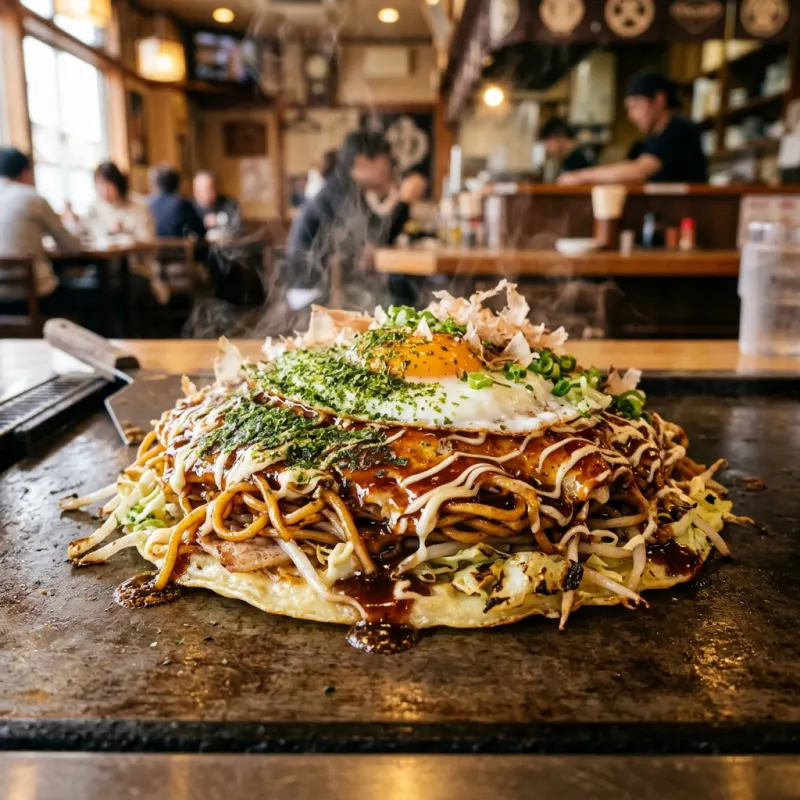
Hiroshima-style Okonomiyaki on a hot teppan grill

Must Try Dish

Hiroshima-style Okonomiyaki - A savory, layered pancake featuring a base of batter topped with generous amounts of cabbage, pork, yakisoba noodles, and a fried egg. It is finished with a rich, sweet and savory sauce, aonori (seaweed flakes), and sometimes fresh local oysters.
Food Experiences Title Icon

Food
Experiences

Discover cooking classes, tastings and local food tours

No food experience found
Maya, the human travel expert at TravelingWiz, offering curated, non-AI expertise

Maya’s Final Checklist for Chugoku

Logistics shouldn’t be the focus of your trip—the experience should. I’ve hand-vetted these essential partners to ensure your arrival, stay, and exploration are as smooth as an Athenian breeze.

Where to Stay

From boutique hotels to local apartments—compare thousands of options and find the perfect stay in the best neighborhood.

Air Travel

Getting there should be seamless. Compare the best routes and prices across top airlines to start your journey on the right note.

Local Guides

Connect with experts who know the destination best. Get personalized advice and insider tips to help you plan your perfect trip.

Travel Protection

The “Engineer’s” rule: always have a backup. Secure your trip with a plan that covers every “what if” and unexpected change.

Car Rentals

Explore at your own pace with total freedom. Compare reliable rental options and find the right vehicle for your adventure.

Visa Services

Don’t let paperwork slow you down. Get expert assistance with your application to ensure all your entry documents are in order.

FAQs

It depends on your itinerary. If you are traveling from Tokyo or Kyoto to Hiroshima and back, the nationwide pass usually pays off. However, if you are only exploring western Japan, regional JR West passes are often much more cost-effective.
San’yo refers to the southern, highly developed coastal area facing the Seto Inland Sea (Hiroshima, Okayama, Yamaguchi), known for sunny weather and the Shinkansen line. San’in is the northern coast facing the Sea of Japan (Shimane, Tottori), characterized by a more rugged, rural, and traditional atmosphere with heavier winter snow.
A minimum of 3 to 4 days is recommended to see the highlights of Hiroshima, Miyajima, and Okayama. To explore the northern San’in coast and cycle the Shimanami Kaido, plan for 7 to 10 days.

Your Insights Matter

TravelingWiz grows through the stories of our community. If you’ve recently explored ,Chugoku share your tips and stories to help us perfect our guides for the next traveler.

Related Articles

Check out our related articles and blog posts to learn even more about the destination.

No related articles found

Don’t Travel Alone

Share with your friends and family

Where should we send your offline card?

We hate spam just as much as you do

newsletter_consent *