

Low – budget‑friendly basics
Medium – moderate mid‑range costs
High – pricey lodging, dining & transport
Disclosure: This site contains affiliate links. We may earn a commission if you make a purchase, at no extra cost to you.
Low – budget‑friendly basics
Medium – moderate mid‑range costs
High – pricey lodging, dining & transport
5 shields = Excellent – very low crime or conflict.
4 shields = Safe – low risk, routine care.
3 shields = Relatively safe – use normal street smarts.
2 shields = Use caution – higher crime or periodic unrest.
1 shields = Avoid – active conflict or extreme danger.
Scores are derived from multi-year peace, homicide and security indices blended into a single 1-to-5 scale.
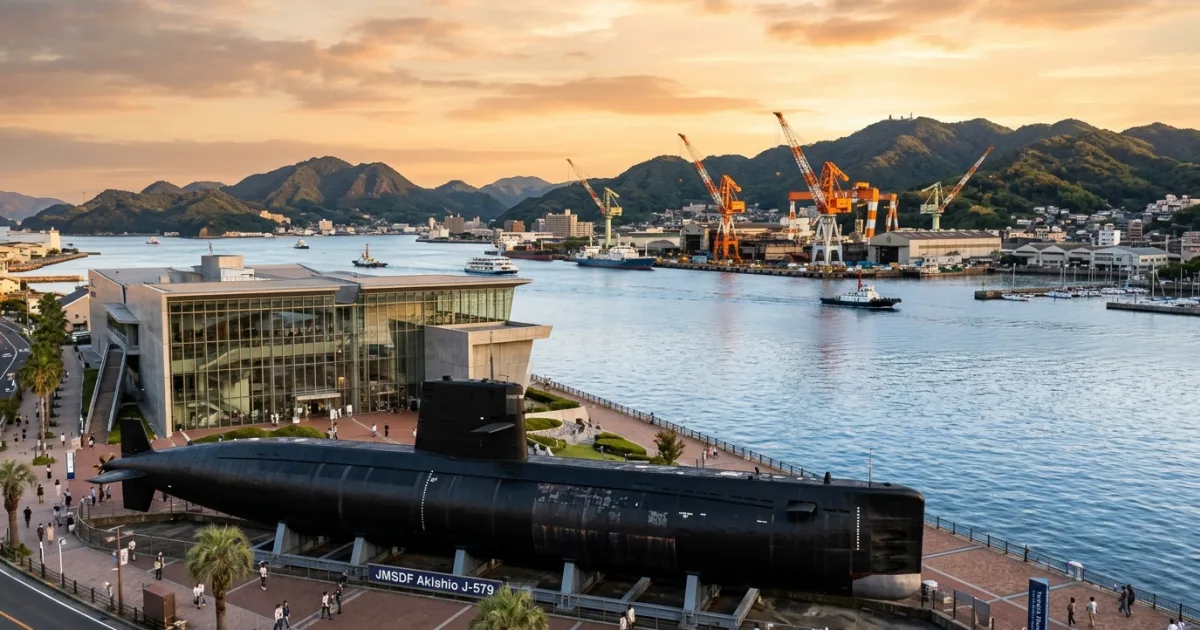
Kure is a storied coastal city situated along the scenic Seto Inland Sea in Hiroshima Prefecture. Historically recognized as one of Imperial Japan's four primary naval arsenals, the city served as the birthplace of the famed WWII battleship Yamato. Today, Kure seamlessly marries its heavy industrial legacy with the tranquil rhythm of an authentic port community, anchoring its tourism around peerless naval engineering exhibits and panoramic harbor views. Visitors are immediately drawn to the waterfront district, where the Yamato Museum showcases a precision 1:10 scale model of the eponymous battleship and the JMSDF Kure Museum lets guests tour a retired, full-sized diesel-electric submarine mounted on land. Beyond its military chronicles, Kure offers scenic winding straits like Ondo no Seto, access to the island bridges of the Akinada Tobishima Kaido, and distinctive regional dishes such as Kure Kaiji naval curry and chilled Kure reimen noodles.
Perched along the protected waters of Hiroshima Bay, Kure rose to global prominence during the Meiji era when it was designated an Imperial naval district in 1889. The sheltered deep-water harbor allowed Japan to construct cutting-edge shipyards, docks, and arsenals, culminating in the secret engineering of the Battleship Yamato during World War II. After the war, Kure pivoted its industrial mastery into commercial shipbuilding, helping power Japan's postwar economic miracle.
Today, Kure offers travelers a unique blend of historical introspection and active maritime discovery. Unlike conventional tourist circuits, Kure's appeal lies in its authentic dockyard atmosphere, where modern frigates and submarines rest alongside monumental museum spaces. The compact downtown grid makes exploring effortless, leading visitors from shipyards to hillside vantage points overlooking the islands of the Seto Inland Sea.
Kure is exceptionally easy to navigate on foot from its primary transport hub, JR Kure Station. An elevated pedestrian walkway connects the train station directly to the Youme Town shopping complex, the Yamato Museum, and the JMSDF Museum within a 5-to-10-minute stroll. For attractions further afield, such as Ondo no Seto or Alley Karasuko-jima, reliable municipal buses operated by Hiroshima Dentetsu (Hiroden) depart regularly from the bus terminal outside Kure Station's south exit.
Kure provides accessible infrastructure and educational attractions suited for a wide variety of age demographics.
Kure was the setting for the critically acclaimed, award-winning anime film 'In This Corner of the World' (Kono Sekai no Katasumi ni), which meticulously recreated the daily lives, hillsides, and harbor architecture of wartime Kure.

Kure enjoys a temperate Seto Inland Sea climate with mild winters and warm summers.
| Month | °C | °F |
|---|---|---|
| Jan | 6 | 43 |
| Feb | 7 | 45 |
| Mar | 11 | 52 |
| Apr | 15 | 59 |
| May | 19 | 66 |
| Jun | 23 | 73 |
| Jul | 27 | 81 |
| Aug | 29 | 84 |
| Sep | 25 | 77 |
| Oct | 19 | 66 |
| Nov | 14 | 57 |
| Dec | 7 | 45 |
Remember to check the weather forecast a few days before the trip and before heading to the airport.
5 shields = Excellent – very low crime or conflict.
4 shields = Safe – low risk, routine care.
3 shields = Relatively safe – use normal street smarts.
2 shields = Use caution – higher crime or periodic unrest.
1 shields = Avoid – active conflict or extreme danger.
Scores are derived from multi-year peace, homicide and security indices blended into a single 1-to-5 scale.
The rating is based on multi-year peace, crime, and security indices. Before you go, always verify current conditions through official government travel advisories.
No internet needed • Includes local translations • Free for TravelingWiz readers

Low – budget‑friendly basics
Medium – moderate mid‑range costs
High – pricey lodging, dining & transport
Per person, per day – pocket cash for small purchases.
Full daily spend estimation (accommodation, food, transportation, attractions).
Travel Style | Japanese Yen (JPY) | ≈ USD ($) |
|---|---|---|
Budget | 8000 | 50 |
Mid-range | 14500 | 95 |
Comfort | 31900 | 185 |
The Prices, Daily costs, and calculator results are estimates for planning purposes only. Actual costs may vary based on season, booking timing, personal spending habits, and currency fluctuations. TravelingWiz cannot be held responsible for discrepancies between these estimates and your final trip expenses.
Choose a ready-made itinerary, plan your own trip, and keep TravelingWiz by your side while you travel.
Get the TravelingWiz app →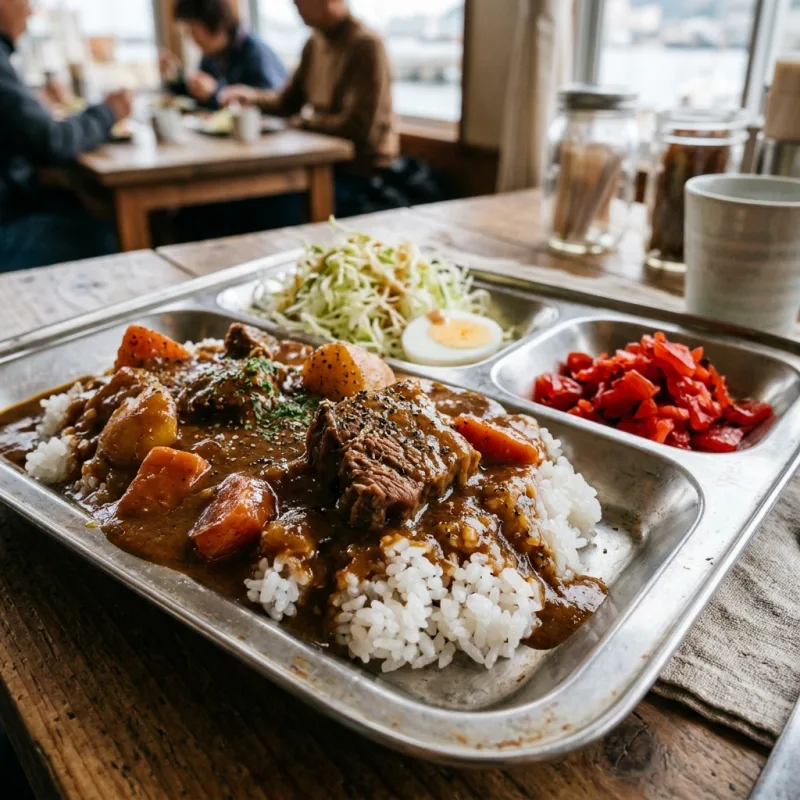
Discover cooking classes, tastings and local food tours
Logistics shouldn’t be the focus of your trip—the experience should. I’ve hand-vetted these essential partners to ensure your arrival, stay, and exploration are as smooth as an Athenian breeze.

Compare accommodation options and choose a stay that suits your plans and budget.
Connect with local guides for personalized help planning and exploring.
The “Engineer’s” rule: always have a backup. Secure your trip with a plan that covers every “what if” and unexpected change.
Don’t let paperwork slow you down. Get expert assistance with your application to ensure all your entry documents are in order.
Check out our related articles and blog posts to learn even more about the destination.
Share with your friends and family
