Hiroshima Prefecture stands as a global symbol of resilience and lasting peace, welcoming international travelers with warm hospitality and serene natural beauty. Flanked by the Chugoku Mountain range to the north and the Seto Inland Sea to the south, the territory blends dynamic urban revival with poetic historic districts. The city center features tree-lined boulevards and vintage streetcars running alongside reflective rivers, creating a relaxed pace uncommon in larger Japanese metropolises.
Beyond the reflective solemnity of the Hiroshima Peace Memorial Museum and the world-renowned Genbaku Dome, the prefecture unfolds into tranquil coastal hamlets, sacred forested shrines, and vibrant market arcades. From sampling freshly steamed Momiji Manju on the shorelines of Itsukushima to pedaling across architectural suspension bridges over azure sea channels, Hiroshima provides a layered journey through Japanese culture, gastronomy, and enduring spirit.
Reasons to Visit
- Two distinct UNESCO World Heritage sites: the Peace Memorial (Genbaku Dome) and Itsukushima Shinto Shrine.
- The Shimanami Kaido, widely regarded as one of the world's most scenic island-to-island cycling routes.
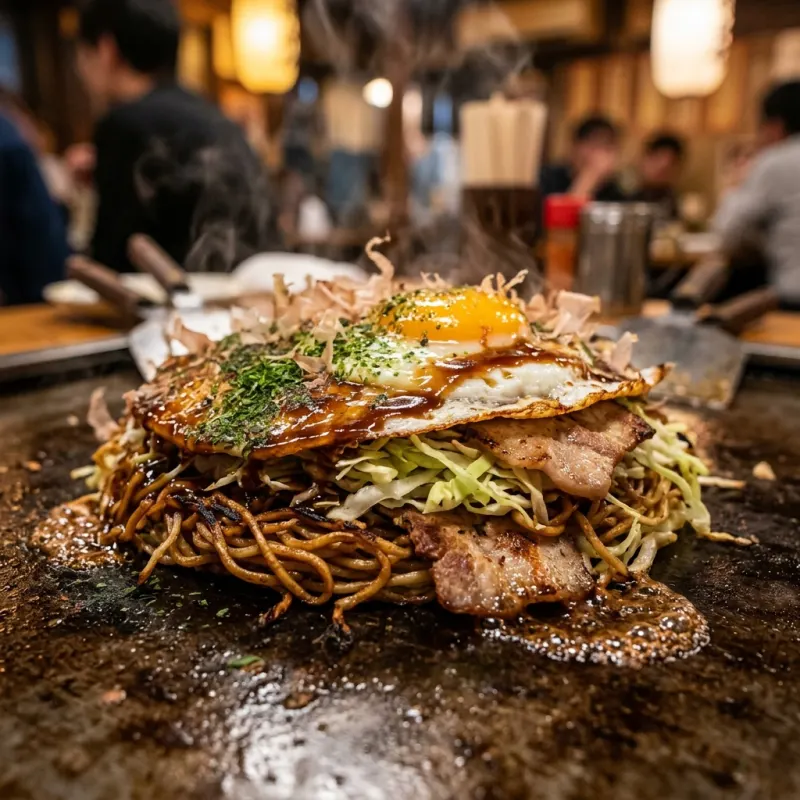
- Exceptional culinary heritage starring layered okonomiyaki, Seto Inland Sea oysters, and Saijo craft sake.
- Convenient connectivity via the Sanyo Shinkansen high-speed bullet train line.
- Charming historic coastal towns like Onomichi and Tomonoura steeped in maritime history and cinematic lore.
Things to Avoid
- Avoid touching, chasing, or feeding plastic wrappers to the sacred wild sika deer on Miyajima Island.
- Do not talk loudly, run, or take disrespectful selfies within the Peace Memorial Park and cenotaph grounds.
- Avoid calling Hiroshima-style okonomiyaki simply 'okonomiyaki' in front of passionate local griddle chefs; always respect the distinct regional layering method.
- Avoid boarding local trams without small change or an IC transit card (such as ICOCA or Suica).
Local Transportation Tips
Hiroshima Prefecture boasts one of the most efficient transit networks in Japan. The Hiroshima Electric Railway (Hiroden) operates the largest streetcar network in the country, connecting Hiroshima Station with city attractions and the Miyajimaguchi ferry port. JR regional trains link urban centers like Kure, Saijo, and Onomichi, while express highway buses serve mountainous northern regions. To cross between coastal islands, local roll-on/roll-off passenger ferries operate on frequent, punctual schedules.
Travel Etiquette
- Remove your shoes when entering traditional ryokans, temple halls, and restaurants with tatami flooring.
- Do not stick your chopsticks vertically into a bowl of rice; place them horizontally on the provided ceramic rest.
- Maintain quiet composure and silence mobile phones when traveling on streetcars, local buses, and trains.
- Bow slightly when greeting shopkeepers or expressing gratitude for service.
Recommended Age Group
Hiroshima Prefecture offers diverse activities across history, coastal nature, and accessible urban transit suitable for varied life stages.
- Babies (0-2 years): Neutral. Clean streets and accessible transit ease navigation, though crowded streetcars and ferry boarding ramps can require folding strollers frequently.
- Kids (3-12 years): Recommended. Children love riding the nostalgic streetcars, meeting wild deer on Miyajima, and exploring hands-on maritime exhibits at the Yamato Museum in Kure.
- Teens (13-19 years): Recommended. High educational value at the Peace Memorial Museum combined with outdoor adventures like sea kayaking and Shimanami Kaido cycling makes it deeply engaging.
- Adults (20-64 years): Recommended. An optimal mix of profound cultural history, hiking trails on Mount Misen, sake brewery tours in Saijo, and bustling izakaya nightlife.
- Seniors (65+ years): Recommended. Flat riverside promenades, barrier-free access around primary monuments, and serene ryokan stays ensure a relaxed travel rhythm.
Accessibility Level: Medium
- The Hiroshima Peace Memorial Museum, Hiroshima Station, and Miyajima ferry terminals offer full elevator access and step-free routes.
- Hiroden operates low-floor Green Mover accessible streetcars on major central transit corridors.
- Paved, flat walkways flank the Motoyasu River and Peace Memorial Park, accommodating manual and electric wheelchairs with ease.
Did You Know?
The iconic Great Torii Gate of Itsukushima Shrine appears to float on the Seto Inland Sea at high tide, but at low tide, the ocean recedes completely, allowing visitors to walk across the sandy seabed directly up to its massive camphor-wood pillars.
Cool Statistics
- Home to over 50 individual sake breweries, producing some of Western Japan's most refined rice wines.
- Supplies more than 60% of Japan's domestic cultured oyster harvest.
- The Shimanami Kaido bike trail spans approximately 70 kilometers across six islands and seven dramatic bridges.






Buy a compatible power adapter for your trip