Disclosure: This site contains affiliate links. We may earn a commission if you make a purchase, at no extra cost to you.

>
>
>
>
Hiroshima
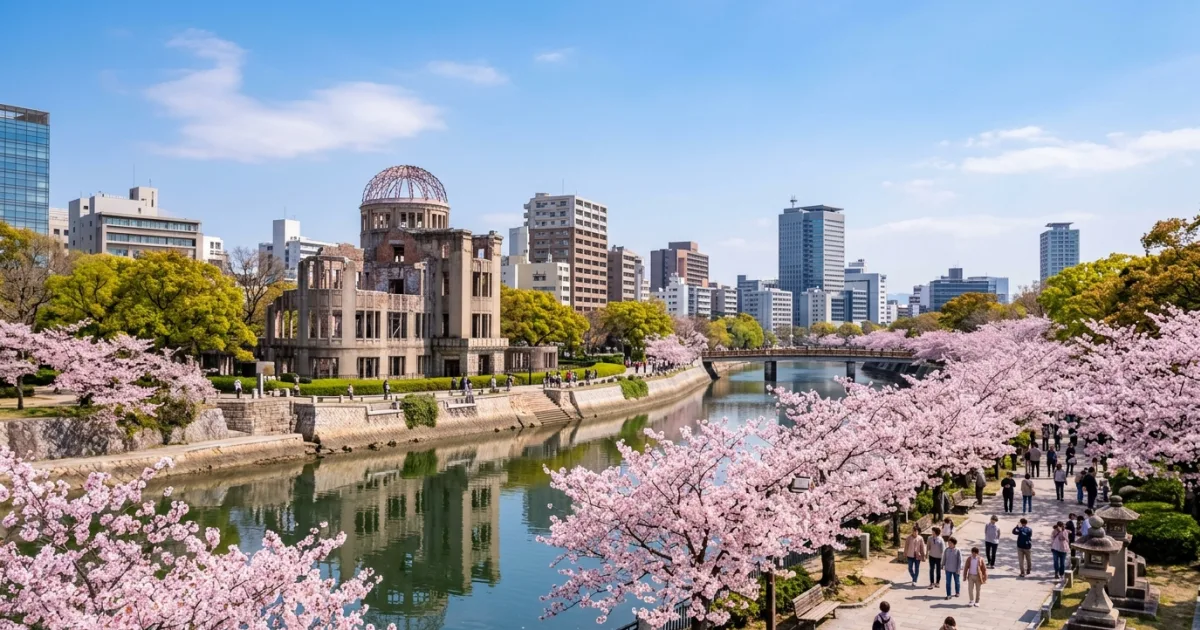
Hiroshima A-Bomb Dome surrounded by cherry blossoms in spring

Hiroshima Overview & Key Highlights

Hiroshima is a vibrant, modern city in the Chugoku region of Japan, globally recognized for its tragic history and remarkable resilience. Rebuilt entirely after the atomic bombing in 1945, the city now stands as a powerful symbol of peace, featuring wide boulevards, lush parks, and the poignant Peace Memorial Park. Visitors are drawn to the UNESCO World Heritage-listed A-Bomb Dome, which serves as a stark reminder of the past, alongside the beautifully reconstructed Hiroshima Castle and the serene Shukkeien Garden. Beyond its historical significance, Hiroshima offers a thriving culinary scene, most notably its signature savory pancake, Hiroshima-style okonomiyaki. Just a short ferry ride from the city center lies Miyajima Island, home to the iconic floating torii gate of Itsukushima Shrine, another UNESCO World Heritage site. The city's efficient streetcar network makes navigating between these major attractions both easy and affordable. Whether you are exploring the poignant museums, interacting with the friendly wild deer on Miyajima, or savoring local oysters, Hiroshima provides a deeply moving and culturally rich experience. The city's transformation from a site of devastation to a beacon of hope makes it an essential destination for any traveler to Japan.

Hiroshima Travel Guide: Logistics & In-Depth Tips

Hiroshima seamlessly blends its profound historical legacy with a vibrant, forward-looking energy. The city's layout is defined by its six rivers, which flow into the Seto Inland Sea, earning it the nickname 'City of Water.' Visitors can spend their mornings reflecting at the Peace Memorial Museum, afternoons strolling through the meticulously landscaped Shukkeien Garden, and evenings enjoying the bustling nightlife in the Nagarekawa district. The local culture is deeply tied to its culinary specialties, particularly oysters harvested fresh from the bay and the ubiquitous okonomiyaki. Beyond the city limits, the Chugoku region offers stunning coastal views and mountainous terrain, making Hiroshima an excellent base for broader exploration.

Reasons to Visit

  • Historical Significance: Pay respects at the Peace Memorial Park and Museum, offering a profound look at the impact of the atomic bomb and the city's dedication to global peace.
  • Miyajima Island: Witness the breathtaking 'floating' torii gate of Itsukushima Shrine, one of Japan's most iconic views.
  • Culinary Delights: Savor Hiroshima-style okonomiyaki and fresh Seto Inland Sea oysters.
  • Resilient Beauty: Explore the reconstructed Hiroshima Castle and the beautiful Shukkeien Garden, symbols of the city's rebirth.
  • Accessible Transit: Navigate easily using Japan's largest streetcar network, adding a nostalgic charm to your commute.

Things to Avoid

  • Avoid being loud or disrespectful in the Peace Memorial Park; it is a place of solemn reflection.
  • Do not feed the wild deer on Miyajima Island anything other than approved deer crackers, and watch out for them trying to eat paper maps or tickets.
  • Avoid taking up priority seating on streetcars and trains if you do not need it.
  • Do not leave chopsticks sticking vertically out of a bowl of rice, as this resembles a funeral ritual.
  • Avoid traveling during the Golden Week holidays (late April to early May) if you dislike massive crowds and fully booked accommodations.

Local Transportation Tips

Hiroshima boasts Japan's most extensive tram network, operated by Hiroden. These streetcars are the most convenient way to navigate the city center, with flat fares for inner-city travel. For tourists, the 'Meipuru-pu' (Maple-oop) sightseeing bus connects major attractions and is free for Japan Rail (JR) Pass holders. To reach Miyajima, take a local JR train or streetcar to Miyajimaguchi Station, followed by a short 10-minute ferry ride. Taxis are readily available but more expensive, while walking is highly recommended in the flat, pedestrian-friendly downtown area.

Travel Etiquette

  • Bow slightly when greeting locals or expressing gratitude.
  • Remove your shoes when entering traditional ryokans, temples, or certain restaurant seating areas.
  • Keep your phone on silent mode while riding public transportation and avoid talking on the phone.
  • Wait for passengers to exit the streetcar or train before boarding.
  • Do not tip at restaurants or hotels; exceptional service is standard and tipping can cause confusion.

Recommended Age Group

Hiroshima is a welcoming and highly accessible destination suitable for travelers of all ages.

  • Babies (0-2 years): Recommended. Japan is highly accommodating with clean facilities, nursing rooms in department stores, and flat, stroller-friendly paths in major parks.
  • Kids (3-12 years): Recommended. Children will enjoy the ferry ride to Miyajima, interacting with the tame deer, and exploring the interactive exhibits at the Hiroshima Children's Museum.
  • Teens (13-19 years): Recommended. The historical significance of the Peace Memorial Museum provides a profound educational experience, while the bustling Hondori shopping arcade offers great food and fashion.
  • Adults (20-64 years): Recommended. Adults can fully appreciate the deep historical context, vibrant nightlife, local sake breweries, and exceptional culinary offerings.
  • Seniors (65+ years): Recommended. The city's flat terrain, excellent public transportation, and accessible major sites make it a comfortable and enriching destination for older travelers.

Accessibility Level: High

  • Hiroshima is highly accessible, with flat terrain throughout the city center and Peace Memorial Park.
  • The Peace Memorial Museum is fully wheelchair accessible, featuring ramps, elevators, and accessible restrooms.
  • Most Hiroden streetcars are low-floor models, allowing easy boarding for wheelchair users and strollers.
  • Miyajima Island's main paths and the Itsukushima Shrine are mostly flat and accessible, though some traditional shops may have a small step at the entrance.
  • Tactile paving is prevalent on sidewalks and at transit stations to assist visually impaired travelers.

Did You Know?

Did you know that Hiroshima's streetcar network includes vintage trams donated from other cities around the world, as well as a few original cars that survived the 1945 atomic bombing and are still in operation today?

Cool Statistics

  • Population: Approximately 1.19 million residents.
  • Reconstruction: The city's population returned to its pre-war level by 1958, just 13 years after the bombing.
  • Oyster Production: Hiroshima accounts for over 60% of Japan's total oyster production.
  • Streetcars: The Hiroden network serves over 100,000 passengers daily across 35 kilometers of track.
  • World Heritage Sites: Home to two UNESCO sites: the A-Bomb Dome and Itsukushima Shrine.

Address:

Hiroshima, Japan

Find Nearby Accommodations

Basic Info

address icon

COUNTRY & Region

Japan,
Asia

ACCESSIBILITY LEVEL​

High
Currency icon

LOCAL CURRENCY​

Japanese Yen (JPY)
Price level icon
Medium
Safety Level icon

SAFETY LEVEL

Duration icon

Recommended Duration

• Full day
• 1-7 days

Electricity

electricity icon

Electricity

100-110V, 
60Hz
Plug Socket icon

Plug Type

• Type A (Flat blade)
• Type B (Flat blade with grounding pin)
Plug types
Click To View Plug Types
Hiroshima is part of our
Accessible Travel collection

Activities To Do In Hiroshima

Best Time To Visit Hiroshima

The best times to visit Hiroshima are during the spring (March to May) and autumn (September to November).

  • Spring: Cherry blossoms bloom in late March to early April, making the Peace Memorial Park incredibly scenic.
  • Autumn: October and November offer mild weather and stunning fall foliage, particularly at Shukkeien Garden and Miyajima.
  • Summer: June to August is hot, humid, and rainy, though August 6th marks the solemn Peace Memorial Ceremony.
  • Winter: December to February is chilly but generally mild, with fewer crowds and excellent oyster harvesting season.

Average Temperatures Per Month

Remember to check the weather forecast a few days before the trip and before heading to the airport.

Safety Level icon

Safety Level

Hiroshima is exceptionally safe for travelers, with very low crime rates. Standard precautions apply: keep an eye on your belongings in crowded areas like Hondori shopping arcade. When visiting Miyajima, be cautious around the wild deer, as they can be aggressive if they smell food or paper.

The rating is based on multi-year peace, crime, and security indices. Before you go, always verify current conditions through official government travel advisories.

Emergency Numbers

Police: 112 (Universal) / 110
Ambulance: 119

No internet needed • Includes local translations • Free for TravelingWiz readers

Spoken Languages

Japanese is the primary language. English is commonly understood at major tourist attractions, hotels, and transit hubs, though less so in smaller local establishments.

Learn The Language

  • Konnichiwa (Hello)
  • Arigatou gozaimasu (Thank you very much)
  • Sumimasen (Excuse me / I’m sorry)
  • Eigo o hanasemasu ka? (Can you speak English?)
  • Kore wa ikura desu ka? (How much is this?)
  • Toire wa doko desu ka? (Where is the bathroom?)
  • Oishii desu (It’s delicious)
  • Onegaishimasu (Please)
Travel Booking Partner - TravelingWiz

Trip Cost & Budgeting for Hiroshima, 2026

Everything you need to know about money while traveling
Is Hiroshima expensive for tourists in 2026? Compared to Tokyo or Kyoto, Hiroshima remains a remarkably affordable destination in Japan. With our Human Verified prices, expect to pay around ¥450 for a cappuccino, ¥500 for a domestic beer, and ¥2,500 for a mid-range restaurant meal. Overall, daily costs are reasonable thanks to favorable exchange rates and cheap local transit. Use the data table below to calculate your specific daily budget based on your travel style.
Currency icon

LOCAL CURRENCY​:

Japanese Yen (JPY)
Price level icon
Medium
Major hotels and shops accept credit cards, but cash is still required for small restaurants, streetcars, and shrines.

Per person, per day – pocket cash for small purchases.

Local: 1870
Japanese Yen (JPY)
≈ 12 USD

Full daily spend estimation (accommodation, food, transportation, attractions).

Travel Style
Japanese Yen (JPY)
≈ USD ($)
Budget
10250
64
Mid-range
18650
117
Comfort
41050
258

The Prices, Daily costs, and calculator results are estimates for planning purposes only. Actual costs may vary based on season, booking timing, personal spending habits, and currency fluctuations. TravelingWiz cannot be held responsible for discrepancies between these estimates and your final trip expenses.

  • • Buy the Visit Hiroshima Tourist Pass for unlimited rides on local streetcars, buses, and the Miyajima ferry.
  • • Eat iconic Hiroshima-style okonomiyaki at local food stalls in Okonomimura for a huge, affordable, and filling meal.
  • • Take advantage of free sights including the Peace Memorial Park grounds, Atomic Bomb Dome exterior, and Hiroshima Castle park.
  • • Purchase snacks and light meals at local convenience stores or supermarket discount bento windows after 7:00 PM.

Pre-Order Tickets

Avoid disappointment when tickets sell out — and skip the long lines by booking online in advance. You’ll often save up to 20% too.
Save up to 20%

Travel Discounts & Coupons

Save on hotels, attractions, transport, and gear — find verified discounts for smarter travel spending.
Verified Coupons

What To Pack

  • Comfortable walking shoes for exploring the Peace Memorial Park and Miyajima Island.
  • A lightweight jacket or layers, as temperatures can fluctuate between day and night.
  • A Japan Rail (JR) Pass if you plan to travel extensively by bullet train (Shinkansen).
  • A coin purse for 100-yen coins, useful for streetcars, vending machines, and temple offerings.
  • A universal power adapter (Type A/B) for charging electronics.
We couldn't find tips for Hiroshima.
If you got any, please share

Recommended Itineraries for Traveling to Hiroshima

We couldn't find itineraries for Hiroshima.
you can contact us for custom trip plan

Food & Drink Highlights

Local Food Overview

Hiroshima's culinary scene is deeply tied to the Seto Inland Sea and local agriculture. The city is famous nationwide for its unique style of okonomiyaki and produces the majority of Japan's oysters.
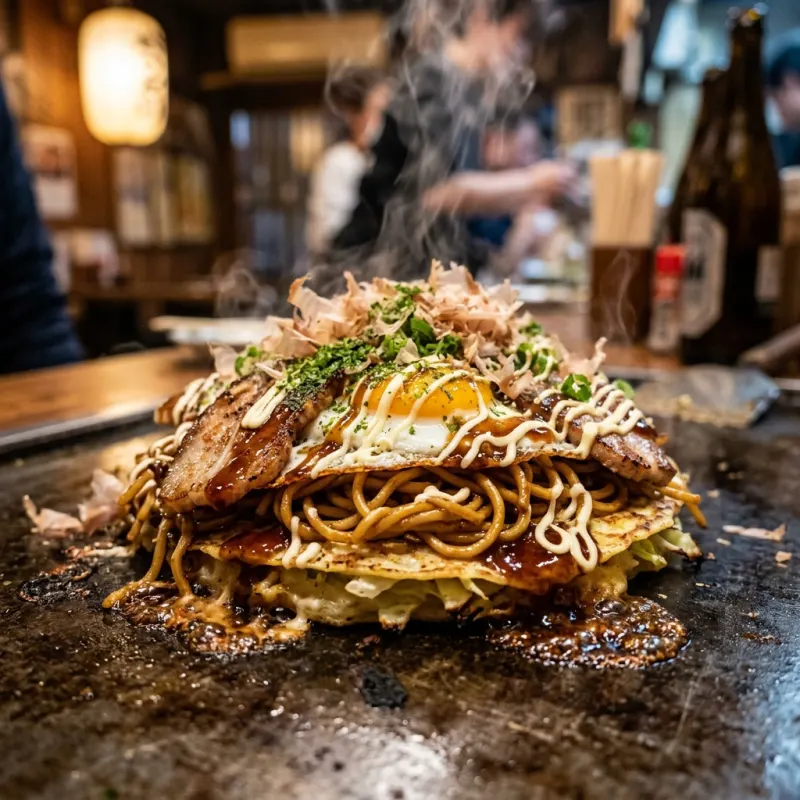
Hiroshima-style Okonomiyaki cooking on a teppan grill

Must Try Dish

Hiroshima-style Okonomiyaki. Unlike the Osaka version, this savory pancake is layered rather than mixed, featuring a base of batter topped with generous amounts of cabbage, pork, yakisoba noodles, and a fried egg. It is finished with a rich, sweet-and-savory sauce, aonori (seaweed flakes), and often local oysters or squid.
Food Experiences Title Icon

Food
Experiences

Discover cooking classes, tastings and local food tours

No food experience found
Maya, the human travel expert at TravelingWiz, offering curated, non-AI expertise

Maya’s Final Checklist for Hiroshima

Logistics shouldn’t be the focus of your trip—the experience should. I’ve hand-vetted these essential partners to ensure your arrival, stay, and exploration are as smooth as an Athenian breeze.

Where to Stay

From boutique hotels to local apartments—compare thousands of options and find the perfect stay in the best neighborhood.

Air Travel

Getting there should be seamless. Compare the best routes and prices across top airlines to start your journey on the right note.

Local Guides

Connect with experts who know the destination best. Get personalized advice and insider tips to help you plan your perfect trip.

Travel Protection

The “Engineer’s” rule: always have a backup. Secure your trip with a plan that covers every “what if” and unexpected change.

Car Rentals

Explore at your own pace with total freedom. Compare reliable rental options and find the right vehicle for your adventure.

Visa Services

Don’t let paperwork slow you down. Get expert assistance with your application to ensure all your entry documents are in order.

FAQs

Yes, Hiroshima is extremely safe for tourists, with low crime rates and a welcoming atmosphere.
A 2-day itinerary is ideal to cover the city’s historical sites and take a half-day trip to Miyajima Island.
Yes, the JR Pass covers the Shinkansen to Hiroshima, local JR trains, the JR ferry to Miyajima, and the Maple-oop sightseeing bus.

Your Insights Matter

TravelingWiz grows through the stories of our community. If you’ve recently explored ,Hiroshima share your tips and stories to help us perfect our guides for the next traveler.

Related Articles

Check out our related articles and blog posts to learn even more about the destination.

Don’t Travel Alone

Share with your friends and family

Where should we send your offline card?

We hate spam just as much as you do

newsletter_consent *