Disclosure: This site contains affiliate links. We may earn a commission if you make a purchase, at no extra cost to you.

>
>
>
>
Shimane Prefecture

Shimane Prefecture

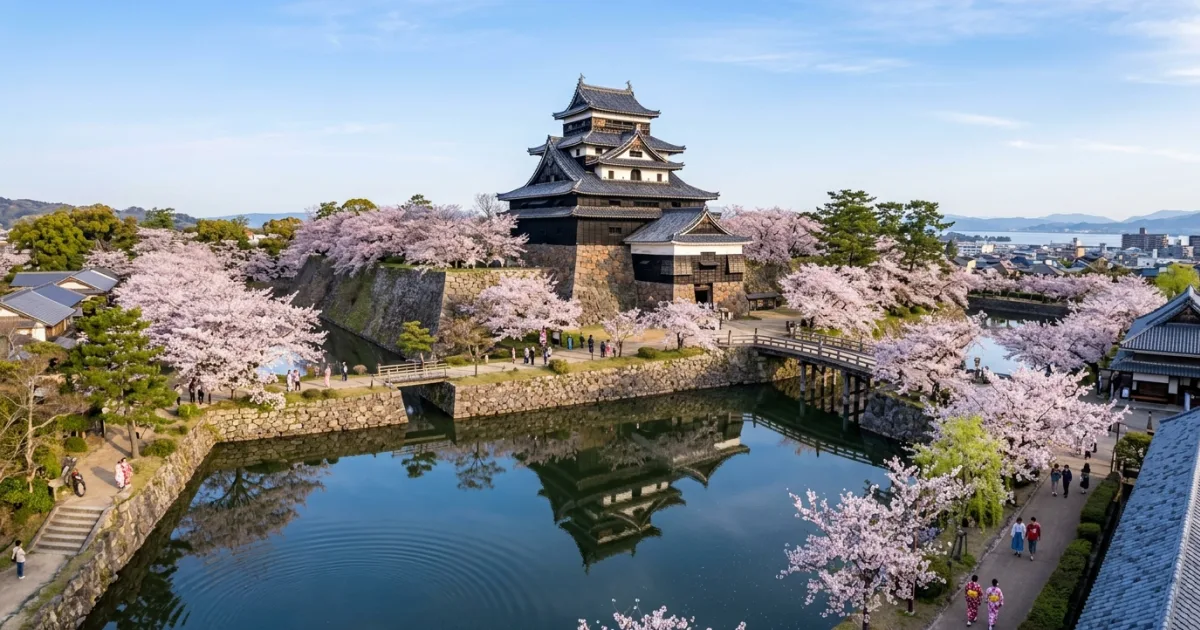
Panoramic view of historic Matsue Castle and blooming cherry blossoms in Shimane Prefecture

Shimane Prefecture Overview & Key Highlights

Shimane Prefecture sits along the scenic Sea of Japan coastline in western Honshu, serving as the storied heartland of traditional Japanese folklore and Shinto mythology. Known historically as the province of Izumo, this tranquil region harbors Izumo Taisha, widely considered one of the country's oldest and most sacred shrines, alongside Matsue Castle, one of only twelve remaining original feudal keeps in Japan. Away from the heavily trodden Tokyo-Kyoto corridor, Shimane preserves an authentic, unhurried pace of life framed by quiet coastal inlets, classical water channels, and forested mountains. Travelers in Shimane navigate centuries of craft and preservation, from the UNESCO-listed silver mines of Iwami Ginzan to the award-winning landscape gardens of the Adachi Museum of Art. Local hot spring hamlets such as Tamatsukuri Onsen offer mineral-rich thermal waters celebrated since the 8th century, while the remote Oki Islands reward adventurous island-hoppers with dramatic coastal cliffs and ancient cedar groves. Whether savoring tiered warigo soba in a samurai district or taking in sunset over Lake Shinji, visitors encounter a deeply grounded, contemplative facet of traditional Japan.

Shimane Prefecture Travel Guide: Logistics & In-Depth Tips

Shimane Prefecture is located along the southwestern coast of Honshu in the Chugoku region, bordered by Tottori Prefecture to the east, Hiroshima Prefecture to the south, and Yamaguchi Prefecture to the southwest. Often called the 'Land of the Gods' (Kami no Kuni), Shimane holds an elemental place in Japanese spiritual geography. According to ancient Shinto chronicles, all eight million deities across the Japanese archipelago gather at Izumo Taisha during the tenth lunar month, turning the region into a national pilgrimage site of unparalleled spiritual resonance.

Beyond its deep mythic roots, Shimane presents an exceptionally well-preserved cross-section of feudal and industrial heritage. The provincial capital of Matsue, known as the 'City of Water,' retains its original 1611 black wooden castle keep alongside preserved samurai quarters, tranquil canal cruises, and the historic residence of writer Lafcadio Hearn. Further west, the mountains conceal Iwami Ginzan, a UNESCO World Heritage silver mine that produced a substantial portion of the world's silver during the 16th and 17th centuries, surrounded by pristine wooden merchant settlements that remain virtually untouched by modernity.

Reasons to Visit

  • Izumo Taisha: Stand beneath the enormous five-ton sacred straw rope (shimenawa) at Japan's most revered ancestral Shinto shrine.
  • Matsue Castle: Explore one of Japan's twelve original surviving wooden castle keeps, featuring panoramic views over Lake Shinji.
  • Adachi Museum of Art: Stroll past six consecutive decades of award-winning Japanese landscape gardens meticulously framed like living paintings.
  • Iwami Ginzan Silver Mine: Tour ancient subterranean mining shafts (mabu) and explore the atmospheric merchant town of Omori by foot or electric bicycle.
  • Tamatsukuri Onsen: Soak in restorative, mineral-packed thermal waters known for over 1,300 years as nature's premier skin conditioner.

Things to Avoid

  • Do not rely entirely on credit cards or mobile payment apps; carry sufficient cash for regional buses, lockers, and heritage sites.
  • Do not miss the last connecting bus or train; public transit schedules in rural Shimane operate on infrequent, strict timetables.
  • Do not clap only twice when praying at Izumo Taisha; the traditional custom specifically requires four distinct claps.
  • Do not wear shoes inside historic castle towers or traditional temple verandas; follow signage carefully and use provided shoe bags.

Local Transportation Tips

Transit across Shimane relies on a combination of JR lines, regional railways, and local buses. The JR San'in Main Line spans the coast, linking major hubs like Matsue, Izumo, and Hamada. The private Ichibata Electric Railway operates picturesque commuter trains between Matsue and the Izumo Taisha grand shrine. Within Matsue city, the retro 'Matsue Horikawa Meguri' sightseeing canal boat and the 'Lakeline Bus' provide seamless access to major historical attractions. For remote valleys such as Iwami Ginzan or coastal exploration on the Oki Islands, a rental car or electric bicycle offers maximum flexibility.

Travel Etiquette

  • Observe proper shrine etiquette at Izumo Taisha: bow twice, clap four times, say your silent prayer, and finish with one final bow.
  • Keep voices low and photography respectful inside sacred shrine precincts, particularly near inner sanctuaries and prayer halls.
  • Wash thoroughly with soap and rinse completely before entering communal bath waters in regional onsen ryokan.
  • Dispose of litter in designated station bins or carry it back to your accommodation, as public street bins are rare.

Recommended Age Group

Shimane Prefecture offers profound historic and cultural rewards, best suited for travelers capable of walking comfortably across expansive shrine complexes and historic grounds.

  • Babies (0-2 years): Neutral. Cobblestone paths, gravel shrine courtyards, and steep castle steps limit stroller convenience, though ryokan hospitality is welcoming.
  • Kids (3-12 years): Neutral. Children enjoy the samurai armor exhibits at Matsue Castle and open-air canal boat tours, though extensive walking and quiet shrine settings may test younger attention spans.
  • Teens (13-19 years): Recommended. Fascinating folklore, sword displays, samurai quarters, and scenic bike rides through Iwami Ginzan capture curious older youth.
  • Adults (20-64 years): Recommended. An outstanding destination for independent explorers passionate about art museums, artisanal crafts, onsen culture, and deep historical narrative.
  • Seniors (65+ years): Recommended. Peaceful pacing, clean air, scenic trains, and restorative hot springs offer an ideal slow-travel escape, provided mobility handles moderate flat walking.

Accessibility Level: Medium

  • Major train stations including Matsue and Izumoshi feature elevators, multi-purpose accessible restrooms, and tactile paving.
  • The central approach and outer grounds of Izumo Taisha provide flat paved routes, though interior sanctums contain loose gravel.
  • Historic properties like Matsue Castle keep and the Iwami Ginzan mining shafts feature steep wooden stairs and rough stone paths that are not wheelchair accessible.
  • The Adachi Museum of Art features comprehensive barrier-free design, including loaner wheelchairs, ramps, and elevator access across all exhibition halls.

Did You Know?

In traditional Japanese calendars, October is known as 'Kannazuki' (the month without gods), because deities across the nation depart their local shrines. In Shimane alone, however, October is celebrated as 'Kamiarizuki' (the month where gods are present), because all spirits gather at Izumo Taisha to determine people's relationships and fates for the coming year.

Cool Statistics

  • 1611: The year Matsue Castle was completed, standing today as one of only twelve authentic original castle keeps left in Japan.
  • 5 tons: The approximate weight of the massive rice-straw rope (o-shimenawa) hanging at the Kaguraden worship hall of Izumo Taisha.
  • 1,300+ years: The documented history of Tamatsukuri Onsen, recorded in the ancient Izumo Fudoki text of 733 AD.


Address:

Shimane Prefecture, Japan

Find Nearby Accommodations

Basic Info

address icon

COUNTRY & Region

Japan,
Asia

ACCESSIBILITY LEVEL​

Medium
Currency icon

LOCAL CURRENCY​

Japanese Yen (JPY)
Price level icon
Medium
Safety Level icon

SAFETY LEVEL

Duration icon

Recommended Duration

• 1-7 days
• More than a week

Electricity

electricity icon

Electricity

100-110V, 
60Hz
Plug Socket icon

Plug Type

• Type A (Flat blade)
• Type B (Flat blade with grounding pin)
Plug types
Click To View Plug Types
Shimane Prefecture is part of our
Solo Female Friendly collection

Things To Do In Shimane Prefecture

Total: 3

Activities To Do In Shimane Prefecture

Best Time To Visit Shimane Prefecture

Shimane offers distinct experiences across four well-defined seasons, with spring and autumn presenting the most comfortable weather for cultural sightseeing.

  • March to May: Mild temperatures (10°C to 20°C) with vibrant cherry blossoms framing the Matsue Castle moat and coastal hills.
  • September to November: Crisp, clear days with stunning autumn foliage at Adachi Museum and temple grounds; October hosts the major Kamiari festival when Shinto deities gather at Izumo Taisha.
  • December to February: Cold and windy along the Sea of Japan, offering atmospheric snow dustings on historic wooden architecture and peak season for Matsuba crab.
  • June to August: Warm, humid conditions ideal for maritime trips to the Oki Islands and evening walks around Lake Shinji.

Average Temperatures Per Month

Remember to check the weather forecast a few days before the trip and before heading to the airport.

Safety Level icon

Safety Level

Shimane is one of the safest prefectures in Japan with exceptionally low crime rates. When exploring rural hiking paths around Iwami Ginzan or the Oki Islands, stay alert for sudden coastal weather changes and carry sufficient water. Be aware of uneven, steep wooden staircases inside historic structures like Matsue Castle, where socks on polished wood can occasionally be slippery.

The rating is based on multi-year peace, crime, and security indices. Before you go, always verify current conditions through official government travel advisories.

Emergency Numbers

Police: 110
Ambulance: 119

No internet needed • Includes local translations • Free for TravelingWiz readers

Spoken Languages

Japanese is the official and universal language. English signage is prominent at major train stations and primary tourist sites like Izumo Taisha and Matsue Castle, though conversational English may be limited among local shopkeepers and bus drivers.

Learn The Language

  • Hello: Konnichiwa
  • Thank you: Arigatou gozaimasu
  • Excuse me / Please: Sumimasen
  • How much is this?: Kore wa ikura desu ka?
  • Where is the station?: Eki wa doko desu ka?
  • Check, please: O-kaikei kudasai
  • Do you speak English?: Eigo ga hanasemasu ka?
  • Delicious: Oishii desu
Travel Booking Partner - TravelingWiz

Trip Cost & Budgeting for Shimane Prefecture, 2026

Everything you need to know about money while traveling
Is Shimane Prefecture expensive for tourists in 2026? No, Shimane offers moderate prices compared to major Japanese hubs. Based on Human Verified prices, you can expect to pay around 500 JPY for a cappuccino, 550 JPY for a pint of domestic beer, and 2,000 JPY for a main meal at a mid-range restaurant. Accommodation and local transport remain very reasonable. Use the data table below to calculate your specific daily budget based on your travel style.
Currency icon

LOCAL CURRENCY​:

Japanese Yen (JPY)
Price level icon
Medium
Major hotels and train stations accept credit cards, but cash is essential for rural buses, shrines, and local eateries.

Per person, per day – pocket cash for small purchases.

Local: 1950
Japanese Yen (JPY)
≈ 12 USD

Full daily spend estimation (accommodation, food, transportation, attractions).

Travel Style
Japanese Yen (JPY)
≈ USD ($)
Budget
10750
68
Mid-range
19500
124
Comfort
42900
272

The Prices, Daily costs, and calculator results are estimates for planning purposes only. Actual costs may vary based on season, booking timing, personal spending habits, and currency fluctuations. TravelingWiz cannot be held responsible for discrepancies between these estimates and your final trip expenses.

  • • Purchase the Perfect Ticket 3-day pass for unlimited rides on Ichibata Electric Railway and local buses around Matsue and Izumo.
  • • Take advantage of foreigner discounts for entrance fees at attractions like Matsue Castle and the Adachi Museum of Art.
  • • Eat regional specialty lunch sets such as Izumo soba or Lake Shinji clam dishes at midday when prices are much lower than dinner.
  • • Stay in business hotels near Matsue or Izumo City Stations for clean, affordable lodging with complimentary breakfast options.

Pre-Order Tickets

Avoid disappointment when tickets sell out — and skip the long lines by booking online in advance. You’ll often save up to 20% too.
Save up to 20%

Travel Discounts & Coupons

Save on hotels, attractions, transport, and gear — find verified discounts for smarter travel spending.
Verified Coupons

What To Pack

  • Slip-on walking shoes: Essential for frequent removal when entering temples, castles, and traditional ryokan.
  • Modest, layered clothing: Breathable fabrics for humid summers and windproof outer layers for crisp coastal winters.
  • Rain protection: A sturdy compact umbrella or waterproof shell jacket, as coastal weather can change rapidly.
  • Hand towel (tenugui): Practical for public footbaths (ashiyu) and onsen visits throughout the prefecture.
  • Universal Type A plug adapter: Essential for charging portable electronics on standard two-prong Japanese sockets.
We couldn't find tips for Shimane Prefecture.
If you got any, please share

Recommended Itineraries for Traveling to Shimane Prefecture

We couldn't find itineraries for Shimane Prefecture.
you can contact us for custom trip plan

Food & Drink Highlights

Local Food Overview

Shimane's culinary culture is shaped by the pristine waters of the Sea of Japan, brackish Lake Shinji, and fertile agricultural valleys. The region is famous for Izumo soba, made from stone-ground whole buckwheat groats that produce dark, fragrant, nutrient-dense noodles traditionally served cold in three stacked circular containers called warigo. Lake Shinji yields the famous 'Shinjiko Shicchin' (seven delicacies), most notably tiny Shijimi clams simmered into deeply restorative red miso soup. Along the coast, winter catches bring prized Matsuba snow crab and Nodoguro (blackthroat seaperch), renowned for its rich, buttery white flesh lightly salted and grilled over charcoal.
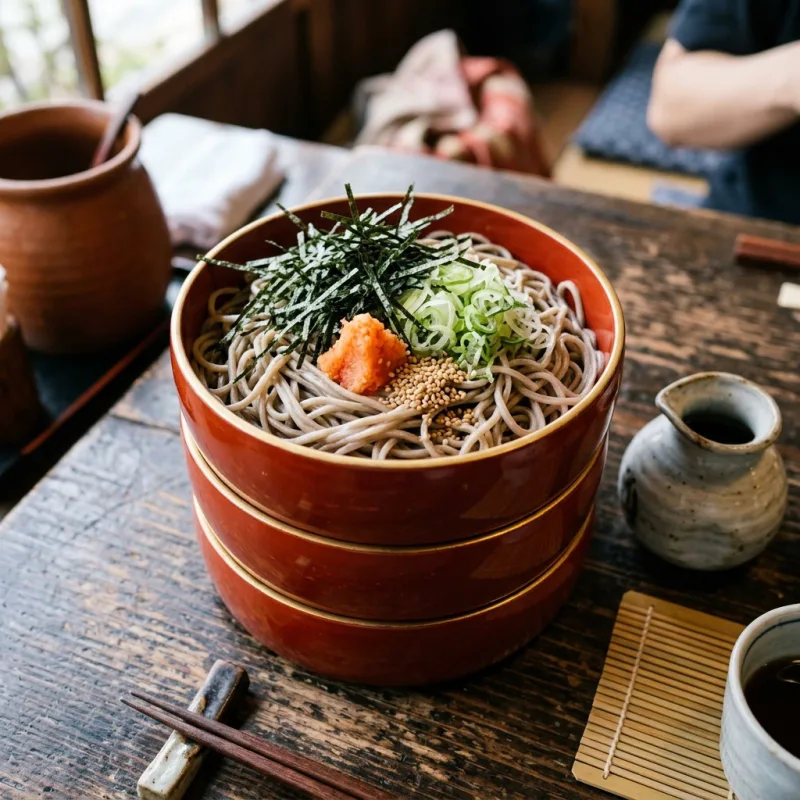
Three stacked tiers of traditional Izumo warigo buckwheat soba in red lacquer bowls

Must Try Dish

Izumo Warigo Soba - Fragrant, dark stone-ground buckwheat noodles served chilled across three stacked round crimson lacquer bowls, topped with nori, scallions, and spicy grated daikon. Pour the house dashi broth directly into the top bowl, eat, and then pour the remaining flavorful sauce down into the successive tiers.
Food Experiences Title Icon

Food
Experiences

Discover cooking classes, tastings and local food tours

No food experience found
Maya, the human travel expert at TravelingWiz, offering curated, non-AI expertise

Maya’s Final Checklist for Shimane Prefecture

Logistics shouldn’t be the focus of your trip—the experience should. I’ve hand-vetted these essential partners to ensure your arrival, stay, and exploration are as smooth as an Athenian breeze.

Where to Stay

From boutique hotels to local apartments—compare thousands of options and find the perfect stay in the best neighborhood.

Air Travel

Getting there should be seamless. Compare the best routes and prices across top airlines to start your journey on the right note.

Local Guides

Connect with experts who know the destination best. Get personalized advice and insider tips to help you plan your perfect trip.

Travel Protection

The “Engineer’s” rule: always have a backup. Secure your trip with a plan that covers every “what if” and unexpected change.

Car Rentals

Explore at your own pace with total freedom. Compare reliable rental options and find the right vehicle for your adventure.

Visa Services

Don’t let paperwork slow you down. Get expert assistance with your application to ensure all your entry documents are in order.

FAQs

From Tokyo, domestic flights connect Haneda to Izumo Airport or Yonago Airport in about 80 minutes. Alternatively, travelers can take the Tokaido-Sanyo Shinkansen to Okayama and transfer to the JR Yakumo limited express train directly into Matsue or Izumo in approximately 2.5 hours.
JR West rail lines connect the main coastal cities from Yasugi through Matsue, Izumo, and Masuda. For rural spots like Iwami Ginzan or coastal viewpoints, local buses operate reliably, though renting a car provides the greatest freedom for exploring coastal hamlets and mountainous onsen towns.
Izumo Taisha is dedicated to Okuninushi, the deity of relationships and marriage. Unlike the standard worship etiquette elsewhere in Japan (two bows, two claps, one bow), worshipers at Izumo Taisha perform two bows, four claps, and one final bow, beneath one of the largest straw sacred ropes (shimenawa) in Japan.

Your Insights Matter

TravelingWiz grows through the stories of our community. If you’ve recently explored ,Shimane Prefecture share your tips and stories to help us perfect our guides for the next traveler.

Related Articles

Check out our related articles and blog posts to learn even more about the destination.

No related articles found

Don’t Travel Alone

Share with your friends and family

Where should we send your offline card?

We hate spam just as much as you do

newsletter_consent *