Izumo is a historic coastal city in eastern Shimane Prefecture that occupies a foundational place in Japanese mythology and spiritual heritage. Chronicled in ancient chronicles like the Kojiki and Nihon Shoki, the area is historically known as the realm ceded by earthly gods to heavenly deities, establishing Izumo Taisha as a supreme sanctuary for peace, bonds, and matchmaking (en-musubi). The city spans from rural fertile plains through historic merchant towns along the Takase River to the dramatic, wave-sculpted granite coastlines bordering the Sea of Japan.
Beyond its ancient spiritual monuments, Izumo offers travelers a deeply tranquil, authentic Japanese travel experience unmarred by overtourism. The streets of the Taisha town feature well-preserved Meiji-era timber architecture, sweet bean soup houses, and historic sake breweries. Nearby, the dramatic cliffs of Cape Hinomisaki feature East Asia's tallest stone lighthouse, while the sweeping crescent of Inasa Beach provides breathtaking maritime sunsets that close an evocative journey into the heart of Japanese folklore.
Reasons to Visit
- Izumo Taisha Grand Shrine: Experience one of Japan's most ancient sanctuaries, featuring an iconic five-ton sacred straw rope (shimenawa) hanging above the Kagura-den hall.
- Unique Prayer Traditions: Practice the distinctive four-clap Shinto ritual found exclusively at this holy shrine of divine connections.
- Spectacular Hinomisaki Coast: Climb the 43-meter stone Hinomisaki Lighthouse and walk winding footpaths overlooking roaring waves and nesting black-tailed gulls.
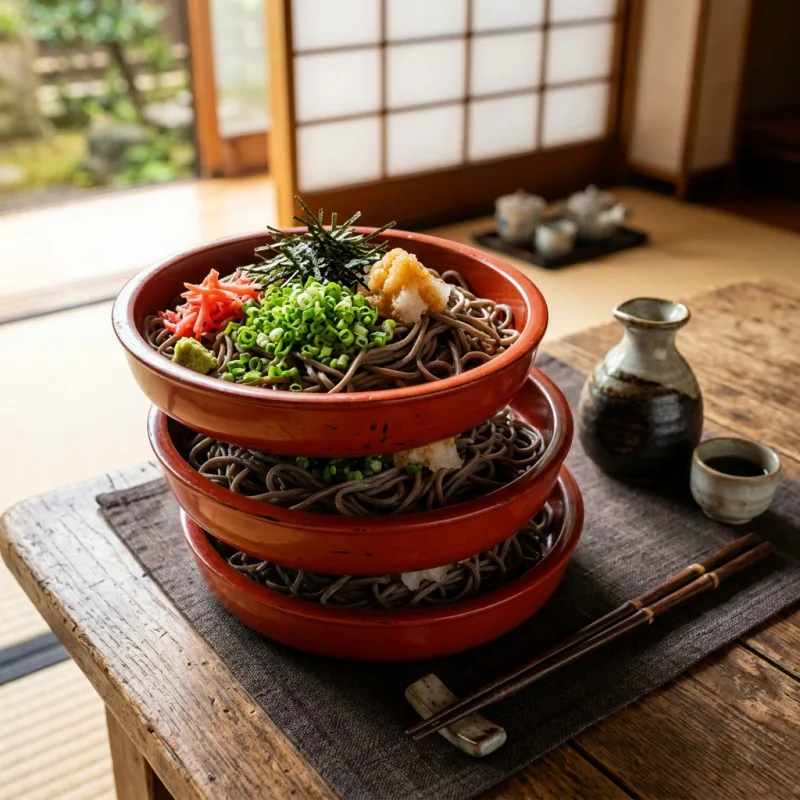
- Artisanal Warigo Soba: Relish rustic, dark buckwheat noodles eaten across three individual lacquer tiers with fragrant dashi.
- Inasa Beach Sunsets: Witness golden hour over the sacred rock sanctuary of Bentenjima where Shinto deities are greeted during autumn festivals.
Things to Avoid
- Do not applaud with only two claps at Izumo Taisha: Remember to follow the customary two bows, four claps, and one final bow at this particular shrine.
- Do not step on the central path under the torii gate: Traditional etiquette dictates walking along the edges of the approach (sando), leaving the center open for the deities.
- Do not rely solely on credit cards: Many ticket kiosks, rural transport options, and small soba stalls only accept cash in Japanese Yen.
- Do not miss the last bus from Hinomisaki: Bus services back to central Izumo are infrequent in late afternoon; always check the departure timetable before walking the coastal trails.
Local Transportation Tips
Navigating Izumo is straightforward thanks to regional rail and local bus networks. JR Izumoshi Station serves as the primary regional intercity rail hub connecting to Matsue, Okayama, and Hiroshima. For sightseeing, the vintage Ichibata Electric Railway runs scenic services between Dentetsu-Izumoshi Station, Kawato junction, and Izumo Taisha-mae Station. Local Ichibata buses depart regularly from JR Izumoshi Station to Izumo Taisha (approximately 25 minutes) and continue onwards to Cape Hinomisaki. Renting a bicycle near the shrine or hiring a rental car at the train station provides ultimate flexibility for exploring coastal roads and rural shrines.
Travel Etiquette
- Cleanse hands and mouth: Use the water ladle at the temizuya purification pavilion before approaching any shrine hall to pray.
- Quiet speech on sacred grounds: Maintain respectful voices throughout the pine and cedar avenues of Izumo Taisha.
- Remove shoes promptly: Always take off outdoor footwear when entering shrine interior floors, ryokans, or tatami dining platforms.
- Dispose of trash responsibly: Public trash cans are rare in Japan; carry a small bag to retain personal waste until returning to your hotel room.
Recommended Age Group
Izumo offers a contemplative, low-stress cultural setting best suited for travelers who appreciate mythology, scenic walking, and culinary traditions.
- Babies (0-2 years): Neutral. Wide gravel paths at the grand shrine can make standard strollers difficult to push, though the environment is serene and peaceful.
- Kids (3-12 years): Neutral. Children may find extensive shrine walking and quiet historical settings less engaging compared to modern theme parks.
- Teens (13-19 years): Recommended. High school and older youth fascinated by Japanese mythology, anime folklore, and coastal photography will appreciate the atmospheric settings.
- Adults (20-64 years): Recommended. Excellent opportunities for spiritual exploration, architectural appreciation, local sake sampling, and leisurely coastal hiking.
- Seniors (65+ years): Recommended. Flat shrine walkways, reliable public buses, calm pacing, and high-quality traditional ryokan hospitality cater smoothly to older travelers.
Accessibility Level: Medium
- Izumo Taisha features paved side paths and smooth stone walkways alongside gravel courtyards to assist wheelchair users and visitors with mobility concerns.
- Wheelchairs are available for loan free of charge at the main shrine entrance information bureau.
- Low-floor accessible buses connect JR Izumoshi Station with Izumo Taisha main bus terminal.
- Izumo Taisha-mae station on the Ichibata Railway has ramped access, though some historic rural stops feature steps.
Did You Know?
While October is called 'Kannazuki' (the month without gods) across most of Japan because deities leave their local shrines, in Izumo it is known as 'Kamiarizuki' (the month when all gods are gathered). Millions of kami assemble at Izumo Taisha to decide human fate and matchmaking for the upcoming year.
Cool Statistics
- 43.65 meters: The height of Hinomisaki Lighthouse, making it the tallest masonry stone lighthouse in East Asia.
- 5.2 tons: The weight of the monumental shimenawa (twisted rice straw rope) hanging in Izumo Taisha's Kagura-den, among the largest in the world.
- Over 1,000 years: The documented historical age of Izumo's unique whole-grain buckwheat noodle culture.






Buy a compatible power adapter for your trip