Disclosure: This site contains affiliate links. We may earn a commission if you make a purchase, at no extra cost to you.

Tonomachi Street in Tsuwano with koi carp swimming in roadside canals alongside historic samurai quarter walls

Tsuwano Overview & Key Highlights

Tsuwano is a historic castle town situated in a secluded river valley in western Shimane Prefecture. Known as the 'Little Kyoto of San'in,' the town is celebrated for its well-preserved samurai district along Tonomachi Street, where clear water-filled street canals host thousands of vibrant multi-colored koi carp. Looming above the river valley are the terraced stone foundations of Tsuwano Castle ruins and the vermilion torii gate tunnels of Taikodani Inari Shrine, one of western Japan's most revered shrines. Travelers visit Tsuwano for its deep cultural texture, Edo-period architecture, and unhurried pace. The town is historically notable for its intellectual heritage, producing prominent Meiji-era figures such as literary giant Mori Ogai and philosopher Nishi Amane, whose ancestral homes remain open to visitors. Complementing the feudal architecture are centuries-old sake breweries, traditional confectioneries making sweet genji-maki cakes, and the seasonal arrival of the historic SL Yamaguchi steam train at Tsuwano Station.

Tsuwano Travel Guide: Logistics & In-Depth Tips

Tsuwano lies tucked in the southwest corner of Shimane Prefecture, insulated by forested peaks along the meandering Tsuwano River. Once the prosperous castle town of the Kamei samurai clan, Tsuwano preserves an authentic architectural footprint largely untouched by post-war industrial development. Its core district, Tonomachi, presents whitewashed earthen storehouses, latticed cedar townhouses, and dark wooden gates that formerly fronted high-ranking samurai residences. Running directly alongside these historic compounds are open flagstone canals fed by mountain runoff, home to thousands of mature carp displaying vibrant orange, white, and calico markings.

Beyond its samurai heritage, Tsuwano is famed throughout western Japan for its spiritual and religious monuments. The Taikodani Inari Shrine rises dramatically from the valley slope, approached via an imposing uphill promenade covered by over a thousand vivid vermilion torii gates. Further along the mountain crest lie the megalithic stone ramparts of the Tsuwano Castle ruins, reachable via a scenic vintage chairlift that affords panoramic vantage points across the red-tiled roofs (Sekishu-gawara) of the entire town below.

Reasons to Visit

  • Tonomachi Samurai Quarter: Walk along cobblestone pathways bounded by Edo-period plaster walls and pristine canals populated by colorful carp.
  • Taikodani Inari Shrine: Ascend through a continuous crimson tunnel of more than a thousand torii gates leading to one of Japan's five major Inari shrines.
  • SL Yamaguchi Steam Train: Experience the romance of vintage rail travel as historic steam locomotives arrive billowing smoke into Tsuwano Station on select weekends.
  • Historic Castle Panorama: Ride the single-seat chairlift to the mountaintop stone foundations of Tsuwano Castle for sweeping views of the valley.
  • Deep Literary & Cultural History: Tour the preserved birthplace of celebrated author Mori Ogai and modern philosopher Nishi Amane.

Things to Avoid

  • Do not drop foreign food items, bread, or garbage into the roadside canals, as the fish are strictly maintained on approved pellets sold along the sidewalks.
  • Avoid wearing high heels or smooth-soled dress shoes when heading up to the castle ruins or shrine paths, where wet stone flags become extremely slippery.
  • Do not rely exclusively on credit cards; many heritage shops, small diners, and traditional inns accept cash transactions only.
  • Avoid planning an itinerary based solely on the steam locomotive without checking the official JR West operational calendar in advance, as the train operates only on select seasonal dates.

Local Transportation Tips

Tsuwano is compact and best explored on foot or by bicycle. Rental bikes are readily available at Tsuwano Station for modest hourly or daily rates, allowing visitors to easily reach peripheral sites like the Mori Ogai Memorial Museum and Otome Pass. For ascending to the Tsuwano Castle ruins, a single-chair lift operates from the base of Shiroyama, after which an easy 15-minute forested foot trail leads to the stone fortifications. Taxis queue at Tsuwano Station for those carrying heavy luggage or traveling directly to rural ryokans.

Travel Etiquette

  • Maintain respectful silence when visiting the Otome Pass Mary Chapel and Christian memorial grounds.
  • Remove your shoes and place them in the provided shelves before stepping onto the tatami mats of samurai residences and museum interiors.
  • Refrain from walking while eating street food; finish snacks like genji-maki beside the shop front or sit at a designated bench.
  • Bicycles must be parked strictly in designated parking areas rather than obstructing narrow pedestrian sidewalks along Tonomachi.

Recommended Age Group

Tsuwano offers an enriching, quiet destination suited to travelers who appreciate heritage, scenic nature, and slower-paced cultural discovery.

  • Babies (0-2 years): Neutral. Narrow gravel paths and numerous stone steps at the shrines make stroller mobility challenging, though baby carriers make visits feasible.
  • Kids (3-12 years): Recommended. Children thoroughly enjoy purchasing feed pellets to interact with the thousands of carp in the canals, riding the single chairlift, and watching the vintage steam locomotive.
  • Teens (13-19 years): Recommended. Excellent opportunities for cycling, climbing through photogenic torii tunnels, and exploring atmospheric samurai districts appeal to active teenagers.
  • Adults (20-64 years): Recommended. Perfect for travelers seeking authentic cultural immersion, historic architecture, artisan sake tasting, and peaceful valley scenery.
  • Seniors (65+ years): Recommended. The central Tonomachi flat district offers leisurely walking, traditional tea houses, and tranquil inns, though steep shrine steps require moderate mobility.

Accessibility Level: Medium

  • The flat terrain around Tonomachi Street is largely barrier-free and accessible for manual wheelchair users, though flagstones may present slight vibrations.
  • The summit of the Tsuwano Castle ruins and the main approach to Taikodani Inari Shrine feature steep stone stairs and uneven natural paths that are inaccessible for wheelchairs.
  • Accessible restrooms are located at Tsuwano Station and near the municipal parking areas along the river.

Did You Know?

The distinct red roof tiles covering virtually every building in Tsuwano are called Sekishu-gawara. Fired at temperatures exceeding 1,200 degrees Celsius with a natural glaze containing local stone, these tiles are renowned across Japan for being impervious to frost damage and severe mountain winters.

Cool Statistics

  • Home to over 1,000 vivid vermilion torii gates leading up the mountain staircase of Taikodani Inari Shrine.
  • Canals support an estimated population of over 20,000 swimming koi carp throughout the town's water channels.
  • Tsuwano's signature roof tiles, Sekishu-gawara, boast a durability history spanning more than 400 years.


Address:

Tsuwano, Japan

Find Nearby Accommodations

Basic Info

address icon

COUNTRY & Region

Japan,
Asia

ACCESSIBILITY LEVEL​

Medium
Currency icon

LOCAL CURRENCY​

Japanese Yen (JPY)
Price level icon
Medium
Safety Level icon

SAFETY LEVEL

Duration icon

Recommended Duration

• Full day
• 1-7 days

Electricity

electricity icon

Electricity

100-110V, 
60Hz
Plug Socket icon

Plug Type

• Type A (Flat blade)
• Type B (Flat blade with grounding pin)
Plug types
Click To View Plug Types
Tsuwano is part of our
Solo Female Friendly collection

Activities To Do In Tsuwano

Best Time To Visit Tsuwano

Tsuwano experiences distinct seasons, with mountain valley topography moderating regional weather patterns.

  • Spring (April to May): Pleasant temperatures between 15°C and 22°C with blooming cherry blossoms along the Tsuwano River and fresh green foliage.
  • Summer (July to August): Humid conditions with highs reaching 30°C to 33°C, animated by the famous Sagimai (Heron Dance) ritual at Yasaka Shrine in late July.
  • Autumn (October to November): The best overall season for travel, featuring crisp days around 18°C and spectacular autumn leaves surrounding the castle ruins and shrine gates.
  • Winter (December to February): Cool temperatures dropping near 0°C with occasional mountain snowfalls dusting the vermilion torii gates and white-walled storehouses.

Average Temperatures Per Month

Remember to check the weather forecast a few days before the trip and before heading to the airport.

Safety Level icon

Safety Level

Tsuwano is an exceptionally secure rural town with virtually nonexistent violent crime. Visitors should exercise standard caution when climbing the steep, slick stone staircases leading to Taikodani Inari Shrine and the castle ruins during or following rain. Avoid touching or harassing the carp in the Tonomachi canals, and remain alert for wild boars or pit vipers (mamushi) if walking off designated forest footpaths.

The rating is based on multi-year peace, crime, and security indices. Before you go, always verify current conditions through official government travel advisories.

Emergency Numbers

Police: 110
Ambulance: 119

No internet needed • Includes local translations • Free for TravelingWiz readers

Spoken Languages

Japanese

Learn The Language

  • Konnichiwa – Hello
  • Arigatou gozaimasu – Thank you very much
  • Sumimasen – Excuse me / Pardon me
  • Kore wa ikura desu ka? – How much is this?
  • Eigo ga hanasemasu ka? – Do you speak English?
  • Tasukete kudasai – Please help me
  • Toire wa doko desu ka? – Where is the restroom?
  • Okaikei o onegaishimasu – The bill, please
Travel Booking Partner - TravelingWiz

Trip Cost & Budgeting for Tsuwano, 2026

Everything you need to know about money while traveling
Is Tsuwano expensive for tourists in 2026? No, Tsuwano remains moderately priced compared to major Japanese hubs. Based on our Human Verified prices, expect to pay around 500 JPY for a coffee, 550 JPY for a domestic beer, and 1,800 JPY for a standard main meal at a mid-range restaurant. Daily costs for lodging and transport are quite reasonable. Use the data table below to calculate your specific daily budget based on your travel style.
Currency icon

LOCAL CURRENCY​:

Japanese Yen (JPY)
Price level icon
Medium
While hotels and major stations accept credit cards, cash is necessary for local shops, buses, and small eateries.

Per person, per day – pocket cash for small purchases.

Local: 1850
Japanese Yen (JPY)
≈ 12 USD

Full daily spend estimation (accommodation, food, transportation, attractions).

Travel Style
Japanese Yen (JPY)
≈ USD ($)
Budget
10200
64
Mid-range
18500
117
Comfort
40700
257

The Prices, Daily costs, and calculator results are estimates for planning purposes only. Actual costs may vary based on season, booking timing, personal spending habits, and currency fluctuations. TravelingWiz cannot be held responsible for discrepancies between these estimates and your final trip expenses.

  • • Rent a bicycle near JR Tsuwano Station to save on local transport while exploring Tonomachi Street and Washibara Shrine.
  • • Try local specialties like Uzume-meshi or Sansai Soba at local lunch spots instead of expensive dinner sets.
  • • Walk the scenic mountain path to Tsuwano Castle ruins to save on chairlift fees while enjoying rural nature views.
  • • Use a regional JR Pass such as the San'in-Okayama Area Pass to cover long-distance rail travel to Tsuwano.

Pre-Order Tickets

Avoid disappointment when tickets sell out — and skip the long lines by booking online in advance. You’ll often save up to 20% too.
Save up to 20%

Travel Discounts & Coupons

Save on hotels, attractions, transport, and gear — find verified discounts for smarter travel spending.
Verified Coupons

What To Pack

  • Comfortable walking or hiking shoes with sturdy traction for climbing stone stairs at Taikodani Inari Shrine and exploring castle ruins.
  • Slip-on footwear, as traditional sights, samurai residences, and ryokans require frequent shoe removal.
  • Compact travel umbrella or lightweight rain shell, as the mountain valley experiences sudden precipitation.
  • Small coin purse or wallet for cash, since small local confectioneries and rural buses rarely accept credit cards.
  • Hand towel (tenugui) for drying hands, common practice across Japanese public restrooms and wash stations.
We couldn't find tips for Tsuwano.
If you got any, please share

Recommended Itineraries for Traveling to Tsuwano

We couldn't find itineraries for Tsuwano.
you can contact us for custom trip plan

Food & Drink Highlights

Local Food Overview

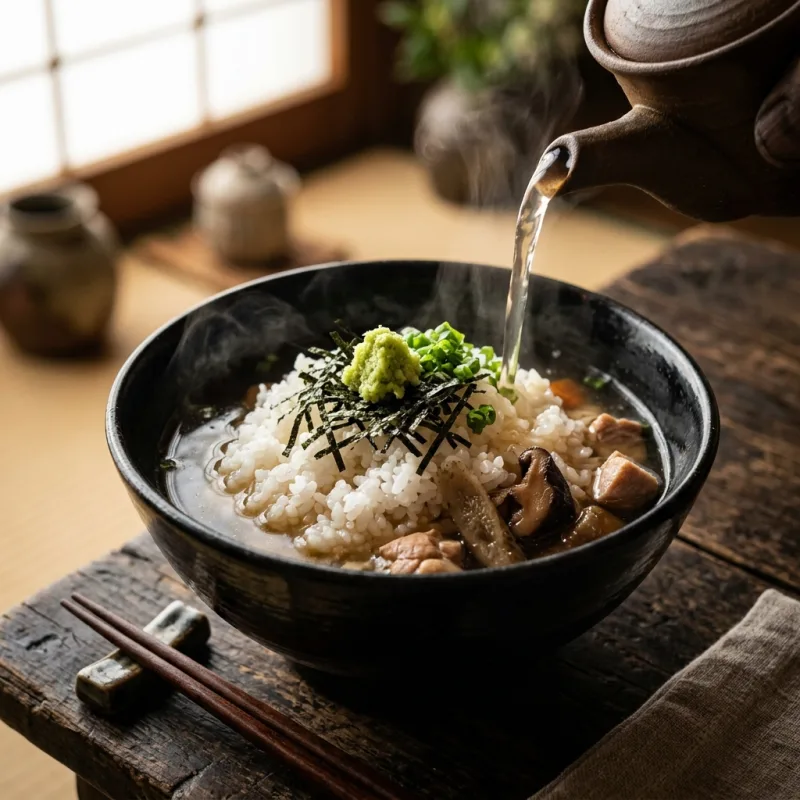
Tsuwano's gastronomy is rooted in mountain agriculture, river fishing, and Edo-period preservation methods. The town's signature specialty is Uzume-meshi, a historical dish composed of simmered shiitake mushrooms, carrots, taro root, and chicken concealed beneath warm rice and submerged in fragrant dashi broth flavored with fresh wasabi. Sweet delicacies include Genji-maki, an elongated baked sponge roll filled with sweetened red bean paste created during the feudal domain era. Locally grown wasabi cultivated in clear mountain spring waters and pure rice sakes produced across three centuries-old town breweries complete the traditional culinary repertoire.
Authentic Japanese Uzume-meshi served in a black lacquer bowl with dashi broth and wasabi

Must Try Dish

Uzume-meshi - A steaming bowl of rice concealing seasoned seasonal vegetables and chicken beneath, saturated with delicate dashi broth and grated mountain wasabi.
Food Experiences Title Icon

Food
Experiences

Discover cooking classes, tastings and local food tours

No food experience found
Maya, the human travel expert at TravelingWiz, offering curated, non-AI expertise

Maya’s Final Checklist for Tsuwano

Logistics shouldn’t be the focus of your trip—the experience should. I’ve hand-vetted these essential partners to ensure your arrival, stay, and exploration are as smooth as an Athenian breeze.

Where to Stay

From boutique hotels to local apartments—compare thousands of options and find the perfect stay in the best neighborhood.

Air Travel

Getting there should be seamless. Compare the best routes and prices across top airlines to start your journey on the right note.

Local Guides

Connect with experts who know the destination best. Get personalized advice and insider tips to help you plan your perfect trip.

Travel Protection

The “Engineer’s” rule: always have a backup. Secure your trip with a plan that covers every “what if” and unexpected change.

Car Rentals

Explore at your own pace with total freedom. Compare reliable rental options and find the right vehicle for your adventure.

Visa Services

Don’t let paperwork slow you down. Get expert assistance with your application to ensure all your entry documents are in order.

FAQs

Tsuwano is accessible via the JR Yamaguchi Line. Travelers can take the Sanyo Shinkansen to Shin-Yamaguchi Station, then transfer to the JR Yamaguchi Line limited express Super Oki train, arriving in Tsuwano in approximately 65 minutes.
Yes. Small paper packets of sanctioned fish food pellets are sold from small unattended wooden collection boxes stationed alongside Tonomachi Street for around ¥100.
Tsuwano is the site of Otome Pass (Otome Toge), where thirty-six Japanese Christians (Kakure Kirishitan) were exiled and martyred during the late Edo and early Meiji periods in the late 1860s. A memorial chapel honors them today.

Your Insights Matter

TravelingWiz grows through the stories of our community. If you’ve recently explored ,Tsuwano share your tips and stories to help us perfect our guides for the next traveler.

Related Articles

Check out our related articles and blog posts to learn even more about the destination.

No related articles found

Don’t Travel Alone

Share with your friends and family

Where should we send your offline card?

We hate spam just as much as you do

newsletter_consent *