Disclosure: This site contains affiliate links. We may earn a commission if you make a purchase, at no extra cost to you.
Fukuyama

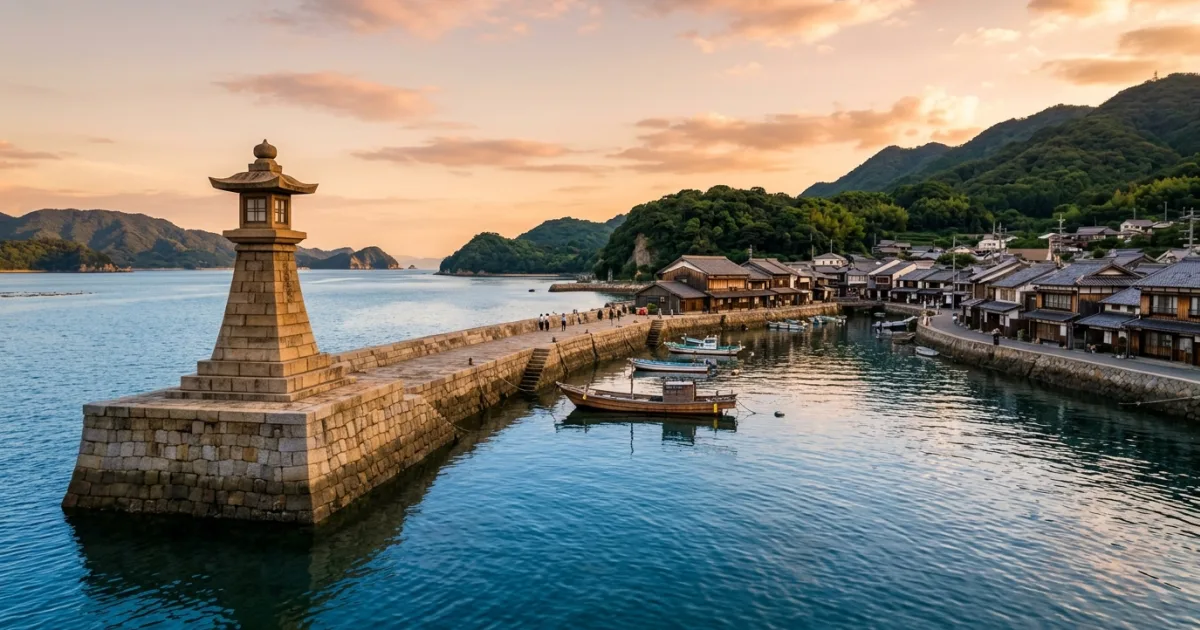
Panoramic view of Tomonoura harbor and Joyato lighthouse in Fukuyama, Hiroshima, Japan

Basic Info

COUNTRY & Region

Japan,
Asia

ACCESSIBILITY LEVEL​

  • High: Widely accessible with good facilities for disabilities.
  • Medium: Some accessible options, but limitations exist.
  • Low: Limited accessibility; many barriers for disabilities.
Medium

LOCAL CURRENCY​

Japanese Yen (JPY)

Price Level

Low – budget‑friendly basics

Medium – moderate mid‑range costs

High – pricey lodging, dining & transport

Medium

SAFETY LEVEL

5 shields = Excellent – very low crime or conflict.

4 shields = Safe – low risk, routine care.

3 shields = Relatively safe – use normal street smarts.

2 shields = Use caution – higher crime or periodic unrest.

1 shields = Avoid – active conflict or extreme danger.

Scores are derived from multi-year peace, homicide and security indices blended into a single 1-to-5 scale.

Recommended Duration

1-7 days, Full day

Fukuyama Overview & Key Highlights

Fukuyama is a vibrant gateway city located on the eastern coast of Hiroshima Prefecture, directly facing the tranquil Seto Inland Sea. Established as a strategic castle town under the Tokugawa Shogunate in 1622, the city features Fukuyama Castle situated immediately adjacent to its Shinkansen bullet train station. Beyond the urban core lies the historic fishing port of Tomonoura, celebrated for its preserved Edo-period architecture, tranquil harbors, and scenic stone lantern landmarks. Visitors travel to Fukuyama to experience both classical maritime history and contemporary cultural landmarks, including the Shinshoji Zen Museum and Gardens. The port of Tomonoura famously served as visual inspiration for Studio Ghibli's animated film Ponyo and the Hollywood blockbuster The Wolverine. With seamless rail connectivity along the Sanyo Shinkansen line, Fukuyama functions as a serene cultural stopover between Hiroshima and Okayama, offering local seafood delicacies and coastal exploration.

Fukuyama Travel Guide: Logistics & In-Depth Tips

Fukuyama is the second-largest city in Hiroshima Prefecture, combining industrial prominence in steel and textiles with centuries of coastal heritage. Anchoring the city center is Fukuyama Castle, constructed in 1622 by Mizuno Katsunari, a cousin of Shogun Tokugawa Ieyasu. In 2022, the castle celebrated its 400th anniversary with a comprehensive restoration that reinstated its rare iron-plated northern facade, designed originally to repel musket fire.

A short bus ride south brings visitors to Tomonoura, an intact Edo-period harbor town perched on a circular bay. Known historically as a waiting port for tidal shifts, Tomonoura retains its iconic Joyato stone lighthouse built in 1859, merchant townhouses, and sea-facing temples like Fukuzen-ji, which offers sweeping panoramas of the Seto Inland Sea. Modern travelers also appreciate Fukuyama for Shinshoji Zen Museum and Gardens, where visitors can engage in authentic Zen meditation and experience contemporary installation art within expansive landscape grounds.

Reasons to Visit

  • Fukuyama Castle: Located mere steps from the Shinkansen platform, boasting a museum inside the reconstructed keep and a unique iron-plated northern wall.
  • Tomonoura Historic Harbor: Preserved 17th-century port town featuring stone lanterns, historic alleys, and waterfront teahouses.
  • Studio Ghibli Connection: The picturesque maritime alleys of Tomonoura provided the visual blueprint for Hayao Miyazaki's anime classic Ponyo.
  • Shinshoji Zen Museum: World-class Zen garden complex offering tea ceremonies, authentic vegetarian monastic meals, and the Kohtei pavilion by Kohei Nawa.
  • Exquisite Maritime Dining: Home to fresh Seto Inland Sea seafood, especially red sea bream served in clay pot rice.

Things to Avoid

  • Avoid planning your Tomonoura harbor visit during the late evening without checking the return bus schedule, as transit frequency drops sharply after dark.
  • Do not skip wearing slip-on footwear, as historical merchant houses and temples require shoe removal at the threshold.
  • Avoid driving large rental cars through the core of Tomonoura; the historic streets are exceptionally narrow and intended primarily for pedestrians.
  • Do not forget cash; smaller souvenir merchants, saké shops, and local snack stands in Tomonoura do not accept card payments.

Local Transportation Tips

Fukuyama is exceptionally well-connected by train, serving as a scheduled stop on the Sanyo Shinkansen line. Fukuyama Station provides direct rail links to Hiroshima, Okayama, and Osaka. Local bus transportation is operated predominantly by Tomotetsu Bus, which links Fukuyama Station's South Exit directly to Tomonoura in about 30 minutes. The historic port area itself is best explored entirely on foot or by renting an electric-assist bicycle near the Tomonoura bus stop.

Travel Etiquette

  • Remove your shoes when stepping onto tatami mats inside castle keeps, temples, and traditional ryokan.
  • When riding regional buses, take a numbered paper fare ticket when boarding via the rear door and pay the exact corresponding fare at the driver's box when exiting from the front.
  • Keep speaking voices low when traveling on local buses and trains.
  • Do not walk while eating street food; finish your snack near the stall where purchased or dispose of trash properly.

Recommended Age Group

Fukuyama offers a relaxing and educational itinerary appealing across multiple generations, especially those fond of coastal scenery and Japanese history.

  • Babies (0-2 years): Neutral. The narrow, historic cobbled streets and temple stairs in Tomonoura are challenging for strollers, though the castle park in the city center is flat and accessible.
  • Kids (3-12 years): Recommended. Children enjoy exploring Fukuyama Castle's interactive museum displays and recognizing the real-life harbor locations that inspired the movie Ponyo.
  • Teens (13-19 years): Recommended. Excellent photography opportunities along the harbor, pop-culture anime ties, and cycling routes provide strong appeal.
  • Adults (20-64 years): Recommended. Perfect balance of maritime strolls, historic architecture, local herb liqueur tasting, and Zen mindfulness at Shinshoji.
  • Seniors (65+ years): Recommended. Gentle pace of life, manageable walking distances around the harbor, and direct, flat access to the castle from the bullet train station.

Accessibility Level: Medium

  • Fukuyama Station features full elevator accessibility, tactile paving, and universal access restrooms.
  • Fukuyama Castle grounds feature paved pathways, though the approach up to the main keep involves moderate stone inclines; an elevator operates inside the castle museum.
  • Tomonoura has relatively flat harborside walking routes, but historic buildings, merchant houses, and hill-slope temples have steep wooden thresholds and stone steps without ramps.
  • Buses connecting Fukuyama Station and Tomonoura are low-floor transit vehicles equipped with priority seating.

Did You Know?

Fukuyama Castle is recognized as one of the closest castles to a Shinkansen station anywhere in Japan. Passengers pulling into Fukuyama Station can gaze directly into the castle's stone moats and central keep directly from the elevated train platform.

Cool Statistics

  • 400+ years of history since Fukuyama Castle's founding in 1622.
  • Home to the tallest Edo-period harbor stone lantern in Japan (Joyato, standing over 5.5 meters).
  • Fukuyama produces over 70% of Japan's domestic denim fabric, earning it international acclaim in premium textile craftsmanship.

Address:

Fukuyama, Hiroshima Prefecture, Japan

Find Nearby Accommodations

Electricity

100-110V, 
60Hz

Plug Type

Type A (Flat blade), Type B (Flat blade with grounding pin)
Plug types
Click To View Plug Types
Fukuyama is part of our
Set-Jetting collection

Activities To Do In Fukuyama

Best Time To Visit Fukuyama

Fukuyama features a mild Seto Inland Sea climate with less rainfall than many parts of mainland Japan.

  • March to May: Pleasant spring temperatures ranging from 12°C to 20°C, accompanied by cherry blossoms framing Fukuyama Castle.
  • June to August: Warm, humid summers with coastal breezes; ideal for harbor boat trips, though daytime highs reach 32°C.
  • September to November: Crisp, clear autumn days with stunning foliage across local Zen gardens and coastal viewpoints.
  • December to February: Cool, dry winters averaging 5°C to 11°C, requiring warm jackets but offering clear skies and low tourist crowds.

Average Temperatures Per Month

Average monthly temperaturesMonthly source values, with Celsius and Fahrenheit equivalents in the following data table.0°32°9°48°18°64°26°79°35°95°JanJan: 5°C / 41°FFebFeb: 6°C / 43°FMarMar: 10°C / 50°FAprApr: 14°C / 57°FMayMay: 18°C / 64°FJunJun: 22°C / 72°FJulJul: 26°C / 79°FAugAug: 29°C / 84°FSepSep: 25°C / 77°FOctOct: 18°C / 64°FNovNov: 13°C / 55°FDecDec: 6°C / 43°F
View temperature data
Average monthly temperatures
Month°C°F
Jan541
Feb643
Mar1050
Apr1457
May1864
Jun2272
Jul2679
Aug2984
Sep2577
Oct1864
Nov1355
Dec643

Remember to check the weather forecast a few days before the trip and before heading to the airport.

Safety Level

5 shields = Excellent – very low crime or conflict.

4 shields = Safe – low risk, routine care.

3 shields = Relatively safe – use normal street smarts.

2 shields = Use caution – higher crime or periodic unrest.

1 shields = Avoid – active conflict or extreme danger.

Scores are derived from multi-year peace, homicide and security indices blended into a single 1-to-5 scale.

Fukuyama is exceptionally safe with negligible violent crime and well-lit pedestrian corridors around Fukuyama Station. In the coastal port of Tomonoura, keep an eye on narrow seaside stone pathways without guardrails, especially in damp conditions. During typhoon season (August to October), monitor local transportation alerts as regional train lines occasionally suspend service during heavy rainfall.

The rating is based on multi-year peace, crime, and security indices. Before you go, always verify current conditions through official government travel advisories.

Emergency Numbers

Police: 110
Ambulance: 119

No internet needed • Includes local translations • Free for TravelingWiz readers

Spoken Languages

Japanese (primary); limited English at major rail transit hubs and hotels.
Travel Booking Partner - TravelingWiz

Learn The Language

  • Konnichiwa: Hello
  • Arigatou gozaimasu: Thank you very much
  • Sumimasen: Excuse me / Sorry
  • Kore wa ikura desu ka?: How much is this?
  • Kore o kudasai: Please give me this
  • Eigo ga hanasemasu ka?: Do you speak English?
  • Toire wa doko desu ka?: Where is the restroom?
  • O-kaikei o onegai shimasu: Check/bill, please

Trip Cost & Budgeting for Fukuyama, 2026

Everything you need to know about money while traveling
Is Fukuyama expensive for tourists in 2026? Compared to Tokyo or Kyoto, Fukuyama offers surprisingly affordable regional pricing for travelers. You can expect to pay around 520 JPY for a cappuccino, 300 JPY for a domestic draft beer, and roughly 2,500 JPY for a standard mid-range restaurant meal. Based on our Human Verified prices, visiting Fukuyama provides excellent value without sacrificing comfort. Use the data table below to calculate your specific daily budget based on your travel style.

LOCAL CURRENCY​:

Japanese Yen (JPY)

Price Level:

Low – budget‑friendly basics

Medium – moderate mid‑range costs

High – pricey lodging, dining & transport

Medium

Cards Vs. Cash

Credit cards and IC cards are accepted at hotels and major stores, but cash is essential for small eateries.

How Much Cash to Carry (on you)

Per person, per day – pocket cash for small purchases.

Local: 1650
Japanese Yen (JPY)
≈ 33 USD

Average Daily Costs (per person)

Full daily spend estimation (accommodation, food, transportation, attractions).

Travel Style
Japanese Yen (JPY)
≈ USD ($)
Budget
9100
43
Mid-range
16500
100
Comfort
36300
213
Note

The Prices, Daily costs, and calculator results are estimates for planning purposes only. Actual costs may vary based on season, booking timing, personal spending habits, and currency fluctuations. TravelingWiz cannot be held responsible for discrepancies between these estimates and your final trip expenses.

Best Value Tips

  • • Pick up an ICOCA IC card for quick contactless payment on local buses, trains, and at convenience stores.
  • • Look for business hotels near Fukuyama Station for comfortable, budget-friendly accommodation rates.
  • • Take advantage of daily lunch specials (teishoku) at local restaurants for substantial savings over dinner prices.
  • • Visit Fukuyama Castle Park for free scenic walks and great views of the restored castle grounds.

Tours & Tickets

Explore tours, attractions, and ticket options to plan your visit.
Plan ahead

Travel Offers & Coupons

Browse travel offers and coupons from our affiliate partners.
Affiliate partner offers

What To Pack

  • Comfortable slip-on walking shoes suitable for frequent temple visits and cobbled streets
  • Light layers and a windproof jacket for coastal breezes around Tomonoura harbor
  • Portable power bank for extended transit and navigation days
  • Pocket Wi-Fi device or Japanese eSIM for constant map accessibility
  • Small hand towel or tenugui, standard for public restrooms and handwashing in Japan
  • Coin purse for vending machines, local buses, and temple donation boxes
Only the good stuff!
Browse recommended travel gear
Check out our free packing list tool

Recommended Itineraries for Traveling to Fukuyama

Take your itinerary with you

Choose a ready-made itinerary, plan your own trip, and keep TravelingWiz by your side while you travel.

Get the TravelingWiz app

Food & Drink Highlights

Local Food Overview

The cuisine of Fukuyama reflects its coastal position on the Seto Inland Sea, where brisk tidal currents yield firm, flavorful sea bream (tai). Sea bream features prominently across traditional menus, served steamed over seasoned rice or raw as sashimi paired with sesame dipping sauce. The city also takes pride in Uzumee, a traditional dish dating back to Edo-period sumptuary laws, where prized ingredients such as matsutake mushrooms, chicken, and seasonal fish are hidden beneath a deceptive layer of plain white rice bathed in savory dashi broth. For beverages, the historic district brews Homeishu, an aromatic medicinal herb liqueur blended with sixteen natural botanicals.

Must Try Dish

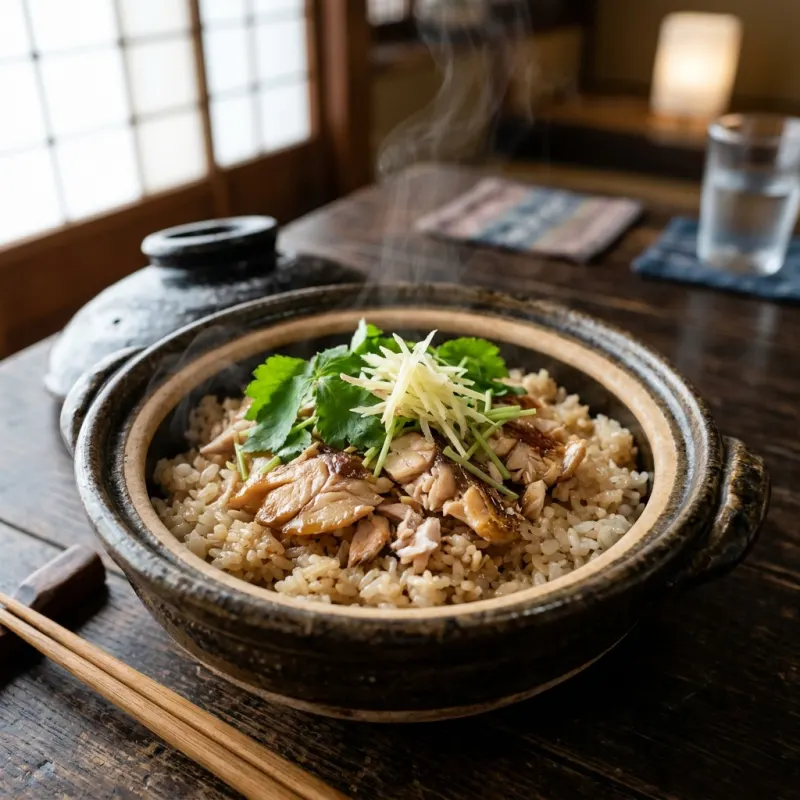
Tai-meshi - Fresh Seto Inland Sea red sea bream simmered whole over seasoned rice with dashi, soy sauce, and ginger. The delicate, sweet flakes of fish permeate every grain of rice, creating a savory and aromatic coastal staple.
Authentic Japanese Tai-meshi sea bream rice served in a traditional clay pot

Maya’s Final Checklist for Fukuyama

Logistics shouldn’t be the focus of your trip—the experience should. I’ve hand-vetted these essential partners to ensure your arrival, stay, and exploration are as smooth as an Athenian breeze.

Maya, the human travel expert at TravelingWiz, offering curated, non-AI expertise

Where to Stay

Compare accommodation options and choose a stay that suits your plans and budget.

Air Travel

Compare flight options and find a route that fits your plans.

Local Guides

Connect with local guides for personalized help planning and exploring.

Travel Protection

The “Engineer’s” rule: always have a backup. Secure your trip with a plan that covers every “what if” and unexpected change.

Car Rentals

Compare rental options and choose a car that suits your trip.

Visa Information

Don’t let paperwork slow you down. Get expert assistance with your application to ensure all your entry documents are in order.

FAQs

Fukuyama is a major stop on the Sanyo Shinkansen bullet train line, situated roughly 25 minutes from Hiroshima Station and 1 hour from Shin-Osaka Station.
Direct local buses operated by Tomotetsu Bus depart from bus stop #5 outside the South Exit of Fukuyama Station approximately every 20 minutes, taking around 30 minutes to reach Tomonoura port.
Yes, Fukuyama makes an outstanding half-day or full-day trip, especially for travelers wanting to explore Tomonoura’s historic port and the castle park right outside the station.
Homeishu is an herbal liqueur unique to Tomonoura, brewed using sweet mirin and 16 medicinal herbs according to centuries-old Edo period recipes.

Your Insights Matter

TravelingWiz grows through the stories of our community. If you’ve recently explored ,Fukuyama share your tips and stories to help us perfect our guides for the next traveler.

Where should we send your offline card?

We hate spam just as much as you do

newsletter_consent *