Yamaguchi Prefecture occupies the southwestern tip of Japan's main island of Honshu, bordered by the turbulent Sea of Japan on the north and the tranquil Seto Inland Sea to the south. Historically known as the Choshu Domain, this region played a pivotal catalyst role in ending the Tokugawa shogunate and ushering in the Meiji Restoration during the late 19th century. Today, Yamaguchi combines this monumental political heritage with breathtaking natural wonders, retaining an unhurried, pastoral lifestyle that feels worlds away from Japan's crowded megalopolises.
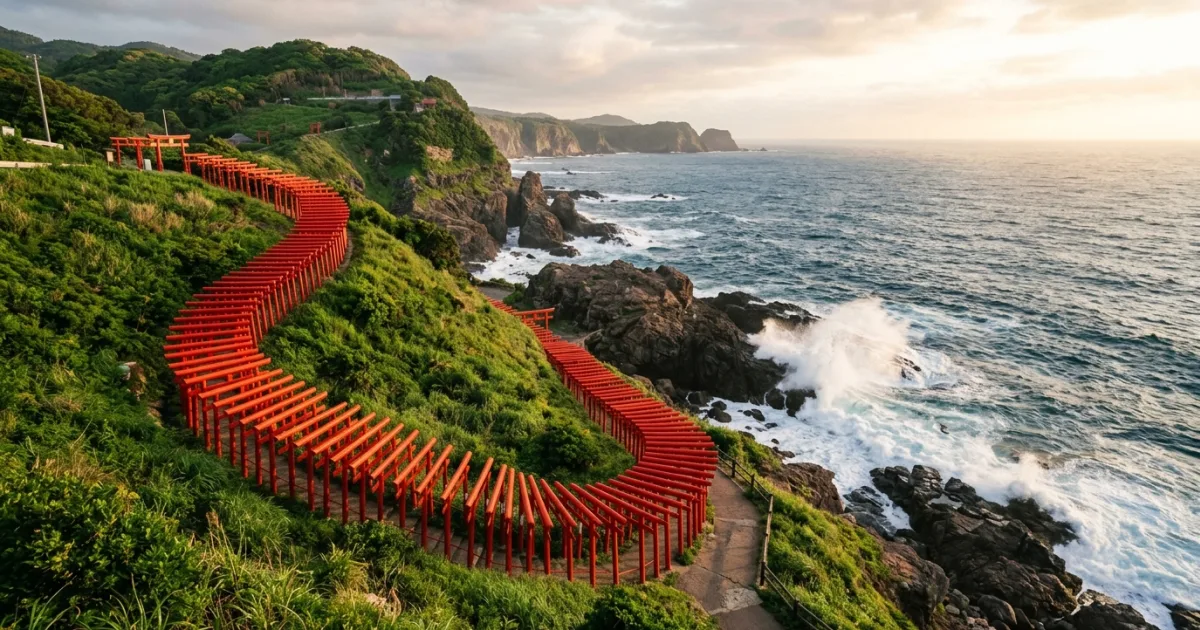
Visitors are drawn to the dramatic contrast between Yamaguchi's inland karst landscapes and pristine coastal promontories. Akiyoshidai Plateau forms Japan's largest karst tableland, riddled with subterranean caverns including the awe-inspiring Akiyoshido Cave. Along the northern coast, 123 vermilion torii gates snake toward ocean cliffs at Motonosumi Shrine, while Tsunoshima Bridge sweeps gracefully over crystal-clear emerald water. In heritage towns like Hagi and Chofu, preserved mud-brick walls and samurai villas showcase centuries of refined arts, particularly the soft, subtly cracked glaze of Hagiyaki tea ceramics.
Reasons to Visit
- Marvel at the stunning tunnel of 123 vermilion torii gates at Motonosumi Shrine perched high above crashing ocean breakers.
- Stroll through Hagi, an exceptionally well-preserved feudal castle town renowned for samurai residences and Hagiyaki pottery.
- Descend into Akiyoshido Cave, a vast limestone cavern featuring underground waterfalls and tiered rimstone pools.
- Drive across the breathtaking Tsunoshima Bridge, celebrated for sweeping views of vibrant cobalt and turquoise waters.
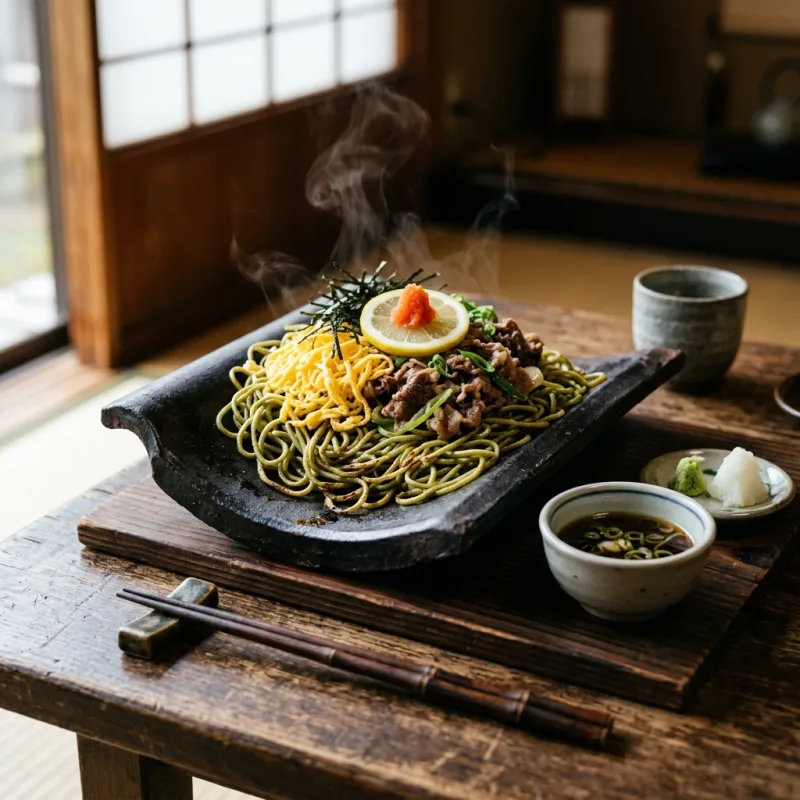
- Savor authentic pufferfish (fugu) in Shimonoseki and sizzling green tea Kawara soba served on traditional clay tiles.
Things to Avoid
- Avoid relying exclusively on public transit to visit remote coastal attractions like Motonosumi Shrine or Senzaki; bus schedules are infrequent.
- Do not forget to keep ample physical cash on hand, as many family-run eateries, shrine donation boxes, and rural shops do not accept credit cards.
- Avoid visiting Karato Market late in the afternoon; the weekend seafood sushi stands are best experienced early in the morning before sold out.
- Do not wear slippery or smooth-soled footwear when venturing into Akiyoshido Cave or walking down damp coastal shrine paths.
Local Transportation Tips
Travel across Yamaguchi is anchored by the JR Sanyo Shinkansen, which stops at Shin-Iwakuni, Tokuyama, Shin-Yamaguchi, Asa, and Shin-Shimonoseki, allowing fast transfers from Hiroshima or Hakata. Regional JR lines like the San'in Main Line and Yamaguchi Line traverse picturesque countryside, although departures on secondary lines can be separated by several hours. For comprehensive sightseeing across rural destinations, renting a car from major train stations is the most practical and flexible transportation option.
Travel Etiquette
- Remove your shoes when entering traditional ryokans, temple halls, and tatami dining spaces, switching to indoor slippers provided.
- Observe onsen etiquette by washing and rinsing thoroughly before entering the hot spring communal pools, and keep towels out of the water.
- Speak quietly on public trains and local buses, setting mobile phones to silent mode and refraining from phone calls.
- Deposit trash into hotel bins or designated recycling receptacles, as public trash cans along rural roads and parks are rare.
Recommended Age Group
Yamaguchi Prefecture offers diverse attractions ranging from gentle natural walks to deep historical discovery, making it suitable for multiple travel demographics.
- Babies (0-2 years): Neutral. Cobblestone paths in samurai quarters and uneven stairways at coastal shrines require sturdy baby carriers rather than strollers.
- Kids (3-12 years): Recommended. Exploring the illuminated subterranean passages of Akiyoshido Cave and playing on Tsunoshima's beaches offer wonderful family adventure.
- Teens (13-19 years): Recommended. Highly photogenic locations like Motonosumi Shrine and bridge road trips provide engaging visuals alongside samurai martial history.
- Adults (20-64 years): Recommended. An ideal destination for scenic coastal drives, renowned sake tastings, hot spring relaxation, and authentic culinary heritage.
- Seniors (65+ years): Recommended. Peaceful temple gardens, flat walking courses around Yuda Onsen and Hagi, and restful ryokan hospitality make for an exceptionally comfortable retreat.
Accessibility Level: Medium
- Major train stations such as Shin-Yamaguchi and Shin-Shimonoseki offer elevator access, tactile paving, and accessible restrooms.
- Akiyoshido Cave provides a paved, elevator-accessible elevator entrance and observation platform for wheelchair users to view key limestone formations.
- Motonosumi Shrine features steep, narrow stone steps down cliff edges that are not accessible to wheelchair users or visitors with severe mobility constraints.
- Rental car companies at major stations offer accessible vehicle options when reserved well in advance.
Did You Know?
Yamaguchi Prefecture has produced eight Japanese Prime Ministers—more than any other prefecture in Japan—including the nation's very first prime minister, Ito Hirobumi, whose childhood roots lie in the historic town of Hagi.
Cool Statistics
- 123 torii gates form the coastal cliffside pilgrimage tunnel at Motonosumi Shrine.
- Over 300 meters deep and extending roughly 10 kilometers, Akiyoshido is one of Asia's largest limestone caverns.
- 1,780 meters is the length of the iconic Tsunoshima Bridge, making it one of Japan's longest toll-free bridges over open ocean.






Buy a compatible power adapter for your trip