Yamaguchi City stands as a tranquil haven steeped in samurai lore, Buddhist artistry, and gentle hot springs. Often overlooked in favor of bustling metropolitan hubs, this historic jewel flourished during the 14th to 16th centuries when the Ouchi clan transformed the valley into a thriving cultural counterweight to Kyoto. Its grid-patterned streets, stone bridges along the willow-lined Ichinosaka River, and forested temple grounds preserve an atmosphere of reflective elegance.
Today, visitors can experience a balanced blend of timeless heritage and quiet modern living. From soaking weary feet in mineral-rich public baths while learning the folklore of the white fox to marveling at the five-story pagoda of Ruriko-ji, the city invites deliberate, unhurried exploration away from heavy tour groups.
Reasons to Visit
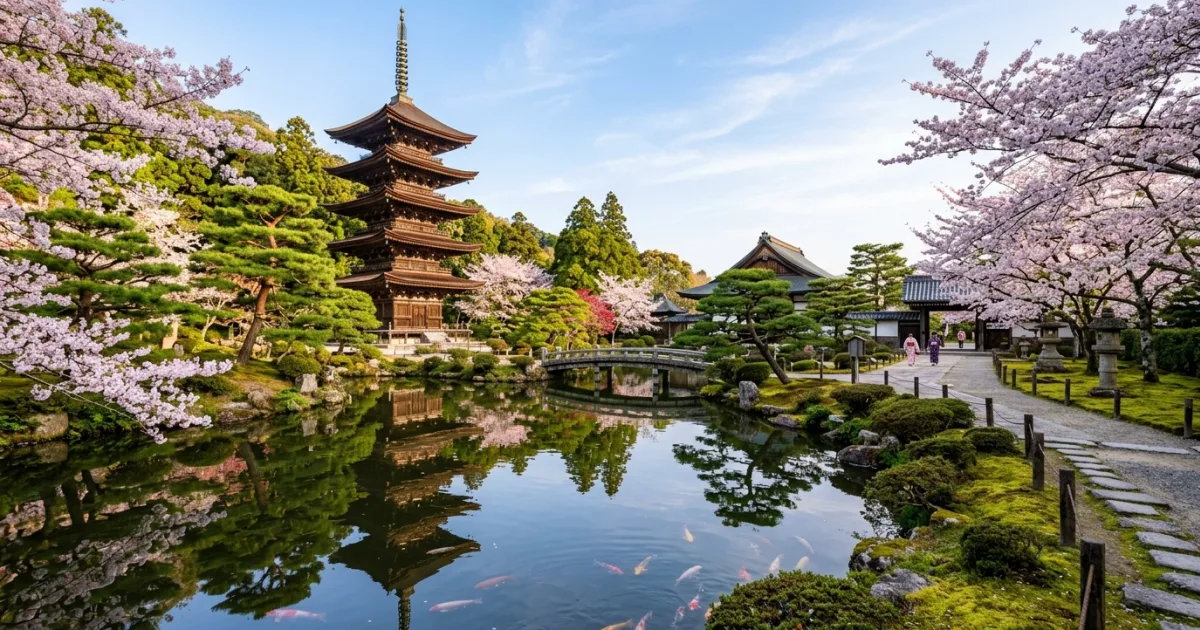
- View the majestic 15th-century five-story pagoda of Ruriko-ji, celebrated as a National Treasure of Japan.
- Unwind in Yuda Onsen, a therapeutic hot spring haven boasting multiple free public footbaths and historic ryokan.
- Explore Joei-ji Temple's Zen rock and moss garden, masterfully designed by the legendary ink painter Sesshu.
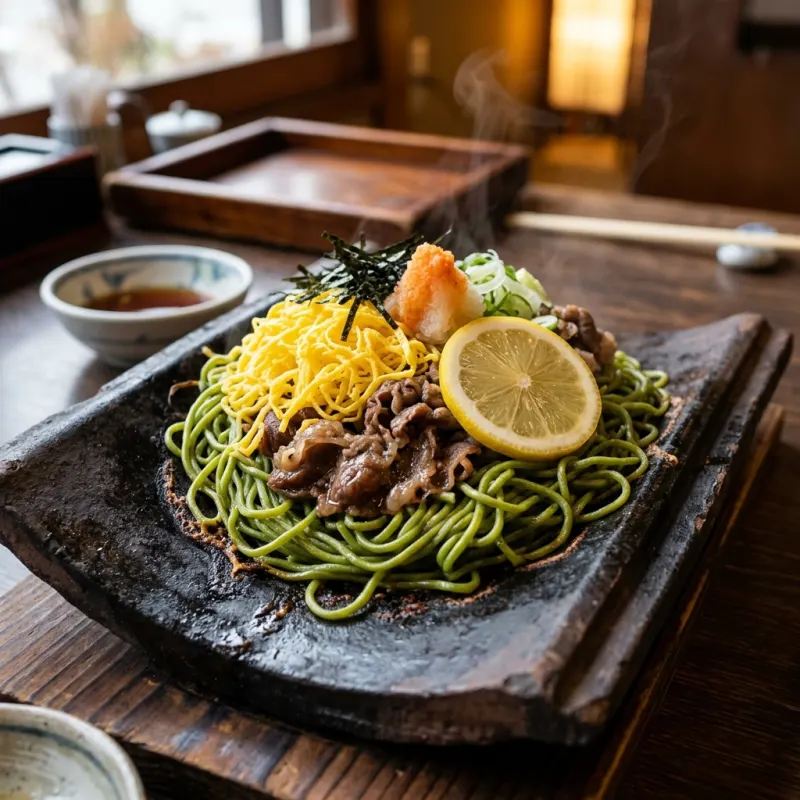
- Taste unique regional culinary creations like Kawara Soba served hot on genuine ceramic roof tiles.
- Enjoy peaceful walking trails and seasonal cherry blossoms along the scenic Ichinosaka River canal.
Things to Avoid
- Avoid confusing Yamaguchi Station with Shin-Yamaguchi Station; the Shinkansen only stops at Shin-Yamaguchi.
- Avoid wearing footwear into temple halls, tatami-matted dining areas, or traditional accommodations.
- Do not rely exclusively on credit cards, as rural shops and temple donation areas require physical yen notes and coins.
- Avoid rushing visits to Joei-ji and Ruriko-ji; their contemplative gardens are best experienced at a slow pace.
Local Transportation Tips
Local transportation within Yamaguchi City centers around the JR Yamaguchi Line connecting Shin-Yamaguchi, Yudaonsen, and Yamaguchi stations. Bocho Bus services operate regular routes connecting major sights, while rental bicycles available at major train stations provide an eco-friendly and flexible way to explore the level valley terrain.
Travel Etiquette
- Wash thoroughly with soap and water at bathing stalls before entering any communal onsen soaking pool.
- Keep voices quiet and step respectfully when visiting active Buddhist temples and Shinto shrines.
- Carry personal trash with you until returning to your hotel room or locating public disposal bins at convenience stores.
- Refrain from walking while eating street food; finish snacks near the purchasing vendor.
Recommended Age Group
Yamaguchi City provides a calm, safe environment that appeals across generations, particularly suited for travelers who value heritage, relaxation, and ease of navigation.
- Babies (0-2 years): Neutral. Quiet settings and paved central streets make stroller travel possible, though historic temple grounds feature pebble paths and stairs.
- Kids (3-12 years): Neutral. Open parks and fox-themed statues in Yuda Onsen are engaging, though historical temples may not hold long attention spans.
- Teens (13-19 years): Recommended. Offers interactive cultural discovery, cycling paths, anime-associated heritage, and unique local culinary experiences.
- Adults (20-64 years): Recommended. Ideal for cultural immersions, authentic culinary adventures, relaxing onsen stays, and architectural photography.
- Seniors (65+ years): Recommended. Highly accessible hot spring retreats, tranquil flat walking corridors, and peaceful temple gardens offer serene exploration.
Accessibility Level: Medium
- Shin-Yamaguchi and Yamaguchi train stations feature elevators, ramps, and accessible multi-purpose restrooms.
- The core Yuda Onsen resort area offers flat, well-paved sidewalks with barrier-free footbath access points.
- Temple grounds such as Ruriko-ji and Joei-ji feature gravel paths and traditional wooden thresholds that require assistance for wheelchair users.
- Local city buses feature low-floor boarding, though service frequency on rural routes may require advance schedule planning.
Did You Know?
During the Sengoku period, Jesuit missionary Saint Francis Xavier spent considerable time preaching in Yamaguchi City, establishing one of the earliest Christian communities in Japan under the protective patronage of the local Ouchi warlord.
Cool Statistics
- Home to Ruriko-ji Pagoda, built in 1442 and standing 31.2 meters tall.
- Yuda Onsen discharges over 2,000 tons of hot spring water daily at temperatures around 60 to 70 degrees Celsius.
- More than 600 cherry trees line the banks of the central Ichinosaka River.






Buy a compatible power adapter for your trip