Disclosure: This site contains affiliate links. We may earn a commission if you make a purchase, at no extra cost to you.

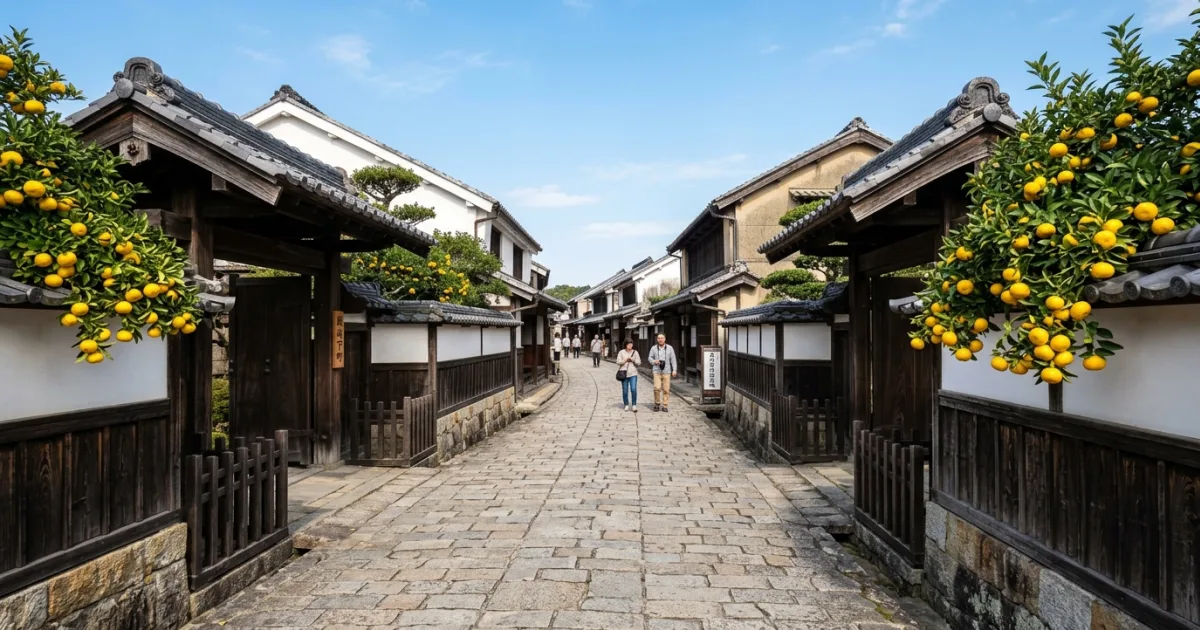
Preserved samurai quarter street with white walls and orange trees in Hagi, Japan

Hagi Overview & Key Highlights

Hagi is an exquisitely preserved former castle town situated on the Sea of Japan coast in northern Yamaguchi Prefecture. Famed as the political cradle of the Meiji Restoration, this historic coastal enclave retains its authentic Edo-period grid plan, complete with white plastered storehouses, pristine samurai residential districts, and serene temple complexes. Travelers encounter a living open-air museum where original earthern walls (tsuchikabe) and vibrant summer orange (natsumikan) orchards frame streets that have changed remarkably little over three centuries. Beyond its profound revolutionary history, Hagi is nationally revered for Hagi-yaki, one of Japan's most celebrated tea ceremony pottery traditions. The town's coastal geography offers tranquil seaside views alongside culinary treasures such as fresh local squid and Yamaguchi fugu. Whether cycling through the preserved Jokamachi quarter or exploring the UNESCO-inscribed industrial heritage sites scattered around its perimeter, Hagi provides an immersive, unhurried cultural refuge far removed from Japan's crowded tourist corridors.

Hagi Travel Guide: Logistics & In-Depth Tips

Hagi stands apart from modern Japanese towns due to its remarkable urban preservation. Founded in 1604 by the Mori clan after their defeat at the Battle of Sekigahara, the castle town was deliberately built along a delta surrounded by the Hashimoto and Matsumoto rivers and the Sea of Japan. Because the town was largely spared from industrial modernization and wartime bombing, its 17th-century town layout remains virtually intact.

The town's legacy is central to Japan's modernization. In the mid-19th century, the visionary philosopher Yoshida Shoin taught a cadre of brilliant young samurai at Shokasonjuku academy in Hagi. His students, including Ito Hirobumi (Japan's first Prime Minister), went on to overthrow the Tokugawa Shogunate and establish modern Japan during the Meiji Restoration. Today, travelers can visit their humble wooden classrooms, walk between earthen walls topped with clay tiles, and observe living crafts that have survived uninterrupted for hundreds of years.

Reasons to Visit

  • Pristine Edo-period samurai districts and preserved merchant quarters with authentic white-plaster walls.
  • World-famous Hagi-yaki pottery traditions celebrated for their refined Japanese wabi-sabi aesthetic.
  • Significant UNESCO World Heritage Sites related to Japan's Meiji Industrial Revolution.
  • Atmospheric Buddhist temples like Toko-ji, featuring hundreds of moss-covered stone lanterns.
  • Delightful cycling terrain along flat streets bordered by blooming summer orange trees.

Things to Avoid

  • Avoid expecting high-speed rail direct to the city center; Hagi requires a scenic local train or highway bus transfer from Shin-Yamaguchi.
  • Avoid planning late-night outings, as most dining spots and shops in Hagi close early in the evening.
  • Avoid touching display pottery pieces without asking or using both hands, as authentic Hagi-yaki masterworks are delicate and prized.
  • Avoid skipping cash preparation; ATMs can be sparse outside convenience stores and post offices.

Local Transportation Tips

Hagi is flat and exceptionally compact, making a bicycle the best mode of transportation. Bicycle rental outlets are located right beside Higashi-Hagi Station and near central lodging areas. For longer distances, the circular 'Hagi Maru Bus' runs two scenic heritage routes through town for a flat fare of 100 JPY per ride.

Travel Etiquette

  • Remove your shoes when stepping onto tatami mats inside historic samurai houses, temples, and traditional shops.
  • Keep cycling speeds moderate in historic quarters, yielding to pedestrians and elderly residents on narrow pathways.
  • Refrain from eating while walking along the historic lanes; consume snacks in designated rest areas or cafe courtyards.

Recommended Age Group

Hagi appeals primarily to travelers interested in quiet cultural immersion, peaceful walking tours, and deep historical narratives.

  • Babies (0-2 years): Neutral. The flat streets accommodate strollers well, though historic residences require taking off shoes and leaving strollers outside.
  • Kids (3-12 years): Neutral. Children may enjoy beach strolls, castle ruins, and cycling, but the town lacks commercial theme parks or high-energy family attractions.
  • Teens (13-19 years): Recommended. Older youth with an interest in samurai lore, pottery making, or scenic cycling will find Hagi engaging and picturesque.
  • Adults (20-64 years): Recommended. Outstanding destination for cultural exploration, tea ceremony ceramics, historic architecture, and fresh coastal seafood.
  • Seniors (65+ years): Recommended. The flat topography, tranquil pace, and easy bus transit make Hagi exceptionally comfortable and rewarding for older travelers.

Accessibility Level: Medium

  • Historic samurai residences feature raised wooden door thresholds and tatami floors that are not wheelchair accessible.
  • The outdoor streets of Jokamachi and Shizuki Park offer relatively flat, paved, or compacted gravel surfaces that are manageable for assisted mobility devices.
  • The Hagi Maru Bus fleet includes low-floor vehicles designed to assist passengers with limited mobility.

Did You Know?

The signature summer orange trees (natsumikan) visible hanging over Hagi's samurai walls were planted in 1876 as a vital cash crop to rescue impoverished samurai who lost their hereditary stipends after the feudal system was abolished.

Cool Statistics

  • Hagi preserves over 5 authentic UNESCO World Heritage industrial and educational sites.
  • The town's street map from 1852 is still functional for navigating the Jokamachi district today.
  • Toko-ji temple contains over 500 moss-covered stone lanterns donated by samurai retainers.

Address:

Hagi, Japan

Find Nearby Accommodations

Basic Info

address icon

COUNTRY & Region

Japan,
Asia

ACCESSIBILITY LEVEL​

Medium
Currency icon

LOCAL CURRENCY​

Japanese Yen (JPY)
Price level icon
Medium
Safety Level icon

SAFETY LEVEL

Duration icon

Recommended Duration

• 1-7 days
• Full day

Electricity

electricity icon

Electricity

100-110V, 
60Hz
Plug Socket icon

Plug Type

• Type A (Flat blade)
• Type B (Flat blade with grounding pin)
Plug types
Click To View Plug Types
Hagi is part of our
Solo Female Friendly collection

Activities To Do In Hagi

Best Time To Visit Hagi

Hagi enjoys a temperate coastal climate, making spring and autumn the prime windows for visiting.

  • March to May: Pleasant temperatures, blooming cherry blossoms at Shizuki Park, and fresh greenery enhance historic walks.
  • October to November: Crisp coastal weather and stunning autumn foliage at Daisho-in and Toko-ji temples.
  • June to August: Humid and hot, though beach walks and summer festivals bring vibrant local energy.
  • December to February: Quieter winter season with occasional snow dusting over castle ruins and samurai walls.

Average Temperatures Per Month

Remember to check the weather forecast a few days before the trip and before heading to the airport.

Safety Level icon

Safety Level

Hagi is exceptionally safe with practically negligible violent crime. Be cautious when cycling along narrow residential alleys where visibility at blind corners between stone walls can be limited. If visiting coastal areas during late summer or early autumn, monitor weather announcements for seasonal typhoons.

The rating is based on multi-year peace, crime, and security indices. Before you go, always verify current conditions through official government travel advisories.

Emergency Numbers

Police: 110
Ambulance: 119

No internet needed • Includes local translations • Free for TravelingWiz readers

Spoken Languages

Japanese (primary). English is available in tourism information centers and major museum displays, but limited in local neighborhood shops.

Learn The Language

  • Konnichiwa – Hello
  • Arigatou gozaimasu – Thank you very much
  • Sumimasen – Excuse me / Sorry
  • Kore wa ikura desu ka? – How much is this?
  • O-kaikei o onegai shimasu – The bill, please
  • Eigo ga hanasemasu ka? – Do you speak English?
  • Kore o kudasai – I will take this, please
  • Doko desu ka? – Where is it?
Travel Booking Partner - TravelingWiz

Trip Cost & Budgeting for Hagi, 2026

Everything you need to know about money while traveling
Is Hagi expensive for tourists in 2026? No, Hagi is surprisingly affordable for visitors, offering great value thanks to favorable exchange rates. You can expect to pay around 450 JPY for a coffee, 550 JPY for a domestic beer, and 1,800 JPY for a mid-range seafood meal. Our Human Verified prices show that this historic castle town offers a comfortable trip without high costs. Use the data table below to calculate your specific daily budget based on your travel style.
Currency icon

LOCAL CURRENCY​:

Japanese Yen (JPY)
Price level icon
Medium
Major hotels accept credit cards, but cash is essential for local buses, small shops, and temple entry fees.

Per person, per day – pocket cash for small purchases.

Local: 1650
Japanese Yen (JPY)
≈ 33 USD

Full daily spend estimation (accommodation, food, transportation, attractions).

Travel Style
Japanese Yen (JPY)
≈ USD ($)
Budget
9100
57
Mid-range
16500
115
Comfort
36300
240

The Prices, Daily costs, and calculator results are estimates for planning purposes only. Actual costs may vary based on season, booking timing, personal spending habits, and currency fluctuations. TravelingWiz cannot be held responsible for discrepancies between these estimates and your final trip expenses.

  • • Rent a bicycle at Higashi-Hagi Station for around 1,000 JPY per day to explore the flat castle town efficiently.
  • • Purchase the Maru Bus day pass for 500 JPY to get unlimited rides around all major historical attractions in town.
  • • Enjoy fresh local seafood teishoku set meals at lunchtime at Hagi Meirin Gakusha for maximum value.
  • • Take advantage of free admission to many historic streets and public gardens, paying minimal entrance fees only for specific museum houses.

Pre-Order Tickets

Avoid disappointment when tickets sell out — and skip the long lines by booking online in advance. You’ll often save up to 20% too.
Save up to 20%

Travel Discounts & Coupons

Save on hotels, attractions, transport, and gear — find verified discounts for smarter travel spending.
Verified Coupons

What To Pack

  • Comfortable walking or cycling shoes for navigating flat, historic stone streets.
  • Slip-on shoes for frequent entry into traditional merchant residences, temples, and pottery workshops.
  • Light rain jacket or compact umbrella for sudden coastal showers off the Sea of Japan.
  • Cash purse or pouch, as small craft workshops and traditional teahouses rarely accept international cards.
  • Sun protection including a hat and sunglasses for open castle grounds and coastal walks.
We couldn't find tips for Hagi.
If you got any, please share

Recommended Itineraries for Traveling to Hagi

We couldn't find itineraries for Hagi.
you can contact us for custom trip plan

Food & Drink Highlights

Local Food Overview

Hagi's culinary culture is shaped by the Sea of Japan's bounty and rich agricultural soils. Fresh seafood is preeminent, highlighted by raw Yamaguchi fugu (blowfish) and kendosaki ika (tender swordtip squid). The town is also famous for natsumikan, a slightly tart summer orange originally planted by out-of-work samurai during the Meiji era to sustain their livelihoods, which is now incorporated into marmalades, citrus ice cream, and traditional wagashi sweets.
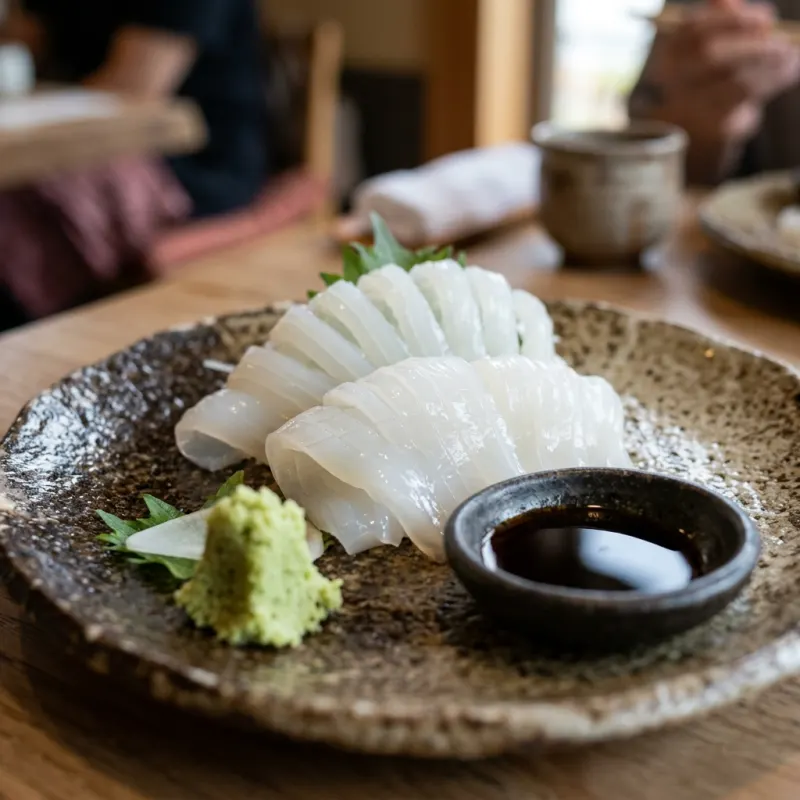
Translucent Japanese swordtip squid sashimi on a traditional Hagi pottery plate

Must Try Dish

Kendosaki Ika Sashimi - Translucent, freshly harvested swordtip squid sliced into delicate noodles displaying a natural sweetness and crisp snap. Served simply with wasabi and local soy sauce, it represents Hagi's coastal culinary perfection.
Food Experiences Title Icon

Food
Experiences

Discover cooking classes, tastings and local food tours

No food experience found
Maya, the human travel expert at TravelingWiz, offering curated, non-AI expertise

Maya’s Final Checklist for Hagi

Logistics shouldn’t be the focus of your trip—the experience should. I’ve hand-vetted these essential partners to ensure your arrival, stay, and exploration are as smooth as an Athenian breeze.

Where to Stay

From boutique hotels to local apartments—compare thousands of options and find the perfect stay in the best neighborhood.

Air Travel

Getting there should be seamless. Compare the best routes and prices across top airlines to start your journey on the right note.

Local Guides

Connect with experts who know the destination best. Get personalized advice and insider tips to help you plan your perfect trip.

Travel Protection

The “Engineer’s” rule: always have a backup. Secure your trip with a plan that covers every “what if” and unexpected change.

Car Rentals

Explore at your own pace with total freedom. Compare reliable rental options and find the right vehicle for your adventure.

Visa Services

Don’t let paperwork slow you down. Get expert assistance with your application to ensure all your entry documents are in order.

FAQs

Travelers typically take the Sanyo Shinkansen to Shin-Yamaguchi Station, then catch the Bocho Bocho express bus directly to Higashi-Hagi Station in approximately 70 minutes.
Hagi-yaki is renowned for its soft, milky-white and salmon glazes, fine crackling patterns (nanabake), and the subtle way tea seeps into the ceramic pores over decades to change its patina.
While the central Jokamachi merchant district is walkable, the wider attractions including Shizuki Castle park and Daisho-in are best explored by renting a bicycle.

Your Insights Matter

TravelingWiz grows through the stories of our community. If you’ve recently explored ,Hagi share your tips and stories to help us perfect our guides for the next traveler.

Related Articles

Check out our related articles and blog posts to learn even more about the destination.

No related articles found

Don’t Travel Alone

Share with your friends and family

Where should we send your offline card?

We hate spam just as much as you do

newsletter_consent *