Disclosure: This site contains affiliate links. We may earn a commission if you make a purchase, at no extra cost to you.
Shimonoseki

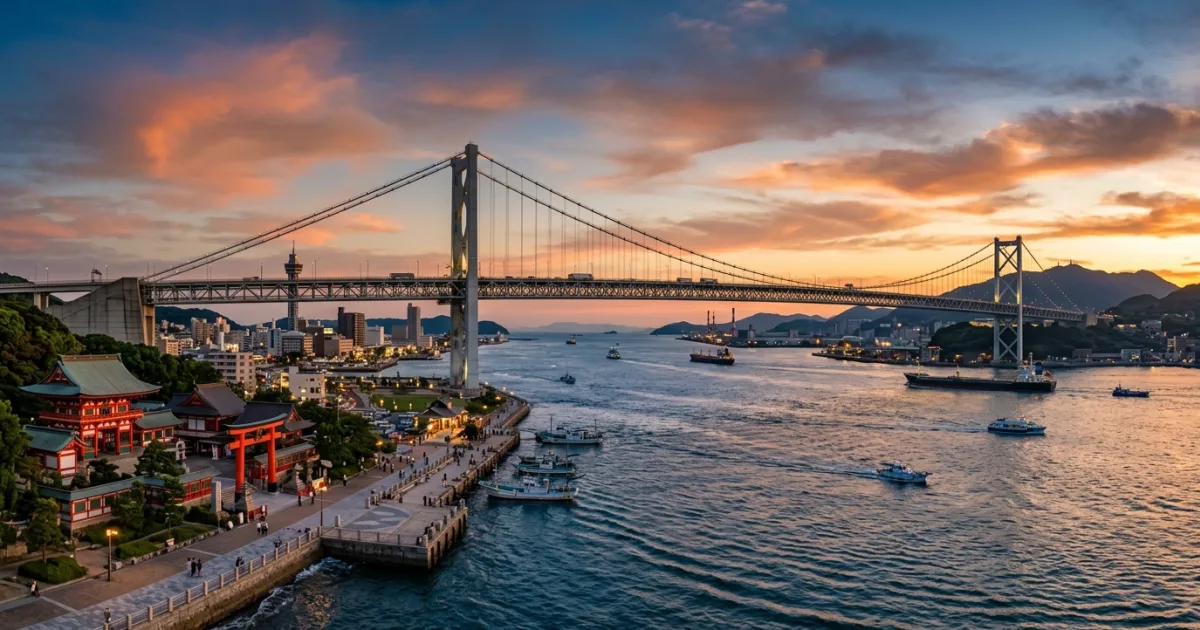
Panoramic view of Kanmon Bridge and coastal Shimonoseki harbor in Yamaguchi Prefecture

Basic Info

COUNTRY & Region

Japan,
Asia

ACCESSIBILITY LEVEL​

  • High: Widely accessible with good facilities for disabilities.
  • Medium: Some accessible options, but limitations exist.
  • Low: Limited accessibility; many barriers for disabilities.
Medium

LOCAL CURRENCY​

Japanese Yen (JPY)

Price Level

Low – budget‑friendly basics

Medium – moderate mid‑range costs

High – pricey lodging, dining & transport

Medium

SAFETY LEVEL

5 shields = Excellent – very low crime or conflict.

4 shields = Safe – low risk, routine care.

3 shields = Relatively safe – use normal street smarts.

2 shields = Use caution – higher crime or periodic unrest.

1 shields = Avoid – active conflict or extreme danger.

Scores are derived from multi-year peace, homicide and security indices blended into a single 1-to-5 scale.

Recommended Duration

1-7 days, Full day

Shimonoseki Overview & Key Highlights

Shimonoseki sits at the southernmost tip of Honshu, guarding the narrow Kanmon Strait facing Kyushu. Renowned across Japan as the historic capital of fugu (blowfish), the city blends culinary prestige with centuries of dramatic maritime heritage, from the legendary 1185 naval Battle of Dan-no-ura to the pivotal 1895 signing of the Treaty of Shimonoseki. Travelers will encounter bustling early-morning seafood trading at Karato Market, iconic scarlet shrines overlooking rushing ocean currents, and the engineering marvel of the Kanmon Pedestrian Tunnel that lets visitors walk under the sea between Japan's main islands. It serves as an accessible cultural gateway offering tranquil harbor views, fresh coastal delicacies, and a relaxed, historic pace away from megacity crowds.

Shimonoseki Travel Guide: Logistics & In-Depth Tips

Shimonoseki occupies an essential geopolitical position at the southwestern tip of Japan's main island of Honshu. Separated from the island of Kyushu by the rapid waters of the Kanmon Strait, the city has witnessed transformative chapters in Japanese history. It was the site of the climactic Dan-no-ura naval battle in 1185, which sealed the downfall of the Heike clan and gave rise to the Kamakura Shogunate, as well as the historic 1895 peace negotiations between Imperial Japan and the Qing Dynasty.

Today, Shimonoseki combines this profound historical weight with vibrant maritime energy. Known nationally as the epicenter of blowfish commerce, thousands of metric tons of fugu pass through the local fish auction houses annually. Modern visitors come to sample street-side sashimi, marvel at the scarlet architecture of Akama Shrine, walk through undersea tunnels linking two major islands, and admire panoramic coastal views from Hinoyama Park.

Reasons to Visit

  • The iconic Karato Market, offering fresh wholesale sushi and sashimi stalls on weekend mornings.
  • The Kanmon Pedestrian Undersea Tunnel, allowing travelers to walk between Honshu and Kyushu beneath the ocean.
  • Akama Shrine, an evocative waterfront shrine dedicated to the child Emperor Antoku, built in the style of the mythical undersea Dragon Palace.
  • Authentic multi-course Fugu Kaiseki dining prepared by certified master chefs.
  • Picturesque views of the Kanmon Bridge, illuminated against the twilight waters of the busy shipping channel.

Things to Avoid

  • Avoid arriving at Karato Market on weekday afternoons expecting the sushi market festival, as vendor stalls only assemble Friday through Sunday.
  • Do not ignore swift current warnings along the shoreline of the Kanmon Strait; the channel has treacherous tidal rips and swimming is strictly prohibited.
  • Avoid planning your transit solely around trains within the city center, as municipal buses provide far more direct access to waterfront sights than rail lines.

Local Transportation Tips

Shimonoseki is served by JR Shimonoseki Station (conventional lines) and JR Shin-Shimonoseki Station (Sanyo Shinkansen bullet train). The waterfront tourist corridor, including Karato Market and Akama Shrine, is most efficiently accessed via frequent Sanden Kotsu municipal buses running from Shimonoseki Station's east bus terminal. The Kanmon Ferry links Karato Pier to Mojiko Port in Kitakyushu in just five minutes.

Travel Etiquette

  • Dispose of sushi trays and takeaway waste responsibly in designated market sorting bins; street littering is frowned upon.
  • Maintain quiet decorum at Akama Shrine, which serves as a solemn resting sanctuary for the fallen Heike clan.
  • Remove outdoor footwear whenever stepping onto tatami mats in ryokans, historical monuments, or traditional dining establishments.

Recommended Age Group

Shimonoseki offers balanced activities ranging from relaxed market strolls to historic sites suitable across multiple generations.

  • Babies (0-2 years): Neutral. Paved coastal promenades are stroller-friendly, though crowded market weekends can be challenging to navigate.
  • Kids (3-12 years): Recommended. Children enjoy walking beneath the ocean in the Kanmon Tunnel and visiting the nearby Kaikyokan public aquarium.
  • Teens (13-19 years): Recommended. Affordable market sushi, scenic ferry rides, and military-era coastal ruins provide engaging exploration.
  • Adults (20-64 years): Recommended. Premier seafood dining, dramatic samurai history, and serene seaside walking make it an ideal trip.
  • Seniors (65+ years): Recommended. Flat waterfront walking paths, comfortable ferry connections, and culturally rich shrines offer accessible leisure.

Accessibility Level: Medium

  • The Kanmon Pedestrian Tunnel features spacious elevators on both the Shimonoseki and Mojiko portals with flat, fully barrier-free pedestrian walkways.
  • Karato Market features elevator access to second-floor dining and flat wide aisles, though weekend mornings see significant foot traffic.
  • Municipal Sanden Kotsu low-floor buses serve the primary route between Shimonoseki Station and the Karato waterfront.

Did You Know?

Locals in Shimonoseki intentionally pronounce pufferfish as 'fuku' rather than the standard Japanese 'fugu', because 'fuku' shares its pronunciation with the Japanese word for good luck and fortune.

Cool Statistics

  • The Kanmon Pedestrian Tunnel stretches 780 meters underneath the seafloor, taking about 15 minutes to cross on foot.
  • Shimonoseki handles the vast majority of Japan's commercial fugu trade, processing over 80% of nationwide catch.
  • The tidal currents in the narrow Kanmon Strait can surge up to 9.4 knots (approx. 17 km/h), ranking among the fastest in Japan.

Address:

Shimonoseki, Japan

Find Nearby Accommodations

Electricity

100-110V, 
60Hz

Plug Type

Type A (Flat blade), Type B (Flat blade with grounding pin)
Plug types
Click To View Plug Types
Shimonoseki is part of our
Solo Female Friendly collection

Activities To Do In Shimonoseki

Best Time To Visit Shimonoseki

Shimonoseki enjoys a temperate maritime climate, making it pleasant to explore throughout most seasons.

  • Spring (March to May): Mild temperatures, blooming cherry blossoms at Hinoyama Park, and comfortable weather for walking along the strait.
  • Autumn (September to November): Crisp, dry air ideal for outdoor sightseeing and the official beginning of peak winter fugu culinary season.
  • Winter (December to February): Chilly coastal winds, but the absolute finest culinary period for premium tiger pufferfish dining.

Average Temperatures Per Month

Average monthly temperaturesMonthly source values, with Celsius and Fahrenheit equivalents in the following data table.0°32°9°48°18°64°26°79°35°95°JanJan: 7°C / 45°FFebFeb: 7°C / 45°FMarMar: 11°C / 52°FAprApr: 14°C / 57°FMayMay: 18°C / 64°FJunJun: 22°C / 72°FJulJul: 26°C / 79°FAugAug: 28°C / 82°FSepSep: 25°C / 77°FOctOct: 19°C / 66°FNovNov: 14°C / 57°FDecDec: 8°C / 46°F
View temperature data
Average monthly temperatures
Month°C°F
Jan745
Feb745
Mar1152
Apr1457
May1864
Jun2272
Jul2679
Aug2882
Sep2577
Oct1966
Nov1457
Dec846

Remember to check the weather forecast a few days before the trip and before heading to the airport.

Safety Level

5 shields = Excellent – very low crime or conflict.

4 shields = Safe – low risk, routine care.

3 shields = Relatively safe – use normal street smarts.

2 shields = Use caution – higher crime or periodic unrest.

1 shields = Avoid – active conflict or extreme danger.

Scores are derived from multi-year peace, homicide and security indices blended into a single 1-to-5 scale.

Shimonoseki is exceptionally safe, with virtually non-existent violent crime rates and welcoming locals. Exercise standard care around slippery market floors at Karato Market and hold onto railings when navigating windy coastal observation decks at Hinoyama.

The rating is based on multi-year peace, crime, and security indices. Before you go, always verify current conditions through official government travel advisories.

Emergency Numbers

Police: 110
Ambulance: 119

No internet needed • Includes local translations • Free for TravelingWiz readers

Spoken Languages

Japanese (standard and Yamaguchi dialect); limited English available at major transit hubs and tourist info desks.
Travel Booking Partner - TravelingWiz

Learn The Language

  • Konnichiwa – Hello
  • Arigatou gozaimasu – Thank you very much
  • Sumimasen – Excuse me / Pardon
  • Kore wa ikura desu ka? – How much is this?
  • Fugu wa arimasu ka? – Do you have blowfish?
  • O-kaikei kudasai – Check, please
  • Eigo ga hanasemasu ka? – Can you speak English?
  • Tasukete kudasai – Please help me

Trip Cost & Budgeting for Shimonoseki, 2026

Everything you need to know about money while traveling
Is Shimonoseki expensive for tourists in 2026? Generally no, Shimonoseki offers moderate, affordable pricing compared to Japan's major metropolitan centers. You can expect to pay around 525 JPY for a cappuccino, 600 JPY for a domestic draft beer, and about 3,400 JPY for a mid-range restaurant meal. Based on Human Verified prices, it is a budget-friendly regional stop. Use the data table below to calculate your specific daily budget based on your travel style.

LOCAL CURRENCY​:

Japanese Yen (JPY)

Price Level:

Low – budget‑friendly basics

Medium – moderate mid‑range costs

High – pricey lodging, dining & transport

Medium

Cards Vs. Cash

Credit cards are widely accepted at hotels and major shops, but cash is necessary for local markets like Karato Market.

How Much Cash to Carry (on you)

Per person, per day – pocket cash for small purchases.

Local: 1650
Japanese Yen (JPY)
≈ 10 USD

Average Daily Costs (per person)

Full daily spend estimation (accommodation, food, transportation, attractions).

Travel Style
Japanese Yen (JPY)
≈ USD ($)
Budget
9100
57
Mid-range
16500
103
Comfort
36300
227
Note

The Prices, Daily costs, and calculator results are estimates for planning purposes only. Actual costs may vary based on season, booking timing, personal spending habits, and currency fluctuations. TravelingWiz cannot be held responsible for discrepancies between these estimates and your final trip expenses.

Best Value Tips

  • • Visit Karato Market on weekends for cheap fresh sushi and seafood stalls rather than expensive sit-down restaurants.
  • • Buy an IC card or local pass for seamless and discounted travel on local buses and Kanmon Strait ferries.
  • • Stay in business hotels near Shimonoseki Station for competitive room rates and complimentary breakfast.
  • • Walk through the free Kanmon Pedestrian Tunnel to reach Mojiko instead of paying for extra ferry trips.

Tours & Tickets

Explore tours, attractions, and ticket options to plan your visit.
Plan ahead

Travel Offers & Coupons

Browse travel offers and coupons from our affiliate partners.
Affiliate partner offers

What To Pack

  • Slip-on walking shoes for frequent entry into shrines, temples, and tatami dining rooms.
  • Light windbreaker or maritime jacket, as coastal breezes across the Kanmon Strait can be brisk year-round.
  • Coin pouch or compact wallet for market stalls, coin lockers, and local bus transit.
  • Pocket Wi-Fi device or Japanese eSIM to navigate municipal bus routes efficiently.
Only the good stuff!
Browse recommended travel gear
Check out our free packing list tool

Recommended Itineraries for Traveling to Shimonoseki

Take your itinerary with you

Choose a ready-made itinerary, plan your own trip, and keep TravelingWiz by your side while you travel.

Get the TravelingWiz app

Food & Drink Highlights

Local Food Overview

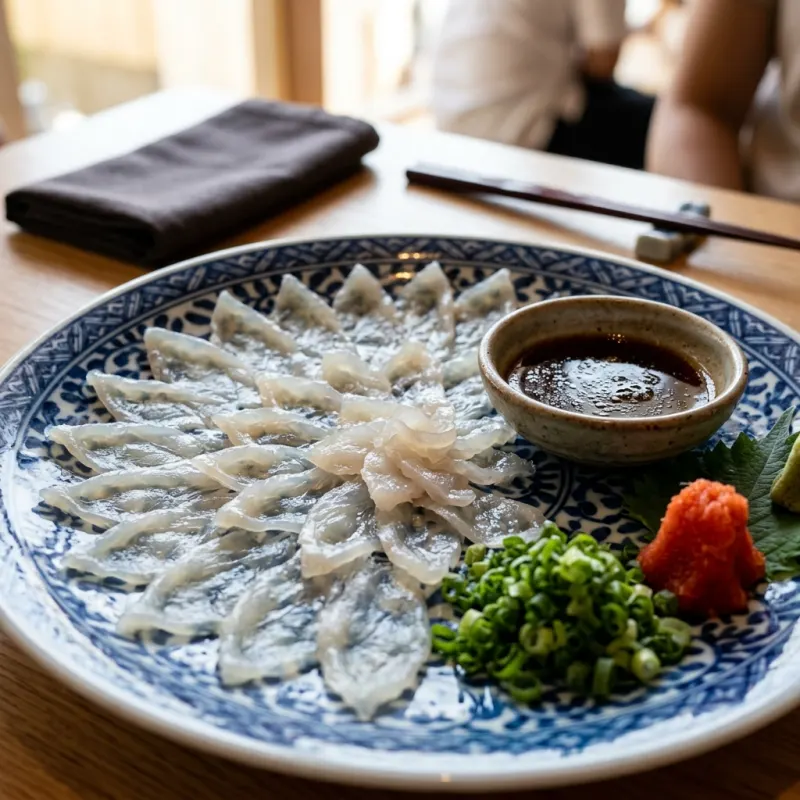
Shimonoseki is globally celebrated as the pufferfish capital of Japan, legally referred to locally as fuku (meaning good fortune). Local culinary masters hold rigorous specialized licenses to slice this delicate fish into translucent, paper-thin sashimi arranged in chrysanthemum patterns. Beyond blowfish, the coastal waters yield exquisite sea urchin (uni), squid, and Kawara Soba—green tea cha-soba noodles cooked sizzling hot on a historic curved roof tile garnished with sliced beef, shredded omelet, and lemon.

Must Try Dish

Fugu Sashimi (Tessa) - Paper-thin translucent slices of fresh pufferfish artfully arranged to resemble a blooming chrysanthemum blossom. Served alongside tangy ponzu dipping sauce, finely chopped scallions, and spicy momiji-oroshi grated radish.
Authentic Japanese fugu sashimi arranged in a floral pattern on an artisan ceramic plate

Maya’s Final Checklist for Shimonoseki

Logistics shouldn’t be the focus of your trip—the experience should. I’ve hand-vetted these essential partners to ensure your arrival, stay, and exploration are as smooth as an Athenian breeze.

Maya, the human travel expert at TravelingWiz, offering curated, non-AI expertise

Where to Stay

Compare accommodation options and choose a stay that suits your plans and budget.

Air Travel

Compare flight options and find a route that fits your plans.

Local Guides

Connect with local guides for personalized help planning and exploring.

Travel Protection

The “Engineer’s” rule: always have a backup. Secure your trip with a plan that covers every “what if” and unexpected change.

Car Rentals

Compare rental options and choose a car that suits your trip.

Visa Information

Don’t let paperwork slow you down. Get expert assistance with your application to ensure all your entry documents are in order.

FAQs

Yes, completely safe. Chefs in Shimonoseki undergo years of intensive training and must pass rigorous governmental licensing examinations before preparing pufferfish for public consumption.
You can take a brief 5-minute passenger ferry from Karato Pier across the strait, walk beneath the ocean through the 780-meter Kanmon Pedestrian Tunnel, or ride the JR train via the Kanmon undersea railway tunnel.
The famous weekend open-market stalls (Ikitai-Maji) run on Fridays and Saturdays from 10:00 to 15:00, and Sundays and public holidays from 08:00 to 15:00. Arrive early for the best sushi selections.

Your Insights Matter

TravelingWiz grows through the stories of our community. If you’ve recently explored ,Shimonoseki share your tips and stories to help us perfect our guides for the next traveler.

Where should we send your offline card?

We hate spam just as much as you do

newsletter_consent *