The Chubu region, translating literally to 'Central Region', is the geographic and cultural heart of Japan. Spanning from the Pacific Ocean to the Sea of Japan, it encompasses a vast array of landscapes. The defining feature of Chubu is the Japanese Alps, a series of majestic mountain ranges that offer world-class hiking, skiing, and alpine sightseeing. Nestled within these mountains are hidden valleys preserving centuries-old ways of life, most notably the UNESCO World Heritage site of Shirakawa-go, famous for its gassho-zukuri farmhouses designed to withstand heavy winter snowfall.
Beyond its natural wonders, Chubu is steeped in samurai history and artisanal heritage. The city of Kanazawa rivaled Kyoto in cultural achievements during the Edo period and remains a hub for gold leaf production, traditional tea houses, and the stunning Kenrokuen Garden. Meanwhile, the Kiso Valley offers travelers the chance to walk the Nakasendo, an ancient highway connecting Kyoto and Edo (Tokyo), passing through meticulously preserved post towns like Tsumago and Magome. Whether you are seeking the urban energy and industrial prowess of Nagoya or the tranquil, healing waters of an alpine onsen, Chubu provides a deeply authentic Japanese experience.
Reasons to Visit
- The Japanese Alps: Unparalleled opportunities for hiking, mountaineering, and winter sports in destinations like Kamikochi and Hakuba.
- Historic Preservation: Step back in time in the beautifully preserved Edo-period streets of Takayama, Kanazawa, and the Nakasendo post towns.
- World-Class Hot Springs: Relax in renowned onsen towns such as Gero, Wakura, and Shibu Onsen, where you can also see the famous snow monkeys.
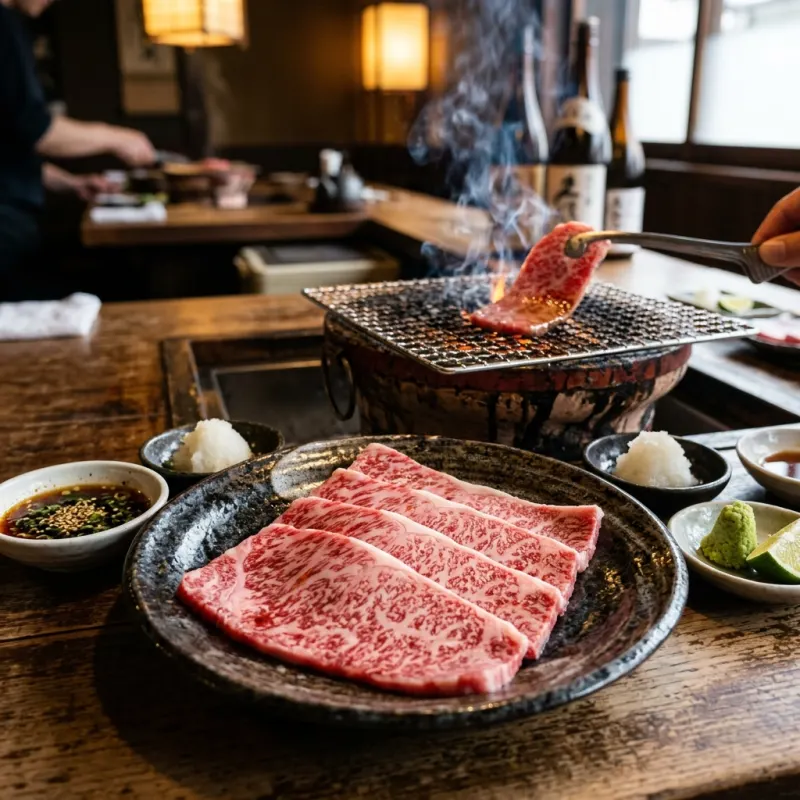
- Culinary Excellence: Indulge in regional specialties including Hida beef, fresh sushi from Toyama Bay, and Nagoya's unique red miso dishes.
- UNESCO Heritage: Marvel at the unique architectural design of the thatched-roof houses in Shirakawa-go and Gokayama.
Things to Avoid
- Ignoring weather warnings: The alpine regions can experience sudden weather changes and heavy snowfall; always check forecasts before hiking or driving.
- Disrespecting onsen etiquette: Remember to wash thoroughly before entering the bath, keep towels out of the water, and check tattoo policies in advance.
- Relying solely on credit cards: Many rural ryokans, small restaurants, and local buses only accept cash.
- Loud conversations on public transport: Maintain a quiet and respectful demeanor on trains and buses, as is customary in Japan.
- Wearing shoes indoors: Always remove your shoes when entering traditional inns, temples, and some restaurants; look for the step-up area (genkan).
Local Transportation Tips
Chubu is well-connected by Japan's extensive and highly efficient railway network. The Tokaido Shinkansen runs along the southern coast connecting Nagoya to Tokyo and Kyoto, while the Hokuriku Shinkansen services the northern coast, connecting Kanazawa and Toyama to Tokyo. For exploring the mountainous interior, limited express trains like the Hida Wide View offer incredibly scenic journeys. To reach remote areas such as Shirakawa-go or the depths of the Japanese Alps, travelers will need to utilize regional bus networks, which are punctual and comfortable. Renting a car is also a popular option for exploring Chubu's rural areas at your own pace, though winter driving requires experience with snow and ice.
Travel Etiquette
- Bow slightly when greeting others or expressing gratitude.
- Do not tip in restaurants, hotels, or taxis; excellent service is standard and tipping can cause confusion.
- When using chopsticks, never stick them vertically into a bowl of rice or pass food directly from chopstick to chopstick.
- Queue patiently for trains and buses, and wait for passengers to exit before boarding.
- Sort your trash meticulously into combustible, non-combustible, and recyclable bins, which are often found near convenience stores or vending machines.
Recommended Age Group
Chubu offers a diverse range of experiences that cater to various age groups, though the mountainous terrain requires some consideration.
- Babies (0-2 years): Neutral. While Japan is exceptionally safe and clean, navigating rural alpine towns, historic trails, or crowded buses with a stroller can be challenging due to uneven terrain and limited space.
- Kids (3-12 years): Recommended. Children will enjoy interactive science museums in Nagoya, seeing the snow monkeys in Nagano, and the wide-open spaces of the Japanese Alps.
- Teens (13-19 years): Recommended. Teens can engage in active pursuits like skiing, hiking the Nakasendo, and exploring the pop culture and shopping districts of Nagoya.
- Adults (20-64 years): Recommended. Adults can fully appreciate the region's rich culinary heritage, historic post towns, sake breweries, and serene onsen retreats.
- Seniors (65+ years): Recommended. The region offers excellent public transportation, luxurious ryokans with private hot springs, and well-preserved cultural sites that cater to a slower, more relaxed pace of travel.
Accessibility Level: Medium
- Major train stations in cities like Nagoya, Kanazawa, and Toyama are fully equipped with elevators, escalators, and accessible restrooms.
- The Shinkansen and limited express trains offer designated wheelchair spaces, which should be booked in advance.
- Historic sites and rural villages (like Shirakawa-go or the Nakasendo trail) often feature uneven stone paths, steep inclines, and steps, which can present significant challenges for wheelchair users.
- Many modern hotels offer barrier-free rooms, but traditional ryokans may have steps at the entrance (genkan) and narrow corridors. It is crucial to contact accommodations directly to confirm accessibility features.
- Tactile paving is ubiquitous on sidewalks and in transit stations to assist visually impaired travelers.
Did You Know?
Chubu is home to the highest concentration of mountains over 3,000 meters in Japan, earning it the nickname 'The Roof of Japan'. Additionally, the region produces over 99% of Japan's domestic gold leaf, primarily centered in the city of Kanazawa, where you can even eat ice cream wrapped in edible gold.
Cool Statistics
- Chubu encompasses 9 distinct prefectures across central Honshu.
- Mount Fuji, Japan's highest peak at 3,776 meters, sits on the border of the Chubu and Kanto regions.
- The Tateyama Kurobe Alpine Route features snow walls that can reach up to 20 meters high in the spring.
- Nagoya, Chubu's largest city, is the center of Japan's automotive industry and the birthplace of Toyota.
- Shirakawa-go receives some of the heaviest snowfall in the world, averaging over 10 meters annually.






Buy a compatible power adapter for your trip