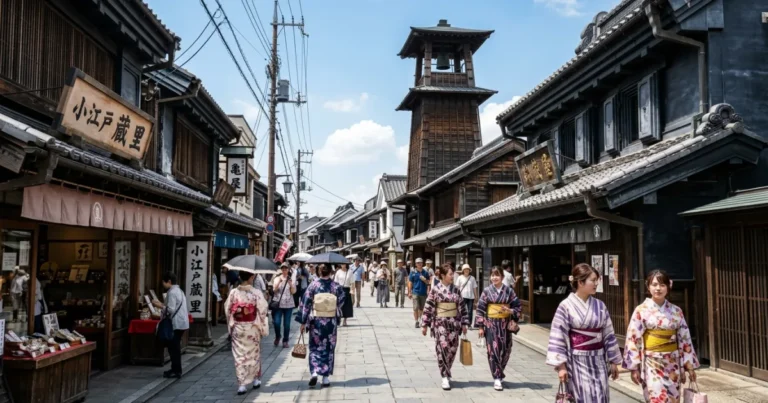
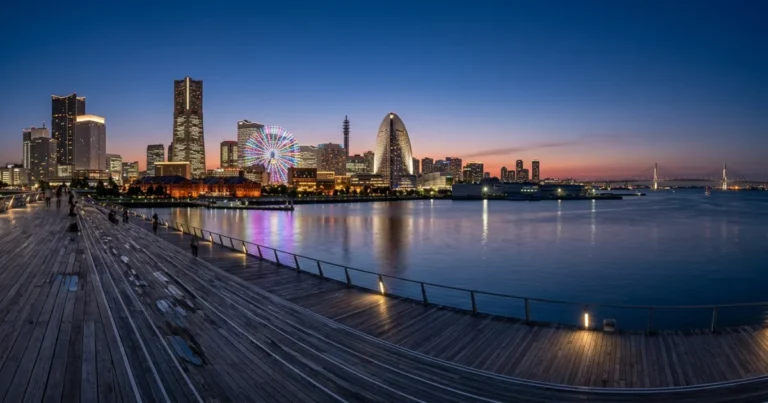
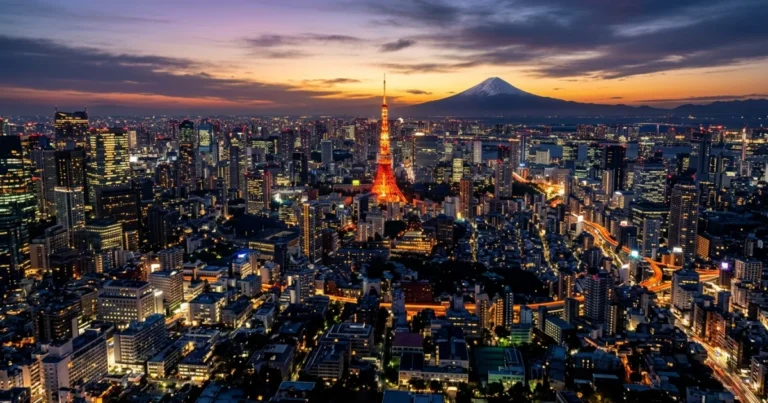
The Kanto region is the beating heart of modern Japan, seamlessly integrating the relentless pace of the world's largest metropolitan economy with pockets of profound historical tranquility. Comprising seven prefectures—Tokyo, Kanagawa, Chiba, Saitama, Ibaraki, Tochigi, and Gunma—Kanto offers a microcosm of the entire country. In Tokyo, visitors are thrust into a futuristic landscape of towering skyscrapers, cutting-edge fashion districts like Harajuku, and technological hubs like Akihabara. Yet, just a short train ride away, the atmosphere shifts dramatically. Kanagawa offers the coastal charm of Yokohama and the ancient, temple-studded hills of Kamakura, often referred to as the Kyoto of Eastern Japan.
Further afield, the region reveals its natural and historical treasures. Tochigi Prefecture is home to Nikko, a UNESCO World Heritage site boasting lavishly decorated shrines set amidst towering cedar forests. Gunma Prefecture draws visitors seeking relaxation in its renowned onsen (hot spring) towns like Kusatsu, nestled in rugged alpine terrain. Chiba provides expansive Pacific coastlines and is the gateway for many international travelers via Narita Airport. The region's infrastructure is a marvel of efficiency, with an intricate web of shinkansen (bullet trains) and local lines making exploration both effortless and exciting. Whether you are a culinary enthusiast, a history buff, or a nature lover, Kanto delivers an exhaustive array of world-class experiences.
Reasons to Visit
- Unmatched Urban Exploration: Experience the vibrant neighborhoods of Tokyo, from the bustling scramble crossing in Shibuya to the upscale boutiques of Ginza.
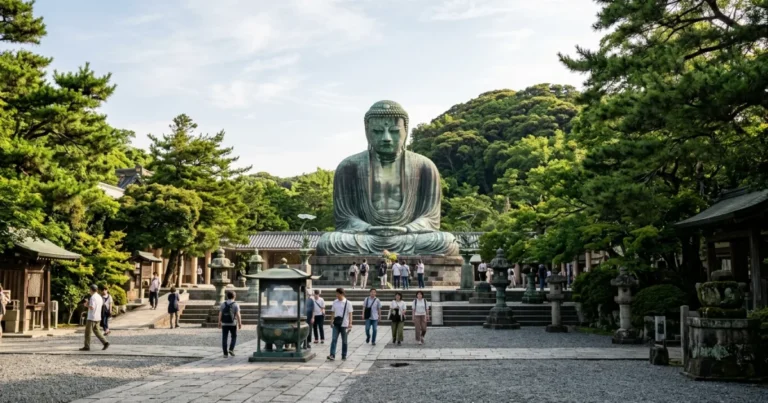
- Rich Historical Sites: Visit UNESCO World Heritage sites like the shrines and temples of Nikko, or the Great Buddha of Kamakura.
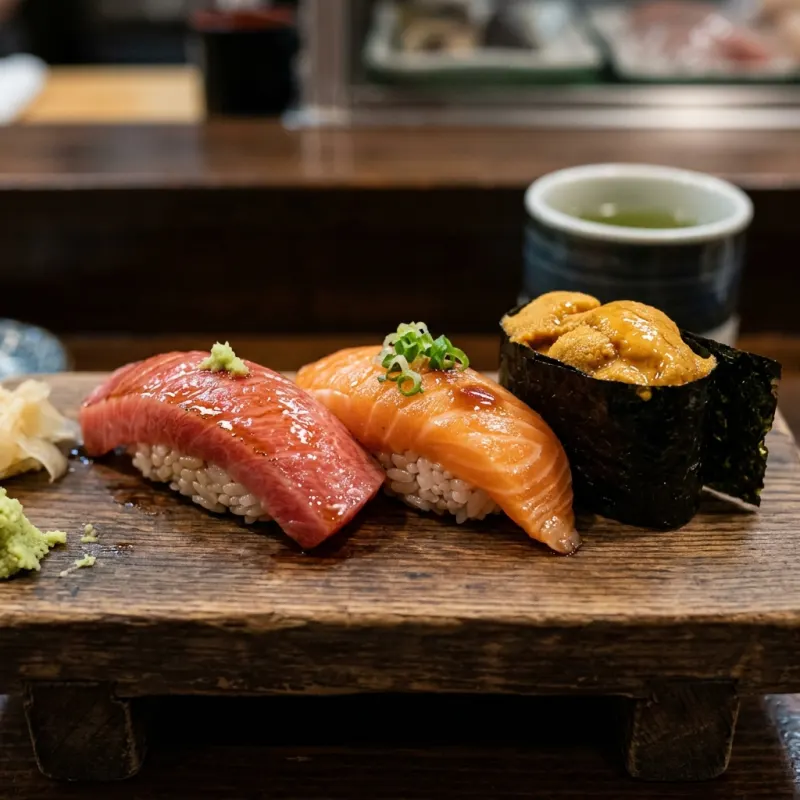
- World-Class Cuisine: Indulge in everything from affordable, mouth-watering street food to the highest concentration of Michelin-starred restaurants in the world.
- Exceptional Public Transit: Navigate the region with ease using one of the most punctual, clean, and extensive railway networks globally.
- Diverse Landscapes: Enjoy a variety of scenery, from the hot springs and mountains of Gunma to the beaches of the Boso Peninsula.
Things to Avoid
- Rush Hour Trains: Avoid traveling on major commuter lines between 7:30 AM and 9:00 AM, as trains become uncomfortably crowded.
- Tipping: Do not leave tips at restaurants, hotels, or in taxis; it is not part of Japanese culture and may cause awkwardness.
- Eating While Walking: Avoid eating or drinking while walking down the street; it is generally considered impolite. Stand by the vending machine or food stall instead.
- Loud Conversations on Transit: Keep your voice down and set your phone to silent mode while riding trains and buses.
- Ignoring Shoe Rules: Pay attention to where you must remove your shoes, especially in traditional inns (ryokan), temples, and some restaurants.
Local Transportation Tips
Kanto boasts one of the most comprehensive and efficient public transportation systems in the world. The backbone of this network is the extensive railway system, operated by JR East alongside numerous private railway companies and subway networks. For seamless travel across different lines, purchasing a rechargeable IC card (such as Suica or Pasmo) is highly recommended. These cards can be tapped at ticket gates and are also accepted at many vending machines and convenience stores. For longer distances within the region, the Shinkansen (bullet train) and limited express trains offer rapid transit to destinations like Nikko, Karuizawa, and the Izu Peninsula. While buses are available, they are generally slower and mostly used for navigating areas not directly serviced by trains.
Travel Etiquette
- Bow slightly when greeting someone or expressing gratitude; handshakes are less common but accepted from foreigners.
- Always remove your shoes when entering a home, a ryokan (traditional inn), and certain areas of temples or restaurants. Use the provided slippers.
- When using an escalator, stand on the left side in Tokyo and most of Kanto, leaving the right side open for those walking up.
- Do not blow your nose loudly in public; it is considered rude. Excuse yourself to a restroom if necessary.
- When paying for goods, place your cash or card in the small tray provided at the register rather than handing it directly to the cashier.
Recommended Age Group
Kanto is a highly versatile destination that caters exceptionally well to travelers of almost all ages, thanks to its world-class infrastructure, safety, and diverse attractions.
- Babies (0-2 years): Neutral. While Japan is very safe and clean, navigating crowded train stations with a stroller can be challenging, and many traditional restaurants lack space for baby gear.
- Kids (3-12 years): Recommended. The region is packed with family-friendly attractions, including Tokyo Disneyland, interactive science museums, and numerous spacious parks.
- Teens (13-19 years): Recommended. Teens will love the pop culture hubs of Akihabara and Harajuku, cutting-edge technology, and vibrant fashion scenes.
- Adults (20-64 years): Recommended. Adults can fully appreciate the incredible culinary scene, dynamic nightlife, historical sites, and extensive shopping opportunities.
- Seniors (65+ years): Recommended. The region offers excellent accessibility, pristine safety, and a wealth of cultural and historical sites that can be explored at a leisurely pace.
Accessibility Level: Medium
- Most major train and subway stations in Kanto are equipped with elevators, escalators, and accessible restrooms.
- Tactile paving (Tenji blocks) is ubiquitous on sidewalks and train platforms to assist visually impaired travelers.
- Many modern hotels in Tokyo and Yokohama offer barrier-free rooms, though they should be booked well in advance.
- While urban centers are highly accessible, some historical sites (like ancient temples in Kamakura or Nikko) may have uneven stone paths or stairs that pose challenges for wheelchair users.
- Buses in major cities are generally equipped with ramps, and drivers are trained to assist passengers with mobility devices.
Did You Know?
Did you know that the Greater Tokyo Area, which makes up the core of the Kanto region, is the most populous metropolitan area in the world? It houses over 37 million residents. Despite this massive population density, Tokyo consistently ranks as one of the safest and cleanest major cities globally. Additionally, Shinjuku Station in Tokyo holds the Guinness World Record for the busiest transport hub, with over 3.5 million people passing through its gates every single day.
Cool Statistics
- Population: Over 43 million people live in the Kanto region, accounting for about one-third of Japan's total population.
- Busiest Station: Shinjuku Station handles approximately 3.5 million passengers daily.
- Michelin Stars: Tokyo alone boasts over 200 Michelin-starred restaurants, more than any other city in the world.
- Vending Machines: Japan has the highest density of vending machines worldwide, with millions scattered across the Kanto region offering everything from hot coffee to umbrellas.
- World Heritage: The Shrines and Temples of Nikko in Tochigi Prefecture were designated a UNESCO World Heritage site in 1999.








Buy a compatible power adapter for your trip