Yokohama transformed from a sleepy fishing hamlet into Japan's chief commercial gateway after Commodore Perry's arrival prompted the opening of its harbor in 1859. As foreign diplomats, merchants, and sailors settled along the coast, the city developed a distinct cosmopolitan identity, introducing Japan to ice cream, beer breweries, photography, and rail travel.
Today, Yokohama seamlessly bridges its historic heritage with futuristic maritime urban planning. The Minato Mirai 21 district features soaring towers, waterfront recreation zones, and the iconic Cosmo Clock 21 Ferris wheel. Inland, historic precincts like Yamate and Motomachi preserve Western-style consulates, cobblestone shopping streets, and boutique bakeries, providing travelers with a dynamic, multifaceted urban escape.
Reasons to Visit
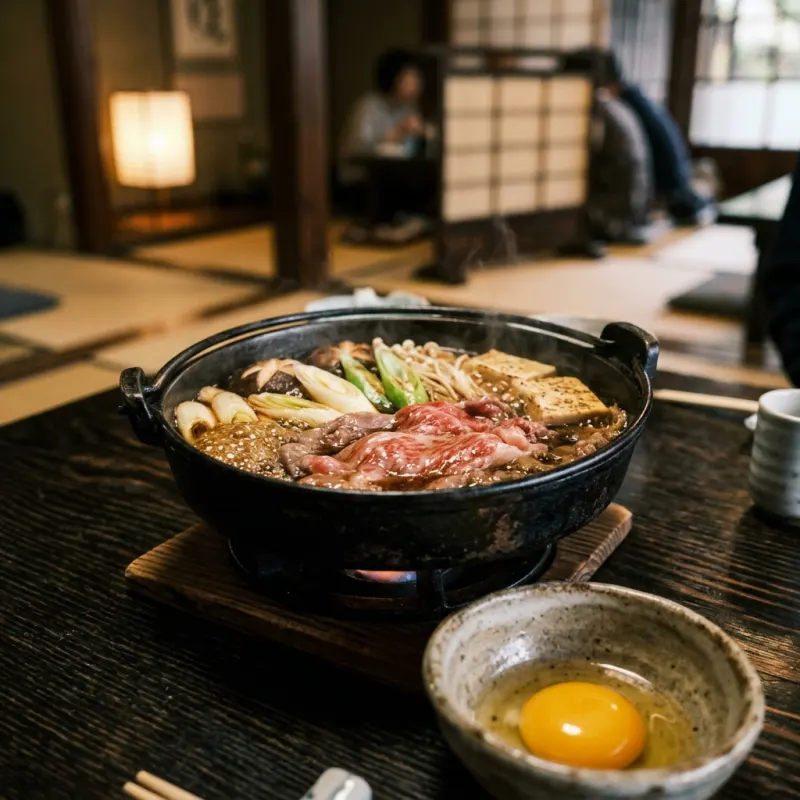
- Vibrant Culinary Scene: Explore Japan's premier Chinatown and regional icons like gyunabe and iekei ramen.
- Breezy Coastal Promenades: Stroll along spacious, barrier-free boardwalks linking Yamashita Park, Rinko Park, and Osanbashi Pier.
- Rich Architectural Contrasts: Tour red-brick Meiji warehouses, preserved European consulates, and ultramodern skyscrapers side by side.
- Effortless Transit: Reach the bayfront in half an hour from Tokyo via direct commuter and express trains.
- Historic Gardens: Wander through Sankeien Garden, an expansive outdoor showcase of genuine historic buildings transported from Kyoto and Kamakura.
Things to Avoid
- Avoid driving a rental car into central Yokohama, as parking fees are steep and urban rail connections are far faster.
- Do not rush through Osanbashi Pier; its undulating wooden rooftop lawn offers one of Japan's best sunset vistas.
- Avoid visiting Chinatown solely on weekend lunch hours without reservations, as queue times at popular dim sum parlors can exceed an hour.
- Do not ignore IC card tap points when transferring between JR and private railway platforms at massive Yokohama Station.
Local Transportation Tips
Yokohama boasts an integrated transit network centered on Yokohama Station. The Minatomirai Line quickly links key tourist nodes including Shin-Takashima, Minatomirai, Bashamichi, and Motomachi-Chukagai. The Yokohama Air Cabin—an urban cable car—connects Sakuragicho Station to the Shinko District across the harbor canal. For above-ground sightseeing, the retro 'Akai Kutsu' loop bus serves all primary cultural landmarks, while sea buses (Sea Bass) offer scenic ferry transit between Yokohama Station, Hammerhead, and Yamashita Park.
Travel Etiquette
- Keep your phone on silent mode (manner mode) and avoid phone calls when riding trains and buses.
- Consume street snacks near the vendor or in designated public seating areas rather than walking along crowded sidewalks while eating.
- Queue orderly in single files on subway platforms behind painted boarding lines.
- Stand on the left side of escalators in Yokohama and the Kanto region, leaving the right side clear for passing commuters.
Recommended Age Group
Yokohama provides a clean, barrier-free urban environment suited to a diverse range of ages.
- Babies (0-2 years): Recommended. Wide, flat seaside promenades, smooth elevators, and extensive nursing facilities in Minato Mirai malls make stroller travel stress-free.
- Kids (3-12 years): Recommended. Interactive attractions like the Cup Noodles Museum, Cosmo World amusement park, and Anpanman Children's Museum provide engaging entertainment.
- Teens (13-19 years): Recommended. Dynamic shopping in Motomachi, anime and gaming spots around Yokohama Station, and thrilling rides appeal strongly to young travelers.
- Adults (20-64 years): Recommended. Sophisticated harbor dining, craft breweries, historical walking tours, and sweeping night skylines cater perfectly to adults and couples.
- Seniors (65+ years): Recommended. Gentle topography, abundant resting benches in harbor parks, accessible public transit, and tranquil spots like Sankeien Garden ensure effortless visits.
Accessibility Level: High
- Broad, continuous level walkways throughout Yamashita Park, Osanbashi Pier, and Minato Mirai provide barrier-free navigation.
- All Minatomirai Line subway stations feature high-capacity elevators, wide ticket gates, and tactile paving.
- The Yokohama Air Cabin cable car cabins offer zero-step level boarding suitable for manual and electric wheelchairs.
- Accessible restrooms (Daretemo Toire) equipped with grab rails and emergency call buttons are standard in transit hubs and public parks.
Did You Know?
Japan's very first railway line was inaugurated in 1872, connecting Shinbashi in Tokyo directly to Yokohama Station (now Sakuragicho Station), slicing travel time from an entire day on foot to just 53 minutes.
Cool Statistics
- Home to over 3.7 million residents, making it Japan's most populous municipality.
- Features Yokohama Chinatown, spanning over 500 square meters with more than 250 distinct shops and restaurants.
- The Yokohama Landmark Tower rises 296 meters (971 feet) and features one of the world's fastest passenger elevators traveling at 45 km/h.
- Osanbashi International Passenger Terminal spans 430 meters with a timber deck designed to emulate ocean swells.






Buy a compatible power adapter for your trip