Disclosure: This site contains affiliate links. We may earn a commission if you make a purchase, at no extra cost to you.

>
>
>
>
Kamakura
The monumental bronze Great Buddha seated at Kotoku-in Temple in Kamakura Japan

Kamakura Overview & Key Highlights

Kamakura is a historic coastal enclave in Kanagawa Prefecture along Sagami Bay, situated less than an hour south of central Tokyo. Serving as the military capital of Japan during the Kamakura shogunate from 1185 to 1333, the area preserves an extraordinary density of centuries-old Zen Buddhist temples, Shinto shrines, and wooded hiking passes carved through coastal bluffs. Today, the town balances profound cultural heritage with a laid-back maritime atmosphere. Visitors can admire the towering bronze Great Buddha at Kotoku-in, wander through the serene bamboo forest at Hokoku-ji, and ride the retro green Enoden tram that hugs the Pacific coastline toward the surf breaks of Yuigahama and the scenic islet of Enoshima.

Kamakura Travel Guide: Logistics & In-Depth Tips

Kamakura occupies a unique natural amphitheater framed by forested hills on three sides and the waters of Sagami Bay to the south. This defensive topography led military leader Minamoto no Yoritomo to establish Japan's first samurai government here in the late 12th century, steering national culture away from the imperial court in Kyoto toward warrior discipline and Zen spiritual practice.

Today, this distinct heritage remains preserved across monumental timber temples like Kencho-ji and Engaku-ji, nestled harmoniously within dense cedar groves. A short journey southward transitions from solemn monastic courtyards to a bustling seaside surf town where historic trams rumble alongside beach roads, offering travelers an effortless fusion of Japanese medieval history and relaxed modern coastal living.

Reasons to Visit

  • Stand before the monumental bronze Great Buddha (Daibutsu) of Kotoku-in, towering 11.3 meters in the open air.
  • Wander through the tranquil moso bamboo grove and sip matcha tea at Hokoku-ji Temple.
  • Ride the nostalgic green Enoden coastal tramline running alongside coastal seawalls with distant views of Mount Fuji on clear days.
  • Explore authentic Zen monastic gardens and historic wood meditation halls at Engaku-ji and Kencho-ji.
  • Hike ancient medieval trading passes through forested ridges connecting Kita-Kamakura to western temples.

Things to Avoid

  • Avoid eating while walking down Komachi-dori; local guidelines discourage ambulatory snacking to reduce street litter and crowding.
  • Do not ignore warnings about black kites (tobi birds) when holding food in the open along Yuigahama Beach.
  • Avoid wearing heavy, laced hiking boots on days focused on temple interiors, as removing footwear at tatami halls is standard protocol.
  • Do not visit Hasedera or Meigetsu-in at peak midday hours during June hydrangea season if you wish to bypass long entry queues.

Local Transportation Tips

Kamakura is linked to Tokyo via direct JR Yokosuka and Shonan-Shinjuku lines in roughly 55 minutes. Within the area, the iconic Enoshima Electric Railway (Enoden) connects Kamakura Station to Fujisawa via Hase and coastal lookouts. Most central temples are thoroughly walkable, and rental bicycles or municipal buses serve more remote eastern valleys.

Travel Etiquette

  • Bow slightly before passing under shrine torii gates and walk along the outer edges of the central approach path (seichu).
  • Purify your hands at the temizuya water pavilion before approaching temple altars or shrine sanctuaries.
  • Maintain quiet inside Zen meditation halls and respect signs prohibiting photography around sacred Buddhist statues.
  • Keep all personal trash with you until returning to your hotel, as public waste bins are scarce.

Recommended Age Group

Kamakura welcomes visitors across all life stages, though its walking-intensive nature favors independent and active travelers.

  • Babies (0-2 years): Neutral. Ancient cobblestones, temple steps, and crowded tramcars make stroller navigation challenging; baby carriers are strongly suggested.
  • Kids (3-12 years): Recommended. Children enjoy the open beaches, retro Enoden tram rides, and the immense scale of the Great Buddha.
  • Teens (13-19 years): Recommended. Excellent coastal surf culture, anime pilgrimage spots like the Kamakurakokomae rail crossing, and vibrant shopping alleys offer strong appeal.
  • Adults (20-64 years): Recommended. Perfect balance of historical sightseeing, coastal hiking, specialty coffee culture, and Zen meditation experiences.
  • Seniors (65+ years): Recommended. Outstanding cultural sites and high transit accessibility, provided travelers pace themselves on temple staircases.

Accessibility Level: Medium

  • Major train stations including Kamakura and Kita-Kamakura provide elevator access and wheelchair-accessible restrooms.
  • Kotoku-in (Great Buddha) features ramp access allowing wheelchair users to reach the statue viewing plaza easily.
  • Historic hillside temples like Hasedera, Zuisen-ji, and Meigetsu-in contain extensive stone stairs with limited barrier-free detours.
  • Paved pathways exist around Tsurugaoka Hachimangu, though central gravel courtyards may require slight assistance for manual wheelchairs.

Did You Know?

The Great Buddha of Kamakura originally sat enclosed within a colossal wooden hall; however, successive typhoons and a massive tsunami in 1498 washed the building away, leaving the bronze statue seated under the open sky ever since.

Cool Statistics

  • Over 65 distinct Buddhist temples and 19 Shinto shrines reside within the municipal borders of Kamakura.
  • The Great Buddha statue weighs approximately 121 metric tons and was cast around 1252.
  • The Enoden rail line has been operating along the picturesque coast since 1902.

Address:

Kamakura, Japan

Find Nearby Accommodations

Basic Info

address icon

COUNTRY & Region

Japan,
Asia

ACCESSIBILITY LEVEL​

Medium
Currency icon

LOCAL CURRENCY​

Japanese Yen (JPY)
Price level icon
Medium
Safety Level icon

SAFETY LEVEL

Duration icon

Recommended Duration

• Full day
• 1-7 days

Electricity

electricity icon

Electricity

100-110V, 
50Hz
Plug Socket icon

Plug Type

• Type A (Flat blade)
• Type B (Flat blade with grounding pin)
Plug types
Click To View Plug Types
Kamakura is part of our
Solo Female Friendly collection

Activities To Do In Kamakura

Best Time To Visit Kamakura

Kamakura offers distinct appeal across all four seasons, with spring and autumn presenting ideal weather for temple walking.

  • March to April: Cherry blossom blooms frame temple gateways across Tsurugaoka Hachimangu and Dankazura avenue.
  • June: The rainy season brings vibrant hydrangeas (ajisai) to Meigetsu-in and Hasedera, drawing widespread admiration despite high foot traffic.
  • October to November: Crisp coastal air and vibrant red autumn foliage peak in early December around Zen gardens.
  • July to August: Peak seaside season with operational beach huts along Yuigahama, though midday heat and humidity can be intense.

Average Temperatures Per Month

Remember to check the weather forecast a few days before the trip and before heading to the airport.

Safety Level icon

Safety Level

Kamakura is exceptionally safe with negligible violent crime rates, making it very comfortable for solo travelers and families. The primary hazards involve steep, mossy stone stairs at temples during rainy conditions, occasional aggressive black kites (tobi raptors) snatching food from hands along the beach and Komachi-dori, and summer coastal heat exhaustion.

The rating is based on multi-year peace, crime, and security indices. Before you go, always verify current conditions through official government travel advisories.

Emergency Numbers

Police: 110
Ambulance: 119

No internet needed • Includes local translations • Free for TravelingWiz readers

Spoken Languages

Japanese is the official and universal language; basic English signage and announcements are present across train lines and prominent tourist sites.

Learn The Language

  • Konnichiwa – Hello
  • Arigatou gozaimasu – Thank you very much
  • Sumimasen – Excuse me / Pardon
  • Kore wa ikura desu ka? – How much is this?
  • Eigo ga hanasemasu ka? – Can you speak English?
  • Tasukete kudasai – Please help me
  • O-kaikei o onegaishimasu – Check, please
  • Koko wa doko desu ka? – Where is this?
Travel Booking Partner - TravelingWiz

Trip Cost & Budgeting for Kamakura, 2026

Everything you need to know about money while traveling
Kamakura functions as a moderately priced destination, where affordable local trains and modest shrine admission fees allow for flexible spending without high mandatory costs. With TravelingWiz's Human Verified data, a typical traveler should expect to spend around $95 USD per day for a mid-range trip. A specialty shirasu rice bowl lunch costs around 1,800 JPY, temple entry tickets run 300 to 500 JPY each, and an unlimited one-day Enoden tram pass costs 800 JPY. Click the Trip Cost Calculator button below the table to work out your personal budget for this trip.
Currency icon

LOCAL CURRENCY​:

Japanese Yen (JPY)
Price level icon
Medium
While major restaurants, souvenir boutiques, and train stations accept international credit cards and IC cards (Suica/Pasmo), cash remains strictly mandatory for temple entrance wickets, goshuin temple stamps, and small street food stalls.

Per person, per day – pocket cash for small purchases.

Local: 4500
Japanese Yen (JPY)
≈ 30 USD

Full daily spend estimation (accommodation, food, transportation, attractions).

Travel Style
Japanese Yen (JPY)
≈ USD ($)
Budget
6800
45
Mid-range
14500
95
Comfort
32000
210

The Prices, Daily costs, and calculator results are estimates for planning purposes only. Actual costs may vary based on season, booking timing, personal spending habits, and currency fluctuations. TravelingWiz cannot be held responsible for discrepancies between these estimates and your final trip expenses.

  • Purchase the Enoshima-Kamakura Freepass from Odakyu Railway for bundled round-trip transit from Shinjuku plus unlimited Enoden rides.
  • Focus on temple clusters located near Kita-Kamakura Station to explore multiple Zen compounds on foot without paying additional transit fares.
  • Sample street eats along Komachi-dori, such as purple sweet potato croquettes and dango skewers, for an affordable casual lunch.
  • Carry a refillable water bottle and take advantage of municipal hydration stations at major transit hubs.

Pre-Order Tickets

Avoid disappointment when tickets sell out — and skip the long lines by booking online in advance. You’ll often save up to 20% too.
Save up to 20%

Travel Discounts & Coupons

Save on hotels, attractions, transport, and gear — find verified discounts for smarter travel spending.
Verified Coupons

What To Pack

  • Slip-on walking shoes for frequent entry into temple tatami rooms
  • Modest clothing covering shoulders and knees for visiting sacred shrines
  • Sturdy walking shoes or light hikers for the unpaved Daibutsu and Tenen trails
  • Small coin purse for temple entrance fees, goshuin calligraphy books, and wooden amulets
  • Compact umbrella or rain shell for coastal weather shifts
  • Sun protection including hat, sunscreen, and polarized sunglasses for the beaches
We couldn't find tips for Kamakura.
If you got any, please share

Recommended Itineraries for Traveling to Kamakura

We couldn't find itineraries for Kamakura.
you can contact us for custom trip plan

Food & Drink Highlights

Local Food Overview

Kamakura's culinary identity is shaped by its dual legacy as an imperial Zen monastic hub and an active Pacific fishing port. Shojin ryori (Buddhist vegetarian cuisine) emphasizes seasonality, balance, and refined tofu preparations served within ancient temple precincts. Along the waterfront, fresh shirasu (baby whitebait) harvested from Sagami Bay is served raw or boiled over steamed rice, accompanied by Kamakura yasai (locally grown heirloom vegetables) prized throughout the Kanto region for their intense sweetness and mineral complexity.
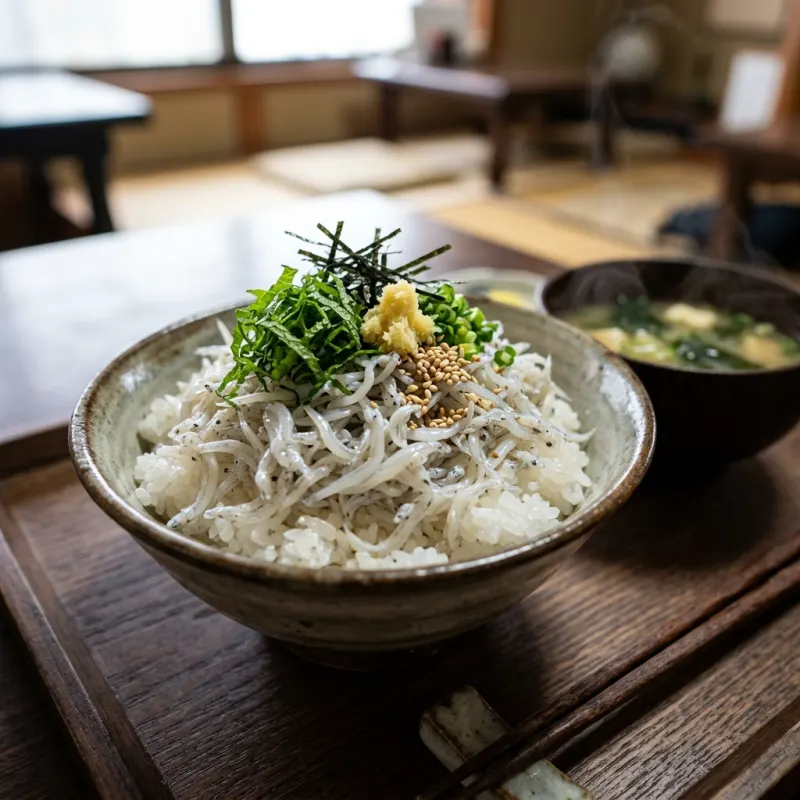
Authentic Japanese Shirasu-don whitebait rice bowl in a ceramic bowl

Must Try Dish

Shirasu-don - A regional rice bowl piled high with tender boiled or fresh raw whitebait harvested directly from Sagami Bay, garnished with grated ginger, shiso leaf, and seaweed.
Food Experiences Title Icon

Food
Experiences

Discover cooking classes, tastings and local food tours

No food experience found
Maya, the human travel expert at TravelingWiz, offering curated, non-AI expertise

Maya’s Final Checklist for Kamakura

Logistics shouldn’t be the focus of your trip—the experience should. I’ve hand-vetted these essential partners to ensure your arrival, stay, and exploration are as smooth as an Athenian breeze.

Where to Stay

From boutique hotels to local apartments—compare thousands of options and find the perfect stay in the best neighborhood.

Air Travel

Getting there should be seamless. Compare the best routes and prices across top airlines to start your journey on the right note.

Local Guides

Connect with experts who know the destination best. Get personalized advice and insider tips to help you plan your perfect trip.

Travel Protection

The “Engineer’s” rule: always have a backup. Secure your trip with a plan that covers every “what if” and unexpected change.

Car Rentals

Explore at your own pace with total freedom. Compare reliable rental options and find the right vehicle for your adventure.

Visa Services

Don’t let paperwork slow you down. Get expert assistance with your application to ensure all your entry documents are in order.

FAQs

Yes, Kamakura is located approximately 55 minutes from Tokyo or Shinjuku Station via the JR Yokosuka Line or JR Shonan-Shinjuku Line, making it an easy and rewarding day trip.
A combination of scenic walking and the historic Enoden electric tram is best. Northern temples are walkable from Kita-Kamakura Station, while Hase-area temples and beaches are reached via the Enoden Line.
Hydrangeas (ajisai) peak from early to late June, particularly at Meigetsu-in (the Hydrangea Temple), Hasedera, and Jojuin.

Your Insights Matter

TravelingWiz grows through the stories of our community. If you’ve recently explored ,Kamakura share your tips and stories to help us perfect our guides for the next traveler.

Related Articles

Check out our related articles and blog posts to learn even more about the destination.

No related articles found

Don’t Travel Alone

Share with your friends and family

Where should we send your offline card?

We hate spam just as much as you do

newsletter_consent *