Disclosure: This site contains affiliate links. We may earn a commission if you make a purchase, at no extra cost to you.

>
>
>
>
Kawagoe
Historic Kurazukuri merchant street and Toki no Kane bell tower in Kawagoe Japan

Kawagoe Overview & Key Highlights

Kawagoe sits roughly thirty minutes northwest of central Tokyo in Saitama Prefecture, serving as an extraordinarily preserved merchant enclave known affectionately as Koedo, or 'Little Edo.' The town flourished during the Edo period as a critical supplier of timber, textiles, and agricultural goods to the Tokugawa shogunate via the Shingashi River. Today, its central thoroughfare displays the Kurazukuri no Machinami, a striking corridor of fireproof clay-walled merchant warehouses dating from the late nineteenth century. Anchored by the iconic Toki no Kane bell tower and the stone paths of Kashiya Yokocho (Candy Alley), the historic core retains a layered architectural narrative spanning timber storehouses, Meiji-era Western banks, and sacred temple precincts. Beyond its architectural merits, Kawagoe functions as a vibrant culinary destination deeply rooted in traditional trades. The area is renowned across eastern Japan for sweet potato cultivation and freshwater eel preparation, two heritage industries established when river transportation linked the town directly to the imperial capital. Visitors can explore centuries-old Buddhist grounds at Kitain Temple, discover historic lacquerware and textile crafts, or sample local craft brews like Coedo beer along charming stone-paved lanes. Kawagoe provides an authentic encounter with classical Japanese urban design and commerce without requiring an overnight journey away from the metropolitan transit grid.

Kawagoe Travel Guide: Logistics & In-Depth Tips

Kawagoe offers one of the most atmospheric glimpses into historic Japan within direct reach of Tokyo's transit hub. Known as 'Koedo' (Little Edo), the town preserves the urban layout and commercial energy of a prosperous trade outpost that once supplied the capital during the Tokugawa regime. Following the Great Fire of Kawagoe in 1893, local merchants constructed heavy multi-layered clay warehouses called kurazukuri to protect their valuables from fire, resulting in the distinctive black-and-grey plaster streetscape seen along the main shopping avenue today.

Beyond its famous streetscapes, Kawagoe houses significant cultural landmarks, including Kitain Temple, which contains the only surviving palace structures from Edo Castle, relocated here in the seventeenth century. Visitors also gravitate toward the three-story wooden Toki no Kane bell tower, which has rung the hour for centuries, and Kashiya Yokocho, a nostalgic alley packed with artisanal candy makers and sweet potato confectionery vendors.

Reasons to Visit

  • Intact Kurazukuri warehouse architecture preserved from the Meiji and Edo periods.
  • The historic Toki no Kane bell tower ringing four times daily by traditional mechanical strike.
  • Authentic culinary heritage highlighting charcoal-grilled freshwater eel and creative sweet potato specialties.
  • Sacred historical grounds at Kitain Temple housing original decorative rooms from Edo Castle.
  • Effortless direct rail access from major Tokyo stations in under 45 minutes.

Things to Avoid

  • Avoid walking during the middle of the street in the Kurazukuri district, as regular city buses and delivery vehicles pass through pedestrian flows.
  • Do not arrive after 5:00 PM expecting open shops; most historic merchant storefronts close between 4:30 PM and 5:30 PM.
  • Avoid visiting without cash, as heritage snack shops and temple stalls rarely accept digital payment methods.
  • Do not eat while walking down crowded walkways; consume street treats near the shop where you bought them to respect local customs.

Local Transportation Tips

Kawagoe is served by three primary railway stations: Kawagoe Station (JR Kawagoe Line and Tobu Tojo Line), Kawagoe-shi Station (Tobu Tojo Line), and Hon-Kawagoe Station (Seibu Shinjuku Line). Hon-Kawagoe is closest to the historic preservation zone, located about a 10-minute walk south. The town is highly walkable, but travelers can also utilize the retro Koedo Loop Bus or the Eagle Bus Koedo Famous Spots Route, both of which operate hop-on-hop-off loops between all primary historical points.

Travel Etiquette

  • Dispose of snack wrappers and drink cups in trash receptacles provided by the vendor, as public street bins are scarce in Japan.
  • Remove shoes before stepping onto tatami mat flooring in temple reception halls or traditional ryokan dining rooms.
  • Bow slightly when greeting shopkeepers or receiving service as a polite standard courtesy.
  • Refrain from touching fragile clay-plaster walls and historical shop exterior timber beams.

Recommended Age Group

Kawagoe offers a broad spectrum of cultural sights, flat walkways, and accessible dining that appeal across diverse age demographics.

  • Babies (0-2 years): Neutral. The flat streets accommodate strollers well, though historic stores and traditional wooden buildings often feature narrow interiors and high thresholds.
  • Kids (3-12 years): Recommended. Kashiya Yokocho (Candy Alley) with its giant dagashi sweets, toy stalls, and the fish-fortune fishing game at Hikawa Shrine are major hits with younger children.
  • Teens (13-19 years): Recommended. The photogenic retro facades, street food culture, kimono rental experiences, and unique cafes provide great engagement for teenagers.
  • Adults (20-64 years): Recommended. Exceptional historical architecture, craft Coedo beer tastings, high-end unagi dining, and cultural temples create a fulfilling travel pace.
  • Seniors (65+ years): Recommended. The flat terrain, extensive network of tourist loop buses, and tranquil garden spaces at Kitain make it an easy, rewarding cultural excursion.

Accessibility Level: Medium

  • The main Kurazukuri shopping street features wide, smooth asphalt sidewalks with dropped curbs at street intersections.
  • Historic merchant buildings and traditional confectionery shops often have single-step wooden thresholds that require assistance for wheelchair users.
  • Accessible restrooms are installed at the Kawagoe Matsuri Kaikan, Kawagoe Station, and tourist information centers.
  • Low-floor transit buses operate on local lines connecting the main stations to the historic zone.

Did You Know?

The reception hall and study room at Kitain Temple are the only remaining physical structures of the original Edo Castle in existence. When a fire destroyed parts of the temple in 1638, the third Tokugawa Shogun, Iemitsu, ordered these ornate rooms disassembled from Edo Castle in central Tokyo and transported to Kawagoe by river barge to aid the temple's reconstruction.

Cool Statistics

  • Over 30 original Edo- and Meiji-era clay-and-timber merchant warehouses remain standing along the primary boulevard.
  • The Toki no Kane bell tower rings four times each day at 6:00 AM, 12:00 PM, 3:00 PM, and 6:00 PM.
  • Kawagoe welcomes over 7 million visitors annually as one of the Kanto region's most popular cultural day trips.


Address:

Kawagoe, Japan

Find Nearby Accommodations

Basic Info

address icon

COUNTRY & Region

Japan,
Asia

ACCESSIBILITY LEVEL​

Medium
Currency icon

LOCAL CURRENCY​

Japanese Yen (JPY)
Price level icon
Medium
Safety Level icon

SAFETY LEVEL

Duration icon

Recommended Duration

• 3-5 hours (Half a day)
• Full day

Electricity

electricity icon

Electricity

100-110V, 
50Hz
Plug Socket icon

Plug Type

• Type A (Flat blade)
• Type B (Flat blade with grounding pin)
Plug types
Click To View Plug Types
Kawagoe is part of our
Accessible Travel collection

Activities To Do In Kawagoe

Best Time To Visit Kawagoe

Kawagoe is accessible year-round, but spring and autumn provide optimal outdoor sightseeing conditions with comfortable temperatures.

  • March to May: Mild weather with cherry blossoms lining the Shingashi River behind Hikawa Shrine, ideal for strolling.
  • June to August: Humid summer conditions punctuated by vibrant wind chime displays at Kawagoe Hikawa Shrine.
  • September to November: Crisp, clear autumn days accompanied by vibrant fall foliage and the spectacular Kawagoe Festival in mid-October.
  • December to February: Chilly but clear winter skies, offering quiet streets and uncrowded historic attractions.

Average Temperatures Per Month

Remember to check the weather forecast a few days before the trip and before heading to the airport.

Safety Level icon

Safety Level

Kawagoe is exceptionally safe with negligible violent crime rates, making it very comfortable for solo walkers and families. Exercise standard caution with narrow roads in the warehouse district, where vehicular traffic shares space with pedestrians. Keep hydrated during the hot summer months of July and August.

The rating is based on multi-year peace, crime, and security indices. Before you go, always verify current conditions through official government travel advisories.

Emergency Numbers

Police: 110
Ambulance: 119

No internet needed • Includes local translations • Free for TravelingWiz readers

Spoken Languages

Japanese is the official language. English signage is prevalent along major transit lines and tourist maps, though local merchant English proficiency varies.

Learn The Language

  • Konnichiwa – Hello
  • Arigatou gozaimasu – Thank you very much
  • Sumimasen – Excuse me / Pardon
  • Kore wa ikura desu ka? – How much is this?
  • O-kaikei o onegaishimasu – The bill, please
  • Eigo ga hanasemasu ka? – Can you speak English?
  • Toire wa doko desu ka? – Where is the restroom?
  • Oishii desu – It is delicious
Travel Booking Partner - TravelingWiz

Trip Cost & Budgeting for Kawagoe, 2026

Everything you need to know about money while traveling
Visiting Kawagoe is generally an affordable to moderate excursion, particularly when accessed via dedicated tourist transit passes from central Tokyo. With TravelingWiz's Human Verified data, a typical traveler should expect to spend around $75 USD per day for a mid-range trip. A gourmet sweet potato soft-serve ice cream costs approximately 400 JPY (around $2.70 USD), while a traditional grilled eel lunch set ranges between 3,500 and 5,000 JPY ($23 to $33 USD). Click the Trip Cost Calculator button below the table to work out your personal budget for this trip.
Currency icon

LOCAL CURRENCY​:

Japanese Yen (JPY)
Price level icon
Medium
While major restaurants, departmental shops, and train stations accept international credit cards and IC cards (Suica/Pasmo), traditional street vendors along Kashiya Yokocho and temple fortune stands strictly require cash in Japanese Yen.

Per person, per day – pocket cash for small purchases.

Local: 5000
Japanese Yen (JPY)
≈ 35 USD

Full daily spend estimation (accommodation, food, transportation, attractions).

Travel Style
Japanese Yen (JPY)
≈ USD ($)
Budget
6000
40
Mid-range
11000
75
Comfort
24000
160

The Prices, Daily costs, and calculator results are estimates for planning purposes only. Actual costs may vary based on season, booking timing, personal spending habits, and currency fluctuations. TravelingWiz cannot be held responsible for discrepancies between these estimates and your final trip expenses.

  • Purchase the Tobu Kawagoe Discount Pass or Seibu Kawagoe Pass from Tokyo stations for discounted round-trip train travel and local merchant perks.
  • Walk the 15 to 20 minutes from Hon-Kawagoe Station to the Kurazukuri district instead of taking taxis, taking in local neighborhood shopping streets along the way.
  • Order lunch sets at traditional unagi restaurants during midday hours rather than dinner to receive premium grilled eel at a lower price point.
  • Enjoy the free grounds of Kitain Temple and Hikawa Shrine before purchasing paid access to specific inner treasury halls.

Pre-Order Tickets

Avoid disappointment when tickets sell out — and skip the long lines by booking online in advance. You’ll often save up to 20% too.
Save up to 20%

Travel Discounts & Coupons

Save on hotels, attractions, transport, and gear — find verified discounts for smarter travel spending.
Verified Coupons

What To Pack

  • Slip-on walking shoes for frequent removal at historic shrines and tatami-matted temple halls.
  • Compact daypack with space for purchased craft snacks and souvenir sweet potato confections.
  • Portable coin pouch, as many small heritage confectionery stalls and shrine fortune booths do not accept digital payments.
  • Light rain umbrella or compact windbreaker, especially during early summer and autumn transition seasons.
  • Mobile transit IC card (Suica or Pasmo) loaded for regional bus and train connections.
We couldn't find tips for Kawagoe.
If you got any, please share

Recommended Itineraries for Traveling to Kawagoe

We couldn't find itineraries for Kawagoe.
you can contact us for custom trip plan

Food & Drink Highlights

Local Food Overview

Kawagoe's culinary landscape is defined by two historic mainstays: sweet potatoes (satsumaimo) and freshwater eel (unagi). Sweet potato farming expanded rapidly during the Edo famine of 1787 and became an enduring local obsession, yielding items like baked sweet potato pastries, steamed buns (imokoi), chips, and craft ales. Freshwater eel gained prominence due to the Shingashi and Iruma rivers, where Edo-period fishermen perfected sweet-savory soy glazes that heritage restaurants still brush over charcoal-grilled fillets today.
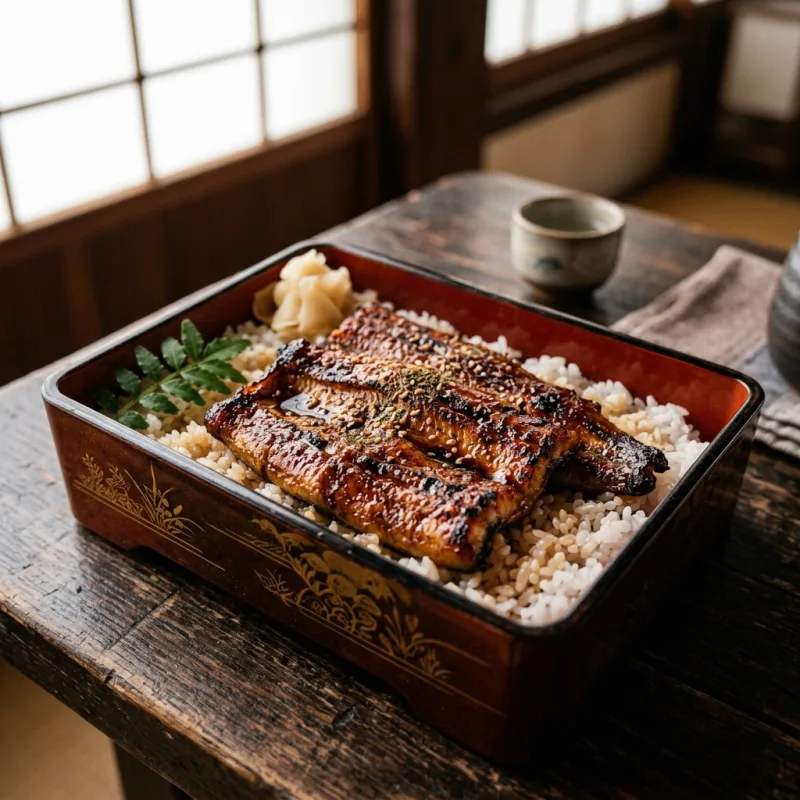
Japanese Unagi Kabayaki grilled eel over rice in a lacquered box

Must Try Dish

Kawagoe Unagi Kabayaki - Fresh river eel butterflied, skewered, steamed tender, and charcoal-grilled with a glossy, century-old sweet soy sauce glaze. It is traditionally served atop warm steamed rice inside an elegant lacquered box, delivering a smoky, melt-in-the-mouth texture.
Food Experiences Title Icon

Food
Experiences

Discover cooking classes, tastings and local food tours

No food experience found
Maya, the human travel expert at TravelingWiz, offering curated, non-AI expertise

Maya’s Final Checklist for Kawagoe

Logistics shouldn’t be the focus of your trip—the experience should. I’ve hand-vetted these essential partners to ensure your arrival, stay, and exploration are as smooth as an Athenian breeze.

Where to Stay

From boutique hotels to local apartments—compare thousands of options and find the perfect stay in the best neighborhood.

Air Travel

Getting there should be seamless. Compare the best routes and prices across top airlines to start your journey on the right note.

Local Guides

Connect with experts who know the destination best. Get personalized advice and insider tips to help you plan your perfect trip.

Travel Protection

The “Engineer’s” rule: always have a backup. Secure your trip with a plan that covers every “what if” and unexpected change.

Car Rentals

Explore at your own pace with total freedom. Compare reliable rental options and find the right vehicle for your adventure.

Visa Services

Don’t let paperwork slow you down. Get expert assistance with your application to ensure all your entry documents are in order.

FAQs

Take the Tobu Tojo Line express train from Ikebukuro Station to Kawagoe Station (approx. 30 minutes), or the Seibu Shinjuku Line Red Arrow limited express from Seibu-Shinjuku Station to Hon-Kawagoe Station (approx. 45 minutes).
Yes, Kawagoe is one of the most accessible day trips from Tokyo. A standard visit requires between four and six hours to explore the warehouse district, candy street, and Kitain Temple.
Most historic highlights are walkable from Hon-Kawagoe or Kawagoe stations. Alternatively, the retro Koedo Loop Bus circles all key cultural sights with day pass options.
The famous Kawagoe Festival takes place annually on the third Saturday and Sunday of October, featuring massive, ornate multi-tiered floats and lively traditional music battles.

Your Insights Matter

TravelingWiz grows through the stories of our community. If you’ve recently explored ,Kawagoe share your tips and stories to help us perfect our guides for the next traveler.

Related Articles

Check out our related articles and blog posts to learn even more about the destination.

No related articles found

Don’t Travel Alone

Share with your friends and family

Where should we send your offline card?

We hate spam just as much as you do

newsletter_consent *