Disclosure: This site contains affiliate links. We may earn a commission if you make a purchase, at no extra cost to you.

>
>
>
>
Mito
Panoramic view of blooming plum blossoms at Kairakuen Garden in Mito Japan overlooking Lake Senba

Mito Overview & Key Highlights

Mito is the historic capital of Ibaraki Prefecture, situated roughly 100 kilometers northeast of Tokyo in the central Kanto region. The city flourished as the political stronghold of the Mito branch of the Tokugawa clan, one of the three elite families eligible to produce the shogun during the Edo period. Today, Mito is internationally celebrated for Kairakuen, one of Japan's Three Great Gardens, which features more than 3,000 plum blossom trees set against scenic cedar groves and bamboo paths overlooking Lake Senba. Beyond its botanical marvels, the city serves as a hub of samurai scholasticism centered on the 19th-century Kodokan academy and the legendary folk legacy of Mito Komon. Modern travelers will discover an accessible, pedestrian-friendly city characterized by lakeside recreational trails, contemporary art spaces, and a storied culinary culture dominated by fermented soybeans. Mito functions seamlessly as either an unhurried cultural day trip from Tokyo or an anchor for exploring Ibaraki's coastline and agricultural landscapes.

Mito Travel Guide: Logistics & In-Depth Tips

Mito serves as the administrative and cultural center of Ibaraki Prefecture, offering an authentic glimpse into provincial Japanese history without the dense tourist crowds typical of Tokyo or Kyoto. Positioned between the Pacific oceanfront and the rolling plains of eastern Kanto, the city was meticulously developed around Mito Castle during the Sengoku and Edo periods. As the seat of the Mito-Tokugawa lineage, the city cultivated a distinct intellectual tradition known as Mitogaku, which synthesized Confucian ideals with Japanese nationalism and played a foundational role in the Meiji Restoration.

Today's Mito harmoniously balances its academic and feudal past with forward-thinking public culture. The landscape is dominated by the expansive greenery of Kairakuen and the shimmering perimeter of Lake Senba, where black swans and wild waterfowl reside. Across the central grid, visitors encounter the striking architectural silhouette of the Art Tower Mito complex with its spiraling titanium tower, alongside quiet residential neighborhoods housing generations-old miso and natto fermentation breweries.

Reasons to Visit

  • Explore Kairakuen, ranked among Japan's Three Great Gardens alongside Kenrokuen in Kanazawa and Korakuen in Okayama.
  • Tour the Kodokan, Japan's largest Edo-period feudal domain school, where samurai trained in both martial arts and classic literature.
  • Experience traditional Japanese hospitality and tea ceremony inside Kobuntei, a multi-story timber villa designed by Lord Tokugawa Nariaki.
  • Rent paddle boats or walk the tree-lined 3-kilometer loop surrounding Lake Senba.
  • Sample authentic Mito wara-natto and local craft sake produced with mineral water from nearby mountain sources.

Things to Avoid

  • Do not wear shoes inside historic buildings such as Kobuntei or Kodokan; always carry socks since bare feet are discouraged on tatami mats.
  • Avoid planning your trip to Kairakuen during mid-spring if your main goal is plum blossoms, as trees finish blooming by early April.
  • Do not rely entirely on cashless transactions, especially at traditional food stalls, transit ticket machines, and shrine souvenir shops.
  • Avoid skipping Lake Senba; it sits directly adjacent to Kairakuen and provides one of the best peaceful walking environments in Kanto.

Local Transportation Tips

Mito features an efficient, walkable core surrounding Mito Station, which serves as the primary regional transport terminus for JR Joban and Suigun rail lines. Frequent local buses operated by Ibaraki Kotsu and Kanto Railway depart from the station's North and South exits, providing direct connections to Kairakuen, Kodokan, and Art Tower Mito within 10 to 15 minutes. For local exploration, municipal rental bicycles are available at key tourist hubs, and standard metered taxis wait outside all major train exits.

Travel Etiquette

  • Remove your shoes promptly upon stepping onto the raised wooden entryways of temples, historical residences, and tatami-matted restaurants.
  • Do not walk while eating; consume snacks and drinks directly beside the vending machine or stall where they were purchased.
  • Keep voices down and silence mobile phones when traveling on local trains and buses.
  • Hand money and credit cards to clerks using the small cash trays provided at cash registers rather than passing them hand-to-hand.

Recommended Age Group

Mito offers a calm, educational, and scenic environment suited to multiple generations, though it particularly appeals to mature travelers and history enthusiasts.

  • Babies (0-2 years): Neutral. While lakeside areas offer smooth strolling, historic wooden pavilions feature steep interior staircases that are inaccessible for prams.
  • Kids (3-12 years): Recommended. Open park grounds around Lake Senba, swan pedal boats, and sprawling seasonal gardens provide pleasant outdoor recreation.
  • Teens (13-19 years): Recommended. Samurai training history at Kodokan and the futuristic design of Art Tower Mito offer engaging historical and artistic appeal.
  • Adults (20-64 years): Recommended. World-class classical gardens, regional sake tasting, tranquil tea ceremonies, and rich historical walking routes create a deeply satisfying experience.
  • Seniors (65+ years): Recommended. Flat garden perimeters, clean public amenities, accessible transport, and unhurried historical sites make Mito ideal for mature visitors.

Accessibility Level: Medium

  • Kairakuen's main outer paths are relatively level and covered in packed gravel, though wheelchair users may require assistance across certain uneven sections.
  • Kobuntei and Kodokan are historic wooden structures with raised thresholds and steep wooden steps, meaning interior floors are not wheelchair accessible.
  • Mito Station and surrounding modern facilities are fully barrier-free, featuring tactile paving, automated elevators, and wide accessible restrooms.
  • Public bus lines connecting the central station to major sights offer low-floor boarding for travelers with mobility aids.

Did You Know?

Unlike most feudal Japanese gardens built exclusively for aristocratic nobles, Kairakuen was founded in 1842 by Tokugawa Nariaki with the explicit intention of sharing its natural beauty with commoners and samurai alike, reflected in its name which translates directly to 'a park to be enjoyed together.'

Cool Statistics

  • Kairakuen features over 3,000 plum blossom trees representing approximately 100 distinct botanical varieties.
  • Art Tower Mito's distinctive helix landmark stands exactly 100 meters tall to commemorate the city's centennial anniversary.
  • Mito is situated only 65 minutes away from central Tokyo via high-speed Limited Express train services.


Address:

Mito, Japan

Find Nearby Accommodations

Basic Info

address icon

COUNTRY & Region

Japan,
Asia

ACCESSIBILITY LEVEL​

Medium
Currency icon

LOCAL CURRENCY​

Japanese Yen (JPY)
Price level icon
Medium
Safety Level icon

SAFETY LEVEL

Duration icon

Recommended Duration

• Full day
• 1-7 days

Electricity

electricity icon

Electricity

100-110V, 
50Hz
Plug Socket icon

Plug Type

• Type A (Flat blade)
• Type B (Flat blade with grounding pin)
Plug types
Click To View Plug Types
Mito is part of our
Solo Female Friendly collection

Activities To Do In Mito

Best Time To Visit Mito

Mito experiences four distinct seasons, with early spring and autumn offering prime sightseeing conditions.

  • February to March: The premier season to visit during the Mito Ume Matsuri (Plum Blossom Festival) when Kairakuen is in full bloom.
  • April to May: Mild temperatures, blooming spring flora, and comfortable walking weather around Lake Senba.
  • October to November: Crisp autumn days with vibrant red maple leaves surrounding traditional teahouses and lakeside paths.
  • June to August: Humid and warm summer months, punctuated by seasonal fireworks over Lake Senba in early August.

Average Temperatures Per Month

Remember to check the weather forecast a few days before the trip and before heading to the airport.

Safety Level icon

Safety Level

Mito is an extraordinarily safe city with virtually non-existent violent crime rates. Exercise standard precautions such as minding personal belongings in busy train stations and staying mindful of bicycle lanes on wide sidewalks. Earthquakes are an occasional reality across Kanto; ensure your smartphone's emergency alerts are enabled and take note of evacuation routes in your accommodation.

The rating is based on multi-year peace, crime, and security indices. Before you go, always verify current conditions through official government travel advisories.

Emergency Numbers

Police: 110
Ambulance: 119

No internet needed • Includes local translations • Free for TravelingWiz readers

Spoken Languages

Japanese (Standard Japanese); limited conversational English in public stations and hotels.

Learn The Language

  • Konnichiwa – Hello
  • Arigatou gozaimasu – Thank you very much
  • Sumimasen – Excuse me / I’m sorry
  • Kore wa ikura desu ka? – How much is this?
  • Eigo ga hanasemasu ka? – Do you speak English?
  • Toire wa doko desu ka? – Where is the restroom?
  • O-kaikei kudasai – Check, please
  • Tasukete kudasai – Please help me
Travel Booking Partner - TravelingWiz

Trip Cost & Budgeting for Mito, 2026

Everything you need to know about money while traveling
Mito stands as an affordable to moderately priced regional hub that provides exceptional value compared to central Tokyo. With TravelingWiz's Human Verified data, a typical traveler should expect to spend around $120 USD per day for a mid-range trip. A specialty pour-over coffee or tea set in a traditional garden pavilion averages roughly $4 to $6 USD, while a generous set meal featuring regional natto or soba costs around $10 USD. Click the Trip Cost Calculator button below the table to work out your personal budget for this trip.
Currency icon

LOCAL CURRENCY​:

Japanese Yen (JPY)
Price level icon
Medium
Major transit hubs, modern hotels, and larger department stores accept credit cards and IC cards (Suica/Pasmo), but cash remains essential for garden admission kiosks, small noodle shops, temple goshuin stamps, and street vendors.

Per person, per day – pocket cash for small purchases.

Local: 6000
Japanese Yen (JPY)
≈ 40 USD

Full daily spend estimation (accommodation, food, transportation, attractions).

Travel Style
Japanese Yen (JPY)
≈ USD ($)
Budget
7500
50
Mid-range
18000
120
Comfort
42000
280

The Prices, Daily costs, and calculator results are estimates for planning purposes only. Actual costs may vary based on season, booking timing, personal spending habits, and currency fluctuations. TravelingWiz cannot be held responsible for discrepancies between these estimates and your final trip expenses.

  • Take advantage of the JR Joban Line Limited Express (Hitachi or Tokiwa) using a nationwide or regional JR East Pass.
  • Rent municipal bicycles near Mito Station or Lake Senba for low-cost transportation around the primary sights.
  • Purchase the combined admission ticket for Kairakuen, Kobuntei pavilion, and the historic Kodokan academy to save on entry fees.
  • Visit local depachika (department store basement food halls) at Mito Station around 7:00 PM for deep discounts on bento boxes and regional delicacies.

Pre-Order Tickets

Avoid disappointment when tickets sell out — and skip the long lines by booking online in advance. You’ll often save up to 20% too.
Save up to 20%

Travel Discounts & Coupons

Save on hotels, attractions, transport, and gear — find verified discounts for smarter travel spending.
Verified Coupons

What To Pack

  • Slip-on comfortable walking shoes for easy removal when entering historic sites like Kobuntei and Kodokan
  • Layered seasonal clothing, including a windproof coat during February and March plum blossom festivals
  • A pocket Wi-Fi device or Japanese eSIM for navigation and transit schedules
  • Small coin purse to hold physical Japanese yen coins for transit ticketing machines and local market vendors
  • A reusable water bottle and hand towel (tenugui) for public washrooms
We couldn't find tips for Mito.
If you got any, please share

Recommended Itineraries for Traveling to Mito

We couldn't find itineraries for Mito.
you can contact us for custom trip plan

Food & Drink Highlights

Local Food Overview

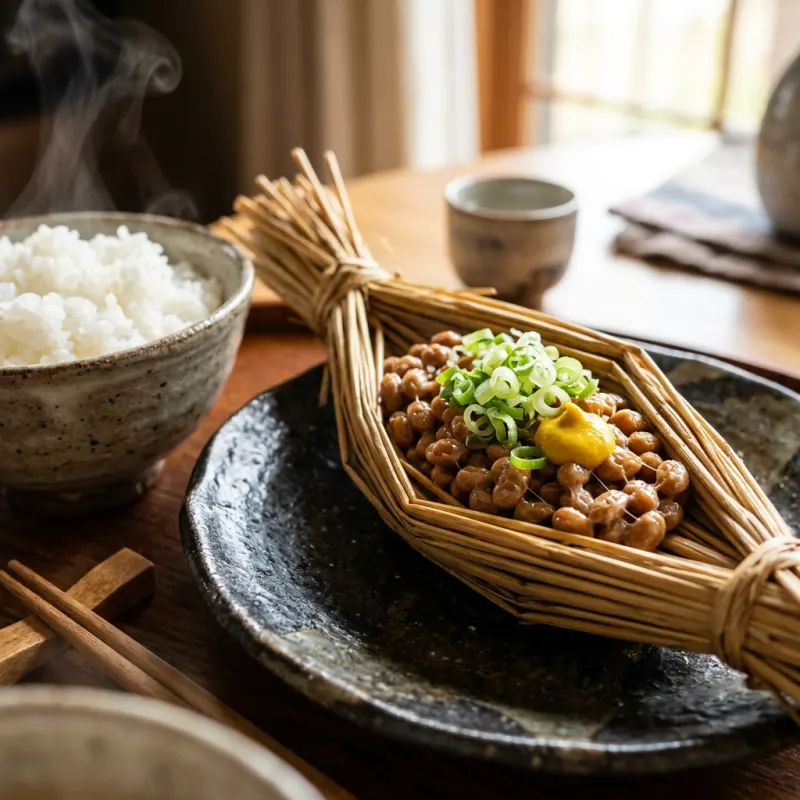
Mito is universally recognized across Japan as the spiritual heart of natto (fermented soybeans), traditionally packed and aged in natural rice straw (wara-natto). Local eateries highlight this superfood across diverse formats, from classic morning rice bowls topped with chopped scallions and mustard to inventive creations like natto soba, natto tempura, and natto cutlets. In addition to fermented specialties, the region boasts Hitachi wagyu beef, winter monkfish hotpot (anko nabe), and confections flavored with tart ume (plum) paste inspired by Kairakuen's historic orchards.
Authentic Japanese Mito natto fermented soybeans served in traditional rice straw bundle with scallions

Must Try Dish

Mito Wara-Natto - Traditional fermented soybeans wrapped in natural rice straw, celebrated for its pungent aroma, rich nutty umami, and sticky texture. It is classically served atop steaming Japanese short-grain rice with shoyu and Japanese hot mustard.
Food Experiences Title Icon

Food
Experiences

Discover cooking classes, tastings and local food tours

No food experience found
Maya, the human travel expert at TravelingWiz, offering curated, non-AI expertise

Maya’s Final Checklist for Mito

Logistics shouldn’t be the focus of your trip—the experience should. I’ve hand-vetted these essential partners to ensure your arrival, stay, and exploration are as smooth as an Athenian breeze.

Where to Stay

From boutique hotels to local apartments—compare thousands of options and find the perfect stay in the best neighborhood.

Air Travel

Getting there should be seamless. Compare the best routes and prices across top airlines to start your journey on the right note.

Local Guides

Connect with experts who know the destination best. Get personalized advice and insider tips to help you plan your perfect trip.

Travel Protection

The “Engineer’s” rule: always have a backup. Secure your trip with a plan that covers every “what if” and unexpected change.

Car Rentals

Explore at your own pace with total freedom. Compare reliable rental options and find the right vehicle for your adventure.

Visa Services

Don’t let paperwork slow you down. Get expert assistance with your application to ensure all your entry documents are in order.

FAQs

Mito is directly connected to Tokyo Station and Shinagawa Station via the JR Joban Line Limited Express (Hitachi and Tokiwa services). The journey takes approximately 65 to 75 minutes and is fully covered by the JR Rail Pass.
The plum blossom season at Kairakuen Garden typically peaks between mid-February and late March during the annual Mito Ume Matsuri festival.
Yes. Outside of the festival, Kairakuen remains a stunning stroll garden with serene bamboo groves and the historic Kobuntei pavilion, alongside the lakeside paths of Lake Senba, the Kodokan samurai school, and the contemporary Art Tower Mito.

Your Insights Matter

TravelingWiz grows through the stories of our community. If you’ve recently explored ,Mito share your tips and stories to help us perfect our guides for the next traveler.

Related Articles

Check out our related articles and blog posts to learn even more about the destination.

No related articles found

Don’t Travel Alone

Share with your friends and family

Where should we send your offline card?

We hate spam just as much as you do

newsletter_consent *