Disclosure: This site contains affiliate links. We may earn a commission if you make a purchase, at no extra cost to you.

>
>
>
Shikoku
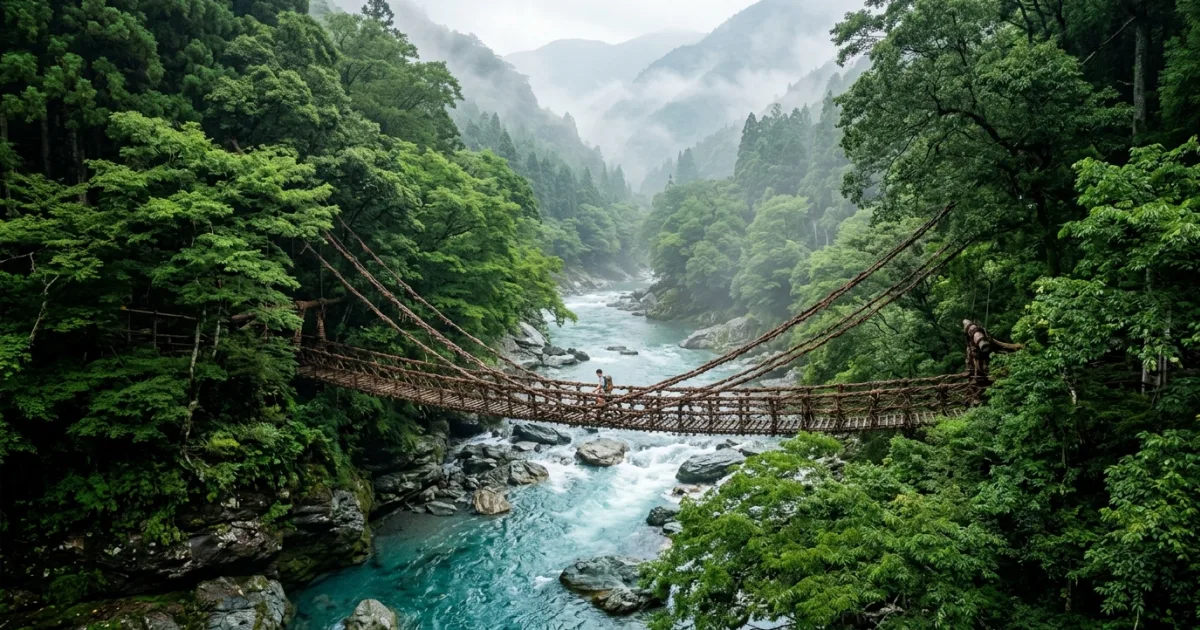
A traditional vine bridge suspended over a river in the lush Iya Valley of Shikoku

Shikoku Overview & Key Highlights

Shikoku is the smallest of Japan's four main islands, renowned for its 88 Temple Pilgrimage, rugged mountains, and pristine rivers. It offers a deeply spiritual and authentic Japanese experience away from the bustling metropolises of Honshu. Visitors can explore the remote Iya Valley with its historic vine bridges, relax in the ancient Dogo Onsen, and cycle the scenic Shimanami Kaido across the Seto Inland Sea. The island's distinct four prefectures—Ehime, Kagawa, Kochi, and Tokushima—each boast unique culinary traditions, dramatic coastlines, and well-preserved feudal castles. Travelers to Shikoku can immerse themselves in a slower pace of life, enjoying everything from hearty bowls of Sanuki Udon to the vibrant Awa Odori dance festival. Whether you are seeking outdoor adventure, spiritual reflection, or culinary delights, Shikoku provides a deeply rewarding journey.

Shikoku Travel Guide: Logistics & In-Depth Tips

Shikoku, translating to 'Four Provinces', is a captivating island that remains largely untouched by the massive tourist crowds found in Tokyo or Kyoto. It is a place where traditional Japanese culture thrives alongside breathtaking natural landscapes. The island is most famous for the Ohenro, a 1,200-kilometer pilgrimage route connecting 88 Buddhist temples associated with the monk Kobo Daishi. Beyond its spiritual heritage, Shikoku offers dramatic coastlines along the Pacific Ocean, the tranquil waters of the Seto Inland Sea, and the deep, mist-shrouded gorges of the Iya Valley.

Travelers to Shikoku can immerse themselves in a slower pace of life. You can cycle across the spectacular Shimanami Kaido, a series of bridges connecting islands in the Seto Inland Sea, or soak in the healing waters of Dogo Onsen, one of Japan's oldest hot springs. The island's culinary scene is equally diverse, featuring Kochi's Katsuo no Tataki (seared bonito), Tokushima's rich ramen, and Ehime's abundant citrus fruits. Whether you are seeking outdoor adventure, spiritual reflection, or culinary delights, Shikoku provides a deeply rewarding and authentic Japanese experience.

Reasons to Visit

  • The 88 Temple Pilgrimage: Experience one of the world's most famous spiritual journeys, offering profound cultural immersion.
  • Untouched Nature: Explore the remote Iya Valley, known for its historic vine bridges and steep, forested gorges.
  • Dogo Onsen: Relax in one of Japan's oldest and most famous hot spring resorts, which inspired the film Spirited Away.
  • Shimanami Kaido: Cycle across a world-renowned 60-kilometer route connecting Shikoku to Honshu via spectacular suspension bridges.
  • Authentic Culture: Enjoy a slower, more traditional side of Japan, free from the overwhelming crowds of major cities.

Things to Avoid

  • Rushing the Pilgrimage: Don't try to cram too many temples into one day; the journey is about reflection and pacing.
  • Ignoring Cash Needs: Avoid relying solely on credit cards, as many rural areas, buses, and small eateries are cash-only.
  • Underestimating Travel Times: Don't assume short distances on a map mean quick travel; mountain roads are winding and slow.
  • Disrespecting Temple Etiquette: Avoid loud talking or inappropriate dress when visiting sacred pilgrimage sites.

Local Transportation Tips

Shikoku is served by a network of JR trains connecting major cities like Takamatsu, Matsuyama, Kochi, and Tokushima. The Shikoku Railway Pass is an excellent investment for unlimited train travel. However, train lines do not reach deep into the mountainous interior. For exploring remote areas like the Iya Valley or the Shimanto River, renting a car is highly recommended. Highway buses are also a cost-effective way to travel between prefectures. In cities, local buses and trams (especially in Matsuyama and Kochi) are convenient for getting around.

Travel Etiquette

  • Bow slightly when greeting locals or expressing gratitude.
  • Remove your shoes before entering homes, traditional ryokans, and temple halls.
  • When visiting temples, wash your hands and rinse your mouth at the purification fountain before praying.
  • Do not leave chopsticks sticking vertically out of a bowl of rice, as this resembles a funeral ritual.
  • Tipping is not practiced in Japan; excellent service is included in the price.

Recommended Age Group

Shikoku offers a diverse range of activities suitable for various age groups, though its rural nature requires some planning.

  • Babies (0-2 years): Neutral. While Japanese facilities are generally clean and accommodating, navigating rural areas and temples with a stroller can be challenging.
  • Kids (3-12 years): Recommended. Children will enjoy the interactive nature of the Shimanami Kaido cycling route, exploring castles, and riding scenic trains.
  • Teens (13-19 years): Recommended. Teens can appreciate the outdoor adventures, such as hiking in the Iya Valley, surfing in Kochi, and exploring historic sites.
  • Adults (20-64 years): Recommended. Perfect for adults seeking cultural immersion, culinary exploration, and outdoor activities like the 88 Temple Pilgrimage.
  • Seniors (65+ years): Recommended. The slow pace of travel, abundance of hot springs, and accessible sections of the pilgrimage make it highly rewarding for seniors.

Accessibility Level: Medium

  • Major train stations and modern hotels in cities like Takamatsu and Matsuyama offer good wheelchair accessibility.
  • Many historic temples on the pilgrimage route have stairs and uneven terrain, making them difficult for travelers with mobility issues.
  • Dogo Onsen has made efforts to improve accessibility, but some historic bathhouses remain challenging to navigate.
  • Renting an accessible vehicle is possible in major cities, providing the easiest way to explore the island's rural areas.

Did You Know?

Shikoku is home to the Naruto Whirlpools, some of the largest tidal whirlpools in the world, which can reach up to 20 meters in diameter during spring tides. They are created by the complex underwater geography and the meeting of the Seto Inland Sea and the Pacific Ocean.

Cool Statistics

  • Size: Shikoku is the smallest of Japan's four main islands, covering about 18,800 square kilometers.
  • Pilgrimage Length: The 88 Temple Pilgrimage route is approximately 1,200 kilometers long.
  • Bridges: The Shimanami Kaido consists of 6 bridges spanning the Seto Inland Sea.
  • Hot Springs: Dogo Onsen boasts a history dating back over 3,000 years.

Address:

Shikoku, Japan

Find Nearby Accommodations

Basic Info

address icon

COUNTRY & Region

Japan,
Asia

ACCESSIBILITY LEVEL​

Medium
Currency icon

LOCAL CURRENCY​

Japanese Yen (JPY)
Price level icon
Medium
Safety Level icon

SAFETY LEVEL

Duration icon

Recommended Duration

• 1-7 days
• More than a week

Electricity

electricity icon

Electricity

110-120V, 
60Hz
Plug Socket icon

Plug Type

• Type A (Flat blade)
• Type B (Flat blade with grounding pin)
Plug types
Click To View Plug Types
Shikoku is part of our
Solo Female Friendly collection

Activities To Do In Shikoku

Best Time To Visit Shikoku

The best times to visit Shikoku are during the spring and autumn months.

  • Spring (March to May): Ideal for cherry blossoms and comfortable temperatures for the 88 Temple Pilgrimage.
  • Autumn (September to November): Offers stunning fall foliage, especially in the Iya Valley, with crisp, clear weather.
  • Summer (June to August): Can be hot, humid, and prone to typhoons, though it features vibrant local festivals like Awa Odori.
  • Winter (December to February): Generally mild on the coast, but mountain passes may experience snow and freezing temperatures.

Average Temperatures Per Month

Remember to check the weather forecast a few days before the trip and before heading to the airport.

Safety Level icon

Safety Level

Shikoku is exceptionally safe, with very low crime rates. When hiking remote trails or driving in the mountains, be cautious of narrow, winding roads and sudden weather changes. Watch out for wildlife like wild boars or monkeys in rural areas, and always carry a physical map as cell service can drop in the mountains.

The rating is based on multi-year peace, crime, and security indices. Before you go, always verify current conditions through official government travel advisories.

Emergency Numbers

Police: 110
Ambulance: 119

No internet needed • Includes local translations • Free for TravelingWiz readers

Spoken Languages

Japanese is the primary language. English is understood in major hotels and tourist hubs, but rarely spoken fluently in rural areas.

Learn The Language

  • Konnichiwa (Hello)
  • Arigato gozaimasu (Thank you)
  • Sumimasen (Excuse me / Sorry)
  • Hai (Yes) / Iie (No)
  • Oishii (Delicious)
  • Ikura desu ka? (How much is this?)
  • Eigo o hanasemasu ka? (Can you speak English?)
  • Tasukete! (Help!)
Travel Booking Partner - TravelingWiz

Trip Cost & Budgeting for Shikoku, 2026

Everything you need to know about money while traveling
Is Shikoku expensive for tourists in 2026? Compared to Tokyo or Kyoto, Shikoku offers excellent value for travelers. Human Verified prices show that you can expect to pay around 450 JPY for a coffee, 550 JPY for a domestic draft beer, and 1,500 JPY for a standard meal in a mid-range restaurant. While regional transit costs apply, overall expenses remain quite reasonable. Use the data table below to calculate your specific daily budget based on your travel style.
Currency icon

LOCAL CURRENCY​:

Japanese Yen (JPY)
Price level icon
Medium
While card acceptance is growing in major Shikoku cities, cash remains essential for rural shops, buses, and temples.

Per person, per day – pocket cash for small purchases.

Local: 1850
Japanese Yen (JPY)
≈ 12 USD

Full daily spend estimation (accommodation, food, transportation, attractions).

Travel Style
Japanese Yen (JPY)
≈ USD ($)
Budget
10200
66
Mid-range
18500
120
Comfort
40700
265

The Prices, Daily costs, and calculator results are estimates for planning purposes only. Actual costs may vary based on season, booking timing, personal spending habits, and currency fluctuations. TravelingWiz cannot be held responsible for discrepancies between these estimates and your final trip expenses.

  • • Indulge in local Sanuki udon in Kagawa, where filling bowls cost as little as 300 to 500 JPY.
  • • Purchase an All Shikoku Rail Pass if traveling across multiple prefectures to save significantly on train travel.
  • • Stay at business hotels like Toyoko Inn or APA Hotel near train stations for complimentary breakfasts and affordable room rates.
  • • Use local tram day passes in cities like Matsuyama and Kochi to cut down on intra-city transportation costs.

Pre-Order Tickets

Avoid disappointment when tickets sell out — and skip the long lines by booking online in advance. You’ll often save up to 20% too.
Save up to 20%

Travel Discounts & Coupons

Save on hotels, attractions, transport, and gear — find verified discounts for smarter travel spending.
Verified Coupons

What To Pack

  • Comfortable walking or hiking shoes for temple trails and mountain paths.
  • Lightweight, breathable clothing for summer, or warm layers for mountain areas in autumn and winter.
  • A universal power adapter for Type A/B outlets.
  • Cash (Yen), as many rural areas, local buses, and temples do not accept credit cards.
  • A small towel for spontaneous foot baths (ashiyu) and hot springs.
We couldn't find tips for Shikoku.
If you got any, please share

Recommended Itineraries for Traveling to Shikoku

We couldn't find itineraries for Shikoku.
you can contact us for custom trip plan

Food & Drink Highlights

Local Food Overview

Shikoku's cuisine is deeply tied to its geography, featuring fresh seafood from the Seto Inland Sea and Pacific Ocean, alongside hearty mountain fare. Each of the four prefectures boasts its own specialty, from Kagawa's famous udon noodles to Kochi's seared bonito.
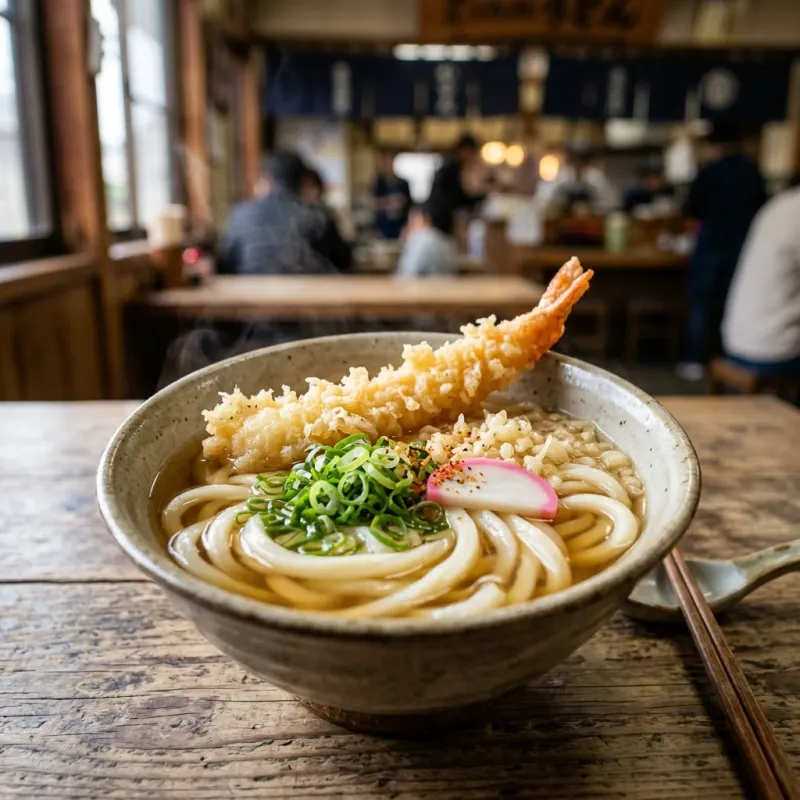
A bowl of traditional Sanuki Udon noodles with tempura and scallions

Must Try Dish

Sanuki Udon - Thick, chewy wheat noodles served in a light, savory dashi broth, often topped with scallions and tempura. It is Kagawa prefecture's soul food and a beloved staple across the entire island.
Food Experiences Title Icon

Food
Experiences

Discover cooking classes, tastings and local food tours

No food experience found
Maya, the human travel expert at TravelingWiz, offering curated, non-AI expertise

Maya’s Final Checklist for Shikoku

Logistics shouldn’t be the focus of your trip—the experience should. I’ve hand-vetted these essential partners to ensure your arrival, stay, and exploration are as smooth as an Athenian breeze.

Where to Stay

From boutique hotels to local apartments—compare thousands of options and find the perfect stay in the best neighborhood.

Air Travel

Getting there should be seamless. Compare the best routes and prices across top airlines to start your journey on the right note.

Local Guides

Connect with experts who know the destination best. Get personalized advice and insider tips to help you plan your perfect trip.

Travel Protection

The “Engineer’s” rule: always have a backup. Secure your trip with a plan that covers every “what if” and unexpected change.

Car Rentals

Explore at your own pace with total freedom. Compare reliable rental options and find the right vehicle for your adventure.

Visa Services

Don’t let paperwork slow you down. Get expert assistance with your application to ensure all your entry documents are in order.

FAQs

Yes, you can safely drink the tap water as it meets high purification standards throughout the country. Carrying a reusable bottle is a great way to save money. When planning your trip, expect an estimated overall cost of 8,000 to 12,000 yen per day for a standard budget, covering meals, local transport, and entrance fees.
You should pack sturdy hiking boots, a reliable rain jacket, and lightweight clothing. An interest in Buddhism will also enrich your experience. To plan your expenses, budget an estimated cost of 10,000 to 15,000 yen per day, which easily covers simple traditional lodgings, local temple stamps, and three filling meals along the trail.
You can save money by eating your main meal at lunch when local restaurants offer specials at 30 to 50 percent off dinner prices. You can also buy high-quality, inexpensive snacks and breakfasts at convenience stores. These simple strategies will easily keep your daily food expenses to an estimated cost of under 4,000 yen per day.
Walking the entire 1,200-kilometer route typically takes 40 to 50 days, though many visitors choose to complete it by car or bus in about 10 to 14 days, or simply visit a few select temples.
While major cities and coastal areas are well-connected by trains, renting a car is highly recommended for exploring remote areas like the Iya Valley and the Shimanto River.

Your Insights Matter

TravelingWiz grows through the stories of our community. If you’ve recently explored ,Shikoku share your tips and stories to help us perfect our guides for the next traveler.

Related Articles

Check out our related articles and blog posts to learn even more about the destination.

No related articles found

Don’t Travel Alone

Share with your friends and family

Where should we send your offline card?

We hate spam just as much as you do

newsletter_consent *