Kagawa Prefecture serves as the vibrant cultural anchor of Shikoku, offering an idyllic balance between traditional feudal heritage and cutting-edge global art. Dominated by the serene waters of the Seto Inland Sea to the north and the Sanuki Mountain Range to the south, the landscape features gentle coastal plains punctuated by distinct volcanic hillocks. The prefectural seat, Takamatsu, developed around Takamatsu Castle, one of Japan's rare coastal fortresses whose moats draw water directly from the sea.
Today, Kagawa captures international attention as a central venue for the Setouchi Triennale, turning offshore islands such as Naoshima, Teshima, and Megijima into open-air museum installations. Inland, centuries of spiritual devotion endure along the Shikoku 88 Temple Pilgrimage route, highlighted by the climactic 88th temple, Okubo-ji. Whether slurping freshly boiled noodles in a countryside roadside stall or contemplating architecture by Tadao Ando, visitors find Kagawa to be an exceptionally welcoming and culturally dense prefecture.
Reasons to Visit
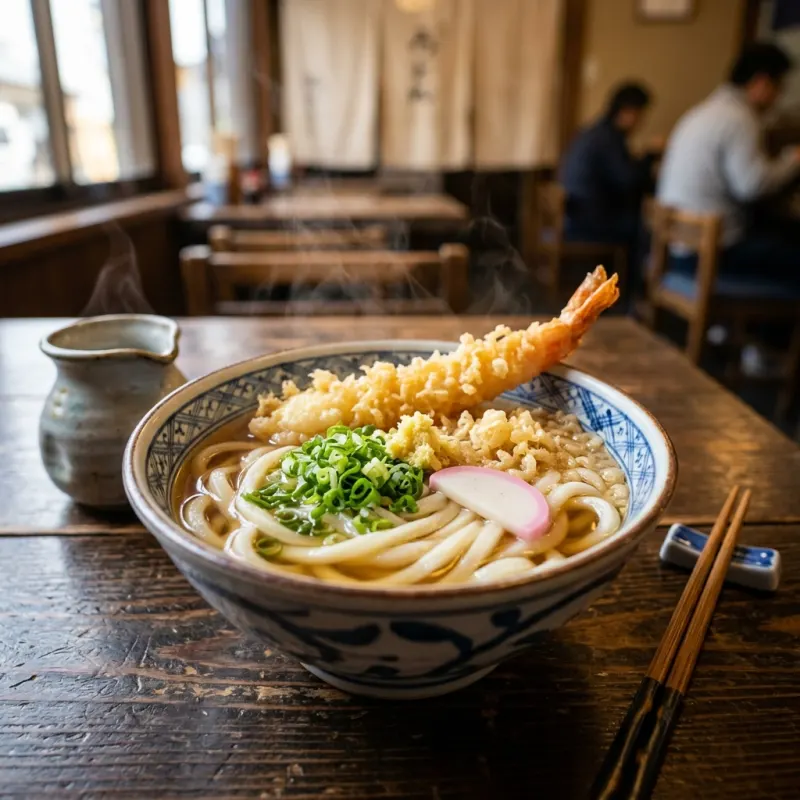
- Savor authentic Sanuki udon across more than 600 dedicated noodle shops scattered throughout the prefecture.
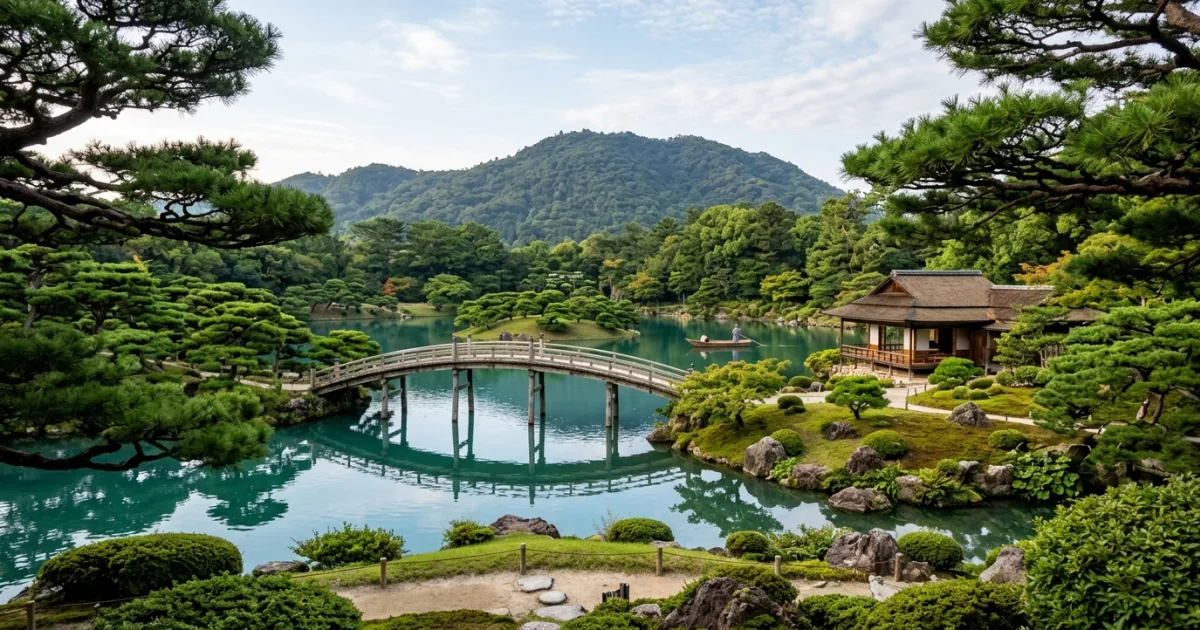
- Stroll through Ritsurin Garden, designated a Special Place of Scenic Beauty with 400 years of daimyo garden history.
- Ascend the 1,368 stone steps leading up Mount Zozu to Kotohira-gu, the revered protector shrine of sailors.
- Board ferries to explore world-renowned contemporary art galleries, installations, and architecture on Naoshima and Teshima.
- Admire the surviving wooden keep and monumental dry-stone battlements of Marugame Castle.
Things to Avoid
- Avoid arriving on the art islands on Mondays, when most museums and galleries are closed.
- Do not expect credit card acceptance at authentic countryside udon houses; always carry cash.
- Avoid missing the last scheduled passenger ferry back to Takamatsu Port, as water taxis are expensive and difficult to arrange late at night.
- Do not wear stiff, difficult-to-remove boots when exploring shrines, historic teahouses, and art sites.
Local Transportation Tips
Takamatsu Port and Takamatsu Station form the dual transportation hub of the prefecture. JR Shikoku trains connect Kagawa west toward Matsuyama and south to Kochi, while the charming private Kotoden Railway connects downtown Takamatsu directly with Ritsurin Garden and Kotohira. High-speed ferries and standard car ferries depart constantly from Takamatsu Port to Seto Inland Sea islands. City transit within Takamatsu is exceptionally bike-friendly, bolstered by extensive rental schemes and wide, flat avenues.
Travel Etiquette
- In self-service udon establishments, clear your own tray and return empty bowls to the dishwashing window.
- Maintain quiet, respectful decorum when boarding passenger ferries and riding regional commuter trains.
- Do not photograph interior art exhibits or temple halls where signage explicitly prohibits photography.
- Remove shoes promptly when stepping onto elevated tatami mats in teahouses or ryokans.
Recommended Age Group
Kagawa Prefecture provides accessible, rewarding travel options suited to independent adults, cultural seekers, and multi-generational groups.
- Babies (0-2 years): Neutral. Island ferries and paved garden walkways accommodate strollers, though stone temple staircases present physical hurdles.
- Kids (3-12 years): Neutral. Interactive outdoor sculptures and beachside walks appeal to kids, though extensive walking and quiet museum galleries require patience.
- Teens (13-19 years): Recommended. Cycling across art islands, exploring castle moats, and sampling regional street food resonate strongly with older youths.
- Adults (20-64 years): Recommended. World-class modern art, scenic hiking routes, culinary hopping, and historic landscapes offer deep engagement.
- Seniors (65+ years): Recommended. Outstanding public transit, flat garden promenades in Takamatsu, and serene ryokan hospitality suit mature travelers, though steep shrine stairs can be skipped.
Accessibility Level: Medium
- Ritsurin Garden features dedicated barrier-free paved paths, accessible restrooms, and wheelchair rental at the main gate.
- Modern ferries serving Naoshima and Shodoshima are equipped with elevator access and wide vehicle loading ramps.
- Major rail stations including JR Takamatsu and Marugame feature tactile paving, escalators, and elevator access.
- Historic sites such as Kotohira-gu and Marugame Castle have steep inclines, uneven cobblestones, and prolonged stair sections that lack wheelchair accessibility.
Did You Know?
Despite being the geographically smallest prefecture in all of Japan, Kagawa consumes more udon noodles per capita than any other region in the world, earning it the official promotional moniker 'Udon Ken' (Udon Prefecture).
Cool Statistics
- Home to over 600 independent udon shops operating across an area of only 1,876 square kilometers.
- Ritsurin Garden spans roughly 75 hectares and took over 100 years of continuous daimyo stewardship to complete.
- Kotohira-gu Shrine requires climbing 785 stone stairs to reach the main shrine and 1,368 steps to reach the inner sanctum.






Buy a compatible power adapter for your trip