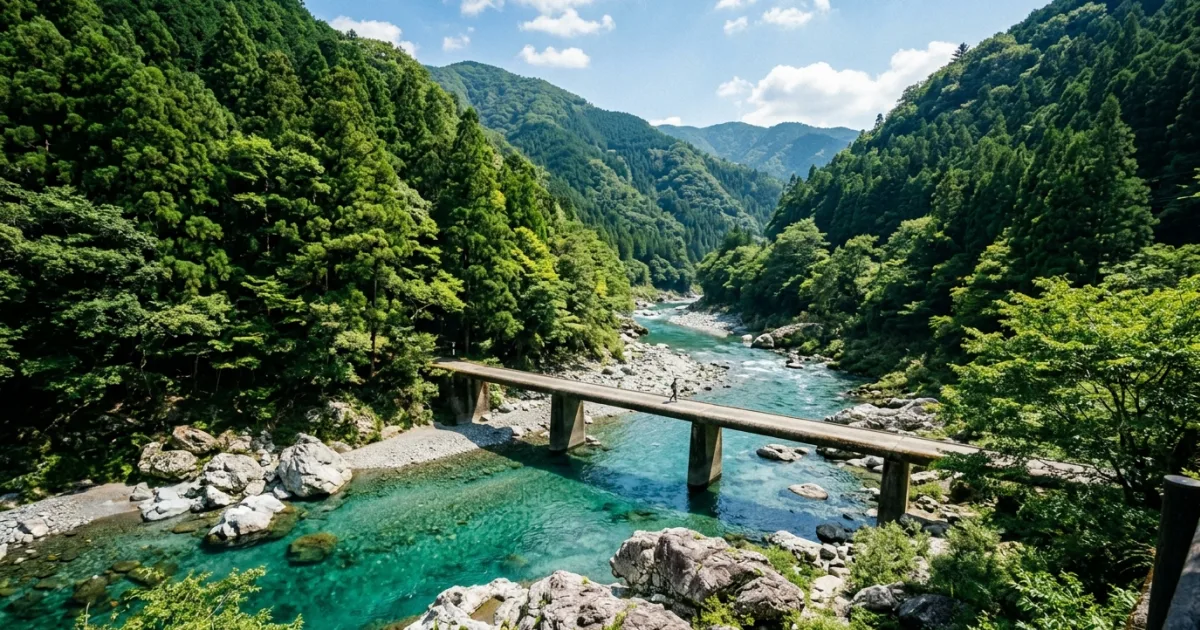
Kochi Prefecture stretches along the vast arc of Tosa Bay on Shikoku's southern shore. Known historically as Tosa Province, Kochi possesses a fiercely independent cultural identity shaped by proud samurai figures like Sakamoto Ryoma and sustained by its geographical isolation behind Shikoku's central mountain range. This geographical barrier shielded Kochi's river systems from industrialization, leaving the Shimanto and Niyodo rivers among the cleanest and most pristine waterways in all of East Asia.
Travelers to Kochi encounter an energetic balance of living heritage and deep wilderness. In the capital, Kochi Castle stands preserved with both its original keep and palace building intact, surrounded by centuries-old weekend markets. Venturing west and east leads to rugged coastlines where Pacific swells crash against dramatic sandstone cliffs, rural fishing villages preserve centuries of netting traditions, and izakayas echo with the lively, open-hearted drinking culture characteristic of Tosa locals.
Reasons to Visit
- Unmatched River Clarity: Swim, kayak, or stand-up paddleboard in the shimmering, turquoise waters of the Niyodo River and the wild Shimanto River.
- Original Samurai Architecture: Explore Kochi Castle, one of only twelve authentic castles in Japan to survive wars and fires with its original Edo-period keep intact.
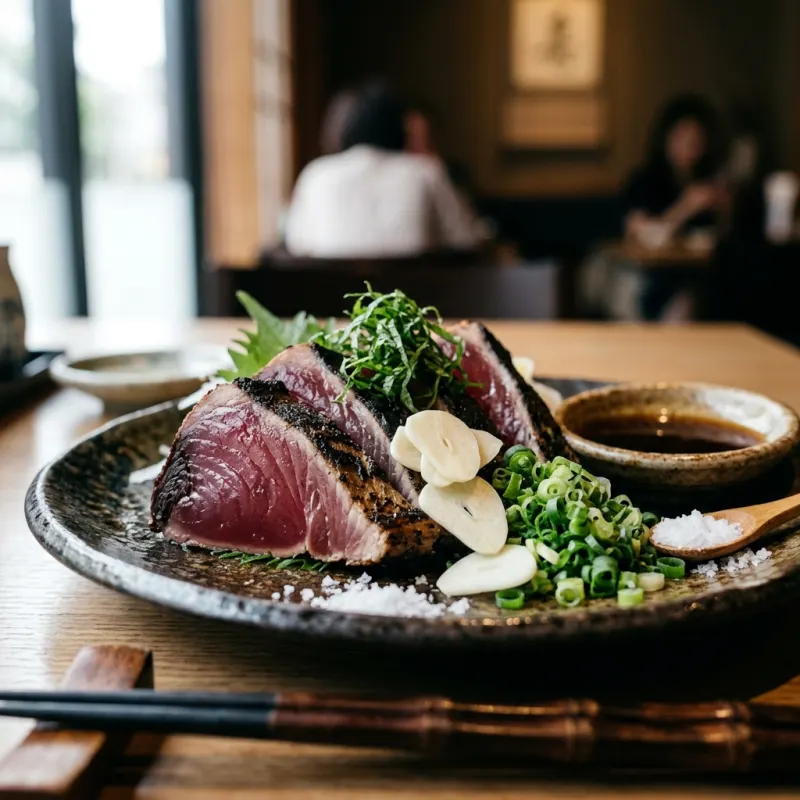
- Vibrant Culinary Nightlife: Savor fresh straw-charred bonito and mingle with friendly locals under the paper lanterns of Hirome Market.
- Epic Coastal Drives: Cruise the scenic shorelines of Cape Ashizuri and Cape Muroto along Shikoku's dramatic Pacific edge.
- Yosakoi Festival Heritage: Experience the home of Yosakoi dance, celebrated with explosive rhythm, colorful costumes, and wooden naruko clappers.
Things to Avoid
- Avoid relying solely on trains: Shikoku's rail network does not reach many of Kochi's best natural attractions; skipping a car rental severely limits your range.
- Don't swim immediately after heavy rains: River currents turn swift and dangerous after subtropical storms; check local river advisory signs.
- Don't skip cash withdrawals: Many scenic viewpoints, mountain noodle shacks, and roadside fruit stands do not support digital transactions.
- Avoid walking onto submerged bridges during rising water: The chinkabashi (sunken bridges) lack handrails and are designed to submerge safely during floods—never cross them during surging waters.
Local Transportation Tips
Kochi City is navigated easily via the Tosaden Kotsu tramway, Japan's oldest operating streetcar network. For regional travel, JR Shikoku operates limited express trains connecting Kochi Station to Okayama, Takamatsu, and coastal stations down to Kubokawa, connecting with the Tosa Kuroshio Railway. However, reaching inland wonders like the Yasui Valley, Nakatsu Gorge, or rural stretches of the Shimanto River requires renting an automobile, readily available at Kochi Station and Kochi Ryoma Airport.
Travel Etiquette
- Okyaku Drinking Culture: Banquets and izakaya dining are sociable events; if a local offers to pour your drink, accept the glass with two hands and return the gesture.
- Castle Etiquette: Remove footwear when entering Kochi Castle's wooden keep and palace; plastic bags or lockers are provided at the entrance.
- River Preservation: Take all trash with you when visiting the Niyodo and Shimanto rivers to protect their delicate ecosystems.
- Quiet on Public Transit: Keep mobile phones set to silent mode and refrain from speaking on phone calls while riding trains and trams.
Recommended Age Group
Kochi Prefecture offers an adventurous, nature-rich environment best appreciated by travelers capable of moderate outdoor movement and self-guided travel.
- Babies (0-2 years): Neutral. Long driving distances between sights and historic stairs at castles can be taxing, though coastal hotels accommodate infants well.
- Kids (3-12 years): Recommended. River kayaking, beachcombing at Katsurahama, and interactive castle grounds offer engaging, wholesome outdoor fun.
- Teens (13-19 years): Recommended. Adventurous teenagers will love packrafting down the Niyodo River, surfing coastal breaks, and trying local street food.
- Adults (20-64 years): Recommended. Perfect for hiking, scenic drives, craft sake tasting, and discovering Shikoku's premier culinary spots.
- Seniors (65+ years): Recommended. Excellent coastal driving routes, accessible gardens at Mount Godaisan, and hot spring ryokans provide a relaxing pace.
Accessibility Level: Medium
- Kochi Castle features steep, irregular stone staircases and a multi-level wooden keep that is unfortunately not wheelchair accessible, though ground pathways are partially paved.
- Modern public buses and specific low-floor Tosaden tramcars provide wheelchair boarding assistance in central Kochi City.
- Paved observation boardwalks are available at Katsurahama Beach and Makino Botanical Garden, offering barrier-free access to major sights.
Did You Know?
Kochi Castle is the only castle in all of Japan that still retains both its original main keep (tenshu) and its original inner palace (honmaru goten) intact from the Edo period, surviving numerous fires, earthquakes, and World War II intact.
Cool Statistics
- Over 84% of Kochi Prefecture is covered in dense mountain forest, the highest forest coverage ratio of any prefecture in Japan.
- The Shimanto River flows for 196 kilometers without a single major dam constructed along its main stem, earning it the title of 'Japan's Last Free-Flowing River.'
- The annual Yosakoi Festival draws over 200 teams and 20,000 costumed dancers to the streets of Kochi City every August.






Buy a compatible power adapter for your trip