Disclosure: This site contains affiliate links. We may earn a commission if you make a purchase, at no extra cost to you.
Kansai Region

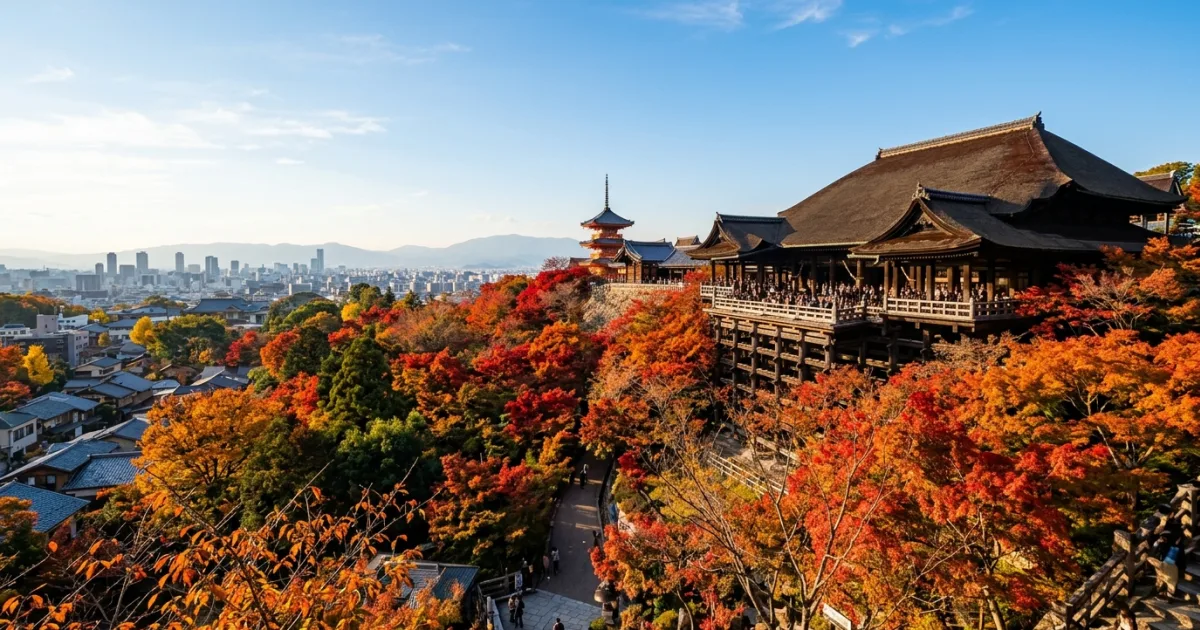
Scenic view of a traditional temple in the Kansai region surrounded by autumn foliage

Basic Info

COUNTRY & Region

Japan,
Asia

ACCESSIBILITY LEVEL​

  • High: Widely accessible with good facilities for disabilities.
  • Medium: Some accessible options, but limitations exist.
  • Low: Limited accessibility; many barriers for disabilities.
Medium

LOCAL CURRENCY​

Japanese Yen (JPY)

Price Level

Low – budget‑friendly basics

Medium – moderate mid‑range costs

High – pricey lodging, dining & transport

Medium

SAFETY LEVEL

5 shields = Excellent – very low crime or conflict.

4 shields = Safe – low risk, routine care.

3 shields = Relatively safe – use normal street smarts.

2 shields = Use caution – higher crime or periodic unrest.

1 shields = Avoid – active conflict or extreme danger.

Scores are derived from multi-year peace, homicide and security indices blended into a single 1-to-5 scale.

Recommended Duration

1-7 days, More than a week

Kansai Region Overview & Key Highlights

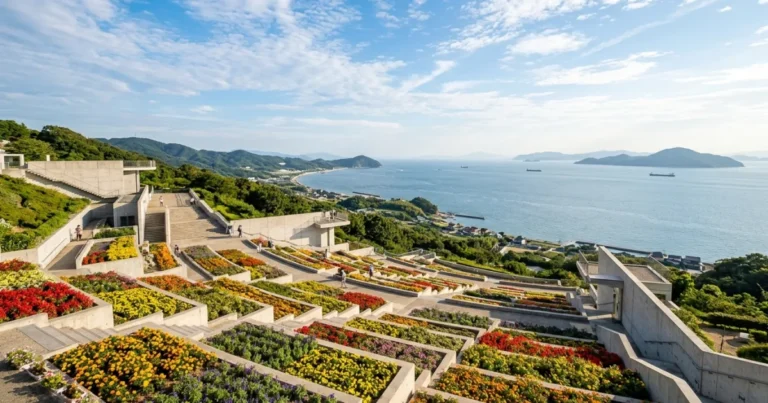
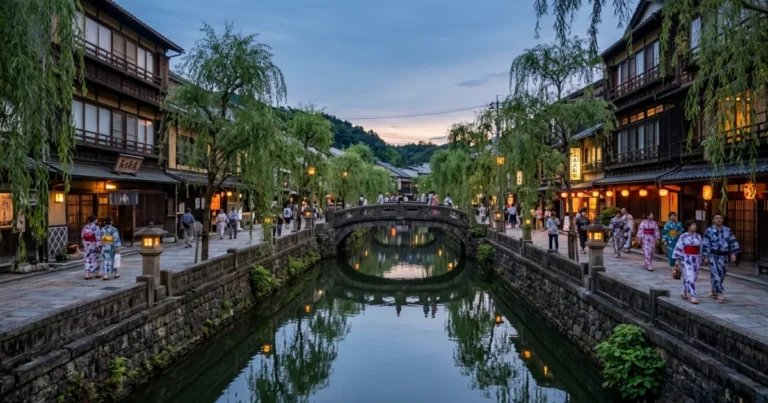
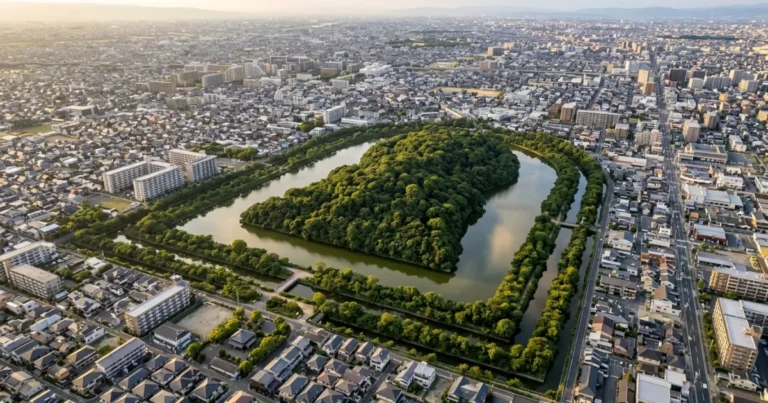
The Kansai Region serves as the historical and cultural heart of Japan, encompassing major destinations like Kyoto, Osaka, Nara, and Kobe. This area offers a dense concentration of UNESCO World Heritage sites, ranging from ancient wooden temples to monumental castles. Visitors can seamlessly transition from the neon-lit, food-centric streets of Osaka to the serene, meditative Zen gardens of Kyoto within a short train ride. The region's highly efficient public transportation network makes it incredibly accessible for international travelers. Beyond the major urban centers, Kansai features diverse landscapes including the sacred mountains of Wakayama and the scenic coastlines of Hyogo. Culinary enthusiasts will find an unparalleled food scene, famous for delicacies like Takoyaki, Okonomiyaki, and premium Kobe beef. Seasonal transformations, particularly the spring cherry blossoms and autumn foliage, dramatically alter the visual appeal of the region. Exploring Kansai provides a comprehensive understanding of both traditional Japanese heritage and modern innovation.

Kansai Region Travel Guide: Logistics & In-Depth Tips

The Kansai Region is a microcosm of Japan itself, offering a profound journey through the country's timeline. In Kyoto, you can walk through centuries of imperial history, marveling at the golden pavilion of Kinkaku-ji or the thousands of vermilion torii gates at Fushimi Inari Taisha. Just a short train ride away, Nara offers an even older glimpse into Japan's past, where ancient wooden structures like Todai-ji house colossal Buddha statues, and friendly deer roam freely through the parks.

Contrast this with Osaka, a vibrant, neon-drenched metropolis that pulses with modern energy and an obsession with food. Known as 'Tenka no Daidokoro' (the nation's kitchen), Osaka is the birthplace of iconic street foods and boasts a lively nightlife scene. Meanwhile, the port city of Kobe offers a cosmopolitan vibe with its historic foreign settlements and world-renowned beef. Whether you are seeking spiritual tranquility, culinary excellence, or urban excitement, the Kansai Region delivers an unforgettable and multifaceted travel experience.

Reasons to Visit

  • Unmatched Historical Sites: Home to five UNESCO World Heritage sites, including the Historic Monuments of Ancient Kyoto and Nara.
  • Culinary Excellence: From Kyoto's refined Kaiseki cuisine to Osaka's bustling street food culture.
  • Efficient Connectivity: An incredible public transportation system makes day trips between major cities effortless.
  • Seasonal Beauty: World-famous locations for viewing spring cherry blossoms and autumn foliage.
  • Diverse Experiences: Seamlessly blend urban exploration, spiritual retreats, and nature hikes in a single trip.

Things to Avoid

  • Loud Conversations on Trains: It is considered rude to talk loudly or on the phone while using public transportation.
  • Ignoring Chopstick Etiquette: Never stick chopsticks vertically into a bowl of rice or pass food directly from chopstick to chopstick.
  • Wearing Shoes Indoors: Always pay attention to signs or step-ups indicating where you must remove your shoes.
  • Tipping: Do not leave tips at restaurants or for taxi drivers; it is not part of Japanese culture.
  • Eating While Walking: Except for specific street food areas, it is generally frowned upon to eat while walking down the street.

Local Transportation Tips

The Kansai Region boasts one of the most comprehensive and efficient public transportation networks in the world. Trains are the primary mode of intercity and intracity travel, operated by JR (Japan Railways) and various private lines like Hankyu, Keihan, and Kintetsu. Purchasing an IC card, such as ICOCA, is highly recommended for seamless tapping in and out of stations. For extensive travel, consider regional passes like the Kansai Thru Pass, which covers subways, private railways, and buses across the region. In cities like Kyoto, buses are often necessary to reach specific temples, while Osaka relies heavily on its extensive subway system.

Travel Etiquette

  • Bowing: A slight bow is the standard greeting and expression of gratitude.
  • Queueing: Always line up in designated areas when waiting for trains, buses, or at restaurants.
  • Onsen Rules: If visiting hot springs, you must wash your body thoroughly before entering the bath, and tattoos are often prohibited.
  • Trash Disposal: Public trash cans are rare; be prepared to carry your rubbish with you until you find a proper disposal bin, often located near convenience stores.
  • Quiet Voices: Maintain a low volume in public spaces, especially on public transport and in temples.

Recommended Age Group

The Kansai Region is a highly versatile destination that caters exceptionally well to travelers of all ages, offering a mix of education, entertainment, and accessibility.

  • Babies (0-2 years): Recommended. Major stations and department stores have excellent nursing rooms and elevator access, though navigating crowded buses with a stroller can be challenging.
  • Kids (3-12 years): Recommended. Children will love feeding the deer in Nara, visiting Universal Studios Japan in Osaka, and exploring interactive museums.
  • Teens (13-19 years): Recommended. Teens will be captivated by the pop culture, anime shopping districts like Den Den Town, and the vibrant street food scene.
  • Adults (20-64 years): Recommended. Perfect for exploring deep cultural heritage, enjoying world-class gastronomy, and experiencing the dynamic nightlife.
  • Seniors (65+ years): Recommended. The region offers excellent public transport, respectful culture, and serene environments, though some historical temples may have stairs and uneven paths.

Accessibility Level: Medium

  • Train Stations: The vast majority of train and subway stations in Kansai are equipped with elevators and accessible ticket gates.
  • Tactile Paving: Extensive use of yellow tactile paving helps visually impaired travelers navigate stations and sidewalks.
  • Attractions: Many major tourist sites, including modern museums and renovated castles, offer wheelchair accessibility, though ancient temples may have limitations due to gravel paths and stairs.
  • Restrooms: 'Multipurpose toilets' are widely available in public spaces, designed to accommodate wheelchairs, ostomates, and parents with infants.

Did You Know?

Did you know that the Kansai Region is home to the oldest continuously operating business in the world? Kongo Gumi, a construction company based in Osaka, was founded in 578 AD and specialized in building Buddhist temples for over 1,400 years before becoming a subsidiary in 2006.

Cool Statistics

  • UNESCO Sites: The Kansai region contains 5 distinct UNESCO World Heritage designations.
  • Kyoto Temples: Kyoto alone is home to over 1,600 Buddhist temples and 400 Shinto shrines.
  • Train Punctuality: Japanese trains are famous for their punctuality, with average delays measured in mere seconds.
  • Nara Deer: Over 1,000 wild sika deer roam freely in Nara Park, considered sacred messengers of the gods.

Address:

Kansai Region, Japan

Find Nearby Accommodations

Electricity

110-120V, 
60Hz

Plug Type

Type A (Flat blade), Type B (Flat blade with grounding pin)
Plug types
Click To View Plug Types
Kansai Region is part of our
Solo Female Friendly collection

Want a deeper experience in Kansai Region?

Explore private guides and find an experience that suits your interests.

Activities To Do In Kansai Region

Best Time To Visit Kansai Region

The best times to visit the Kansai Region are during the spring and autumn months when the weather is mild and the scenery is spectacular.

  • Spring (March to May): Famous for the iconic cherry blossoms (sakura), peaking usually in early April. Expect larger crowds and higher prices.
  • Autumn (September to November): Offers stunning fall foliage (koyo) with vibrant red maple leaves, particularly beautiful in Kyoto and Nara.
  • Summer (June to August): Can be very hot and humid, with a rainy season in June and July, but features vibrant summer festivals (matsuri).
  • Winter (December to February): Generally cold but less crowded, offering a peaceful atmosphere at historical sites and occasional snow in northern areas.

Average Temperatures Per Month

Average monthly temperaturesMonthly source values, with Celsius and Fahrenheit equivalents in the following data table.-5°23°5°41°15°59°25°77°35°95°JanJan: 4°C / 39°FFebFeb: 6°C / 43°FMarMar: 10°C / 50°FAprApr: 14°C / 57°FMayMay: 18°C / 64°FJunJun: 22°C / 72°FJulJul: 26°C / 79°FAugAug: 28°C / 82°FSepSep: 24°C / 75°FOctOct: 18°C / 64°FNovNov: 13°C / 55°FDecDec: 7°C / 45°F
View temperature data
Average monthly temperatures
Month°C°F
Jan439
Feb643
Mar1050
Apr1457
May1864
Jun2272
Jul2679
Aug2882
Sep2475
Oct1864
Nov1355
Dec745

Remember to check the weather forecast a few days before the trip and before heading to the airport.

Safety Level

5 shields = Excellent – very low crime or conflict.

4 shields = Safe – low risk, routine care.

3 shields = Relatively safe – use normal street smarts.

2 shields = Use caution – higher crime or periodic unrest.

1 shields = Avoid – active conflict or extreme danger.

Scores are derived from multi-year peace, homicide and security indices blended into a single 1-to-5 scale.

Japan is renowned for being one of the safest countries in the world. Violent crime is extremely rare. However, always exercise standard common sense. Keep an eye on your belongings in crowded areas like major train stations or popular tourist streets. Be aware of natural disaster protocols, as Japan is prone to earthquakes and typhoons; familiarize yourself with your hotel's evacuation routes.

The rating is based on multi-year peace, crime, and security indices. Before you go, always verify current conditions through official government travel advisories.

Emergency Numbers

Police: 110
Ambulance: 119

No internet needed • Includes local translations • Free for TravelingWiz readers

Spoken Languages

Japanese is the primary language. English is commonly understood in major tourist areas, hotels, and large train stations, but less so in rural areas.
Travel Booking Partner - TravelingWiz

Learn The Language

  • Konnichiwa (Hello)
  • Arigatou gozaimasu (Thank you very much)
  • Sumimasen (Excuse me / I’m sorry)
  • Eigo o hanasemasu ka? (Can you speak English?)
  • Kore wa ikura desu ka? (How much is this?)
  • Toire wa doko desu ka? (Where is the bathroom?)
  • Oishii desu (It is delicious)
  • Onegaishimasu (Please)

Trip Cost & Budgeting for Kansai Region, 2026

Everything you need to know about money while traveling

The Kansai Region is generally a moderate to expensive destination, depending heavily on your choice of accommodation and dining style. While luxury ryokans in Kyoto can command premium prices, cities like Osaka offer abundant budget-friendly street food and affordable business hotels. With TravelingWiz's Human Verified data, a typical traveler should expect to spend around $150 USD per day for a mid-range trip. This budget comfortably covers a standard hotel room, regional train travel using a Kansai Thru Pass, and a mix of casual dining and sit-down restaurant meals. Click the Trip Cost Calculator button below the table to work out your personal budget for this trip.

LOCAL CURRENCY​:

Japanese Yen (JPY)

Price Level:

Low – budget‑friendly basics

Medium – moderate mid‑range costs

High – pricey lodging, dining & transport

Medium

Cards Vs. Cash

While credit cards and IC cards (like ICOCA or Suica) are increasingly accepted in major stores and restaurants, cash remains essential in Japan. You will need Japanese Yen for small vendors, rural areas, temple entrance fees, and local buses.

How Much Cash to Carry (on you)

Per person, per day – pocket cash for small purchases.

Local: 1950
Japanese Yen (JPY)
≈ 12 USD

Average Daily Costs (per person)

Full daily spend estimation (accommodation, food, transportation, attractions).

Travel Style
Japanese Yen (JPY)
≈ USD ($)
Budget
10750
69
Mid-range
19500
125
Comfort
42900
275
Note

The Prices, Daily costs, and calculator results are estimates for planning purposes only. Actual costs may vary based on season, booking timing, personal spending habits, and currency fluctuations. TravelingWiz cannot be held responsible for discrepancies between these estimates and your final trip expenses.

Best Value Tips

  • Regional Rail Passes: Invest in a JR Kansai Area Pass or Kansai Thru Pass to save significantly on intercity travel.
  • Eat Like a Local: Enjoy inexpensive but delicious meals at local Izakayas, standing noodle bars, and convenience stores (konbini).
  • Business Hotels: Opt for Japanese business hotel chains which offer clean, compact rooms at very reasonable rates.
  • Free Attractions: Many shrines, parks, and walking districts (like Kyoto's Gion or Osaka's Dotonbori) are completely free to explore.
  • Tax-Free Shopping: Bring your passport when shopping to take advantage of Japan's 10% tax exemption for tourists on qualifying purchases.

Tours & Tickets

Explore tours, attractions, and ticket options to plan your visit.
Plan ahead

Travel Offers & Coupons

Browse travel offers and coupons from our affiliate partners.
Affiliate partner offers

What To Pack

  • Comfortable Walking Shoes: Essential for navigating expansive temple grounds and train stations.
  • Slip-on Shoes: Many traditional accommodations, temples, and restaurants require removing your shoes.
  • Layered Clothing: Weather can vary significantly between the coastal cities and mountainous areas like Koyasan.
  • Universal Power Adapter: Ensure compatibility with Japan's Type A and B outlets.
  • Coin Purse: Cash is still widely used for small purchases, and you will accumulate many coins.
  • Portable Wi-Fi or eSIM: Crucial for navigating the complex train systems using map applications.
Only the good stuff!
Browse recommended travel gear
Check out our free packing list tool

Recommended Itineraries for Traveling to Kansai Region

Take your itinerary with you

Choose a ready-made itinerary, plan your own trip, and keep TravelingWiz by your side while you travel.

Get the TravelingWiz app

Food & Drink Highlights

Local Food Overview

Kansai is famously known as the 'kitchen of Japan', offering a rich culinary heritage that ranges from refined multi-course Kaiseki dinners in Kyoto to hearty, soul-comforting street food in Osaka.

Must Try Dish

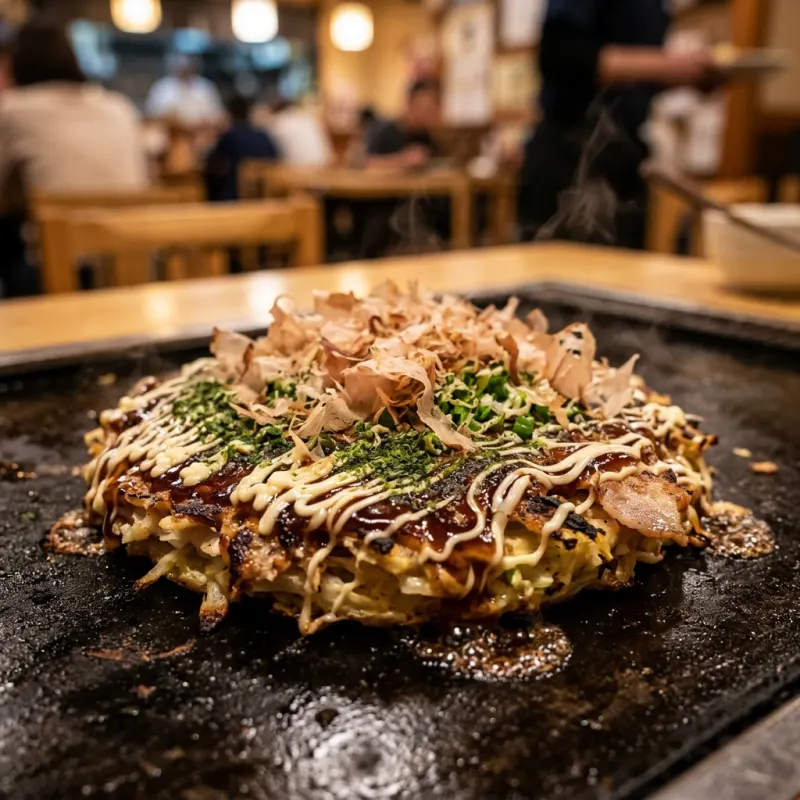
Okonomiyaki is a savory Japanese pancake originating from Osaka, made with a batter of flour, grated nagaimo, water, eggs, and shredded cabbage. It is typically cooked on a teppan (iron griddle) and topped with a rich, sweet-savory sauce, mayonnaise, bonito flakes, and aonori (seaweed flakes).
Freshly cooked Okonomiyaki on a hot teppan griddle

Maya’s Final Checklist for Kansai Region

Logistics shouldn’t be the focus of your trip—the experience should. I’ve hand-vetted these essential partners to ensure your arrival, stay, and exploration are as smooth as an Athenian breeze.

Maya, the human travel expert at TravelingWiz, offering curated, non-AI expertise

Where to Stay

Compare accommodation options and choose a stay that suits your plans and budget.

Air Travel

Compare flight options and find a route that fits your plans.

Local Guides

Connect with local guides for personalized help planning and exploring.

Travel Protection

The “Engineer’s” rule: always have a backup. Secure your trip with a plan that covers every “what if” and unexpected change.

Car Rentals

Compare rental options and choose a car that suits your trip.

Visa Information

Don’t let paperwork slow you down. Get expert assistance with your application to ensure all your entry documents are in order.

FAQs

The train network is the most efficient way to travel. Using a regional IC card (like ICOCA) or a Kansai Thru Pass makes hopping between Kyoto, Osaka, Nara, and Kobe incredibly easy.
If you are only staying within the Kansai region, a nationwide JR Pass is usually not cost-effective. Instead, look into regional passes like the JR Kansai Area Pass.
No, tipping is not customary in Japan and can sometimes cause confusion or be politely refused. Excellent service is considered standard.
Yes, tap water in Japan is perfectly safe to drink and is of high quality.

Your Insights Matter

TravelingWiz grows through the stories of our community. If you’ve recently explored ,Kansai Region share your tips and stories to help us perfect our guides for the next traveler.

Where should we send your offline card?

We hate spam just as much as you do

newsletter_consent *