Disclosure: This site contains affiliate links. We may earn a commission if you make a purchase, at no extra cost to you.
Nagahama

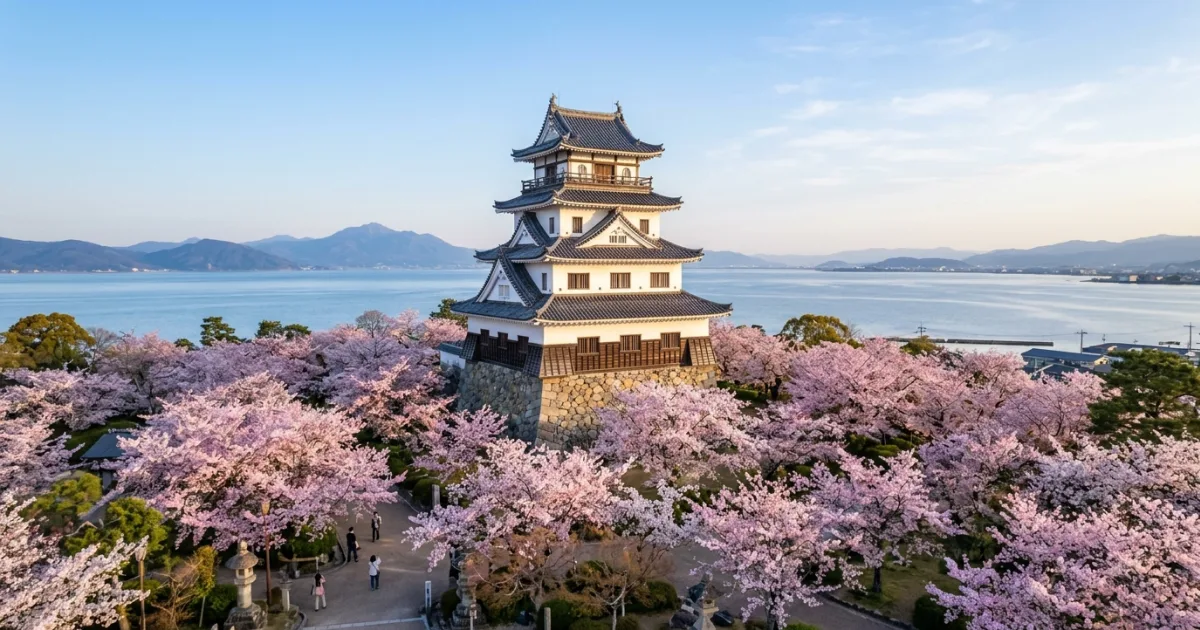
Nagahama Castle surrounded by cherry blossoms beside Lake Biwa

Basic Info

COUNTRY & Region

Japan,
Asia

ACCESSIBILITY LEVEL​

  • High: Widely accessible with good facilities for disabilities.
  • Medium: Some accessible options, but limitations exist.
  • Low: Limited accessibility; many barriers for disabilities.
Medium

LOCAL CURRENCY​

Japanese Yen (JPY)

Price Level

Low – budget‑friendly basics

Medium – moderate mid‑range costs

High – pricey lodging, dining & transport

Medium

SAFETY LEVEL

5 shields = Excellent – very low crime or conflict.

4 shields = Safe – low risk, routine care.

3 shields = Relatively safe – use normal street smarts.

2 shields = Use caution – higher crime or periodic unrest.

1 shields = Avoid – active conflict or extreme danger.

Scores are derived from multi-year peace, homicide and security indices blended into a single 1-to-5 scale.

Recommended Duration

Full day, 1-7 days

Nagahama Overview & Key Highlights

Nagahama is a historic port and castle town situated along the northeastern shore of Lake Biwa in Shiga Prefecture. Originally developed by the warlord Toyotomi Hideyoshi in the late sixteenth century, the town preserves a rich architectural legacy visible in its preserved merchant storehouses and defensive layouts. Visitors frequently explore the Kurokabe Square district, where Edo- and Meiji-era black-plastered buildings now house artisanal glass workshops, sake breweries, and local confectioneries. Beyond its castle heritage and lakeside vistas, Nagahama serves as a gateway to sacred Chikubushima island, accessible via regular ferry services from Nagahama Port. The town is equally celebrated for the annual Nagahama Hikiyama Festival, showcasing elaborate floats featuring kabuki performances by children. Its compact urban core makes Nagahama an exceptionally walkable cultural excursion, offering a tranquil alternative to the crowded metropolitan circuits of nearby Kyoto and Osaka.

Nagahama Travel Guide: Logistics & In-Depth Tips

Nagahama is a culturally vibrant castle settlement nestled along the northeastern shores of Lake Biwa in Shiga Prefecture. Established originally by the formidable warlord Toyotomi Hideyoshi during the Sengoku period, the town flourished as a critical transport crossroad connecting the Japan Sea coast with Kyoto and Edo. While the original fortification was dismantled in the early Edo period, the town reconstructed Nagahama Castle atop its historical foundations within Houkouen Park, offering elevated panoramic views across the sweeping expanse of the lake.

Today, Nagahama balances historical conservation with a thriving artisanal economy. The Kurokabe Square district stands as a model of heritage-led regeneration, where classic dark-wood merchant townhouses and preserved Meiji-era Western architecture accommodate modern glass studios, confectionery shops, and craft cafes. Its sheltered position along Lake Biwa also affords easy access to Chikubushima, a mystical island revered since antiquity as a sanctuary for the goddess Benzaiten, making Nagahama a versatile destination combining regional history, scenic waterfront landscapes, and deep cultural heritage.

Reasons to Visit

  • Tour Kurokabe Square, featuring historical black-walled storehouses transformed into vibrant glass ateliers and art galleries.
  • Climb Nagahama Castle keep for commanding vistas over Lake Biwa and the distant Hira Mountains.
  • Board a scenic ferry to the sacred island of Chikubushima to view national treasure shrine architecture and serene lake vistas.
  • Sample distinctive local gastronomy, including savory yaki-saba somen and world-famous Omi wagyu beef.
  • Experience traditional culture through the spring Nagahama Hikiyama Festival, famous for its ornate mobile stage floats.

Things to Avoid

  • Avoid arriving late in the afternoon for shopping; many historical craft shops and cafes in Kurokabe Square close around 17:00.
  • Do not rely entirely on credit cards, as several smaller historic establishments and temple ticket booths require physical Japanese cash.
  • Avoid skipping the last ferry back from Chikubushima, as no public overnight lodgings exist on the island.
  • Do not overlook seasonal train timetables when returning late to Kyoto or Maibara on weekends.

Local Transportation Tips

Nagahama is exceptionally walkable, with its primary attractions—including Kurokabe Square, Nagahama Castle, and Nagahama Port—situated within a 5 to 15-minute walk from JR Nagahama Station. For trips extending along the lake shore or into surrounding rural hamlets, community rental bicycles are readily accessible outside the main train station exit. Kokoku Bus operates regional bus routes linking outer neighborhoods and surrounding scenic shrines, though departures can be infrequent outside peak hours.

Travel Etiquette

  • Remove your shoes when stepping into traditional ryokan accommodations, temple main halls, and castle interiors.
  • Refrain from eating while walking through narrow shopping streets; consume purchased street treats near the storefront where purchased.
  • Always carry your trash with you, as public waste bins are uncommon along streets and park promenades.
  • Maintain low speaking volumes when riding public commuter trains and visiting sacred shrine compounds.

Recommended Age Group

Nagahama welcomes travelers of all generations, offering flat walking districts, serene nature, and rich historical exhibits.

  • Babies (0-2 years): Neutral. Town paths are generally flat, but narrow historical shops and traditional raised tatami thresholds can limit stroller navigation.
  • Kids (3-12 years): Recommended. Children enjoy interactive glassblowing workshops, exploring castle park playgrounds, and ferry rides on Lake Biwa.
  • Teens (13-19 years): Recommended. Great opportunities for craft making, casual photography in Kurokabe Square, cycling, and castle exploration.
  • Adults (20-64 years): Recommended. Exceptional culinary options, craft sake tastings, architectural photography, and regional history museums appeal broadly.
  • Seniors (65+ years): Recommended. Compact, walkable town center with minimal elevation changes, gentle pacing, and easy rail connections from Kyoto.

Accessibility Level: Medium

  • JR Nagahama Station features barrier-free elevators, escalators, and accessible multi-purpose restrooms.
  • The Kurokabe Square pedestrian precinct has flat, paved avenues, though certain preserved historic timber stores feature narrow doorways and raised door sills.
  • Nagahama Castle includes an elevator inside the reconstructed museum keep allowing wheelchair access to upper exhibit floors.
  • Ferries to Chikubushima accommodate boarding ramps, but navigating Chikubushima itself involves extensive stone stairways with limited accessibility.

Did You Know?

Nagahama Castle was the very first castle built by Toyotomi Hideyoshi as an independent lord, constructed partially using stones salvaged from the dismantled Odani Castle of the rival Asai clan.

Cool Statistics

  • Home to over 30 independent glass studios and specialty craft shops clustered in the Kurokabe merchant quarter.
  • Over 400 years of unbroken celebration for the UNESCO-recognized Nagahama Hikiyama Festival.
  • Lake Biwa, bordering the town, is one of the world's oldest ancient lakes, dating back approximately 4 million years.

Address:

Nagahama, Japan

Find Nearby Accommodations

Electricity

100-110V, 
60Hz

Plug Type

Type A (Flat blade), Type B (Flat blade with grounding pin)
Plug types
Click To View Plug Types
Nagahama is part of our
Culinary Heritage collection

Activities To Do In Nagahama

Best Time To Visit Nagahama

Nagahama features distinct seasonal variations typical of the Kansai lakeside region.

  • Spring (Late March to May): Optimal travel conditions with blooming cherry trees at Nagahama Castle Park and the famous Nagahama Hikiyama Festival in mid-April.
  • Summer (June to August): Humid and warm, ideal for water activities on Lake Biwa and ferry journeys to Chikubushima, though afternoon rains are frequent.
  • Autumn (September to November): Crisp air and vibrant fall foliage, especially around surrounding mountain temples such as Keisoku-ji.
  • Winter (December to February): Cold with occasional snowfall from northern weather fronts, creating serene snowscapes and perfect hot spring soaking conditions.

Average Temperatures Per Month

Average monthly temperaturesMonthly source values, with Celsius and Fahrenheit equivalents in the following data table.0°32°9°48°18°64°26°79°35°95°JanJan: 5°C / 41°FFebFeb: 5°C / 41°FMarMar: 8°C / 46°FAprApr: 13°C / 55°FMayMay: 18°C / 64°FJunJun: 22°C / 72°FJulJul: 26°C / 79°FAugAug: 28°C / 82°FSepSep: 25°C / 77°FOctOct: 18°C / 64°FNovNov: 13°C / 55°FDecDec: 7°C / 45°F
View temperature data
Average monthly temperatures
Month°C°F
Jan541
Feb541
Mar846
Apr1355
May1864
Jun2272
Jul2679
Aug2882
Sep2577
Oct1864
Nov1355
Dec745

Remember to check the weather forecast a few days before the trip and before heading to the airport.

Safety Level

5 shields = Excellent – very low crime or conflict.

4 shields = Safe – low risk, routine care.

3 shields = Relatively safe – use normal street smarts.

2 shields = Use caution – higher crime or periodic unrest.

1 shields = Avoid – active conflict or extreme danger.

Scores are derived from multi-year peace, homicide and security indices blended into a single 1-to-5 scale.

Nagahama maintains exceptionally low crime rates, making solo travel and evening strolls very safe. Exercise standard care around boat docks and slippery lakeside stones during windy conditions or rain. Keep an eye out for bicycle commuters along narrow residential streets in historic neighborhoods.

The rating is based on multi-year peace, crime, and security indices. Before you go, always verify current conditions through official government travel advisories.

Emergency Numbers

Police: 110
Ambulance: 119

No internet needed • Includes local translations • Free for TravelingWiz readers

Spoken Languages

Japanese (Standard and Kansai dialect); limited English at transport hubs and major museums.
Travel Booking Partner - TravelingWiz

Learn The Language

  • Konnichiwa – Hello
  • Arigatou gozaimasu – Thank you very much
  • Sumimasen – Excuse me / Pardon
  • Kore wa ikura desu ka? – How much is this?
  • Eigo ga hanasemasu ka? – Do you speak English?
  • Nagahama-eki wa doko desu ka? – Where is Nagahama Station?
  • O-kaikei o onegaishimasu – The bill, please
  • Tasukete kudasai – Please help me

Trip Cost & Budgeting for Nagahama, 2026

Everything you need to know about money while traveling
Is Nagahama expensive for tourists in 2026? No, Nagahama offers moderate travel costs compared to major cities like Tokyo or Kyoto. Based on Human Verified prices, expecting to pay around 480 JPY for coffee, 550 JPY for a pint of beer, and 1,800 JPY for a mid-range meal is standard. Convenient regional transit and reasonable hotels make it budget friendly. Use the data table below to calculate your specific daily budget based on your travel style.

LOCAL CURRENCY​:

Japanese Yen (JPY)

Price Level:

Low – budget‑friendly basics

Medium – moderate mid‑range costs

High – pricey lodging, dining & transport

Medium

Cards Vs. Cash

Credit cards are accepted at hotels and mid-range restaurants, but cash is needed for small shops and local buses.

How Much Cash to Carry (on you)

Per person, per day – pocket cash for small purchases.

Local: 1750
Japanese Yen (JPY)
≈ 40 USD

Average Daily Costs (per person)

Full daily spend estimation (accommodation, food, transportation, attractions).

Travel Style
Japanese Yen (JPY)
≈ USD ($)
Budget
9650
57
Mid-range
17500
115
Comfort
38500
240
Note

The Prices, Daily costs, and calculator results are estimates for planning purposes only. Actual costs may vary based on season, booking timing, personal spending habits, and currency fluctuations. TravelingWiz cannot be held responsible for discrepancies between these estimates and your final trip expenses.

Best Value Tips

  • • Purchase a Kansai Area Pass or JR West Pass if arriving by train from Kyoto or Osaka to save on regional rail transit.
  • • Try lunch sets at Kurokabe Square restaurants for discounted dining featuring local specialties like saba soba noodles.
  • • Use an IC card like ICOCA for hassle-free local bus and train payments across the Shiga region.
  • • Visit free attractions around Nagahama Castle park and the shores of Lake Biwa to stretch your daily sightseeing budget.

Tours & Tickets

Explore tours, attractions, and ticket options to plan your visit.
Plan ahead

Travel Offers & Coupons

Browse travel offers and coupons from our affiliate partners.
Affiliate partner offers

What To Pack

  • Comfortable walking shoes suitable for stone pavements and temple grounds
  • Slip-on footwear for easy removal at ryokan, temples, and castle keeps
  • Light windbreaker or rain jacket for breezy excursions on Lake Biwa
  • Portable power bank for mobile transit and navigation applications
  • Small hand towel or washcloth, customary for public restrooms and hot spring baths
  • Coin purse for vending machines, temple offerings, and local artisan purchases
Only the good stuff!
Browse recommended travel gear
Check out our free packing list tool

Recommended Itineraries for Traveling to Nagahama

Take your itinerary with you

Choose a ready-made itinerary, plan your own trip, and keep TravelingWiz by your side while you travel.

Get the TravelingWiz app

Food & Drink Highlights

Local Food Overview

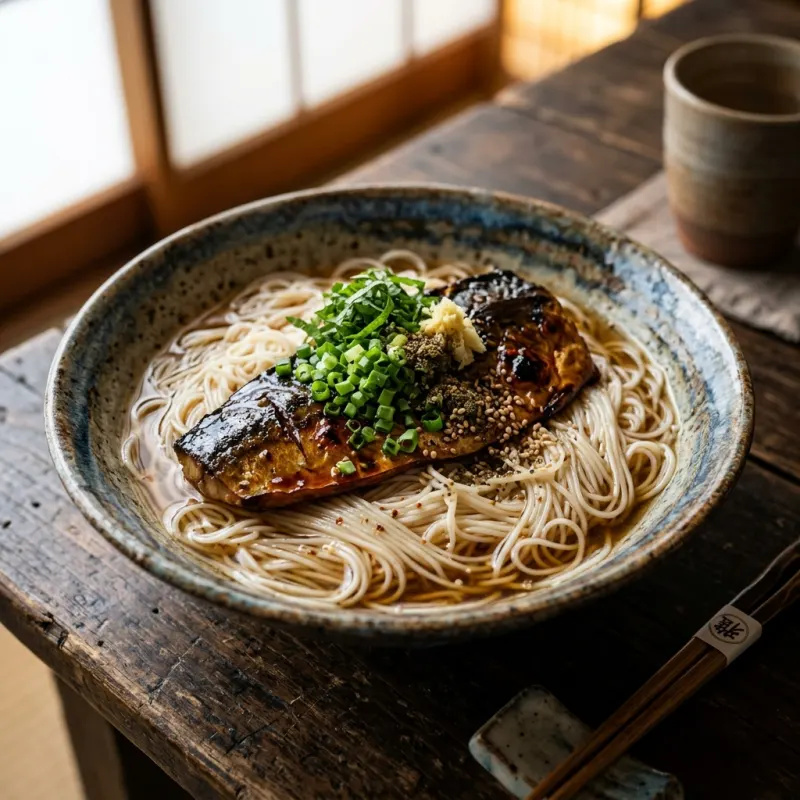
Nagahama's culinary traditions are intimately connected to the waters of Lake Biwa and the fertile agricultural land of Shiga Prefecture. Signature regional items include sweet and savory simmered carp or sweetfish (ayu), funazushi (the ancient precursor to modern sushi made from fermented lake carp), and premium Omi beef from regional wagyu herds. In winter, kamo nabe (wild duck hot pot) is a revered local specialty. A standout street and casual dining favorite is yaki-saba somen, combining tender braised mackerel over delicate somen noodles steeped in seasoned broth.

Must Try Dish

Yaki-Saba Somen - A local culinary classic featuring tender, sweet-soy simmered grilled mackerel served atop fine somen noodles infused with flavorful cooking stock. It reflects Nagahama's historic position along the Saba Kaido (Mackerel Highway) transport route.
Japanese yaki-saba somen dish with braised mackerel on delicate noodles

Maya’s Final Checklist for Nagahama

Logistics shouldn’t be the focus of your trip—the experience should. I’ve hand-vetted these essential partners to ensure your arrival, stay, and exploration are as smooth as an Athenian breeze.

Maya, the human travel expert at TravelingWiz, offering curated, non-AI expertise

Where to Stay

Compare accommodation options and choose a stay that suits your plans and budget.

Air Travel

Compare flight options and find a route that fits your plans.

Local Guides

Connect with local guides for personalized help planning and exploring.

Travel Protection

The “Engineer’s” rule: always have a backup. Secure your trip with a plan that covers every “what if” and unexpected change.

Car Rentals

Compare rental options and choose a car that suits your trip.

Visa Information

Don’t let paperwork slow you down. Get expert assistance with your application to ensure all your entry documents are in order.

FAQs

Direct JR Special Rapid trains run from Kyoto Station to Nagahama Station along the JR Biwako (Hokuriku) Line, taking approximately 65 to 70 minutes without requiring transfers.
Kurokabe Square is renowned for Kurokabe Glass Shop No. 1, housed inside an 1899 bank structure with black plaster walls, alongside numerous glass ateliers, galleries, and craft workshops.
Yes, regular tourist ferries operate between Nagahama Port and Chikubushima, with the boat journey taking roughly 30 minutes each way, allowing several hours to explore Hogon-ji Temple and Tsukubusuma Shrine.

Your Insights Matter

TravelingWiz grows through the stories of our community. If you’ve recently explored ,Nagahama share your tips and stories to help us perfect our guides for the next traveler.

Where should we send your offline card?

We hate spam just as much as you do

newsletter_consent *