Disclosure: This site contains affiliate links. We may earn a commission if you make a purchase, at no extra cost to you.

>
>
>
>
Wakayama Prefecture

Wakayama Prefecture

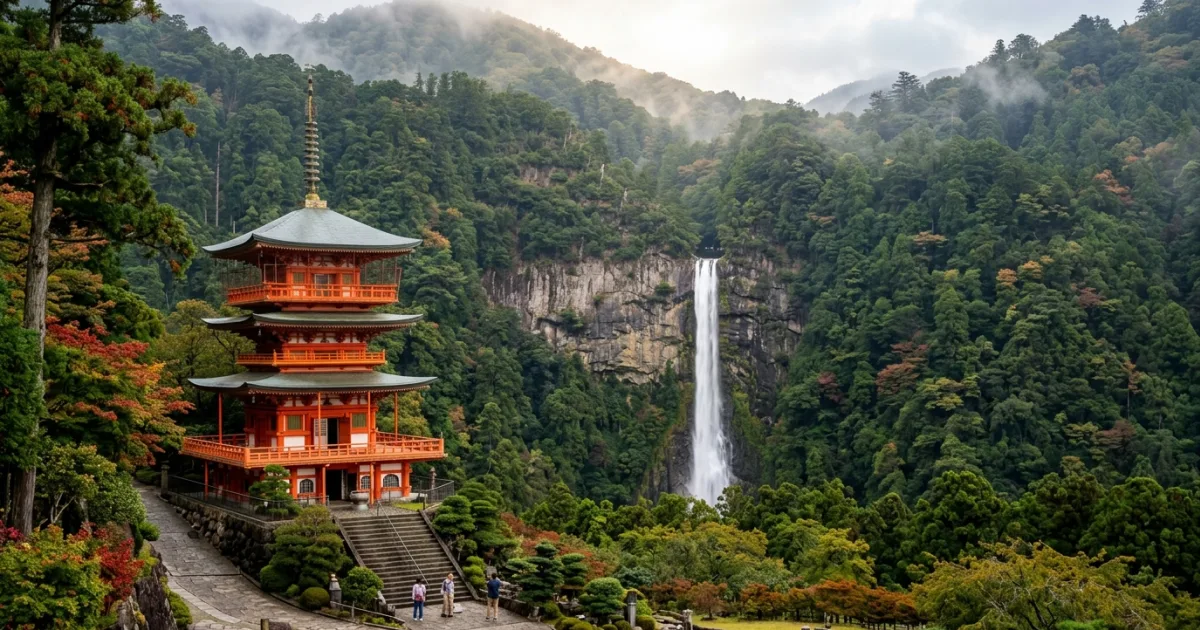
Nachi Falls and the three-story red pagoda of Seiganto-ji temple in Wakayama Japan

Wakayama Prefecture Overview & Key Highlights

Wakayama Prefecture occupies the southern portion of the rugged Kii Peninsula, forming the spiritual heartland of Japan. Renowned for misty mountain ridges, cedar forests, and dramatic Pacific coastlines, the region is anchored by two UNESCO World Heritage complexes: Mount Koya (Koyasan), the mountaintop center of Shingon Buddhism, and the ancient pilgrimage network of the Kumano Kodo. Travelers journey here to sleep in traditional temple lodgings, trek millenary stone-paved routes, and soak in sulfurous geothermal waters that have eased emperors and pilgrims for over a millennium. Beyond sacred peaks, Wakayama boasts a rich coastal culture, historic seaside hot spring towns such as Shirahama and Katsuura, and premier agricultural exports including mikan mandarins and Kishu umeboshi. Whether navigating mountain passes to behold the towering drop of Nachi Falls or watching tuna auctions at vibrant fishing harbors, visitors experience an authentic, slower-paced facet of Kansai that remains profoundly connected to nature, spirituality, and timeless culinary craft.

Wakayama Prefecture Travel Guide: Logistics & In-Depth Tips

Wakayama Prefecture represents one of Japan's most evocative geographical and spiritual landscapes. Covering the rugged southern half of the Kii Peninsula, it forms a natural sanctuary where dense primeval cedar forests meet the churning Pacific Ocean. For over a thousand years, spiritual seekers ranging from retired emperors and aristocrats to commoners have walked its winding paths in search of enlightenment and physical purification, establishing the sacred Kumano Sanzan shrines and the secluded mountain monastery complex of Mount Koya.

Beyond its revered spiritual trails, Wakayama presents an exceptionally balanced destination for travelers seeking genuine cultural depth far removed from urban congestion. Its coastline is dotted with natural geothermal springs such as the seaside baths of Shirahama and the cave onsen of Katsuura. Inland, steep terraced orchards yield some of Japan's most prized citrus fruits and umeboshi plums, while crystal-clear rivers like the Kumano and Hidaka invite kayakers and traditional wooden flat-bottom boat excursions through sheer rock gorges.

Reasons to Visit

  • Hike the historic Kumano Kodo, one of only two pilgrimage routes in the world designated as UNESCO World Heritage sites.
  • Experience a spiritual stay at Mount Koya (Koyasan) inside an authentic Buddhist temple shukubo with monastic vegetarian dining.
  • Marvel at Nachi Falls, Japan's tallest single-drop waterfall, framed by the iconic red three-story pagoda of Seiganto-ji temple.
  • Soak in historic geothermal mineral baths at Yunomine Onsen, home to Tsuboyu, the only World Heritage-listed hot spring you can bathe in.
  • Sample freshly landed Pacific bluefin tuna at the bustling morning fish markets of Kii-Katsuura port.

Things to Avoid

  • Avoid wearing open sandals or inappropriate footwear on the Kumano Kodo trails, as the ancient mossy cobblestones (ichirizuka) become treacherous when wet.
  • Do not arrive in Mount Koya or rural mountain towns late in the evening without reservations, as restaurants close early and train connections taper off quickly.
  • Avoid relying purely on digital card payments; local transit buses, rural lockers, and temple donation stalls require physical cash.
  • Do not speak loudly, run, or enter restricted prayer rooms while visiting functioning temple complexes and sacred cemeteries like Okunoin.

Local Transportation Tips

Travel throughout Wakayama relies on a combination of coastal train lines and inland bus networks. The JR Kuroshio Limited Express connects Osaka along the western and southern coast to Wakayama City, Shirahama, and Kii-Katsuura. Mount Koya is accessible via the private Nankai Railway from Osaka's Namba Station, culminating in a steep cable car ascent up the mountain. In the mountainous interior and along Kumano pilgrimage sections, Ryujin Bus and Kumano Gobo Nankai Bus lines provide essential transport, though schedules can be infrequent; always confirm timetable departures beforehand.

Travel Etiquette

  • Remove your shoes when stepping into temple lodgings, traditional ryokan, and shrines, switching to provided slippers.
  • Maintain quiet, respectful decorum within sacred sites, especially inside Okunoin Cemetery where photography, eating, and smoking are strictly forbidden beyond the Ichinohashi Bridge.
  • Observe onsen etiquette by washing and rinsing thoroughly before entering the communal thermal bathwater; keep your small towel out of the pool water.
  • Follow the traditional Shinto shrine prayer protocol: bow twice, clap twice, state your silent prayer, and bow once more.

Recommended Age Group

Wakayama Prefecture offers distinct experiences ranging from rugged mountain trails to relaxing coastal hot springs, demanding realistic fitness considerations across different traveler generations.

  • Babies (0-2 years): Not Recommended. Mountain transport relies heavily on steps, steep inclines, and winding mountain buses with limited stroller accessibility.
  • Kids (3-12 years): Neutral. Children with outdoor endurance will enjoy seaside spots and coastal wildlife, though long quiet hikes and temple stays require disciplined behavior.
  • Teens (13-19 years): Recommended. Active teenagers will find the rugged hiking sections, outdoor river activities, and unique cultural lodgings highly engaging and adventurous.
  • Adults (20-64 years): Recommended. Perfect demographic for multi-day pilgrimage trekking, thermal onsen rejuvenation, authentic food exploration, and historical appreciation.
  • Seniors (65+ years): Recommended. Mature travelers can enjoy gentle highlights, scenic train rides, and relaxing hot spring resorts, provided strenuous hiking sections are replaced with guided bus tours.

Accessibility Level: Medium

  • Mount Koya has made continuous accessibility upgrades, featuring wheelchair ramps and paved avenues around Danjo Garan and the Kongobuji temple headquarters.
  • Kumano Kodo mountain trails are naturally rugged, narrow, and uneven, making traditional trail walking inaccessible for wheelchairs.
  • Major railway hubs such as JR Wakayama and Shirahama stations offer elevators, accessible restrooms, and tactile paving paths.
  • Barrier-free hot spring ryokan with private elevator access and flat entry baths are readily available in the coastal town of Shirahama.

Did You Know?

Tsuboyu, located in Wakayama's tiny mountain village of Yunomine Onsen, is recognized as the only hot spring bath in the world registered as a UNESCO World Heritage site that is actively open to bathers. Legend states its mineral-rich waters change color seven times a day and once cured a medieval warrior of an incurable disease.

Cool Statistics

  • 133 meters: The sheer plunge of Nachi Falls, making it the tallest uninterrupted waterfall in Japan.
  • 1,200+ years: The continuous history of Mount Koya since it was founded by Buddhist monk Kobo Daishi in 816 AD.
  • Over 200,000: The estimated number of stone gravestones and memorial stupas lining the ancient cedar grove of Okunoin Cemetery.


Address:

Wakayama Prefecture, Japan

Find Nearby Accommodations

Basic Info

address icon

COUNTRY & Region

Japan,
Asia & Pacific, Asia

ACCESSIBILITY LEVEL​

Medium
Currency icon

LOCAL CURRENCY​

Japanese Yen (JPY)
Price level icon
Medium
Safety Level icon

SAFETY LEVEL

Duration icon

Recommended Duration

• 1-7 days
• More than a week

Electricity

electricity icon

Electricity

100-110V, 
60Hz
Plug Socket icon

Plug Type

• Type A (Flat blade)
• Type B (Flat blade with grounding pin)
Plug types
Click To View Plug Types
Wakayama Prefecture is part of our
Solo Female Friendly collection

Activities To Do In Wakayama Prefecture

Best Time To Visit Wakayama Prefecture

Wakayama is a year-round destination, but spring and autumn provide optimal conditions for outdoor hiking and temple stays.

  • Spring (March to May): Comfortable hiking temperatures ranging between 12°C and 20°C, accompanied by blooming cherry blossoms across Mount Koya and temple grounds.
  • Summer (June to August): Humid and hot along the coast with daytime highs exceeding 30°C; early summer brings the rainy season (tsuyu), while the Shirahama beaches attract swimmers.
  • Autumn (September to November): The premier season for Kumano Kodo hiking, offering crisp air, reduced rainfall, and vibrant crimson maple foliage around Koyasan.
  • Winter (December to February): Cool coastal weather and occasional snowfall on Mount Koya, offering serene, crowd-free atmosphere and piping hot outdoor onsen baths.

Average Temperatures Per Month

Remember to check the weather forecast a few days before the trip and before heading to the airport.

Safety Level icon

Safety Level

Wakayama features remarkably low crime rates, making it an exceptionally safe destination for solo travelers and families alike. The primary hazards are natural: mountain trails become slick during rain, and sudden fog can obscure trail markers on the Kumano Kodo. Always check weather forecasts for typhoon warnings between July and October, register your hiking plans with trail centers, and exercise caution around coastal waves along rocky promontories.

The rating is based on multi-year peace, crime, and security indices. Before you go, always verify current conditions through official government travel advisories.

Emergency Numbers

Police: 110
Ambulance: 119

No internet needed • Includes local translations • Free for TravelingWiz readers

Spoken Languages

Japanese. English is understood at major transport hubs and tourist information centers, but basic Japanese phrases are useful in rural villages.

Learn The Language

  • Konnichiwa: Hello
  • Arigatou gozaimasu: Thank you very much
  • Sumimasen: Excuse me / I am sorry
  • Kore wa ikura desu ka?: How much is this?
  • Toire wa doko desu ka?: Where is the restroom?
  • Eigo ga hanasemasu ka?: Can you speak English?
  • O-kaikei o onegaishimasu: Check/bill, please
  • Tasukete kudasai: Please help me
Travel Booking Partner - TravelingWiz

Trip Cost & Budgeting for Wakayama Prefecture, 2026

Everything you need to know about money while traveling
Is Wakayama Prefecture expensive for tourists in 2026? Wakayama offers a moderate price level compared to major Japanese hubs like Tokyo. You can expect to pay around 400 JPY for a coffee, 500 JPY for a domestic beer, and 2,500 JPY for a mid-range restaurant meal. Featuring Human Verified prices, traveling here remains very reasonable with smart planning. Use the data table below to calculate your specific daily budget based on your travel style.
Currency icon

LOCAL CURRENCY​:

Japanese Yen (JPY)
Price level icon
Medium
Major hotels and stations accept credit cards, but rural attractions, local buses, and small eateries require cash.

Per person, per day – pocket cash for small purchases.

Local: 1850
Japanese Yen (JPY)
≈ 12 USD

Full daily spend estimation (accommodation, food, transportation, attractions).

Travel Style
Japanese Yen (JPY)
≈ USD ($)
Budget
10200
65
Mid-range
18500
117
Comfort
40700
258

The Prices, Daily costs, and calculator results are estimates for planning purposes only. Actual costs may vary based on season, booking timing, personal spending habits, and currency fluctuations. TravelingWiz cannot be held responsible for discrepancies between these estimates and your final trip expenses.

  • • Buy a regional transportation pass like the Kansai Thru Pass to cover buses and private railways.
  • • Enjoy affordable regional specialties like Wakayama ramen at local noodle shops.
  • • Book business hotels near Wakayama Station or local minshuku for cost-effective lodging.
  • • Charge an IC card for convenient payments on local transit, convenience stores, and vending machines.

Pre-Order Tickets

Avoid disappointment when tickets sell out — and skip the long lines by booking online in advance. You’ll often save up to 20% too.
Save up to 20%

Travel Discounts & Coupons

Save on hotels, attractions, transport, and gear — find verified discounts for smarter travel spending.
Verified Coupons

What To Pack

  • Sturdy, broken-in trail walking shoes or hiking boots with aggressive grip for wet cobblestones along Kumano Kodo.
  • Lightweight waterproof rain jacket and pack cover, as the Kii Peninsula records significant precipitation year-round.
  • Modest, easy-to-remove slip-on shoes and clean socks for visiting temples and traditional shukubo lodgings.
  • Small hand towel (tenugui) for daily hot spring visits and public footbaths (ashiyu).
  • Offline navigation maps, trail GPX files, and portable power bank for deep mountain valleys with spotty mobile reception.
  • Cash reserves in Japanese Yen, as rural minshuku, mountain shrines, and local buses rarely accept cards.
We couldn't find tips for Wakayama Prefecture.
If you got any, please share

Recommended Itineraries for Traveling to Wakayama Prefecture

We couldn't find itineraries for Wakayama Prefecture.
you can contact us for custom trip plan

Food & Drink Highlights

Local Food Overview

Wakayama's gastronomy reflects its geography of dense forested peaks and nutrient-rich coastal currents. The prefecture is celebrated for Kishu Umeboshi (salt-pickled plums), ultra-fresh Pacific bluefin tuna landed at Kii-Katsuura port, and Wakayama Ramen, locally known as Chuka Soba, which combines a deep tonkotsu pork broth with local soy sauce. In mountain communities, shojin ryori (monastic vegan cuisine) showcases delicate seasonal roots, tofu, and mountain herbs crafted according to Buddhist principles.
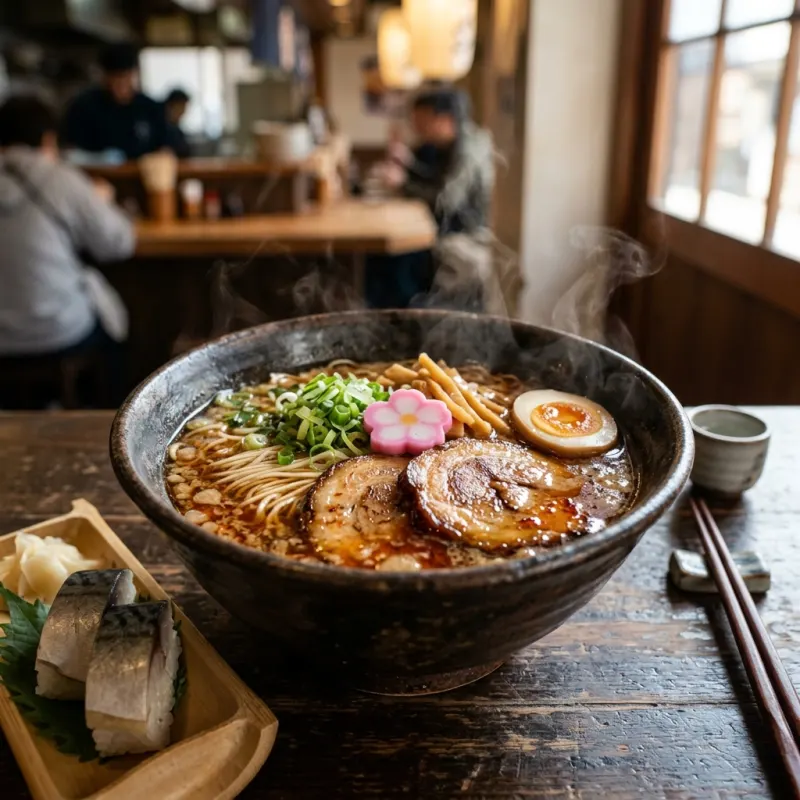
Authentic bowl of Wakayama Chuka Soba ramen with pork chashu and flower fish cake

Must Try Dish

Wakayama Ramen (Chuka Soba) - A comforting bowl of thin, springy noodles served in a rich, velvety pork-bone and soy sauce broth topped with braised pork belly, menma bamboo shoots, and a signature flower-patterned kamaboko fish cake. It is traditionally paired with saba-zushi (cured mackerel sushi) picked straight from the counter while waiting.
Food Experiences Title Icon

Food
Experiences

Discover cooking classes, tastings and local food tours

No food experience found
Maya, the human travel expert at TravelingWiz, offering curated, non-AI expertise

Maya’s Final Checklist for Wakayama Prefecture

Logistics shouldn’t be the focus of your trip—the experience should. I’ve hand-vetted these essential partners to ensure your arrival, stay, and exploration are as smooth as an Athenian breeze.

Where to Stay

From boutique hotels to local apartments—compare thousands of options and find the perfect stay in the best neighborhood.

Air Travel

Getting there should be seamless. Compare the best routes and prices across top airlines to start your journey on the right note.

Local Guides

Connect with experts who know the destination best. Get personalized advice and insider tips to help you plan your perfect trip.

Travel Protection

The “Engineer’s” rule: always have a backup. Secure your trip with a plan that covers every “what if” and unexpected change.

Car Rentals

Explore at your own pace with total freedom. Compare reliable rental options and find the right vehicle for your adventure.

Visa Services

Don’t let paperwork slow you down. Get expert assistance with your application to ensure all your entry documents are in order.

FAQs

From Osaka (Tennoji or Shin-Osaka Station), take the JR Kuroshio Limited Express directly to Wakayama, Shirahama, or Kii-Katsuura. For Mount Koya, take the Nankai Koya Line from Namba Station to Gokurakubashi, then board the cable car up the mountain.
No. Most travelers walk popular half-day or full-day sections, such as the Hosshinmon-oji to Kumano Hongu Taisha stretch (approx. 7 km), utilizing regional buses to connect key trailheads and towns.
Guests stay in traditional tatami rooms with futon bedding, enjoy multi-course Buddhist vegetarian (shojin ryori) meals, and are invited to participate in early morning meditation and fire rituals (Goma).

Your Insights Matter

TravelingWiz grows through the stories of our community. If you’ve recently explored ,Wakayama Prefecture share your tips and stories to help us perfect our guides for the next traveler.

Related Articles

Check out our related articles and blog posts to learn even more about the destination.

No related articles found

Don’t Travel Alone

Share with your friends and family

Where should we send your offline card?

We hate spam just as much as you do

newsletter_consent *