

Low – budget‑friendly basics
Medium – moderate mid‑range costs
High – pricey lodging, dining & transport
Disclosure: This site contains affiliate links. We may earn a commission if you make a purchase, at no extra cost to you.
Low – budget‑friendly basics
Medium – moderate mid‑range costs
High – pricey lodging, dining & transport
5 shields = Excellent – very low crime or conflict.
4 shields = Safe – low risk, routine care.
3 shields = Relatively safe – use normal street smarts.
2 shields = Use caution – higher crime or periodic unrest.
1 shields = Avoid – active conflict or extreme danger.
Scores are derived from multi-year peace, homicide and security indices blended into a single 1-to-5 scale.
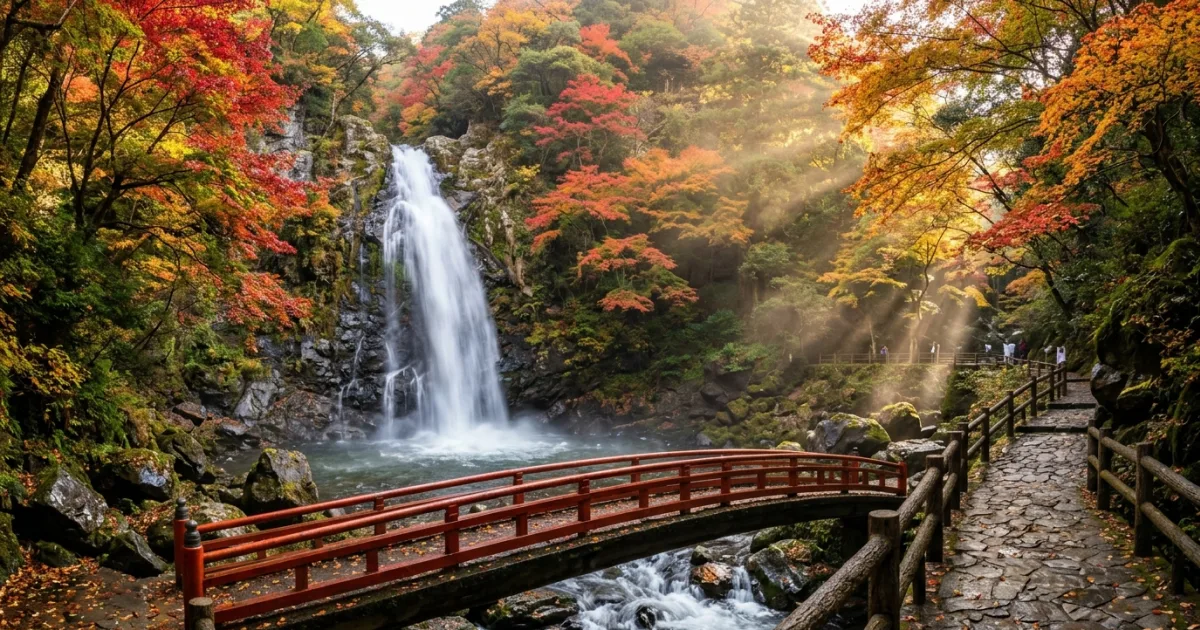
Minoh is a forested valley town situated immediately north of Osaka, renowned for its quasi-national park, historic temples, and a scenic 33-meter natural waterfall. The central path follows the gentle Minoh River for 2.8 kilometers along a paved, pedestrian-only trail that ascends into dense mountain woodlands. The destination provides an immediate sensory contrast to the neon and steel of downtown Osaka, serving as Kansai's most accessible outdoor sanctuary. Throughout the year, travelers visit Minoh for restorative forest bathing, mountain hot spring baths, and cultural encounters at Ryuan-ji Temple, the ancient sanctuary regarded as the birthplace of Japan's lottery tradition. During the peak of autumn in late November, the valley blazes with vivid crimson and gold foliage, drawing visitors who partake in the centuries-old tradition of snacking on momiji tempura—crisp, sweetened Japanese maple leaves deep-fried by roadside vendors.
Minoh sits at the base of the forested Hokusetsu mountain range in northern Osaka Prefecture. Functioning as a quasi-national park, the area protects over 960 hectares of rich secondary forest, tumbling ravines, and historic shrines. Established in 1967 to commemorate the centennial of the Meiji period, Minoh Park serves as an essential ecological and cultural sanctuary that remains seamlessly connected to Osaka's rail transit network.
The town's main attraction is the serene 2.8-kilometer riverside trail known as the Takimichi, which leads travelers directly from the Hankyu Minoh Station to the roaring 33-meter Minoh Waterfall. Along the route, visitors pass centuries-old stone bridges, traditional teahouses, the Minoh Park Insectarium housing thousands of specimens, and the venerated Ryuan-ji Temple. Its balance of pure nature and historic preservation provides a quintessential Japanese countryside experience reachable within an hour of downtown Osaka.
Minoh is exceptionally well-served by public transportation. Hankyu Railway operates the Minoh Line, terminating at Minoh Station right at the entrance of the park gorge. In 2024, the Kita-Osaka Kyuko Railway (subway extension connected to Osaka Metro Midosuji Line) extended northward to Minoh-Kayano Station, providing an additional direct transit artery into the city. Within Minoh Park, all motorized vehicles are prohibited along the Takimichi walking path, ensuring a peaceful pedestrian-only hiking experience.
Minoh offers an accessible, low-stress mountain nature experience suitable for a wide demographic spectrum.
The tradition of frying maple leaves in Minoh started around 1,300 years ago when an ascetic mountain monk was so moved by the autumn beauty of the waterfall that he fried leaves in canola oil and shared them with passing pilgrims along the pilgrimage trail.

Minoh offers distinct seasonal appeal, but autumn and late spring showcase its natural landscape at its finest.
Remember to check the weather forecast a few days before the trip and before heading to the airport.
5 shields = Excellent – very low crime or conflict.
4 shields = Safe – low risk, routine care.
3 shields = Relatively safe – use normal street smarts.
2 shields = Use caution – higher crime or periodic unrest.
1 shields = Avoid – active conflict or extreme danger.
Scores are derived from multi-year peace, homicide and security indices blended into a single 1-to-5 scale.
The rating is based on multi-year peace, crime, and security indices. Before you go, always verify current conditions through official government travel advisories.
No internet needed • Includes local translations • Free for TravelingWiz readers

Low – budget‑friendly basics
Medium – moderate mid‑range costs
High – pricey lodging, dining & transport
Per person, per day – pocket cash for small purchases.
Full daily spend estimation (accommodation, food, transportation, attractions).
Travel Style | Japanese Yen (JPY) | ≈ USD ($) |
|---|---|---|
Budget | ||
Mid-range | ||
Comfort |
The Prices, Daily costs, and calculator results are estimates for planning purposes only. Actual costs may vary based on season, booking timing, personal spending habits, and currency fluctuations. TravelingWiz cannot be held responsible for discrepancies between these estimates and your final trip expenses.
Choose a ready-made itinerary, plan your own trip, and keep TravelingWiz by your side while you travel.
Get the TravelingWiz app →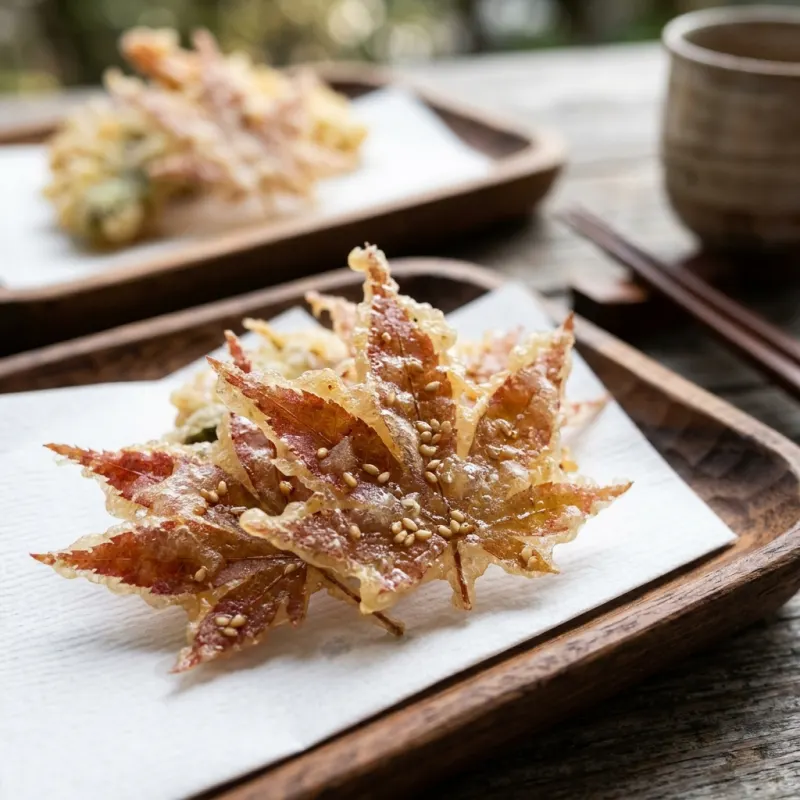
Discover cooking classes, tastings and local food tours
Logistics shouldn’t be the focus of your trip—the experience should. I’ve hand-vetted these essential partners to ensure your arrival, stay, and exploration are as smooth as an Athenian breeze.

Compare accommodation options and choose a stay that suits your plans and budget.
Connect with local guides for personalized help planning and exploring.
The “Engineer’s” rule: always have a backup. Secure your trip with a plan that covers every “what if” and unexpected change.
Don’t let paperwork slow you down. Get expert assistance with your application to ensure all your entry documents are in order.
Check out our related articles and blog posts to learn even more about the destination.
Share with your friends and family
