Disclosure: This site contains affiliate links. We may earn a commission if you make a purchase, at no extra cost to you.

>
>
>
>
Osaka Prefecture

Osaka Prefecture

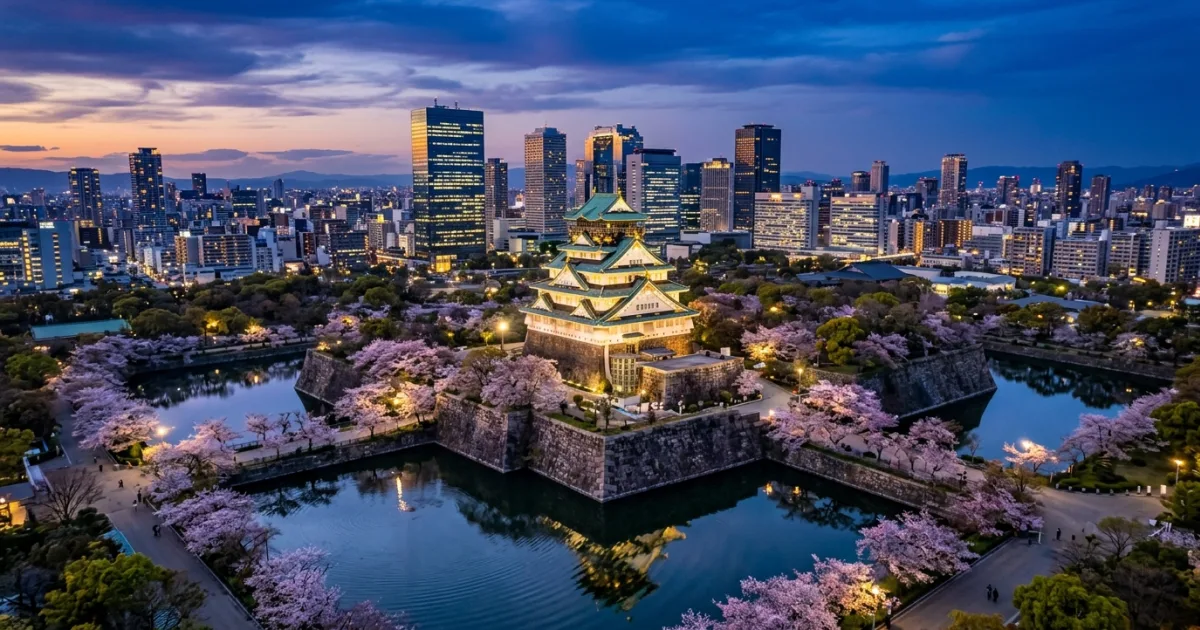
Illuminated Osaka Castle overlooking the stone moat with modern city skyscrapers at dusk

Osaka Prefecture Overview & Key Highlights

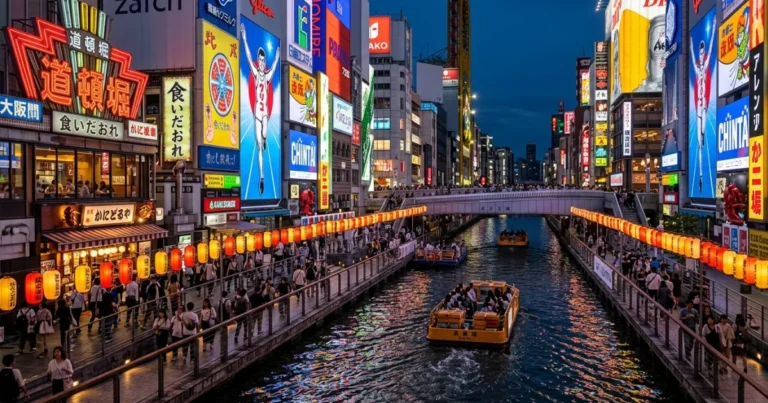
Osaka Prefecture serves as the dynamic commercial and culinary engine of Japan's Kansai region, anchored by the neon-lit waterways of its eponymous capital city and flanked by ancient burial mounds and forested peaks. Historically recognized as the 'Nation's Kitchen' (Tenka no Daidokoro), the prefecture offers a distinctly energetic atmosphere characterized by open, friendly locals, pioneering merchant culture, and an obsessive dedication to culinary craftsmanship epitomized by the local philosophy of kuidaore—eating oneself to ruin. Beyond the buzzing urban core of Dotonbori, Umeda, and Shinsekai, the prefecture extends into serene nature and deep cultural heritage. Visitors can easily travel from the 16th-century ramparts of Osaka Castle to the UNESCO-listed Mozu-Furuichi Kofun tumuli in Sakai, explore traditional knife-making workshops, or hike toward the cascading waterfalls of Minoh Park. Backed by one of the most efficient train systems in East Asia, Osaka Prefecture provides an exceptionally convenient, stimulating gateway for world-class dining, neon-drenched nightscapes, and historic Japanese architecture.

Osaka Prefecture Travel Guide: Logistics & In-Depth Tips

Osaka Prefecture is Japan's second-smallest prefecture by land area, yet it houses the nation's third-largest population and stands as the undeniable cultural and economic powerhouse of Western Japan. Facing Osaka Bay, the prefecture is nestled against the Ikoma and Kongo mountain ranges, which separate it from Kyoto, Nara, and Hyogo prefectures. For centuries, its strategic coastal position transformed it into the imperial empire's primary trade gateway, earning it the celebrated nickname 'Tenka no Daidokoro' (the nation's kitchen) during the Edo period due to its pivotal role as the distribution center for rice and commodities.

Today, Osaka Prefecture delivers a sensory-rich contrast between futuristic metropolis and profound antiquity. In downtown Osaka, districts like Namba, Dotonbori, and Umeda pulse with multi-story LED displays, dynamic shopping arcades, and bustling izakayas. Yet mere kilometers away lie quiet, verdant treasures: the monumental keyhole-shaped tomb of Emperor Nintoku in Sakai, the cascading Minoh Waterfall surrounded by maple trees, and historic merchant warehouses preserved through generations. The local populace is famous throughout Japan for their sharp wit, warmth, and straightforward hospitality, providing international visitors with one of the most engaging cultural experiences in East Asia.

Reasons to Visit

  • World-Class Gastronomy: Indulge in unmatched street eats, savory konamono treats, and Michelin-rated culinary masterpieces across Dotonbori, Kuromon Market, and Kitashinchi.
  • Fascinating Historic Castles: Marvel at the towering stone battlements, gilded roofs, and lush cherry blossom orchards of the 16th-century Osaka Castle.
  • UNESCO World Heritage Sites: Witness the ancient Mozu-Furuichi Kofun tumuli in Sakai, featuring enormous keyhole-shaped burial mounds that date back to the 4th and 5th centuries.
  • Unrivaled Entertainment & Thrills: Experience world-renowned amusement parks, including Universal Studios Japan and its iconic Super Nintendo World.
  • Seamless Regional Connectivity: Take advantage of high-speed Shinkansen bullet trains and extensive local railways connecting you effortlessly to Kyoto, Nara, and Kobe.

Things to Avoid

  • Don't stand on the wrong side of escalators: Unlike Tokyo where commuters stand on the left, local customs in Osaka dictate standing on the right and walking on the left.
  • Avoid double-dipping kushikatsu sauce: In traditional skewered-cutlet eateries with communal sauce vats, dipping your fried skewer a second time after taking a bite is strictly forbidden for hygiene reasons.
  • Don't jaywalk or ignore crosswalk signals: Even at quiet residential intersections, crossing against the red pedestrian signal is widely frowned upon and ticketable.
  • Don't tip at restaurants or in taxis: Exceptional service is built into Japanese hospitality (omotenashi); leaving cash on a table will only cause confusion and concern.

Local Transportation Tips

Navigating Osaka Prefecture is remarkably simple thanks to an integrated grid of public transportation lines. The Osaka Metro serves the metropolitan core across nine color-coded lines, with the Midosuji Line running north-to-south through major transit hubs including Shin-Osaka, Umeda, Shinsaibashi, Namba, and Tennoji. The JR Osaka Loop Line circles the inner city, while private lines like Hankyu, Keihan, and Hanshin link directly to neighboring prefectures.

For regional movement within the prefecture, the Nankai Electric Railway provides high-speed connections southward to Kansai International Airport (KIX) and Sakai, while the Kintetsu Railway connects eastward toward the Ikoma mountains. Visitors should purchase an IC card (ICOCA) or link a virtual digital card to their smartphone for effortless touch-and-go access across all operators, vending machines, and local convenience stores.

Travel Etiquette

  • Dining Decorum: Say 'itadakimasu' before starting a meal and 'gochisosama deshita' upon finishing as a polite sign of gratitude to the cook. Never stick chopsticks vertically into a bowl of rice.
  • Quiet Public Transit: Set your smartphone to silent mode ('manner mode') on all trains and subways; speaking on the phone or talking loudly is considered disruptive.
  • Shoe Removal: Remove your shoes whenever entering traditional ryokan inns, temple halls, tatami mat dining rooms, and fitting rooms at clothing stores.
  • Trash Management: Public trash cans are rare; carry a small plastic bag to hold your garbage until returning to your hotel room or convenience store disposal bins.

Recommended Age Group

Osaka Prefecture offers exceptional infrastructure, accessible transit, and dynamic attractions that appeal across different life stages.

  • Babies (0-2 years): Recommended. Spotless public nursing rooms, stroller-accessible train stations, and exceptionally hygienic facilities make traveling with infants manageable and safe throughout major commercial hubs.
  • Kids (3-12 years): Recommended. Interactive attractions such as Universal Studios Japan, the Kaiyukan Aquarium (one of the largest public aquariums in the world), and Kids Plaza Osaka provide extraordinary family-friendly engagement.
  • Teens (13-19 years): Recommended. Teenagers will revel in the high-energy gaming arcades of Denden Town, pop culture and anime shops, vibrant fashion districts like Amerikamura, and late-night street food scenes.
  • Adults (20-64 years): Recommended. Adults will appreciate the dynamic izakaya culture, world-class nightlife, deep architectural history, Michelin-starred gastronomy, and curated shopping districts across Umeda and Minami.
  • Seniors (65+ years): Recommended. The flat metropolitan topography, barrier-free elevator access at subway stations, tranquil Zen gardens, and historic artisan centers in Sakai offer a relaxing, comfortable pace for mature travelers.

Accessibility Level: Medium

  • Nearly all subway and train stations across Osaka Prefecture are equipped with elevator access, tactile yellow paving tiles (tenji burokkusu), and multi-purpose barrier-free restrooms.
  • Major tourist landmarks, including the modern interior of Osaka Castle's keep, Umeda Sky Building, and Harukas 300, offer full wheelchair ramps and spacious elevators.
  • City buses are low-floor kneeling models equipped with fold-out wheelchair ramps operated courteously by transit staff.
  • Many historic shrines and narrow older alleyways (yokocho) feature uneven flagstones and minor step thresholds, requiring some care for travelers with manual mobility aids.

Did You Know?

Despite Osaka's modern reputation for relaxed streetwear and street food, it is home to the world's oldest continuously operating business: Kongo Gumi. Founded in 578 AD by an immigrant carpenter commissioned by Prince Shotoku to build Shitenno-ji, Japan's first state-administered Buddhist temple, the construction firm operated independently for over 1,400 years and still builds traditional wooden temple structures across Japan today.

Cool Statistics

  • Over 8.8 million residents call Osaka Prefecture home, making it Japan's third most populous prefecture despite its compact size.
  • The Mozu Kofun cluster in Sakai features the Daisen Kofun, a burial tomb spanning over 460,000 square meters—larger in surface area than the Great Pyramid of Giza.
  • Osaka Castle's primary defensive moat system features solid granite retaining walls measuring up to 20 meters high, assembled without mortar in the 1620s.
  • Over 2,500 takoyaki shops operate across the prefecture, cementing its title as the street food capital of Japan.


Address:

Osaka Prefecture, Japan

Find Nearby Accommodations

Basic Info

address icon

COUNTRY & Region

Japan,
Asia

ACCESSIBILITY LEVEL​

Medium
Currency icon

LOCAL CURRENCY​

Japanese Yen (JPY)
Price level icon
Medium
Safety Level icon

SAFETY LEVEL

Duration icon

Recommended Duration

• 1-7 days
• More than a week

Electricity

electricity icon

Electricity

100-110V, 
60Hz
Plug Socket icon

Plug Type

• Type A (Flat blade)
• Type B (Flat blade with grounding pin)
Plug types
Click To View Plug Types
Osaka Prefecture is part of our
Solo Female Friendly collection

Things To Do In Osaka Prefecture

Total: 1

Activities To Do In Osaka Prefecture

Best Time To Visit Osaka Prefecture

Osaka Prefecture is a year-round destination, but mid-spring and late autumn offer optimal weather conditions with comfortable temperatures and striking seasonal foliage.

  • Spring (Late March to May): Mild temperatures averaging 15°C to 22°C coincide with blooming cherry blossoms around Osaka Castle Park and the Japan Mint, accompanied by vibrant outdoor festivals.
  • Autumn (October to November): Crisp, dry air and comfortable daytime temperatures make this the prime season for walking tours, temple visits, and viewing blazing red maples in Minoh Park.
  • Summer (June to August): Hot and intensely humid, punctuated by the energetic Tenjin Matsuri in late July; ideal for indoor shopping arcades, evening food runs, and theme park thrills.
  • Winter (December to February): Cool and dry with temperatures hovering around 5°C to 10°C, offering sparkling citywide winter illuminations and shorter queues at premier cultural attractions.

Average Temperatures Per Month

Remember to check the weather forecast a few days before the trip and before heading to the airport.

Safety Level icon

Safety Level

Osaka is exceptionally safe, ranking among the safest metropolitan zones worldwide with very low violent crime rates. Minor street scams such as touts inviting tourists into overpriced hostess bars or izakayas can occur in nightlife entertainment hubs like Minami (around Dotonbori and Shinsaibashi) and Tobita Shinchi; politely decline and avoid following unauthorized street solicitors. Keep your belongings secure in crowded night markets, and take note of severe weather warnings during late summer typhoon season.

The rating is based on multi-year peace, crime, and security indices. Before you go, always verify current conditions through official government travel advisories.

Emergency Numbers

Police: 110
Ambulance: 119

No internet needed • Includes local translations • Free for TravelingWiz readers

Spoken Languages

Japanese (Standard Japanese and the vibrant regional Kansai-ben dialect); basic English is widely understood in train stations, hotels, and tourist districts.

Learn The Language

  • Konnichiwa — Hello / Good afternoon
  • Arigatou gozaimasu — Thank you very much
  • Sumimasen — Excuse me / Pardon me
  • Kore wa ikura desu ka? — How much is this?
  • O-kaikei kudasai — The bill, please
  • Ookini — Thank you (Local Kansai-ben dialect)
  • Eigo ga hanasemasu ka? — Do you speak English?
  • Tasukete kudasai — Please help me
Travel Booking Partner - TravelingWiz

Trip Cost & Budgeting for Osaka Prefecture, 2026

Everything you need to know about money while traveling
Is Osaka Prefecture expensive for tourists in 2026? Osaka offers moderate prices compared to other global metropolitan hubs, making it very accessible. Based on Human Verified prices, expect to pay around ¥500 for a cappuccino, ¥550 for a pint of domestic beer, and ¥2,000 for a mid-range restaurant meal. Daily accommodation and transit costs remain reasonable for visitors. Use the data table below to calculate your specific daily budget based on your travel style.
Currency icon

LOCAL CURRENCY​:

Japanese Yen (JPY)
Price level icon
Medium
Major credit cards and IC cards are widely accepted, though cash is recommended for small street food vendors.

Per person, per day – pocket cash for small purchases.

Local: 2000
Japanese Yen (JPY)
≈ 13 USD

Full daily spend estimation (accommodation, food, transportation, attractions).

Travel Style
Japanese Yen (JPY)
≈ USD ($)
Budget
11000
70
Mid-range
20000
127
Comfort
44000
279

The Prices, Daily costs, and calculator results are estimates for planning purposes only. Actual costs may vary based on season, booking timing, personal spending habits, and currency fluctuations. TravelingWiz cannot be held responsible for discrepancies between these estimates and your final trip expenses.

  • • Purchase an ICOCA IC card for seamless local subway and bus transit across Osaka.
  • • Enjoy affordable, high-quality lunch specials at local izakayas or fast-casual chains like Matsuya and Sukiya.
  • • Take advantage of supermarket bento discounts offered in the late evening for cheap, fresh meals.
  • • Consider buying an Osaka Amazing Pass for free admission to top attractions and unlimited local subway rides.

Pre-Order Tickets

Avoid disappointment when tickets sell out — and skip the long lines by booking online in advance. You’ll often save up to 20% too.
Save up to 20%

Travel Discounts & Coupons

Save on hotels, attractions, transport, and gear — find verified discounts for smarter travel spending.
Verified Coupons

What To Pack

  • Slip-on comfortable walking shoes for traversing expansive train stations and temple grounds where shoe removal is required.
  • Small hand towel or tenugui, as many traditional public restrooms do not provide paper towels or hand dryers.
  • Compact coin pouch or wallet to manage Japanese Yen coins received from cash-only ticket kiosks and street food stalls.
  • Universal Type A power adapter and a portable power bank to keep smartphones charged during full-day urban exploration.
  • Layered seasonal clothing, including lightweight breathable fabrics for humid summers or a warm insulated coat for brisk winter winds.
  • Pocket Wi-Fi device or registered eSIM for seamless navigation across complex multi-operator rail and subway networks.
We couldn't find tips for Osaka Prefecture.
If you got any, please share

Recommended Itineraries for Traveling to Osaka Prefecture

We couldn't find itineraries for Osaka Prefecture.
you can contact us for custom trip plan

Food & Drink Highlights

Local Food Overview

Osaka's food culture is world-renowned for its hearty, comforting flavors and proud street-food roots. Characterized by savory dashi broth, batter-based 'konamono' snacks, and inventive skewered specialties, the culinary landscape prioritizes freshness, speed, and communal indulgence. Whether snacking along the canal bridges of Dotonbori or dining at elevated kappo eateries in Kitashinchi, the region's devotion to gastronomy is infectious.
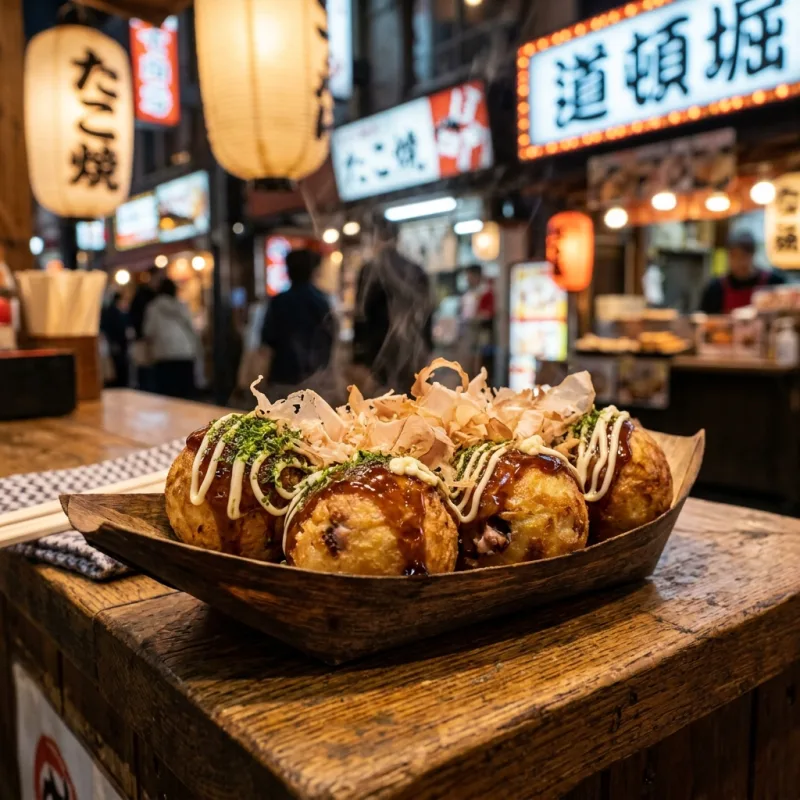
Freshly cooked Takoyaki octopus balls topped with sauce, mayonnaise, and bonito flakes in Osaka

Must Try Dish

Takoyaki - These sizzling, golf-ball-sized battered spheres are packed with tender octopus chunks, pickled ginger, and green onion, seared golden in special cast-iron dimpled pans. Served scalding hot, they are generously brushed with sweet takoyaki glaze, drizzled with Japanese mayonnaise, and topped with dancing katsuobushi bonito flakes.
Food Experiences Title Icon

Food
Experiences

Discover cooking classes, tastings and local food tours

No food experience found
Maya, the human travel expert at TravelingWiz, offering curated, non-AI expertise

Maya’s Final Checklist for Osaka Prefecture

Logistics shouldn’t be the focus of your trip—the experience should. I’ve hand-vetted these essential partners to ensure your arrival, stay, and exploration are as smooth as an Athenian breeze.

Where to Stay

From boutique hotels to local apartments—compare thousands of options and find the perfect stay in the best neighborhood.

Air Travel

Getting there should be seamless. Compare the best routes and prices across top airlines to start your journey on the right note.

Local Guides

Connect with experts who know the destination best. Get personalized advice and insider tips to help you plan your perfect trip.

Travel Protection

The “Engineer’s” rule: always have a backup. Secure your trip with a plan that covers every “what if” and unexpected change.

Car Rentals

Explore at your own pace with total freedom. Compare reliable rental options and find the right vehicle for your adventure.

Visa Services

Don’t let paperwork slow you down. Get expert assistance with your application to ensure all your entry documents are in order.

FAQs

The prefecture features an exceptionally dense network of urban subways, JR lines, and private commuter railways (such as Hankyu, Hanshin, Keihan, and Nankai). Purchasing an IC card like ICOCA allows seamless tap-and-go travel across all train, subway, and bus operators throughout the entire Kansai region.
A stay of 3 to 5 days is recommended. This allows sufficient time to experience Osaka city’s top districts and castles, spend a day at Universal Studios Japan, take a nature excursion to Minoh Falls, and explore historic heritage sites such as the ancient Mozu Kofun burial mounds in Sakai.
Yes, Osaka serves as the central rail hub of Western Japan. From central hubs like Osaka-Umeda and Shin-Osaka, you can reach Kyoto in 30 minutes, Kobe in 20 minutes, and Nara in 40 minutes, making it an ideal, lively home base for regional day trips.

Your Insights Matter

TravelingWiz grows through the stories of our community. If you’ve recently explored ,Osaka Prefecture share your tips and stories to help us perfect our guides for the next traveler.

Related Articles

Check out our related articles and blog posts to learn even more about the destination.

No related articles found

Don’t Travel Alone

Share with your friends and family

Where should we send your offline card?

We hate spam just as much as you do

newsletter_consent *