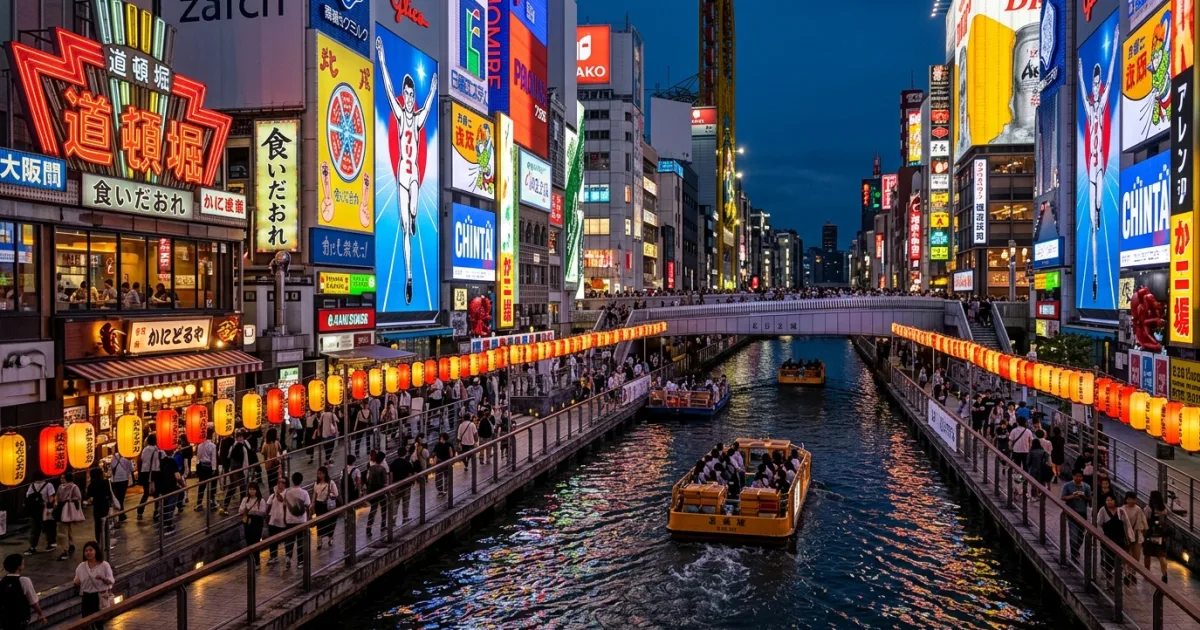
Osaka developed from an ancient maritime gateway into Japan's supreme commercial exchange during the Edo period, earning its historic mantle as the Nation's Kitchen. Unlike the imperial restraint of Kyoto or the sprawling bureaucratic footprint of Tokyo, Osaka thrives on spontaneous street energy, architectural dynamism, and an approachable retail culture. Central Osaka is neatly bisected into Kita (the north district centered on Umeda's gleaming transit towers) and Minami (the south district anchored by the bustling dining corridors of Namba, Shinsaibashi, and Dotonbori).
Beyond its urban core, Osaka features an exceptional balance of leisure attractions and cultural preservation. The massive moat system and stone ramparts of Osaka Castle provide expansive green breathing room within the city center, while the bay area showcases modern marvels including the Osaka Aquarium Kaiyukan and Universal Studios Japan. Whether sampling skewered kushikatsu in Shinsekai under the Tsutenkaku Tower or scouring high-end boutiques in modern retail complexes, visitors encounter a warm, humor-filled local culture that invites conversation and culinary indulgence.
Reasons to Visit
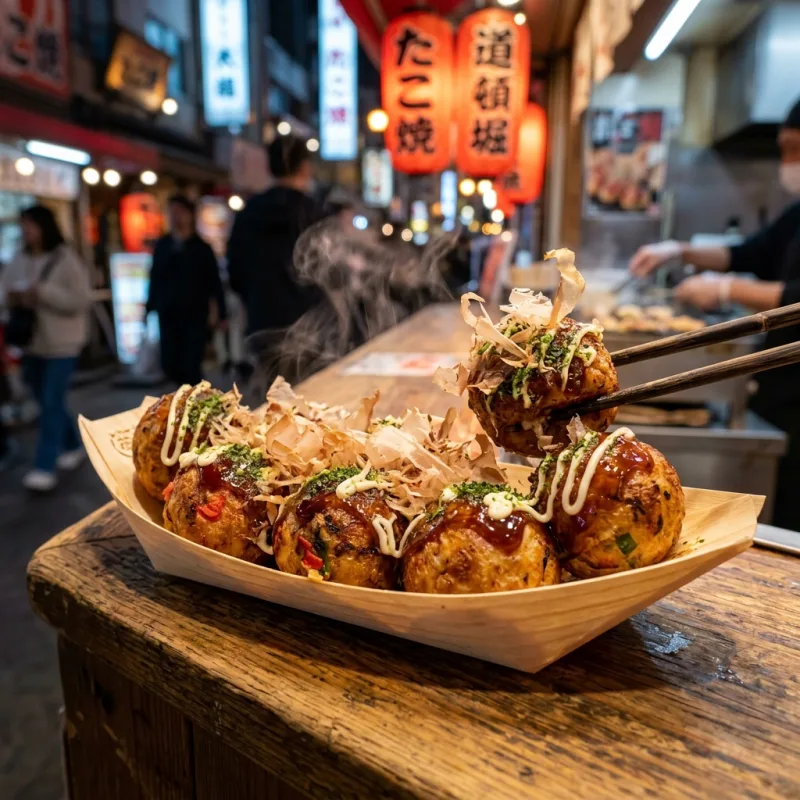
- Legendary Food Culture: Savor quintessential street treats like takoyaki and okonomiyaki where they were originally perfected.
- Effortless Regional Hub: Reach Kyoto in 30 minutes, Kobe in 20 minutes, and Nara in 40 minutes via rapid rail links.
- Vibrant Nightlife: Wander through the illuminated neon canyons and retro izakaya alleys along the Dotonbori Canal.
- World-Class Attractions: Experience Universal Studios Japan and the massive Kaiyukan, one of the world's premier indoor aquariums.
- Warm Local Demeanor: Encounter the famously friendly, communicative, and humorous personality of Osaka's Kansai residents.
Things to Avoid
- Don't stand on the left side of escalators: Unlike Tokyo where commuters stand on the left, Osaka convention dictates standing strictly on the right side.
- Don't walk while eating street food: Consume snacks directly beside the vendor stall or find a designated bench to prevent litter and respect local street etiquette.
- Don't skip cash completely: Avoid relying solely on credit cards; maintain paper yen for food stalls, vending machines, and coin lockers.
- Don't board trains without checking express classifications: Osaka rail lines run local, rapid, and special rapid trains; verify stops before boarding to avoid overshooting your station.
Local Transportation Tips
Osaka features one of the most efficient transit infrastructures in Asia. The Osaka Metro encompasses eight subway lines supplemented by an automated people mover, seamlessly traversing both north-south and east-west corridors. The Japan Rail (JR) Osaka Loop Line circles the inner metropolis, connecting major transfer terminals like Osaka/Umeda, Tennoji, and Kyobashi. Travelers can utilize an IC transit card (such as ICOCA, Suica, or Pasmo) on virtually all subways, buses, and private lines like Hankyu, Hanshin, Keihan, and Kintetsu. Taxis are clean, reliable, and equipped with automatic doors, though subways remain significantly faster during rush hour traffic.
Travel Etiquette
- Keep voice volume low on public transit: Set smartphones to silent ('manner mode') and refrain from taking phone calls on trains and subways.
- Pass money via the cash tray: Place all paper currency and coins inside the small payment tray (tsuridai) at registers rather than handing it directly to the cashier.
- Zero tipping expectation: Tipping is not practiced in restaurants, bars, or taxis; outstanding service is considered standard and built into the bill.
- Dispose of trash properly: Public garbage cans are scarce; carry a small bag to transport personal rubbish back to your accommodation or train station collection bins.
Recommended Age Group
Osaka offers safe, engaging infrastructure tailored to diverse age demographics, from world-class amusement parks to deep cultural shrines.
- Babies (0-2 years): Recommended. The city is exceptionally clean and safe, though navigating folded strollers through crowded rush-hour subway hubs requires strategic planning.
- Kids (3-12 years): Recommended. High-energy family highlights include Universal Studios Japan, the massive whale sharks at Kaiyukan Aquarium, and interactive science centers.
- Teens (13-19 years): Recommended. Teenagers will appreciate the vintage thrift stores of Amerikamura, the anime arcades of Den Den Town, and dynamic street food markets.
- Adults (20-64 years): Recommended. An ideal urban playground featuring vibrant craft cocktail bars, Michelin-starred gastronomy, diverse shopping, and accessible heritage sites.
- Seniors (65+ years): Recommended. Outstanding barrier-free infrastructure, efficient elevator networks at transit stations, and smooth paved walkways around historic parks ensure a seamless visit.
Accessibility Level: Medium
- Barrier-Free Metro Stations: Most Osaka Metro and JR stations feature dedicated elevator access, tactile paving guides, and wide automatic ticket gates.
- Accessible Sightseeing: Osaka Castle's modern interior is fully retrofitted with elevators, wheelchair ramps, and barrier-free restrooms.
- Sidewalk Quality: Main thoroughfares across Umeda and Namba have smooth curb cuts, though narrow retro alleyways in Shinsekai can occasionally present uneven surfaces.
- Accessible Accommodations: Modern international hotels provide certified universal accessible rooms with roll-in showers and wide doorways.
Did You Know?
During the Edo period, Osaka handled roughly 70 percent of Japan's total rice trade via the Dojima Rice Exchange, where merchants established the world's very first organized futures exchange market in 1730.
Cool Statistics
- Over 2.7 million residents live in Osaka city, anchoring a broader metropolitan region of more than 19 million people.
- Osaka Castle's primary defensive stone walls contain roughly 500,000 massive granite blocks transported from islands across the Seto Inland Sea.
- The Osaka Metro network carries over 2.4 million daily passengers across 133 stations.
- Shinsaibashi-suji shopping arcade stretches approximately 600 meters and has operated as an active retail promenade for over 380 years.






Buy a compatible power adapter for your trip