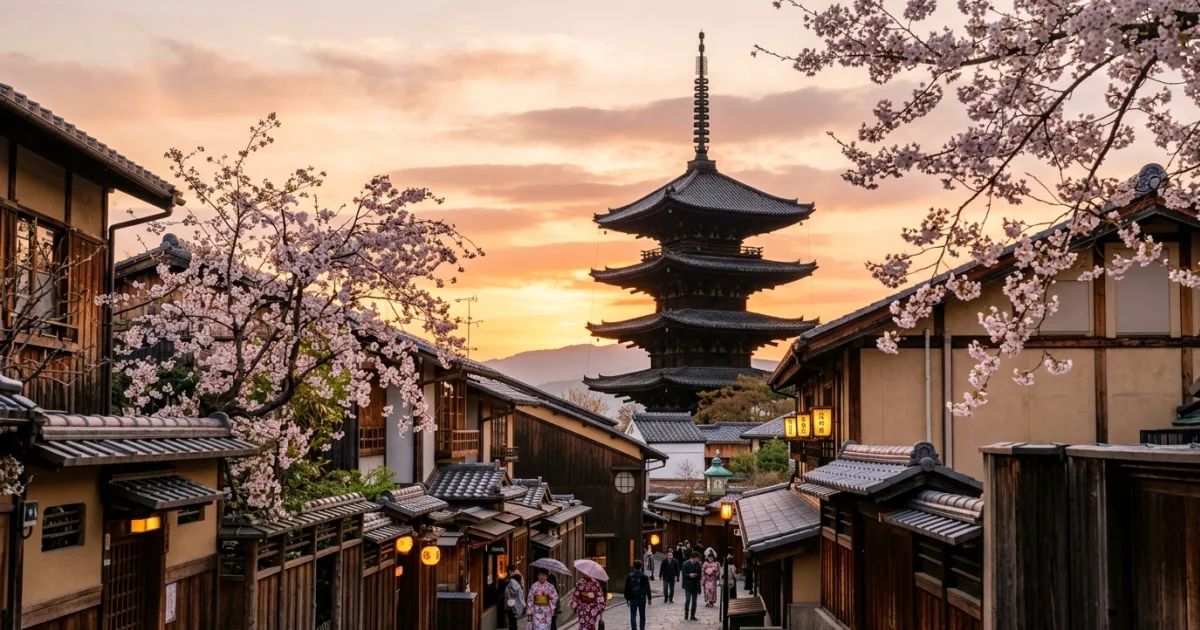
Kyoto Prefecture extends well beyond the iconic wooden pagodas and stone rock gardens of its municipal namesake. Extending northwest to the Sea of Japan, the prefecture encompasses tranquil seaside bays, misty mountain valleys, dense cedar forests, and fertile alluvial plains. This geography historically positioned Kyoto as the cultural, political, and spiritual hub of Japan for over a millennium, from the establishment of Heian-kyo in 794 AD until the Meiji Restoration shifted the imperial capital to Tokyo in 1868.
Today, visitors can experience a striking dual character across the prefecture. The southern urban corridor showcases refined imperial palaces, 17 UNESCO World Heritage monuments, and bustling geisha districts like Gion. In contrast, the northern region—frequently dubbed 'Kyoto by the Sea'—features the floating boathouses (funaya) of Ine Bay, the pine-covered sandbar of Amanohashidate, and historic silk-weaving workshops in Tango, offering deep immersion into timeless coastal livelihoods.
Reasons to Visit
- Explore 17 UNESCO World Heritage monuments, including Kinkaku-ji (Golden Pavilion), Kiyomizu-dera, and Byodo-in Temple.
- Experience rural tranquility in the preserved thatched-roof village of Miyama Kayabuki no Sato.
- Witness the unique architecture of Ine's funaya, over 230 wooden boathouses resting directly over the water.
- Sample world-renowned green tea, ceremonial grade matcha, and matcha parfaits right at the source in Uji.
- Wander the iconic Fushimi Inari Taisha mountain trail beneath thousands of vermilion torii gates.
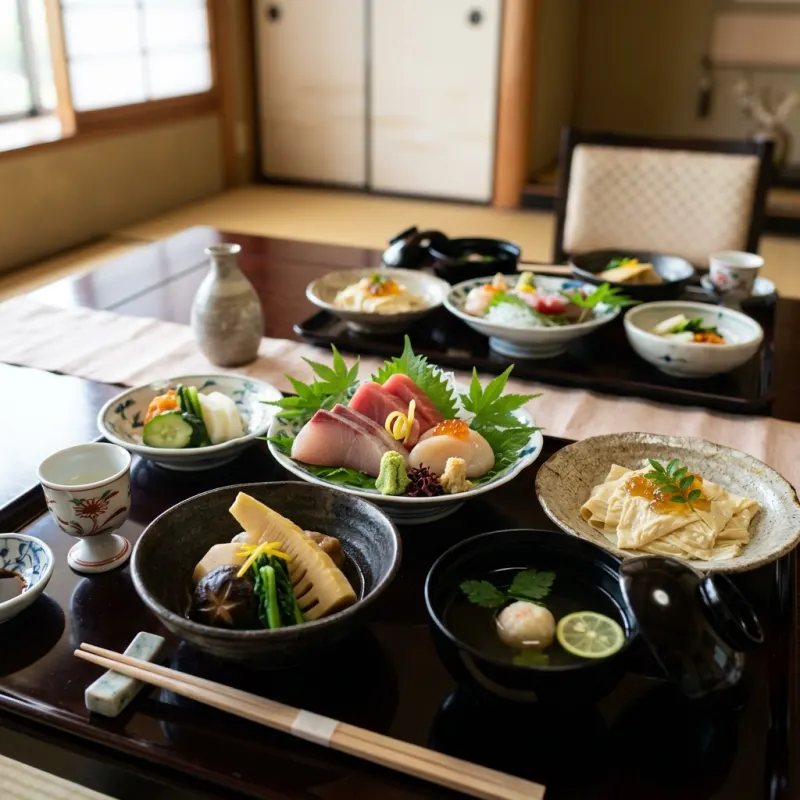
- Indulge in authentic Kaiseki multi-course dining and stay in centuries-old traditional wooden ryokan.
Things to Avoid
- Avoid photographing geiko or maiko on private streets in Gion without explicit permission, as strict local ordinances carry hefty fines.
- Do not drag heavy rolling luggage onto crowded municipal city buses in Kyoto City; use baggage delivery (Takkyubin) services instead.
- Avoid planning your itinerary around midday temple visits during peak cherry blossom or autumn seasons to prevent intense crowd fatigue.
- Do not wear outdoor shoes onto indoor tatami mat flooring under any circumstance.
- Avoid eating or drinking while walking down narrow historic streets; consume snacks at the counter or stand where purchased.
Local Transportation Tips
Transit within Kyoto Prefecture is highly integrated and efficient. Within Kyoto City, two subway lines (Karasuma and Tozai) connect seamlessly with JR lines, Hankyu Railway, and Keihan Main Line, supplemented by an extensive municipal bus network. For travel across the broader prefecture, JR West operates frequent express trains connecting Kyoto Station to Kameoka, Sonobe, Fukuchiyama, and Maizuru. From Fukuchiyama, the privately run Kyoto Tango Railway provides scenic seaside transit along the Tango Peninsula, linking travelers to Amanohashidate and Toyooka.
Travel Etiquette
- Keep your voice low on public transit and switch mobile phones to silent ('manner mode') at all times.
- Remove your shoes promptly at the genkan entrance when entering temples, traditional restaurants, and ryokan accommodations.
- Do not place tips on tables; exceptional hospitality (omotenashi) is included in all Japanese services, and tipping can cause confusion.
- Carry your personal trash with you throughout the day, as public trash receptacles are rare; dispose of waste at train stations or convenience stores.
Recommended Age Group
Kyoto Prefecture provides diverse cultural, scenic, and culinary experiences, though travel suitability varies based on physical stamina and regional logistics.
- Babies (0-2 years): Neutral. Cobblestone paths, ancient temple steps, and tight machiya doorways make strollers difficult to maneuver; baby carriers are essential.
- Kids (3-12 years): Recommended. Interactive attractions like the Kyoto Railway Museum, Toei Kyoto Studio Park, and boat rides in Ine or Arashiyama keep children thoroughly engaged.
- Teens (13-19 years): Recommended. Vibrant anime stores in Kawaramachi, dramatic torii gate hikes, and traditional samurai/ninja cultural workshops resonate strongly with teenagers.
- Adults (20-64 years): Recommended. Ideal for architectural appreciation, world-class dining, sake tastings in Fushimi, and relaxing onsen retreats across the region.
- Seniors (65+ years): Recommended. Outstanding public transit, high healthcare standards, and serene Zen gardens suit older travelers, provided walking itineraries accommodate temple staircases.
Accessibility Level: Medium
- Kyoto Station and major train transit hubs feature comprehensive barrier-free facilities, tactile paving, and elevator connections.
- Modern cultural institutions like the Kyoto National Museum offer full wheelchair accessibility and dedicated facilities.
- Historic temples frequently feature gravel paths, steep wooden entry thresholds, and extensive stone staircases that limit independent wheelchair access.
- Accessible wheelchair-friendly taxis (wel-cabs) can be reserved in advance through major taxi operators in Kyoto City.
Did You Know?
Amanohashidate, located in northern Kyoto Prefecture, is revered as one of Japan's 'Three Scenic Views' (Nihon Sankei). Legend states that the pine-covered natural sandbar was an ancient stairway connecting heaven and earth created by the Shinto deities Izanagi and Izanami before collapsing into the sea.
Cool Statistics
- Kyoto Prefecture features over 1,600 Buddhist temples and roughly 400 Shinto shrines.
- The prefecture is home to 17 individual structures and sites collectively registered as the UNESCO World Heritage 'Historic Monuments of Ancient Kyoto'.
- Uji, located in southern Kyoto Prefecture, has produced premier Japanese tea since the 12th century, pioneering the shade-grown cultivation method.






Buy a compatible power adapter for your trip