Disclosure: This site contains affiliate links. We may earn a commission if you make a purchase, at no extra cost to you.
Awaji Island

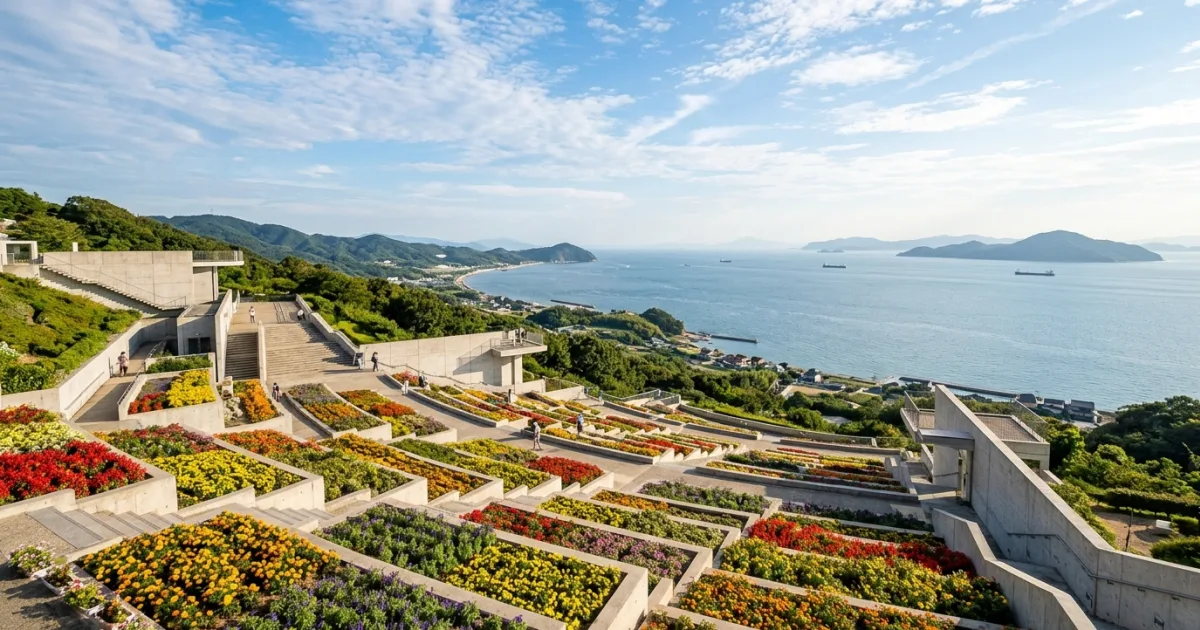
Panoramic scenic view of Awaji Island with flower terraces and the Seto Inland Sea

Basic Info

COUNTRY & Region

Japan,
Asia

ACCESSIBILITY LEVEL​

  • High: Widely accessible with good facilities for disabilities.
  • Medium: Some accessible options, but limitations exist.
  • Low: Limited accessibility; many barriers for disabilities.
Medium

LOCAL CURRENCY​

Japanese Yen (JPY)

Price Level

Low – budget‑friendly basics

Medium – moderate mid‑range costs

High – pricey lodging, dining & transport

Medium

SAFETY LEVEL

5 shields = Excellent – very low crime or conflict.

4 shields = Safe – low risk, routine care.

3 shields = Relatively safe – use normal street smarts.

2 shields = Use caution – higher crime or periodic unrest.

1 shields = Avoid – active conflict or extreme danger.

Scores are derived from multi-year peace, homicide and security indices blended into a single 1-to-5 scale.

Recommended Duration

1-7 days, Full day

Awaji Island Overview & Key Highlights

Awaji Island rests in the eastern portion of the Seto Inland Sea, acting as a scenic terrestrial bridge between Honshu and Shikoku via two of Japan's most impressive suspension bridges. Renowned in Japanese mythology as the first island created by the gods Izanagi and Izanami, this historic landmass pairs sacred lore with sprawling agricultural vistas, serene coastal drives, and world-class modern architecture designed by Tadao Ando. Visitors flock to the island to witness the churning Naruto whirlpools, unwind at natural hot spring resorts along Sumoto Bay, and savor an exceptionally rich local food culture anchored by famous sweet onions and marbled Awaji beef. Combining tranquil coastal greenery with innovative attractions like Nijigen no Mori anime theme park, Awaji Island provides an accessible, slower-paced alternative to the bustling urban corridors of Osaka and Kobe.

Awaji Island Travel Guide: Logistics & In-Depth Tips

Awaji Island serves as the cultural gateway where ancient mythology intertwines with forward-thinking design. According to the Kojiki, Japan's oldest chronicle, Awaji was the very first piece of land created when the deities Izanagi and Izanami stirred the primordial ocean with a jeweled spear. This sacred provenance remains tangible at Izanagi Jingu, a tranquil Shinto sanctuary venerated for millennia.

Beyond its deep historical roots, modern Awaji has reinvented itself as a center for contemporary art, agritourism, and architecture. Concrete masterworks by Tadao Ando merge with botanical collections, while pop-culture attractions like Nijigen no Mori showcase life-sized Godzilla and anime installations, making the island a multi-faceted destination for all travelers.

Reasons to Visit

  • Marvel at the architectural brilliance of Tadao Ando at Awaji Yumebutai and the Water Temple.
  • Witness the powerful natural spectacle of the tidal Naruto whirlpools up close on sightseeing cruises.
  • Feast on legendary farm-to-table cuisine featuring renowned Awaji sweet onions and premium Awaji wagyu beef.
  • Experience fun pop-culture immersion at Nijigen no Mori anime theme park and Hello Kitty Smile.
  • Unwind in oceanfront thermal onsen hot springs along the picturesque Sumoto coast.

Things to Avoid

  • Avoid relying exclusively on public buses if your itinerary covers multiple remote locations in a single day.
  • Do not show up for Naruto whirlpool viewing without checking tidal tables, as whirlpools are only visible during peak tidal currents.
  • Avoid traveling during peak Japanese holidays like Golden Week or Obon without booking hotels and rental cars months ahead.
  • Do not skip carrying Japanese yen cash, as smaller farm stands and local ramen shops rarely accept credit cards.

Local Transportation Tips

Renting a vehicle is the most practical way to navigate Awaji Island, accessible via the Akashi Kaikyo Bridge from Kobe. For those without personal transport, Express Highway Buses operate frequently from Kobe Sannomiya, Shin-Kobe, and Osaka to Sumoto Bus Center and northern transit points. Rental bicycles and e-bikes are readily available near ports and bus depots for cycling enthusiasts looking to tackle the scenic 150 km 'Awaichi' island loop.

Travel Etiquette

  • Remove your shoes when entering shrines, ryokan accommodations, and tatami-matted dining spaces.
  • Tipping is not customary in Japan; exceptional service is already included in your bill.
  • Wash thoroughly before entering communal onsen baths and keep hair and towels tied up outside the water.
  • Pack your litter out with you, as public garbage bins are rare along coastal roads and scenic trails.

Recommended Age Group

Awaji Island offers diverse recreational, cultural, and scenic attractions that cater smoothly across all generational demographics.

  • Babies (0-2 years): Recommended. Spacious seaside parks, quiet resorts, and calm stroller-friendly paths make it very accessible for families with infants.
  • Kids (3-12 years): Recommended. Exciting attractions such as Nijigen no Mori anime park, Hello Kitty Smile, and spacious national park playgrounds offer unmatched kid-friendly adventure.
  • Teens (13-19 years): Recommended. Interactive anime zones, zip-lining over Godzilla, cycling the coastline, and dramatic whirlpool boat tours provide strong engagement.
  • Adults (20-64 years): Recommended. World-class Tadao Ando architecture, hot spring luxury retreats, gourmet dining, and coastal driving routes create a premier getaway.
  • Seniors (65+ years): Recommended. Barrier-free botanical complexes, serene historic shrines, soothing hot spring ryokans, and tranquil sea vistas provide comfortable, slow travel.

Accessibility Level: Medium

  • Modern attractions such as Awaji Yumebutai feature extensive elevator banks, gently graded ramps, and barrier-free restrooms.
  • Sightseeing cruise boats for the Naruto whirlpools offer wheelchair-accessible boarding ramps and spacious main decks.
  • Most roadside rest stations (Michi-no-Eki) provide designated accessible parking and wheelchair-friendly sanitary facilities.
  • Ancient temple grounds like Honpuku-ji involve gravel paths and architectural steps that may require assistance.

Did You Know?

Awaji Island is connected to the city of Kobe by the Akashi Kaikyo Bridge, which features one of the longest central suspension bridge spans in the world at 1,991 meters (6,532 feet).

Cool Statistics

  • Produces over 100,000 tons of sweet onions annually, accounting for roughly 10% of Japan's domestic harvest.
  • The Naruto whirlpools can reach rotational speeds up to 20 km/h (12 mph), creating diameters of up to 20 meters.
  • Home to Izanagi Jingu, documented as the oldest Shinto shrine mentioned in ancient imperial records.

Address:

Awaji Island, Hyogo Prefecture, Japan

Find Nearby Accommodations

Electricity

100-110V, 
60Hz

Plug Type

Type A (Flat blade), Type B (Flat blade with grounding pin)
Plug types
Click To View Plug Types
Awaji Island is part of our
Solo Female Friendly collection

Activities To Do In Awaji Island

Best Time To Visit Awaji Island

Awaji Island enjoys a temperate Seto Inland Sea climate with mild winters and warm, sunny summers, making it a viable year-round road trip destination.

  • Spring (March to May): Ideal for flower blossoms, fresh spring onions, and pleasant temperatures averaging 15°C to 20°C.
  • Summer (June to August): Perfect for beach activities, sea kayaking, and lively coastal barbecue culture, though humidity is high.
  • Autumn (September to November): The best season for sightseeing, whirlpool viewing tides, and harvesting culinary delicacies under crisp skies.
  • Winter (December to February): Quiet and cool with temperatures around 5°C to 11°C, best suited for thermal onsen stays and winter daffodil fields.

Average Temperatures Per Month

Average monthly temperaturesMonthly source values, with Celsius and Fahrenheit equivalents in the following data table.0°32°9°48°18°64°26°79°35°95°JanJan: 6°C / 43°FFebFeb: 6°C / 43°FMarMar: 10°C / 50°FAprApr: 14°C / 57°FMayMay: 18°C / 64°FJunJun: 22°C / 72°FJulJul: 26°C / 79°FAugAug: 28°C / 82°FSepSep: 25°C / 77°FOctOct: 19°C / 66°FNovNov: 14°C / 57°FDecDec: 8°C / 46°F
View temperature data
Average monthly temperatures
Month°C°F
Jan643
Feb643
Mar1050
Apr1457
May1864
Jun2272
Jul2679
Aug2882
Sep2577
Oct1966
Nov1457
Dec846

Remember to check the weather forecast a few days before the trip and before heading to the airport.

Safety Level

5 shields = Excellent – very low crime or conflict.

4 shields = Safe – low risk, routine care.

3 shields = Relatively safe – use normal street smarts.

2 shields = Use caution – higher crime or periodic unrest.

1 shields = Avoid – active conflict or extreme danger.

Scores are derived from multi-year peace, homicide and security indices blended into a single 1-to-5 scale.

Awaji Island boasts an exceptionally low crime rate with virtually non-existent violent incidents. Exercise standard caution on winding coastal and mountain roads, particularly during wet weather or heavy coastal fog. Ensure you monitor tidal schedules prior to whirlpool cruises to avoid rough sea conditions.

The rating is based on multi-year peace, crime, and security indices. Before you go, always verify current conditions through official government travel advisories.

Emergency Numbers

Police: 110
Ambulance: 119

No internet needed • Includes local translations • Free for TravelingWiz readers

Spoken Languages

Japanese is the primary language. Basic English signage and translation tools are common in major attractions, but rural establishments primarily speak Japanese.
Travel Booking Partner - TravelingWiz

Learn The Language

  • Konnichiwa – Hello
  • Arigatou gozaimasu – Thank you very much
  • Sumimasen – Excuse me / Sorry
  • Kore wa ikura desu ka? – How much is this?
  • Eigo ga hanasemasu ka? – Do you speak English?
  • Kore o kudasai – Please give me this
  • O-kaikei o onegaishimasu – Bill, please
  • Tasukete kudasai – Please help me

Trip Cost & Budgeting for Awaji Island, 2026

Everything you need to know about money while traveling
Awaji Island is moderately priced for tourists in 2026, offering great value compared to major Japanese metropolises. For daily dining, expect to pay around 500 yen for a cappuccino or brewed coffee, 700 yen for a pint of craft Awaji beer, and 2,200 yen for a standard mid-range meal highlighting local Awaji beef or fresh seafood. Our Human Verified prices show that balanced spending goes far here. Use the data table below to calculate your specific daily budget based on your travel style.

LOCAL CURRENCY​:

Japanese Yen (JPY)

Price Level:

Low – budget‑friendly basics

Medium – moderate mid‑range costs

High – pricey lodging, dining & transport

Medium

Cards Vs. Cash

Major resorts and attractions accept cards, but local buses, shrines, and rustic eateries still require cash.

How Much Cash to Carry (on you)

Per person, per day – pocket cash for small purchases.

Local: 4000
Japanese Yen (JPY)
≈ 25 USD

Average Daily Costs (per person)

Full daily spend estimation (accommodation, food, transportation, attractions).

Travel Style
Japanese Yen (JPY)
≈ USD ($)
Budget
10750
67
Mid-range
19500
122
Comfort
42900
269
Note

The Prices, Daily costs, and calculator results are estimates for planning purposes only. Actual costs may vary based on season, booking timing, personal spending habits, and currency fluctuations. TravelingWiz cannot be held responsible for discrepancies between these estimates and your final trip expenses.

Best Value Tips

  • • Rent a car in Kobe or Akashi to cut transit costs across the island, as local bus fares add up quickly.
  • • Dine at roadside stations (michi-no-eki) to enjoy acclaimed Awaji onion burgers and seafood sets at affordable prices.
  • • Take advantage of the free shuttle buses running between Iwaya Port and northern attractions like Nijigen no Mori.
  • • Avoid traveling during Japanese public holidays and Golden Week when domestic demand drastically drives up resort rates.

Tours & Tickets

Explore tours, attractions, and ticket options to plan your visit.
Plan ahead

Travel Offers & Coupons

Browse travel offers and coupons from our affiliate partners.
Affiliate partner offers

What To Pack

  • Valid International Driving Permit (IDP) and passport if planning to rent a car to explore the island efficiently.
  • Sturdy walking shoes for navigating outdoor attractions like Awaji Yumebutai and Akashi Kaikyo National Government Park.
  • Windbreaker or light rain jacket to withstand sea breezes during coastal boat tours of the Naruto whirlpools.
  • Slip-on footwear to facilitate frequent shoe removal when visiting shrines, temples, and traditional ryokan.
  • Sunscreen, sunglasses, and a wide-brim hat for bright Seto Inland Sea coastal walks.
  • Pocket Wi-Fi or local eSIM for smooth GPS navigation across rural roads.
Only the good stuff!
Browse recommended travel gear
Check out our free packing list tool

Recommended Itineraries for Traveling to Awaji Island

Take your itinerary with you

Choose a ready-made itinerary, plan your own trip, and keep TravelingWiz by your side while you travel.

Get the TravelingWiz app

Food & Drink Highlights

Local Food Overview

Awaji Island is historically celebrated as 'Miketsukuni,' an imperial pantry that supplied high-quality ingredients to the ancient Imperial Court in Kyoto and Nara. The island's signature harvest is the Awaji onion, revered throughout Japan for its exceptional sweetness, soft texture, and low pungency. Surrounding Seto Inland Sea waters provide bountiful catches of raw shirasu (baby whitebait), red sea bream, and pike conger (hamo), while the island's interior pastures produce prized Awaji beef, celebrated for its exquisite marbling and rich umami flavor.

Must Try Dish

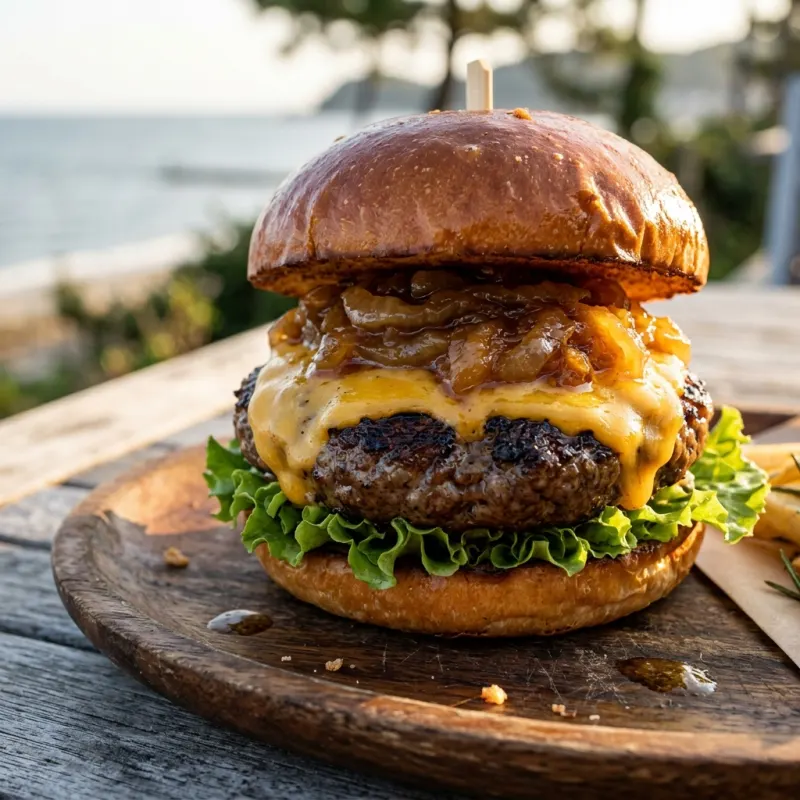
Awaji Beef Burger - This gourmet island staple features a thick, juicy patty of rich local Awaji Wagyu beef topped with thick rings of sweet caramelized Awaji onion served on a toasted artisanal bun. Sweet, savory, and exceptionally tender, it embodies the island's premier agricultural products in a single memorable meal.
Gourmet Awaji Beef Burger topped with sweet caramelized onions

Maya’s Final Checklist for Awaji Island

Logistics shouldn’t be the focus of your trip—the experience should. I’ve hand-vetted these essential partners to ensure your arrival, stay, and exploration are as smooth as an Athenian breeze.

Maya, the human travel expert at TravelingWiz, offering curated, non-AI expertise

Where to Stay

Compare accommodation options and choose a stay that suits your plans and budget.

Air Travel

Compare flight options and find a route that fits your plans.

Local Guides

Connect with local guides for personalized help planning and exploring.

Travel Protection

The “Engineer’s” rule: always have a backup. Secure your trip with a plan that covers every “what if” and unexpected change.

Car Rentals

Compare rental options and choose a car that suits your trip.

Visa Information

Don’t let paperwork slow you down. Get expert assistance with your application to ensure all your entry documents are in order.

FAQs

Direct highway express buses connect major transit hubs such as Kobe (Sannomiya Station), Shin-Kobe Station, and Osaka Station directly to Sumoto and northern Awaji Island in roughly 45 to 90 minutes.
Renting a car at Kobe, Osaka, or upon arrival on the island is strongly recommended, as public bus routes are infrequent across rural and southern scenic regions.
The island features several masterpieces by Pritzker Prize-winning architect Tadao Ando, including the cascading concrete gardens of Awaji Yumebutai and the subterranean Water Temple (Honpuku-ji).

Your Insights Matter

TravelingWiz grows through the stories of our community. If you’ve recently explored ,Awaji Island share your tips and stories to help us perfect our guides for the next traveler.

Where should we send your offline card?

We hate spam just as much as you do

newsletter_consent *