Disclosure: This site contains affiliate links. We may earn a commission if you make a purchase, at no extra cost to you.

>
>
>
>
Hyogo Prefecture

Hyogo Prefecture

Panoramic view of Himeji Castle framed by cherry blossoms in Hyogo Prefecture, Japan

Hyogo Prefecture Overview & Key Highlights

Hyogo Prefecture spans the width of Japan's Honshu island from the Seto Inland Sea to the Sea of Japan, offering an extraordinary concentration of iconic cultural landmarks, thermal hot springs, and world-renowned culinary traditions. Anchored in the south by the vibrant port city of Kobe, the prefecture immediately captivates visitors with its cosmopolitan harborfront, historic foreign settlements, and the pristine, white plaster architecture of UNESCO-listed Himeji Castle. Just behind the Rokko Mountain range lies Arima Onsen, one of the oldest recorded mineral springs in Japan, while further north, the atmospheric willow-lined canals of Kinosaki Onsen invite travelers to stroll between public bathhouses in traditional yukata robes. Beyond its urban and historical hubs, Hyogo encompasses pastoral satoyama landscapes in Tamba-Sasayama, lush agricultural expanses on Awaji Island, and rugged coastal cliffs in the San'in Kaigan Geopark. The region serves as a premier culinary capital, producing world-famous Tajima-derived Kobe beef, top-tier Yamada Nishiki sake rice in the Nada brewing district, and pristine Matsuba snow crab along its northern shores. Highly connected by the Sanyo Shinkansen and regional JR lines, Hyogo provides seamless transition between modern metropolitan ease and deep, restorative rural escapes.

Hyogo Prefecture Travel Guide: Logistics & In-Depth Tips

Hyogo Prefecture offers one of the most geographically diverse profiles in central Japan, connecting the calm waters of the Seto Inland Sea with the rugged shorelines of the Sea of Japan. Historically comprising five distinct provinces—Harima, Tajima, Tamba, Settsu, and Awaji—Hyogo retains a rich mosaic of cultural sub-regions. Southern Hyogo is defined by the modern, harbor-facing city of Kobe, the grand UNESCO World Heritage site of Himeji Castle, and the historic merchant storehouses of Nishinomiya. In contrast, the northern interior opens into forested mountain valleys, historic pottery hamlets, and legendary hot spring enclaves that have welcomed bathers for over a millennium.

Travelers navigating Hyogo encounter a seamless balance of cutting-edge Japanese transit efficiency and preserved traditions. High-speed rail lines bridge the southern metropolitan corridor in minutes, while scenic mountain railways thread through pristine valleys toward remote seaside cliffs. Whether tasting freshly brewed sake directly from centuries-old breweries in Nada, gazing out over morning cloud inversions at Takeda Castle, or unwinding in natural outdoor hot springs, Hyogo delivers an authentic cross-section of quintessential Japan.

Reasons to Visit

  • Himeji Castle: Japan's finest surviving 17th-century castle complex, nicknamed the 'White Heron Castle' for its brilliant plaster facade and defensive design.
  • World-Class Hot Springs: Soak in the iron-rich waters of Arima Onsen or experience the public bathhouse crawl of Kinosaki Onsen in traditional yukata robes.
  • Gastronomic Capital: Taste certified Kobe Wagyu beef at source, sample Nada sake, and savor wild Matsuba crab from northern coastal harbors.
  • Diverse Landscapes: Explore the panoramic mountain heights of Mount Rokko, the sprawling flower fields of Awaji Island, and the ancient stone ramparts of Takeda Castle.
  • Rich Artisan Heritage: Discover centuries-old crafts including Tamba Tachikui pottery, Banshu hand-pulled somen noodles, and Toyooka willow basketry.

Things to Avoid

  • Avoid walking around Kinosaki bathhouses in regular street shoes when your ryokan provides geta (wooden clogs) and yukata; embracing the dress code is part of the local tradition.
  • Do not plan a visit to Takeda Castle (the 'Castle in the Sky') in midday summer if you want to see sea-of-cloud phenomena; cloud inversions occur primarily early in the morning between autumn and early winter.
  • Avoid assuming all beef sold in Kobe is authentic Kobe beef; always verify that the restaurant serves certified Tajima beef with valid grading certificates.
  • Do not rely entirely on cashless payment when venturing outside Kobe and Himeji into smaller rural towns like Sasayama or Izushi.

Local Transportation Tips

Hyogo features an exceptional public transport network. The southern coast is served by the high-speed JR Sanyo Shinkansen (stopping at Shin-Kobe, Nishi-Akashi, and Himeji), along with extensive commuter networks operated by JR West, Hankyu Railway, and Hanshin Electric Railway. To travel north toward Kinosaki Onsen, the JR San'in Main Line and Fukuchiyama Line offer comfortable Limited Express trains such as the Kounotori and Hamakaze. In Kobe, city exploration is facilitated by the Kobe Municipal Subway, the Rokko Cable Car, and the Kobe City Loop tourist bus. IC cards like ICOCA, Suica, and Pasmo are accepted on nearly all trains and city buses throughout the prefecture.

Travel Etiquette

  • Onsen Manners: Wash and rinse your entire body thoroughly before entering any communal bath; keep hair tied up and do not let small modesty towels touch the bath water.
  • Tattoos at Baths: While Kinosaki Onsen welcomes tattooed guests across all seven public bathhouses, many traditional hot spring facilities in Arima require body art to be covered with waterproof patches.
  • Castle Footwear: When touring inside Himeji Castle's main keep, place your shoes in the provided plastic bag and wear thick socks, especially during colder months.
  • Queueing at Stations: Always wait patiently behind painted markers on train platforms and allow disembarking passengers to exit completely before boarding.

Recommended Age Group

Hyogo Prefecture offers a versatile travel landscape featuring accessible metropolitan hubs, tranquil hot springs, and historic sites suitable for multiple generations.

  • Babies (0-2 years): Neutral. Kobe's city center and major stations are stroller-friendly with elevators, but climbing the steep wooden stairs inside Himeji Castle or navigating historic cobbled onsen paths with a stroller requires baby carriers.
  • Kids (3-12 years): Recommended. Children love the Shin-Kobe Ropeway, the interactive Ninja attractions in Awaji Island's theme parks (Nijigen no Mori), and open-air cable cars.
  • Teens (13-19 years): Recommended. High-energy anime attractions on Awaji Island, harbor shopping, harborfront nightlife in Kobe, and photogenic samurai castles appeal strongly to teenagers.
  • Adults (20-64 years): Recommended. An optimal destination for foodies, castle enthusiasts, craft sake connoisseurs, and couples seeking romantic ryokan retreats.
  • Seniors (65+ years): Recommended. Gentle onsen relaxation, premier culinary dining, and effortless transit connections make Hyogo deeply appealing, though castle keeps require cautious stair climbing.

Accessibility Level: Medium

  • Major train stations (Shin-Kobe, Sannomiya, Himeji) provide elevators, tactile paving, and wheelchair-accessible multi-purpose restrooms.
  • The grounds around Himeji Castle feature barrier-free paths; wheelchair rentals and designated volunteer assistance routes are available, though the interior wooden keep has steep historic ladders.
  • Kinosaki Onsen features flat streets along the river canal; several modern public baths (such as Jizo-yu and Satono-yu) offer barrier-free access and elevator facilities.
  • City buses in Kobe and low-floor Port Loop buses are wheelchair accessible with fold-out boarding ramps.

Did You Know?

Himeji Castle survived World War II completely intact despite heavy bombing that destroyed much of the surrounding city. A firebomb actually landed directly on the roof of the castle's main keep, but it failed to detonate, leaving the historic wooden masterpiece unscathed.

Cool Statistics

  • 1,300+ Years: The recorded therapeutic history of Arima Onsen, documented in the ancient Nihon Shoki chronicle.
  • 83 Buildings: The total number of individual structures preserved within the defensive walls of Himeji Castle.
  • 25%: The approximate share of Japan's domestic sake production originating from Hyogo's Nada-Gogo brewing district.


Address:

Hyogo Prefecture, Japan

Find Nearby Accommodations

Basic Info

address icon

COUNTRY & Region

Japan,
Asia

ACCESSIBILITY LEVEL​

Medium
Currency icon

LOCAL CURRENCY​

Japanese Yen (JPY)
Price level icon
Medium
Safety Level icon

SAFETY LEVEL

Duration icon

Recommended Duration

• 1-7 days
• More than a week

Electricity

electricity icon

Electricity

100-110V, 
60Hz
Plug Socket icon

Plug Type

• Type A (Flat blade)
• Type B (Flat blade with grounding pin)
Plug types
Click To View Plug Types
Hyogo Prefecture is part of our
Solo Female Friendly collection

Things To Do In Hyogo Prefecture

Total: 1

Activities To Do In Hyogo Prefecture

Best Time To Visit Hyogo Prefecture

Hyogo Prefecture offers distinctly rewarding experiences across all four seasons, with spring and autumn presenting ideal travel climates.

  • Spring (Late March to May): Cherry blossoms frame Himeji Castle and Mount Shosha; comfortable temperatures make urban walking and island cycling delightful.
  • Summer (June to August): Lush greenery in Mount Rokko and marine activities on Awaji Island, though July and August bring high heat and humidity.
  • Autumn (September to November): Crisp skies, vibrant fall foliage at Takeda Castle ruins and Arima Onsen, alongside peak harvest seasons for Tamba black beans and sake brewing.
  • Winter (December to February): Northern Hyogo transforms into a snow haven, signaling peak Matsuba crab season in Kinosaki and clear winter vistas across Kobe Harbor.

Average Temperatures Per Month

Remember to check the weather forecast a few days before the trip and before heading to the airport.

Safety Level icon

Safety Level

Hyogo maintains an exceptionally low crime rate, making solo travel at night safe across both metropolitan areas and rural hamlets. When hiking trails on Mount Rokko or Mount Maya, stick to marked paths and check weather warnings for sudden heavy rainfall. In hot spring towns, take care on wet stone pavements when wearing traditional wooden geta clogs.

The rating is based on multi-year peace, crime, and security indices. Before you go, always verify current conditions through official government travel advisories.

Emergency Numbers

Police: 110
Ambulance: 119

No internet needed • Includes local translations • Free for TravelingWiz readers

Spoken Languages

Japanese (Standard and Kansai-ben dialect); basic English is spoken at major train hubs, luxury hotels, and tourist information centers.

Learn The Language

  • Konnichiwa — Hello
  • Arigatou gozaimasu — Thank you very much
  • Sumimasen — Excuse me / Pardon me
  • Kore wa ikura desu ka? — How much is this?
  • O-kaikei o onegaishimasu — Check/bill, please
  • Eigo ga hanasemasu ka? — Can you speak English?
  • Tasukete kudasai — Please help me
  • Oishii desu — It is delicious
Travel Booking Partner - TravelingWiz

Trip Cost & Budgeting for Hyogo Prefecture, 2026

Everything you need to know about money while traveling
Is Hyogo Prefecture expensive for tourists in 2026? While Japan has a reputation for high costs, Hyogo offers reasonable value. You can expect to pay around 400 JPY for a coffee, 450 JPY for a draft beer, and 2,500 JPY for a solid mid-range dinner. Based on our Human Verified prices, overall daily expenses remain accessible. Use the data table below to calculate your specific daily budget based on your travel style.
Currency icon

LOCAL CURRENCY​:

Japanese Yen (JPY)
Price level icon
Medium
Credit cards and IC cards are widely accepted, but cash is needed for small vendors, temples, and rural buses.

Per person, per day – pocket cash for small purchases.

Local: 2050
Japanese Yen (JPY)
≈ 13 USD

Full daily spend estimation (accommodation, food, transportation, attractions).

Travel Style
Japanese Yen (JPY)
≈ USD ($)
Budget
11300
72
Mid-range
20500
130
Comfort
45100
286

The Prices, Daily costs, and calculator results are estimates for planning purposes only. Actual costs may vary based on season, booking timing, personal spending habits, and currency fluctuations. TravelingWiz cannot be held responsible for discrepancies between these estimates and your final trip expenses.

  • • Get an ICOCA transit card to easily pay for local public transport and vending machines.
  • • Eat lunch teishoku set meals for maximum food value in Kobe and Himeji.
  • • Purchase a regional JR pass if planning visits to Kinosaki Onsen and broader Kansai.
  • • Pick up affordable fresh meals and drinks at ubiquitous convenience stores.

Pre-Order Tickets

Avoid disappointment when tickets sell out — and skip the long lines by booking online in advance. You’ll often save up to 20% too.
Save up to 20%

Travel Discounts & Coupons

Save on hotels, attractions, transport, and gear — find verified discounts for smarter travel spending.
Verified Coupons

What To Pack

  • Slip-on walking shoes: Crucial for touring castles, temples, and ryokan where footwear must be removed frequently.
  • Layered clothing: Temperatures vary considerably between the warm Seto Inland Sea coast and the mountainous or northern coastal zones.
  • Hand towel or tenugui: Essential for visiting hot spring towns like Kinosaki and Arima where public hand-wash basins and footbaths abound.
  • Portable Wi-Fi or eSIM: Highly recommended for navigating train transfers and bus timetables across rural prefectural routes.
  • Compact daypack: Convenient for holding purchases, souvenirs, and daily necessities while using public transit.
We couldn't find tips for Hyogo Prefecture.
If you got any, please share

Recommended Itineraries for Traveling to Hyogo Prefecture

We couldn't find itineraries for Hyogo Prefecture.
you can contact us for custom trip plan

Food & Drink Highlights

Local Food Overview

Hyogo is an epicurean stronghold rooted in high-grade cattle husbandry, coastal fishing, and artisanal brewing. The prefecture is world-famous for Tajima cattle, the genetic origin of genuine Kobe beef, known for its fine intramuscular marbling and sweet fat aroma. The Nada-Gogo district, running along Kobe and Nishinomiya, produces roughly a quarter of Japan's sake, relying on the mineral-rich Miyamizu spring water and Yamada Nishiki rice. To the north, the Sea of Japan yields rich catches of Matsuba snow crab and firefly squid, while inland Tamba-Sasayama provides wild boar hotpot (botan nabe) and prized Tamba black soybeans. Awaji Island completes the culinary tapestry with sweet onions and fresh sea bream.
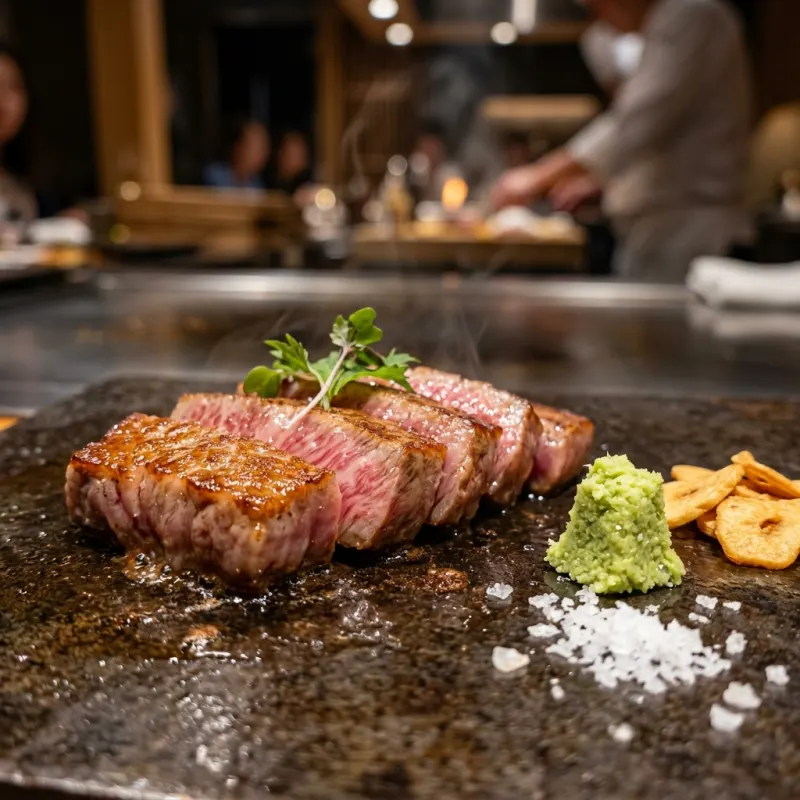
Slices of seared A5 Kobe beef steak on a teppanyaki grill with crispy garlic

Must Try Dish

Teppanyaki Kobe Beef — Slices of certified A5-grade Wagyu beef seared quickly on a flat iron teppan grill with garlic chips and rock salt. The meat possesses an ultra-low fat melting point, yielding a melt-in-the-mouth texture balanced by savory richness.
Food Experiences Title Icon

Food
Experiences

Discover cooking classes, tastings and local food tours

No food experience found
Maya, the human travel expert at TravelingWiz, offering curated, non-AI expertise

Maya’s Final Checklist for Hyogo Prefecture

Logistics shouldn’t be the focus of your trip—the experience should. I’ve hand-vetted these essential partners to ensure your arrival, stay, and exploration are as smooth as an Athenian breeze.

Where to Stay

From boutique hotels to local apartments—compare thousands of options and find the perfect stay in the best neighborhood.

Air Travel

Getting there should be seamless. Compare the best routes and prices across top airlines to start your journey on the right note.

Local Guides

Connect with experts who know the destination best. Get personalized advice and insider tips to help you plan your perfect trip.

Travel Protection

The “Engineer’s” rule: always have a backup. Secure your trip with a plan that covers every “what if” and unexpected change.

Car Rentals

Explore at your own pace with total freedom. Compare reliable rental options and find the right vehicle for your adventure.

Visa Services

Don’t let paperwork slow you down. Get expert assistance with your application to ensure all your entry documents are in order.

FAQs

Kobe is just 20 to 30 minutes from Osaka via the JR Special Rapid service or the Hankyu/Hanshin private rail lines. The Sanyo Shinkansen connects Shin-Osaka to Kobe (Shin-Kobe) in 12 minutes and Himeji in 30 minutes.
Yes. Himeji Castle is an easy 30-minute bullet train ride from Shin-Kobe or Shin-Osaka, and a pleasant 15-minute walk down Otemae-dori street directly from JR Himeji Station.
Arima Onsen is located just behind Kobe on Mount Rokko, famous for its iron-rich golden waters (Kinsen) and clear silver waters (Ginsen). Kinosaki Onsen sits on the northern coast, renowned for its historic canal town setting where visitors stroll outside between seven public bathhouses in yukata.
Authentic Kobe beef is strictly regulated Tajima-gyu beef. Reputable teppanyaki and steak restaurants prominently display a bronze statue of the Tajima bull and a 10-digit traceability identification certificate.

Your Insights Matter

TravelingWiz grows through the stories of our community. If you’ve recently explored ,Hyogo Prefecture share your tips and stories to help us perfect our guides for the next traveler.

Related Articles

Check out our related articles and blog posts to learn even more about the destination.

No related articles found

Don’t Travel Alone

Share with your friends and family

Where should we send your offline card?

We hate spam just as much as you do

newsletter_consent *