Disclosure: This site contains affiliate links. We may earn a commission if you make a purchase, at no extra cost to you.
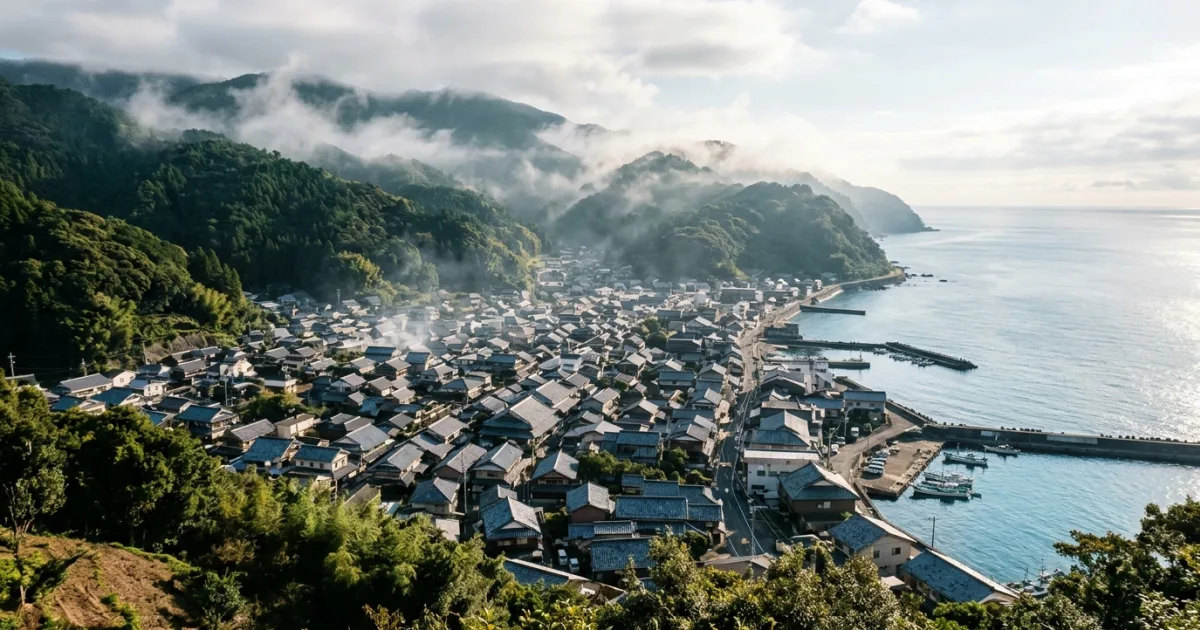
Panoramic view of Tanabe city nestled between forested mountains and the Pacific ocean in Wakayama, Japan

Basic Info

COUNTRY & Region

Japan,
Asia

ACCESSIBILITY LEVEL​

  • High: Widely accessible with good facilities for disabilities.
  • Medium: Some accessible options, but limitations exist.
  • Low: Limited accessibility; many barriers for disabilities.
Medium

LOCAL CURRENCY​

Japanese Yen (JPY)

Price Level

Low – budget‑friendly basics

Medium – moderate mid‑range costs

High – pricey lodging, dining & transport

SAFETY LEVEL

5 shields = Excellent – very low crime or conflict.

4 shields = Safe – low risk, routine care.

3 shields = Relatively safe – use normal street smarts.

2 shields = Use caution – higher crime or periodic unrest.

1 shields = Avoid – active conflict or extreme danger.

Scores are derived from multi-year peace, homicide and security indices blended into a single 1-to-5 scale.

Recommended Duration

1-7 days, Full day

Tanabe Overview & Key Highlights

Tanabe serves as the historic and logistical gateway to the Kumano Kodo, a UNESCO-inscribed pilgrimage network threading across the sacred mountains of Japan's Kii Peninsula. Positioned along the scenic Pacific coastline of Wakayama Prefecture, the city bridges tranquil coastal bays with dense, mist-shrouded cedar forests that have drawn emperors, aristocrats, and ascetic monks for over a millennium. Visitors arrive through Kii-Tanabe Station to collect trail credentials and maps at the local heritage center before venturing inland toward historic mountain shrines and mineral-rich hot springs. In the evenings, Tanabe reveals a convivial local culture centered around the historic Ajikoji entertainment quarter, where over two hundred intimate izakayas showcase regional specialties like kuroshio-caught bonito, Kishu pickled plums, and locally distilled sake.

Tanabe Travel Guide: Logistics & In-Depth Tips

Tanabe holds a distinguished role in Japanese spiritual geography as the historical gathering point for pilgrims bound for the Kumano Sanzan—the three grand Shinto shrines of Kumano. Set along the rugged southwest coast of Wakayama Prefecture, the city encompasses both a working coastal port and an expansive rural hinterland extending deep into the sacred Kii mountain range.

The city's modern layout revolves around Kii-Tanabe Station, where the Tanabe City Kumano Tourism Bureau operates one of Japan's most acclaimed community-run visitor services. Beyond its trail connections, Tanabe boasts cultural landmarks like Tokei Shrine—an auxiliary shrine that historically allowed pilgrims to worship all three Kumano deities simultaneously if storms barred mountain passes—and the coastal parklands of Ogigahama Beach.

Reasons to Visit

  • Gateway to the Nakahechi route of the UNESCO World Heritage Kumano Kodo pilgrimage trails
  • Ajikoji culinary quarter, offering one of the highest densities of authentic izakayas in western Japan
  • Tokei Shrine, an ancient World Heritage-listed Shinto site tied intimately to the legendary Genpei War
  • Exceptional local seafood including fresh seasonal Pacific bonito, whitebait, and spiny lobster
  • Convenient access to sacred thermal waters at Yunomine, Kawayu, and Wataze Onsen

Things to Avoid

  • Avoid setting off on mountain trail segments after mid-afternoon due to rapid dusk onset under dense forest canopies
  • Do not rely exclusively on credit cards or mobile payments in mountain villages and rural buses
  • Avoid hiking without checking local transit schedules, as rural bus departures can be several hours apart
  • Do not forget insect repellant and bear bells during summer and early autumn back-country hikes

Local Transportation Tips

Transit across Tanabe relies on the JR Kinokuni Line for coastal rail movement and Ryujin or Meiko bus companies for inland mountain travel. The Tanabe City Kumano Tourism Bureau at Kii-Tanabe Station provides English bus timetables and sells tickets. Taxis wait outside the main station, though long-distance mountain rides are costly. Rental cars are readily available near the station and serve well for exploring remote valleys, though trail hikers generally favor public buses to avoid backtracking.

Travel Etiquette

  • Remove your shoes when stepping onto tatami mat flooring in local ryokan, shrines, and traditional dining rooms
  • Wash thoroughly with soap and rinse off completely before entering communal hot spring waters
  • Carry all personal trash out of the mountains; public bins are rare along sacred pilgrimage trails
  • Maintain quiet, respectful decorum when traversing sacred Shinto shrines and Buddhist temple precincts

Recommended Age Group

Tanabe accommodates a range of travelers, though physical requirements vary drastically between urban coastal sites and backcountry pilgrimage routes.

  • Babies (0-2 years): Not Recommended. Steep stone paths, uneven cobblestones, and rustic mountain bus transit present major logistical hurdles with strollers.
  • Kids (3-12 years): Neutral. Beach exploration at Ogigahama and coastal sight-seeing are enjoyable, but full multi-day Kumano treks require substantial endurance.
  • Teens (13-19 years): Recommended. Active teenagers will thrive on wilderness hiking, historic exploration, local food adventures, and coastal water activities.
  • Adults (20-64 years): Recommended. Perfect for cultural immersion, rigorous hiking, culinary nightlife in Ajikoji, and serene onsen relaxation.
  • Seniors (65+ years): Recommended. Excellent when pacing trips around station-area heritage sites, scenic coastal drives, and accessible day trips to hot springs.

Accessibility Level: Medium

  • Kii-Tanabe Station and its adjacent tourism center offer barrier-free access with flat entryways and accessible restrooms
  • The coastal beachfront promenade at Ogigahama is paved and mostly flat for wheelchair users
  • Ancient Kumano Kodo trails feature uneven, slippery stone stairs and tree roots that are inaccessible to wheeled mobility devices
  • Select modern ryokan and hotels in central Tanabe provide elevator access and western-style accessible rooms upon advance request

Did You Know?

Minakata Kumagusu (1867–1941), one of Japan's most eccentric and visionary polymaths, spent much of his life in Tanabe. A pioneer in slime molds, folklore, and environmental conservation, he successfully campaigned against the Meiji government's shrine consolidation edict, single-handedly saving ancient sacred forests throughout Tanabe from clear-cutting.

Cool Statistics

  • Tanabe covers over 1,026 square kilometers, making it the second-largest municipality by area in the Kansai region
  • Ajikoji quarter features over 200 distinct dining establishments within an area spanning just a few blocks
  • The Kumano Kodo network has served pilgrims continuously for over 1,000 years

Address:

Tanabe, Japan

Find Nearby Accommodations

Electricity

100-110V, 
60Hz

Plug Type

Type A (Flat blade), Type B (Flat blade with grounding pin)
Plug types
Click To View Plug Types
Tanabe is part of our
Solo Female Friendly collection

Activities To Do In Tanabe

Best Time To Visit Tanabe

Tanabe experiences a humid subtropical climate with mild winters and warm, humid summers. The primary hiking seasons offer the most comfortable weather for outdoor exploration.

  • Spring (March to May): Cool to warm temperatures, blooming mountain cherry blossoms, and moderate rainfall make this an ideal window for hiking the Kumano Kodo.
  • Autumn (September to November): Clear skies, crisp air, and vibrant crimson autumn foliage create peak trekking conditions across the Kii mountain trails.
  • Summer (June to August): Hot, humid, and rainy with potential typhoon disruptions; suited mainly for coastal leisure and beach swimming rather than strenuous inland treks.
  • Winter (December to February): Crisp, dry, and relatively snow-free at lower elevations, offering quiet trails and uncrowded onsen baths.

Average Temperatures Per Month

Remember to check the weather forecast a few days before the trip and before heading to the airport.

Safety Level

5 shields = Excellent – very low crime or conflict.

4 shields = Safe – low risk, routine care.

3 shields = Relatively safe – use normal street smarts.

2 shields = Use caution – higher crime or periodic unrest.

1 shields = Avoid – active conflict or extreme danger.

Scores are derived from multi-year peace, homicide and security indices blended into a single 1-to-5 scale.

Tanabe is exceptionally safe with negligible violent crime. Primary precautions involve mountain hazards such as slick mossy stones on Kumano Kodo trails, venomous mamushi pit vipers in dense brush during warm months, and sudden cloudbursts. Always verify rural bus timetables carefully before departing, as missed connections in mountain valleys can leave hikers stranded without alternative transit.

The rating is based on multi-year peace, crime, and security indices. Before you go, always verify current conditions through official government travel advisories.

Emergency Numbers

Police: 110
Ambulance: 119

No internet needed • Includes local translations • Free for TravelingWiz readers

Spoken Languages

Japanese (Standard and Kishu dialect); basic English is spoken at tourism hubs, train stations, and registered pilgrimage accommodations.
Travel Booking Partner - TravelingWiz

Learn The Language

  • Konnichiwa – Hello
  • Arigatou gozaimasu – Thank you very much
  • Sumimasen – Excuse me / Pardon
  • Kore wa ikura desu ka? – How much is this?
  • Eigo ga hanasemasu ka? – Do you speak English?
  • Toire wa doko desu ka? – Where is the restroom?
  • Kii-Tanabe eki wa doko desu ka? – Where is Kii-Tanabe Station?
  • Tasukete kudasai – Please help me

Trip Cost & Budgeting for Tanabe, 2026

Everything you need to know about money while traveling

LOCAL CURRENCY​:

Japanese Yen (JPY)

Price Level:

Low – budget‑friendly basics

Medium – moderate mid‑range costs

High – pricey lodging, dining & transport

Cards Vs. Cash

How Much Cash to Carry (on you)

Per person, per day – pocket cash for small purchases.

Local:
Japanese Yen (JPY)
≈ USD

Average Daily Costs (per person)

Full daily spend estimation (accommodation, food, transportation, attractions).

Travel Style
Japanese Yen (JPY)
≈ USD ($)
Budget
Mid-range
Comfort
Note

The Prices, Daily costs, and calculator results are estimates for planning purposes only. Actual costs may vary based on season, booking timing, personal spending habits, and currency fluctuations. TravelingWiz cannot be held responsible for discrepancies between these estimates and your final trip expenses.

Best Value Tips

Tours & Tickets

Explore tours, attractions, and ticket options to plan your visit.
Plan ahead

Travel Offers & Coupons

Browse travel offers and coupons from our affiliate partners.
Affiliate partner offers

What To Pack

  • Sturdy broken-in hiking boots with good ankle support for stone-paved pilgrimage trails
  • High-grade rain shell and waterproof pack cover for sudden mountain downpours
  • Trekking poles with rubber tips to navigate slick medieval stone stairways
  • Cash in Japanese Yen, as mountain shrines, rural buses, and family-run minshuku often do not accept credit cards
  • Quick-drying moisture-wicking layers suited for humid subtropical climbs
  • Slip-on shoes for frequent visits to temple halls, ryokan, and traditional restaurants
  • Small hand towel for footbaths and hot springs along the route
Only the good stuff!
Browse recommended travel gear
Check out our free packing list tool

Recommended Itineraries for Traveling to Tanabe

Take your itinerary with you

Choose a ready-made itinerary, plan your own trip, and keep TravelingWiz by your side while you travel.

Get the TravelingWiz app

Food & Drink Highlights

Local Food Overview

Tanabe’s gastronomy is defined by the convergence of Kuroshio ocean currents and fertile mountain valleys. Kishu Umeboshi (pickled ume plums) is the region's hallmark agricultural product, renowned throughout Japan for its pliant skin, tart acidity, and deep health benefits. Fresh seafood dominates the coastal tables, particularly seasonal katsuo (skipjack tuna) served lightly seared as tataki, and local spiny lobster. Inland, trail fare such as mehari-zushi provides hearty, unpretentious fuel for pilgrims, complemented by craft sake brewed from mountain runoff.

Must Try Dish

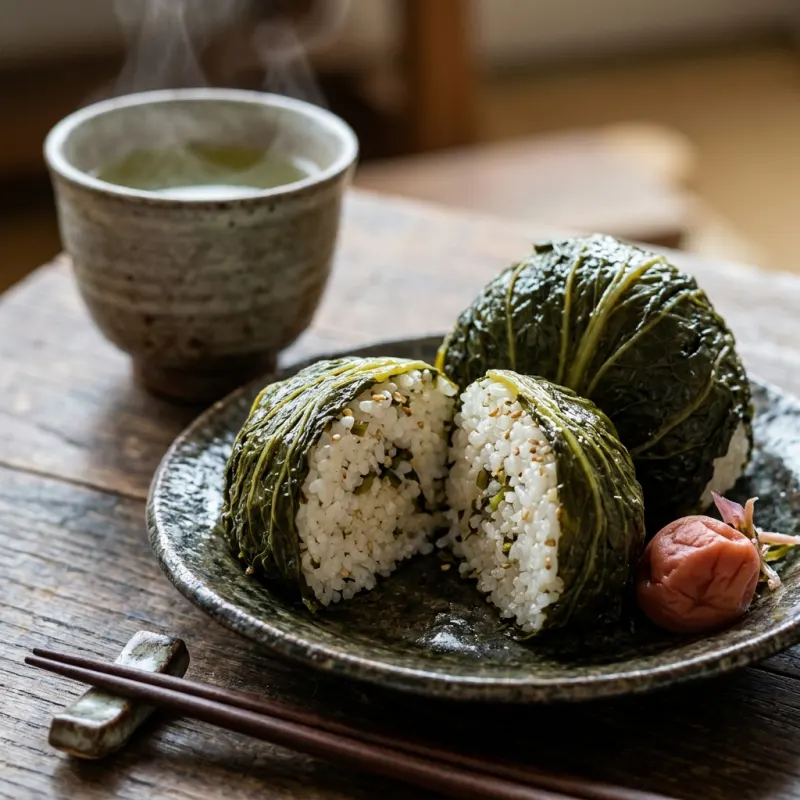
Mehari-zushi - A revered regional specialty consisting of warm steamed white rice seasoned with minced pickled greens, tightly wrapped in large, savory mustard green leaves. Originally crafted as a compact, portable lunch for forestry workers and pilgrims traversing the Kumano trails, it delivers a deeply comforting balance of salty, earthy, and umami flavors.
Authentic Mehari-zushi wrapped in dark mustard green leaves served on Japanese pottery

Maya’s Final Checklist for Tanabe

Logistics shouldn’t be the focus of your trip—the experience should. I’ve hand-vetted these essential partners to ensure your arrival, stay, and exploration are as smooth as an Athenian breeze.

Maya, the human travel expert at TravelingWiz, offering curated, non-AI expertise

Where to Stay

Compare accommodation options and choose a stay that suits your plans and budget.

Air Travel

Compare flight options and find a route that fits your plans.

Local Guides

Connect with local guides for personalized help planning and exploring.

Travel Protection

The “Engineer’s” rule: always have a backup. Secure your trip with a plan that covers every “what if” and unexpected change.

Car Rentals

Compare rental options and choose a car that suits your trip.

Visa Information

Don’t let paperwork slow you down. Get expert assistance with your application to ensure all your entry documents are in order.

FAQs

Yes, Tanabe is the official western trailhead and transit hub for the Nakahechi route. The Tanabe City Kumano Tourism Bureau at Kii-Tanabe Station provides comprehensive route maps, bus passes, and dual-pilgrim credentials.
Take the JR Kuroshio Limited Express train directly from Shin-Osaka Station (approximately 2 hours and 15 minutes) or Kyoto Station (around 2 hours and 50 minutes) to Kii-Tanabe Station.
Ajikoji is Tanabe’s compact culinary quarter located just steps from Kii-Tanabe Station, packing more than 200 izakayas, bars, and small eateries into tight, lantern-lit alleys.

Your Insights Matter

TravelingWiz grows through the stories of our community. If you’ve recently explored ,Tanabe share your tips and stories to help us perfect our guides for the next traveler.

Where should we send your offline card?

We hate spam just as much as you do

newsletter_consent *