Disclosure: This site contains affiliate links. We may earn a commission if you make a purchase, at no extra cost to you.

>
>
>
>
Nara Prefecture

Nara Prefecture

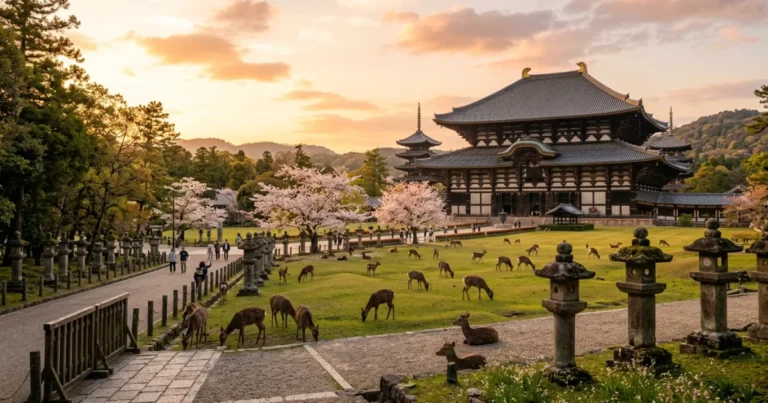
Panoramic view of Nara Park with sacred sika deer grazing near historic temple structures at sunrise

Nara Prefecture Overview & Key Highlights

Nara Prefecture anchors the Yamato Basin in Japan's Kansai region as the cradle of Japanese civilization, serving as the imperial capital from 710 to 784 AD under the name Heijo-kyo. Today, the prefecture balances world-renowned monumental architecture in Nara City with mist-shrouded sacred mountains across Yoshino and ancient stone tumuli in Asuka. Over 1,200 free-roaming sika deer inhabit Nara Park, designated as natural monuments and living messengers of the Shinto deities at Kasuga Taisha. Beyond the central park's colossal wooden structure of Todai-ji and its 15-meter bronze Great Buddha, Nara extends into rural valleys rich in craftsmanship and pilgrimage heritage. The southern Yoshino district transitions into the rugged Kii Mountain Range, drawing pilgrims along the Omine Okugakemichi trail and spectators to over 30,000 mountain cherry trees each spring. Quiet merchant quarters in Naramachi, cedar-lined forest paths leading to Mount Miwa, and traditional sake breweries in Gose provide an unhurried, contemplative exploration distinct from neighboring urban centers.

Nara Prefecture Travel Guide: Logistics & In-Depth Tips

Nara Prefecture occupies an inland basin and mountainous terrain in south-central Kansai, surrounded by Kyoto, Osaka, Wakayama, and Mie Prefectures. As the seat of Japan’s earliest imperial capital in the 8th century, Nara developed the foundations of Japanese statecraft, Buddhist art, and administrative law. Its landscape preserves more designated National Treasures and UNESCO World Heritage cultural properties than almost any other region in Japan.

While international travelers predominantly congregate in the prefecture's northern capital around Nara Park and Todai-ji, southern Nara transitions into vast cedar forests, sacred peaks, and tranquil agricultural hamlets. The Yamato Plain is crisscrossed by the Yamanobe-no-Michi, regarded as Japan's oldest recorded road, bordered by historic sake shrines and ancient burial mounds. Further south, Mount Yoshino provides a spiritual haven for Shugendo mountain asceticism and seasonal cherry blossom spectacles, cementing Nara as an extraordinary retreat into Japan's primal cultural roots.

Reasons to Visit

  • Historic Monuments of Ancient Nara: Explore eight distinct UNESCO World Heritage components, including the Daibutsu (Great Buddha) at Todai-ji and the vermilion corridors of Kasuga Taisha.
  • Free-Roaming Sacred Deer: Encounter over a thousand habituated sika deer coexisting harmoniously across historical parklands.
  • Japan's Oldest Trail: Hike the Yamanobe-no-Michi through citrus orchards, rural villages, and ancient shrines along the edge of the Yamato Basin.
  • Cherry Blossom Splendor: Experience Mount Yoshino, where over 30,000 sakura trees drape tiered alpine ridges in delicate pink blooms.
  • Artisanal Heritage: Discover historic Naramachi merchant houses, handcrafted calligraphy brushes, Akahada pottery, and some of Japan's oldest operating sake breweries.

Things to Avoid

  • Avoid feeding deer anything other than official Shika Senbei (wheat flour and rice bran crackers); human snacks like bread or processed food cause fatal digestive blockages.
  • Do not hoard crackers or tease deer by holding food out of reach, as this triggers aggressive nudging and biting.
  • Avoid treating Nara merely as a two-hour transit stop; rushing through only the Great Buddha Hall misses the serene atmosphere of early morning and dusk in the park.
  • Do not wear delicate or high-heeled footwear; extensive walking on gravel pathways and temple flagstones demands comfortable walking shoes.
  • Avoid visiting Mount Yoshino during peak cherry blossom weekends without pre-booked train tickets, as regional transit reaches maximum capacity.

Local Transportation Tips

Nara Prefecture is served comprehensively by two primary railway operators: JR West and the Kintetsu Railway network. Kintetsu Nara Station sits closest to Nara Park and central attractions, while JR Nara Station connects directly to Kyoto and Osaka via rapid services. For moving across rural regions like Asuka and Yoshino, Kintetsu lines link directly to local hubs where rental bicycles—particularly electric-assist mamachari—are widely available at station exits. Regional Nara Kotsu buses navigate urban areas and trailheads; riders board from the rear, take a numbered paper fare strip, and pay the driver in exact cash or tap an IC card (ICOCA, Suica) at the front door upon disembarking.

Travel Etiquette

  • Remove your shoes when entering temple main halls, traditional ryokan, or tatami-matted restaurants; place them neatly facing outward on shoe shelves.
  • Refrain from walking while eating street food; finish snacks near the storefront or stall where purchased.
  • Maintain quiet, respectful decorum inside sacred prayer halls; photography of principal Buddhist statues (Honzon) is strictly prohibited.
  • Dispose of garbage in hotel rooms or designated bins; public trash cans are extremely rare, so carry a small bag for your daily waste.
  • Bow slightly when feeding deer crackers to observe the traditional interaction ritual.

Recommended Age Group

Nara Prefecture caters seamlessly to diverse generational travelers through walkable green expanses, deep educational historic sites, and clean, reliable transit infrastructure.

  • Babies (0-2 years): Neutral. Nara Park's wide avenues accommodate sturdy strollers, but rural gravel paths, high temple thresholds, and persistent deer sniffing prams require vigilance.
  • Kids (3-12 years): Recommended. Feeding crackers to the bowing deer in Nara Park and cycling flat rural trails in Asuka create memorable, hands-on encounters with history and nature.
  • Teens (13-19 years): Recommended. The colossal scale of the Great Buddha, samurai blade exhibits, interactive mochi-pounding shops, and accessible day hikes engage young active minds.
  • Adults (20-64 years): Recommended. Premier cultural assets, authentic sake tasting routes in Nishi-no-Kyo, contemplative gardens, and culinary kaiseki dining provide rich cultural immersion.
  • Seniors (65+ years): Recommended. Nara City offers flat walking paths, frequent bench seating, clean amenities, and seamless rail transit from Kyoto, though mountain temples require moderate stair climbing.

Accessibility Level: Medium

  • Central Nara Park features flat, wide paved boulevards linking Kintetsu Nara Station to Todai-ji and the Nara National Museum.
  • Todai-ji's Great Buddha Hall is equipped with a smooth exterior ramp and wide thresholds allowing standard wheelchair entry.
  • Accessible, multi-purpose restrooms (tamokuteki toire) are positioned at regular intervals across public parks and major train stations.
  • Historic secondary shrines and the upper precincts of Nigatsu-do feature steep stone stairways without elevator alternatives.
  • Low-floor city buses operate along main Nara City sightseeing routes, though rural valley transit remains reliant on standard step buses.

Did You Know?

Mount Miwa in southern Nara Prefecture is considered so sacred that it has no main shrine hall (honden); the entire mountain itself is revered as the physical body of the kami (deity), making it one of the purest surviving forms of ancient nature-worship Shinto in Japan.

Cool Statistics

  • Home to Todai-ji's Daibutsuden, one of the world's largest all-wooden buildings, measuring 57 meters wide and 49 meters tall.
  • Over 1,200 wild sika deer roam freely across the 660-hectare grounds of Nara Park.
  • Mount Yoshino boasts more than 30,000 cherry trees belonging to roughly 200 distinct botanical varieties.
  • Nara Prefecture preserves three distinct UNESCO World Heritage designations spanning ancient monuments, sacred pilgrimage routes, and Buddhist structures.


Address:

Nara Prefecture, Japan

Find Nearby Accommodations

Basic Info

address icon

COUNTRY & Region

Japan,
Asia & Pacific, Asia

ACCESSIBILITY LEVEL​

Medium
Currency icon

LOCAL CURRENCY​

Japanese Yen (JPY)
Price level icon
Medium
Safety Level icon

SAFETY LEVEL

Duration icon

Recommended Duration

• 1-7 days
• Full day

Electricity

electricity icon

Electricity

100-110V, 
60Hz
Plug Socket icon

Plug Type

• Type A (Flat blade)
• Type B (Flat blade with grounding pin)
Plug types
Click To View Plug Types
Nara Prefecture is part of our
Solo Female Friendly collection

Things To Do In Nara Prefecture

Total: 1

Activities To Do In Nara Prefecture

Best Time To Visit Nara Prefecture

Nara Prefecture experiences distinct four-season weather, with spring and autumn offering optimal conditions for temple walks and outdoor trekking.

  • March to May (Spring): Mild temperatures averaging 12°C to 20°C, highlighted by the progressive blooming of Yoshino's mountain cherry blossoms from lower to upper elevations.
  • June to August (Summer): Hot and humid conditions reaching 33°C, best suited for morning explorations of Kasugayama Forest and evening lantern festivals like the Nara Toka-e.
  • September to November (Autumn): Crisp air with daytime highs around 18°C, bringing fiery foliage to temple gardens such as Tanzan Shrine and Isui-en.
  • December to February (Winter): Chilly conditions averaging 4°C to 9°C with occasional light snow dustings over temple roofs, marked by fewer crowds and the dramatic Mount Wakakusa Fire Festival (Wakakusa Yamayaki) in late January.

Average Temperatures Per Month

Remember to check the weather forecast a few days before the trip and before heading to the airport.

Safety Level icon

Safety Level

Nara ranks among the safest destinations globally with extremely low violent crime rates. The primary safety concern involves the wild sika deer in Nara Park; while acclimated to humans, they can headbutt, bite clothing, or kick if provoked or teased with food. Keep food wrappers concealed in bags, as deer will consume plastic items. When hiking mountain paths in Yoshino or along the Omine range, carry a bear bell and watch footing on wet stone steps.

The rating is based on multi-year peace, crime, and security indices. Before you go, always verify current conditions through official government travel advisories.

Emergency Numbers

Police: 110
Ambulance: 119

No internet needed • Includes local translations • Free for TravelingWiz readers

Spoken Languages

Japanese (Standard and Kansai dialect). Basic English is spoken at central train hubs, tourist centers, and major temple grounds.

Learn The Language

  • Konnichiwa – Hello
  • Arigatou gozaimasu – Thank you very much
  • Sumimasen – Excuse me / Pardon me
  • Kore wa ikura desu ka? – How much is this?
  • Eigo ga hanasemasu ka? – Do you speak English?
  • Toire wa doko desu ka? – Where is the restroom?
  • Kore o kudasai – I will take this, please
  • O-kaikei o onegaishimasu – Check, please
Travel Booking Partner - TravelingWiz

Trip Cost & Budgeting for Nara Prefecture, 2026

Everything you need to know about money while traveling
Is Nara Prefecture expensive for tourists in 2026? While not overly cheap, Nara remains quite affordable compared to Tokyo and Kyoto. You can expect to pay around 400 JPY for a cappuccino, 500 JPY for a draft beer, and 2,000 JPY for a sit-down mid-range meal. Thanks to our Human Verified prices, budgeting for your trip is simple and straightforward. Use the data table below to calculate your specific daily budget based on your travel style.
Currency icon

LOCAL CURRENCY​:

Japanese Yen (JPY)
Price level icon
Medium
Major hotels and train stations accept credit cards, but small shops, temples, and deer cracker stalls require cash.

Per person, per day – pocket cash for small purchases.

Local: 1720
Japanese Yen (JPY)
≈ 11 USD

Full daily spend estimation (accommodation, food, transportation, attractions).

Travel Style
Japanese Yen (JPY)
≈ USD ($)
Budget
9450
60
Mid-range
17200
109
Comfort
37850
240

The Prices, Daily costs, and calculator results are estimates for planning purposes only. Actual costs may vary based on season, booking timing, personal spending habits, and currency fluctuations. TravelingWiz cannot be held responsible for discrepancies between these estimates and your final trip expenses.

  • • Get an IC card like ICOCA or Suica for seamless payments on local trains, buses, and vending machines across Nara.
  • • Buy a Nara Bus 1-Day Pass for around 700 JPY if taking multiple buses around Nara Park and Todai-ji.
  • • Eat your main sit-down meal at lunch when restaurants offer teishoku set menus at nearly half the dinner rate.
  • • Rent a bicycle near Kintetsu-Nara Station to easily explore Nara Park and Naramachi on a budget.

Pre-Order Tickets

Avoid disappointment when tickets sell out — and skip the long lines by booking online in advance. You’ll often save up to 20% too.
Save up to 20%

Travel Discounts & Coupons

Save on hotels, attractions, transport, and gear — find verified discounts for smarter travel spending.
Verified Coupons

What To Pack

  • Slip-on walking shoes: Temple visiting requires removing footwear dozens of times per day.
  • Sturdy hiking boots: Essential for the cobblestone and dirt tracks along the Yamanobe-no-Michi and Mount Yoshino.
  • Modest clothing: Lightweight layers covering shoulders and knees when accessing active Buddhist halls and Shinto shrines.
  • Coin pouch: Temple admission stalls, fortune slips (omikuji), and deer cracker vendors operate primarily on physical coins.
  • Insect repellent: Useful during warmer months when hiking forest trails around Kasugayama Primeval Forest.
We couldn't find tips for Nara Prefecture.
If you got any, please share

Recommended Itineraries for Traveling to Nara Prefecture

We couldn't find itineraries for Nara Prefecture.
you can contact us for custom trip plan

Food & Drink Highlights

Local Food Overview

Nara's gastronomy is deeply rooted in preservation techniques developed for court nobles and ascetic monks over a millennium ago. Key ingredients include local Yoshino kudzu (arrowroot starch), pristine spring water used in traditional sake brewing, and bitter persimmon leaves that lend natural antibacterial properties to preserved sushi. Visitors will encounter delicate hand-stretched Miwa somen noodles served chilled over ice in summer or in warm dashi broth (nyumen) in winter, along with savory Yamato vegetable stews, Chagayu (green tea congee), and Narazuke (vegetables pickled in sake lees for up to three years).
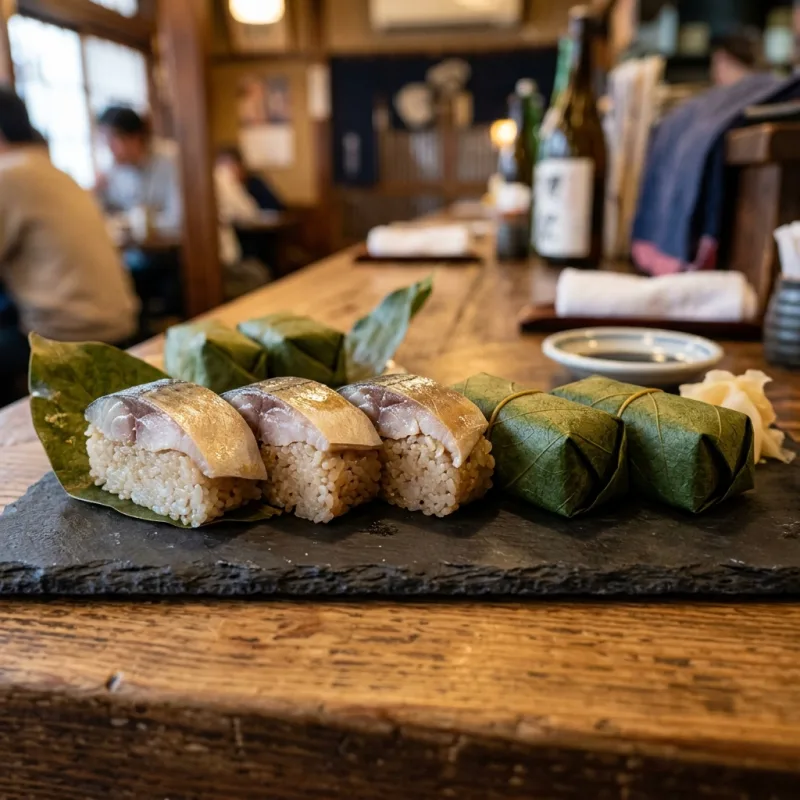
Authentic Kakinoha-zushi wrapped in persimmon leaves on a ceramic plate in Nara

Must Try Dish

Kakinoha-zushi - Salt-cured mackerel or salmon sushi pressed over seasoned rice and individually wrapped in aromatic persimmon leaves. The leaf preserves the fish naturally while infusing the vinegared rice with an earthy, subtle citrus flavor.
Food Experiences Title Icon

Food
Experiences

Discover cooking classes, tastings and local food tours

No food experience found
Maya, the human travel expert at TravelingWiz, offering curated, non-AI expertise

Maya’s Final Checklist for Nara Prefecture

Logistics shouldn’t be the focus of your trip—the experience should. I’ve hand-vetted these essential partners to ensure your arrival, stay, and exploration are as smooth as an Athenian breeze.

Where to Stay

From boutique hotels to local apartments—compare thousands of options and find the perfect stay in the best neighborhood.

Air Travel

Getting there should be seamless. Compare the best routes and prices across top airlines to start your journey on the right note.

Local Guides

Connect with experts who know the destination best. Get personalized advice and insider tips to help you plan your perfect trip.

Travel Protection

The “Engineer’s” rule: always have a backup. Secure your trip with a plan that covers every “what if” and unexpected change.

Car Rentals

Explore at your own pace with total freedom. Compare reliable rental options and find the right vehicle for your adventure.

Visa Services

Don’t let paperwork slow you down. Get expert assistance with your application to ensure all your entry documents are in order.

FAQs

Yes, central Nara City is easily accessible via a 35 to 45-minute direct train ride on the JR Nara Line or Kintetsu Kyoto/Nara Lines from either city. However, staying overnight allows travelers to explore rural areas like Asuka, Sakurai, and Mount Yoshino.
The deer are wild animals protected as natural treasures. They are accustomed to tourists and will bow for deer crackers (shika senbei), but they can bite, kick, or nudge aggressively if teased or cornered.
The Kintetsu Railway connects major towns including Asuka, Sakurai, and Yoshino. For moving between specific countryside temples and trailheads, renting an electric bicycle at local train stations or using regional Nara Kotsu buses is most practical.
Major city attractions like Todai-ji and Kasuga Taisha feature paved ramps and accessible paths. Rural sites, historic shrines, and mountain trails often incorporate gravel terrain, steep stone stairs, and uneven cobblestones.

Your Insights Matter

TravelingWiz grows through the stories of our community. If you’ve recently explored ,Nara Prefecture share your tips and stories to help us perfect our guides for the next traveler.

Related Articles

Check out our related articles and blog posts to learn even more about the destination.

No related articles found

Don’t Travel Alone

Share with your friends and family

Where should we send your offline card?

We hate spam just as much as you do

newsletter_consent *