Disclosure: This site contains affiliate links. We may earn a commission if you make a purchase, at no extra cost to you.

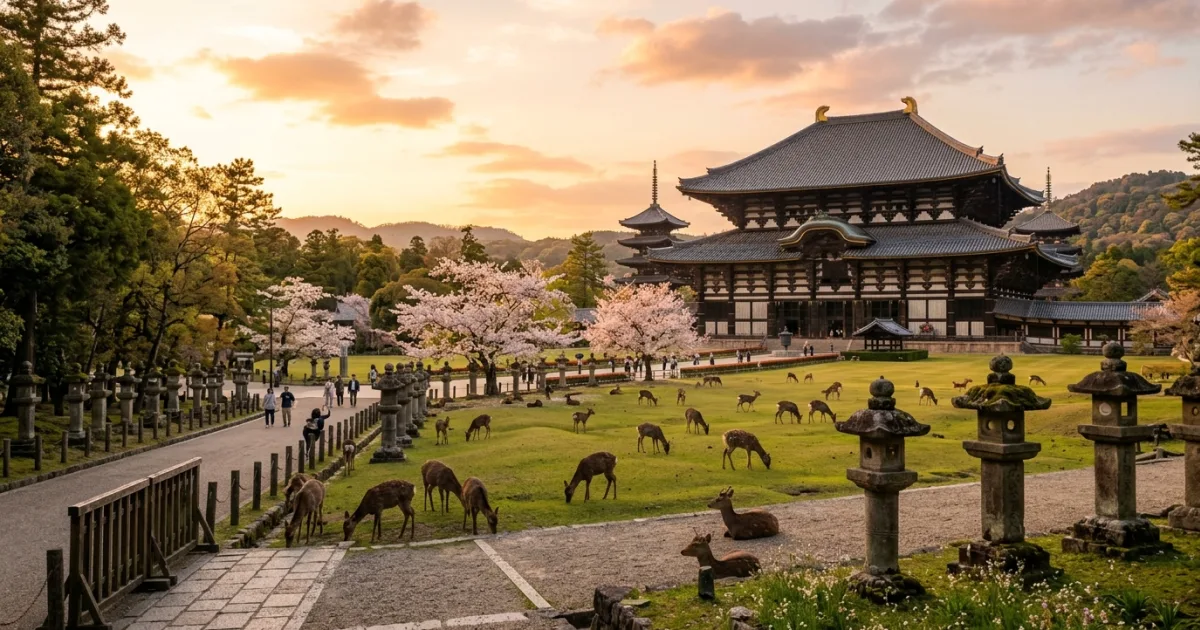
Sika deer grazing in front of historic temple grounds in Nara City Japan

Nara City Overview & Key Highlights

Nara City served as Japan's first permanent capital from 710 to 784 AD under the name Heijo-kyo, leaving behind an extraordinary concentration of UNESCO World Heritage Sites. The city centers around Nara Park, where over 1,000 free-roaming sika deer interact peaceably with visitors among ancient cedars and historic temple grounds. Key landmarks include Todai-ji, home to the colossal bronze Daibutsu (Great Buddha), and Kasuga Taisha, celebrated for its thousands of stone and bronze lanterns. Beyond its monumental temple complexes, Nara offers an intimate look into traditional Japanese daily life through the preserved merchant district of Naramachi. Easily navigated on foot or via efficient local buses, the city rewards travelers seeking deep historical immersion, serene Zen gardens such as Isui-en, and tranquil forested trails leading to Mount Wakakusa. Its close proximity to Kyoto and Osaka makes it a world-class cultural destination that balances accessible transit with profound spiritual heritage.

Nara City Travel Guide: Logistics & In-Depth Tips

Nara City holds a revered position in Japanese history as the nation's political and spiritual center during the 8th-century Nara period. Established under Chinese Tang-dynasty urban planning principles, the ancient capital fostered the flourishing of Buddhism, architecture, and high culture. Today, its surviving monuments form the UNESCO World Heritage ensemble known as the Historic Monuments of Ancient Nara. The city combines immense sacred architecture with quiet lanes, verdant hillsides, and an unhurried rhythm that contrasts sharply with modern Japanese metropolises.

The cultural heart of the city beats around Todai-ji's Daibutsuden—one of the largest wooden structures in the world—housing a 15-meter bronze Buddha statue cast in 752 AD. Surrounding this grand temple is Nara Park, where sacred sika deer, considered divine messengers of Kasuga Taisha shrine, roam without fences. Visitors can delve into artisan culture in Naramachi, admire traditional stroll gardens at Isui-en and Yoshiki-en, or hike up the grassy slopes of Mount Wakakusa for panoramic views across the ancient Yamato plain.

Reasons to Visit

  • Unmatched heritage: Home to eight distinct UNESCO World Heritage components within a compact urban area.
  • Encountering sacred sika deer: Peaceful, direct interactions with over 1,000 protected deer roaming freely across parklands.
  • Architectural wonders: Marveling at the massive timber framework of Todai-ji and the vibrant vermilion corridors of Kasuga Taisha.
  • Authentic preserved quarters: Exploring traditional Edo and Meiji-era machiya townhouses, craft shops, and tea houses in Naramachi.

Things to Avoid

  • Avoid feeding deer plastic, paper, or human snacks, which cause severe gastrointestinal blockages.
  • Do not tease the deer by withholding crackers; bow once to feed them and show empty hands when finished.
  • Avoid staying strictly on the main pedestrian strip of Sanjo-dori; branch out into the quiet backstreets of Naramachi.
  • Do not wear cumbersome lace-up shoes, as frequent temple visits demand swift removal and replacement of footwear.

Local Transportation Tips

Nara City is straightforward to navigate. Kintetsu-Nara Station sits on the eastern edge of downtown, placing visitors within a 10-minute walk of Nara Park. JR Nara Station lies about 1.2 kilometers west and connects seamlessly via JR lines to Osaka and Kyoto. The local Nara Kotsu bus network operates comprehensive loop routes between the stations, Todai-ji, Kasuga Taisha, and outlying temples such as Toshodai-ji and Yakushi-ji. IC transit cards (ICOCA, Suica, Pasmo) are accepted on all municipal buses.

Travel Etiquette

  • Bow gently when approaching deer with crackers; many deer have learned to return the polite head nod before receiving treats.
  • Remove shoes promptly when stepping onto tatami mats or temple floor thresholds, aligning shoes backward toward the exterior.
  • Maintain quiet, respectful decorum inside temple halls and refrain from photography where no-camera signs are displayed.
  • Carry trash with you until finding a designated sorting bin, as public trash receptacles are rare in parks to protect deer health.

Recommended Age Group

Nara City offers accessible and engaging experiences across generations, particularly suited for families, cultural travelers, and older adults.

  • Babies (0-2 years): Neutral. Cobblestone paths, dirt trails in Nara Park, and stepped temple halls can challenge strollers, though baby-carrying wraps work well.
  • Kids (3-12 years): Recommended. Feeding the bowing sika deer and seeing the enormous Buddha statue provide unforgettable memories for school-age children.
  • Teens (13-19 years): Recommended. The historical significance, photography opportunities, and lively shopping arcades keep teenagers actively engaged.
  • Adults (20-64 years): Recommended. Exceptional historical depth, serene Zen gardens, traditional dining, and craft sake breweries make it an ideal cultural journey.
  • Seniors (65+ years): Recommended. The compact center features gentle terrain, frequent bus links, and plenty of restful park benches and tea houses.

Accessibility Level: Medium

  • Todai-ji Daibutsuden provides step-free ramp access directly into the Great Buddha hall for wheelchair users.
  • Paved pathways run through central Nara Park, though some side trails and forested approaches toward Kasuga Taisha contain exposed tree roots and gravel.
  • Accessible restrooms are available at major train stations, the Nara National Museum, and visitor centers along Nara Park.
  • Low-floor city buses operate along primary tourist routes with priority seating and ramp deployments on request.

Did You Know?

The Great Buddha inside Todai-ji required approximately 500 metric tons of copper and over 400 kilograms of gold to construct, a monumental undertaking that nearly exhausted the financial and metal resources of ancient imperial Japan.

Cool Statistics

  • Over 1,200 wild sika deer live freely within Nara Park's boundaries.
  • Todai-ji's Great Buddha stands at 14.98 meters (49.1 feet) tall.
  • Kasuga Taisha features approximately 3,000 stone and bronze lanterns donated by worshipers over centuries.


Address:

Nara City, Japan

Find Nearby Accommodations

Basic Info

address icon

COUNTRY & Region

Japan,
Asia

ACCESSIBILITY LEVEL​

Medium
Currency icon

LOCAL CURRENCY​

Japanese Yen (JPY)
Price level icon
Medium
Safety Level icon

SAFETY LEVEL

Duration icon

Recommended Duration

• 1-7 days
• Full day

Electricity

electricity icon

Electricity

100-110V, 
60Hz
Plug Socket icon

Plug Type

• Type A (Flat blade)
• Type B (Flat blade with grounding pin)
Plug types
Click To View Plug Types
Nara City is part of our
Accessible Travel collection

Activities To Do In Nara City

Best Time To Visit Nara City

Nara is a year-round destination, but spring and autumn provide the most comfortable weather and scenic landscapes.

  • March to May: Cherry blossom season blankets Nara Park and Mount Wakakusa in soft pinks, accompanied by mild daytime temperatures.
  • October to November: Vibrant autumn foliage illuminates temple gardens with comfortable walking weather and low rainfall.
  • June to August: Hot and humid summer months with frequent precipitation, requiring proper hydration and sun protection.
  • December to February: Crisp, clear winter days with minimal crowds; January features the famous Wakakusa Yamayaki mountain-burning festival.

Average Temperatures Per Month

Remember to check the weather forecast a few days before the trip and before heading to the airport.

Safety Level icon

Safety Level

Nara City ranks as exceptionally safe with near-zero violent crime. The most common minor hazard involves overeager sika deer nibbling maps, paper money, or bags if they smell food. Bow respectfully to deer and keep plastic items stowed securely.

The rating is based on multi-year peace, crime, and security indices. Before you go, always verify current conditions through official government travel advisories.

Emergency Numbers

Police: 110
Ambulance: 119

No internet needed • Includes local translations • Free for TravelingWiz readers

Spoken Languages

Japanese (primary), English (widely understood at stations, tourist information offices, and major hotels)

Learn The Language

  • Konnichiwa – Hello
  • Arigatou gozaimasu – Thank you very much
  • Sumimasen – Excuse me / Pardon me
  • Kore wa ikura desu ka? – How much is this?
  • Eigo ga hanasemasu ka? – Do you speak English?
  • O-kaikei kudasai – Check, please
  • Toire wa doko desu ka? – Where is the restroom?
  • Sayounara – Goodbye
Travel Booking Partner - TravelingWiz

Trip Cost & Budgeting for Nara City, 2026

Everything you need to know about money while traveling
Is Nara City expensive for tourists in 2026? No, Nara City is moderately priced compared to neighboring Kyoto and Tokyo. Based on Human Verified prices, you can expect to pay around 383 JPY for a cappuccino, 500 JPY for a pint of domestic draft beer, and 2,000 JPY for a standard mid-range restaurant meal. Accommodation and transit remain reasonably priced throughout the city. Use the data table below to calculate your specific daily budget based on your travel style.
Currency icon

LOCAL CURRENCY​:

Japanese Yen (JPY)
Price level icon
Medium
Major hotels and restaurants accept credit cards, but small shops, temple entrance fees, and street stalls require cash.

Per person, per day – pocket cash for small purchases.

Local: 1640
Japanese Yen (JPY)
≈ 33 USD

Full daily spend estimation (accommodation, food, transportation, attractions).

Travel Style
Japanese Yen (JPY)
≈ USD ($)
Budget
9000
43
Mid-range
16350
90
Comfort
35950
185

The Prices, Daily costs, and calculator results are estimates for planning purposes only. Actual costs may vary based on season, booking timing, personal spending habits, and currency fluctuations. TravelingWiz cannot be held responsible for discrepancies between these estimates and your final trip expenses.

  • • Purchase an ICOCA IC card for seamless cashless travel on local Kansai buses and trains.
  • • Take advantage of free attractions like Nara Park and Kasuga Taisha's outer grounds before paying temple entry fees.
  • • Eat lunch set meals (teishoku) at local restaurants in Naramachi for substantial savings compared to dinner.
  • • Pick up affordable lunches, drinks, and snacks from convenience stores like 7-Eleven, FamilyMart, or Lawson.

Pre-Order Tickets

Avoid disappointment when tickets sell out — and skip the long lines by booking online in advance. You’ll often save up to 20% too.
Save up to 20%

Travel Discounts & Coupons

Save on hotels, attractions, transport, and gear — find verified discounts for smarter travel spending.
Verified Coupons

What To Pack

  • Slip-on walking shoes: Temple visiting requires removing footwear multiple times per day.
  • Modest, comfortable clothing: Breathable layers suitable for respectful shrine and temple exploration.
  • Coin pouch: Temple entry fees, deer cracker stands, and local buses predominantly run on physical cash.
  • Small hand towel (tenugui): Public restrooms in parks often lack paper towels or hand dryers.
  • Compact travel umbrella: Sudden rains are common throughout spring and early summer.
We couldn't find tips for Nara City.
If you got any, please share

Recommended Itineraries for Traveling to Nara City

We couldn't find itineraries for Nara City.
you can contact us for custom trip plan

Food & Drink Highlights

Local Food Overview

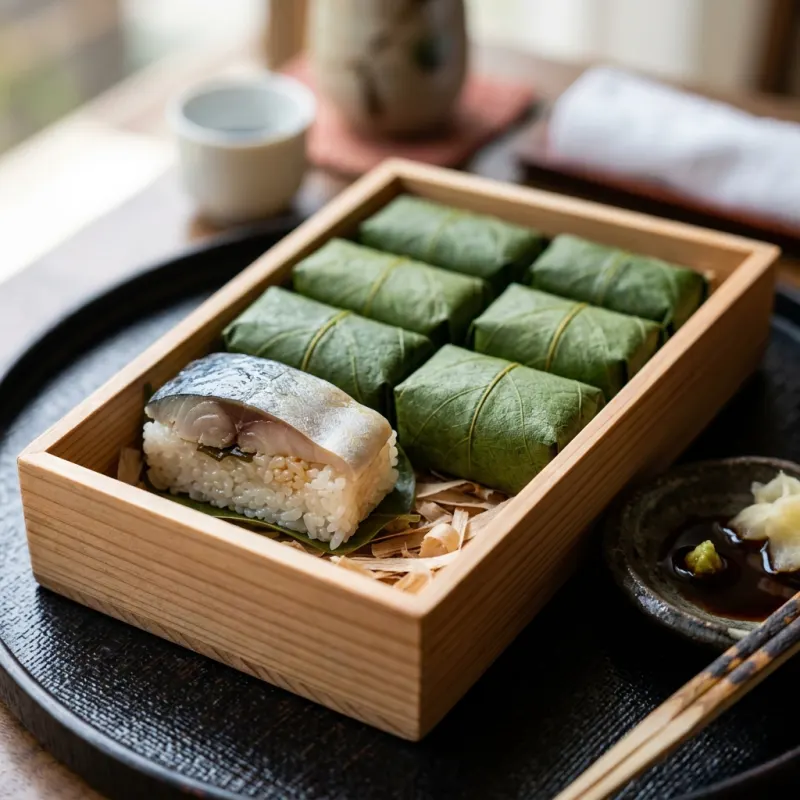
Nara cuisine emphasizes ancient culinary techniques, delicate fermentation, and seasonal regional produce. Famous regional staples include Kaki no Ha Zushi (mackerel or salmon sushi wrapped in tannin-rich persimmon leaves), Miwa somen noodles, and Chagayu (delicate green tea rice porridge historically prepared by temple monks).
Kaki no Ha Zushi persimmon leaf wrapped sushi in Nara Japan

Must Try Dish

Kaki no Ha Zushi - Traditional bite-sized pressed sushi featuring salted mackerel or salmon wrapped in natural persimmon leaves. The leaves impart a mild floral fragrance and act as a natural preservative, producing a subtly seasoned delicacy steeped in centuries of heritage.
Food Experiences Title Icon

Food
Experiences

Discover cooking classes, tastings and local food tours

No food experience found
Maya, the human travel expert at TravelingWiz, offering curated, non-AI expertise

Maya’s Final Checklist for Nara City

Logistics shouldn’t be the focus of your trip—the experience should. I’ve hand-vetted these essential partners to ensure your arrival, stay, and exploration are as smooth as an Athenian breeze.

Where to Stay

From boutique hotels to local apartments—compare thousands of options and find the perfect stay in the best neighborhood.

Air Travel

Getting there should be seamless. Compare the best routes and prices across top airlines to start your journey on the right note.

Local Guides

Connect with experts who know the destination best. Get personalized advice and insider tips to help you plan your perfect trip.

Travel Protection

The “Engineer’s” rule: always have a backup. Secure your trip with a plan that covers every “what if” and unexpected change.

Car Rentals

Explore at your own pace with total freedom. Compare reliable rental options and find the right vehicle for your adventure.

Visa Services

Don’t let paperwork slow you down. Get expert assistance with your application to ensure all your entry documents are in order.

FAQs

No. Feeding deer outside food like bread or fruit harms their digestive systems. Only feed them official shika-senbei (deer crackers) sold by licensed vendors throughout the park.
While many visit as a day trip from Kyoto or Osaka, an overnight stay allows you to experience early morning solitude at Todai-ji and the lantern-lit pathways of Kasuga Taisha without tour crowds.
Kintetsu-Nara Station is significantly closer to Nara Park and major temples (about a 5 to 10 minute walk) compared to JR Nara Station (about a 20 minute walk).

Your Insights Matter

TravelingWiz grows through the stories of our community. If you’ve recently explored ,Nara City share your tips and stories to help us perfect our guides for the next traveler.

Related Articles

Check out our related articles and blog posts to learn even more about the destination.

No related articles found

Don’t Travel Alone

Share with your friends and family

Where should we send your offline card?

We hate spam just as much as you do

newsletter_consent *