Disclosure: This site contains affiliate links. We may earn a commission if you make a purchase, at no extra cost to you.
Wakayama City

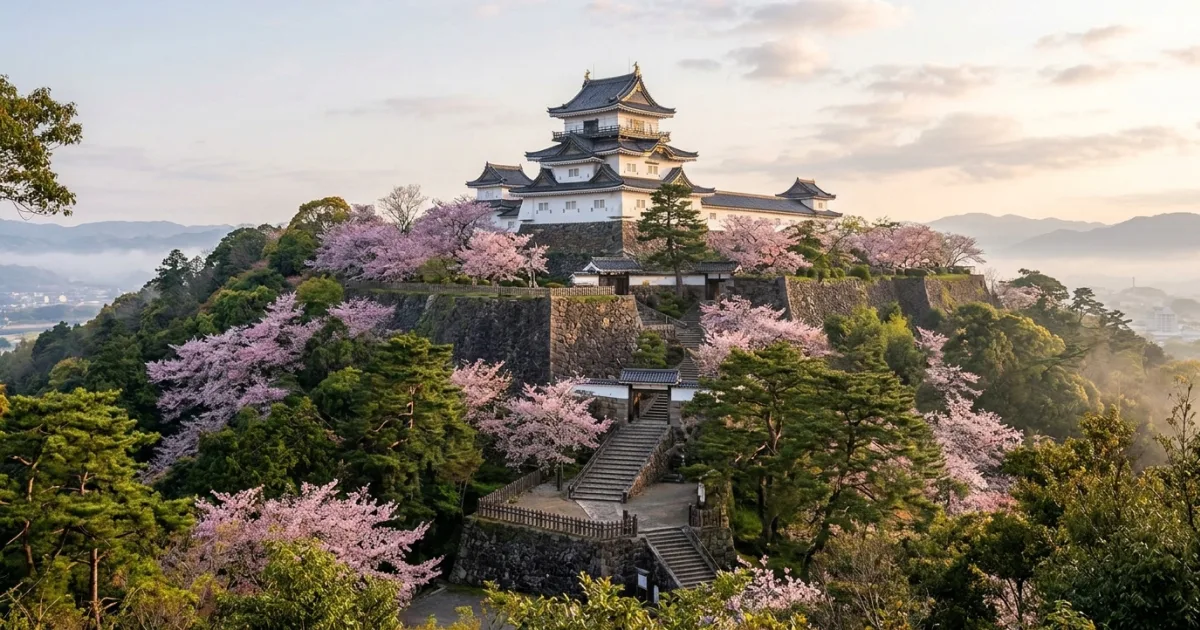
Panoramic view of Wakayama Castle surrounded by cherry blossoms in spring

Basic Info

COUNTRY & Region

Japan,
Asia

ACCESSIBILITY LEVEL​

  • High: Widely accessible with good facilities for disabilities.
  • Medium: Some accessible options, but limitations exist.
  • Low: Limited accessibility; many barriers for disabilities.
Medium

LOCAL CURRENCY​

Japanese Yen (JPY)

Price Level

Low – budget‑friendly basics

Medium – moderate mid‑range costs

High – pricey lodging, dining & transport

Medium

SAFETY LEVEL

5 shields = Excellent – very low crime or conflict.

4 shields = Safe – low risk, routine care.

3 shields = Relatively safe – use normal street smarts.

2 shields = Use caution – higher crime or periodic unrest.

1 shields = Avoid – active conflict or extreme danger.

Scores are derived from multi-year peace, homicide and security indices blended into a single 1-to-5 scale.

Recommended Duration

1-7 days, Full day

Wakayama City Overview & Key Highlights

Wakayama City serves as the historic gateway to the Kii Peninsula, blending maritime coastal heritage with deep Edo-period roots. Dominated by the whitewashed walls and stone battlements of Wakayama Castle, the city offers travelers an intimate alternative to Kansai's bustling metropolises. Situated less than an hour south of Kansai International Airport, it balances historical monuments with the scenic beauty of Wakanoura Bay and the rustic charm of Kada's coastal fishing communities. Visitors find an exceptionally walkable and transit-friendly regional capital celebrated for its distinct culinary identity. Wakayama ramen, characterized by its rich tonkotsu-soy broth and accompanied by local hayazushi mackerel sushi, is an essential regional specialty. Whether taking a retro coastal excursion train to Kada Port, exploring serene temple gardens, or enjoying fresh tuna at the Marina City Kuroshio Market, the city delivers authentic regional Japanese culture without overwhelming crowds.

Wakayama City Travel Guide: Logistics & In-Depth Tips

Wakayama City sits at the mouth of the Kinokawa River in southern Kansai, functioning as the cultural and administrative heart of Wakayama Prefecture. Anchored by the commanding 16th-century fortress of Wakayama Castle—originally founded by Toyotomi Hideyoshi and later governed by the Kishu Tokugawa clan—the city balances feudal military heritage with relaxed coastal geography. Its proximity to both Osaka and the sacred pilgrimage routes of the Kii Peninsula makes it an appealing destination for cultural travelers.

Beyond the fortress walls, the city unfolds into atmospheric seaside landscapes. To the south lies Wakanoura Bay, immortalized by ancient poets for its serene tidal flats, coastal shrines, and classical arched bridges. To the west, the historic fishing port of Kada provides ferry access to the uninhabited, brick-fortified ruins of Tomogashima Island. Combined with local markets, distinctive ramen traditions, and a laid-back pace, Wakayama City offers an unhurried, genuine window into regional Japanese life.

Reasons to Visit

  • Wakayama Castle: A restored hilltop fortress offering panoramic city vistas, stone defensive ramparts, and the historical Momijidani garden.
  • Renowned Ramen Scene: Taste award-winning chuka soba, one of Japan's most celebrated regional variations of pork-and-soy noodle soup.
  • Wakanoura Scenic Coastline: Discover tranquil seaside shrines such as Kishu Toshogu and Wakaura Tenmangu set amidst pine-fringed coastal scenery.
  • Kada Fishing Village & Tomogashima: Experience old-world maritime charm and embark on excursions to island ruins reminiscent of classic animated adventures.
  • Kuroshio Market: Watch live tuna-cutting demonstrations and enjoy freshly made sushi and barbecue right on the bay.

Things to Avoid

  • Avoid confusing JR Wakayama Station with Nankai Wakayamashi Station when booking trains or meeting tour guides, as they are distinct hubs.
  • Avoid skipping cash withdrawal, as regional buses and historic mom-and-pop ramen shops often do not take IC cards or credit cards.
  • Avoid planning trips to Tomogashima Island during high-wind or stormy weather, as passenger ferries cancel sailings for safety.
  • Avoid visiting Momijidani Garden mid-day during peak cherry blossom or autumn weekends if you prefer quiet, uncrowded photography.

Local Transportation Tips

Wakayama City is serviced by two major rail operators: JR West and the private Nankai Electric Railway. Local Wakayama Bus routes connect JR Wakayama Station, Nankai Wakayamashi Station, Wakayama Castle, and Marina City efficiently, with IC transit cards (such as ICOCA or Suica) widely accepted on buses. For coastal sightseeing to Kada, take the playful 'Medetai' fish-themed sightseeing trains along the Nankai Kada Line from Wakayamashi Station.

Travel Etiquette

  • Eat ramen promptly when served while the noodles remain firm, and feel free to slurp your soup to enhance aroma and flavor.
  • Take off your shoes when stepping onto tatami mats in castle viewing rooms, temple pavilions, or traditional ryokan lodgings.
  • Dispose of litter in designated sorting receptacles or take it back to your accommodation, as public street bins are rare across Japan.
  • Maintain quiet on public buses and trains; switch mobile devices to silent mode and avoid answering voice calls.

Recommended Age Group

Wakayama City offers a relaxed pace and accessible historical attractions suitable for a wide demographic of travelers.

  • Babies (0-2 years): Neutral. Cobblestone paths and castle staircases can be tough with strollers, but suburban areas and Marina City are baby-friendly.
  • Kids (3-12 years): Recommended. Children enjoy the ninja castle guides, the themed Kada fish trains, and tuna cutting shows at Kuroshio Market.
  • Teens (13-19 years): Recommended. Samurai castle architecture, island exploring at Tomogashima, and retro ramen shops appeal strongly to teens.
  • Adults (20-64 years): Recommended. Excellent regional culinary culture, craft sake, serene coastal walks, and rich samurai history cater directly to adult travelers.
  • Seniors (65+ years): Recommended. Flat city avenues, relaxed public buses, historic gardens, and quiet coastal retreats ensure an easy, low-stress visit.

Accessibility Level: Medium

  • Wakayama Castle features steep slopes and multiple stone stairs to reach the main keep, making wheelchair access to the top challenging, though outer park grounds are paved.
  • Modern train stations (JR Wakayama and Nankai Wakayamashi) are equipped with elevators, multi-purpose accessible restrooms, and tactile paving.
  • Low-floor city buses serve major central routes, though boarding ramps may require a few moments of driver assistance.

Did You Know?

Wakayama Castle's stone foundation walls were built using distinctive crystalline schist rock quarried locally, giving the lower battlements a unique greenish-blue hue rarely observed in other Japanese castle fortifications.

Cool Statistics

  • Approximate population: 350,000 residents living across 208 square kilometers.
  • Travel time: Only 40 minutes by direct express train from Kansai International Airport (KIX).
  • Historic significance: Wakayama Castle was home to the Kishu branch, one of the three elite Tokugawa family branches eligible to produce the Shogun.

Address:

Wakayama City, Japan

Find Nearby Accommodations

Electricity

100-110V, 
60Hz

Plug Type

Type A (Flat blade), Type B (Flat blade with grounding pin)
Plug types
Click To View Plug Types
Wakayama City is part of our
Culinary Heritage collection

Activities To Do In Wakayama City

Best Time To Visit Wakayama City

Wakayama City features a temperate coastal climate, making it rewarding to visit year-round, though shoulder seasons provide the best conditions.

  • March to May: Optimal season for viewing cherry blossoms around the Wakayama Castle grounds and enjoying pleasant walking weather.
  • June to August: Warm and humid with summer beach activities around Kata and Wakanoura, alongside fireworks displays at Marina City.
  • September to November: Crisp, clear autumn days with striking fall foliage in Momijidani Garden and peak fishing season for coastal seafood.
  • December to February: Mild coastal winter with minimal crowds and optimal conditions for hot bowls of local ramen and winter citrus harvesting.

Average Temperatures Per Month

Average monthly temperaturesMonthly source values, with Celsius and Fahrenheit equivalents in the following data table.0°32°9°48°18°64°26°79°35°95°JanJan: 6°C / 43°FFebFeb: 7°C / 45°FMarMar: 10°C / 50°FAprApr: 14°C / 57°FMayMay: 18°C / 64°FJunJun: 22°C / 72°FJulJul: 26°C / 79°FAugAug: 28°C / 82°FSepSep: 25°C / 77°FOctOct: 19°C / 66°FNovNov: 14°C / 57°FDecDec: 9°C / 48°F
View temperature data
Average monthly temperatures
Month°C°F
Jan643
Feb745
Mar1050
Apr1457
May1864
Jun2272
Jul2679
Aug2882
Sep2577
Oct1966
Nov1457
Dec948

Remember to check the weather forecast a few days before the trip and before heading to the airport.

Safety Level

5 shields = Excellent – very low crime or conflict.

4 shields = Safe – low risk, routine care.

3 shields = Relatively safe – use normal street smarts.

2 shields = Use caution – higher crime or periodic unrest.

1 shields = Avoid – active conflict or extreme danger.

Scores are derived from multi-year peace, homicide and security indices blended into a single 1-to-5 scale.

Wakayama City boasts an exceptionally low crime rate and is safe for solo and late-night walking. Take standard precautions around coastal areas and rocky shores during typhoons or rough sea conditions. Familiarize yourself with local tsunami evacuation signage and routes when exploring beach precincts such as Kada or Wakanoura.

The rating is based on multi-year peace, crime, and security indices. Before you go, always verify current conditions through official government travel advisories.

Emergency Numbers

Police: 110
Ambulance: 119

No internet needed • Includes local translations • Free for TravelingWiz readers

Spoken Languages

Japanese (standard and Kansai dialect); limited English available at major transit hubs and tourist centers.
Travel Booking Partner - TravelingWiz

Learn The Language

  • Konnichiwa – Hello
  • Arigatou gozaimasu – Thank you very much
  • Sumimasen – Excuse me / Pardon
  • Kore wa ikura desu ka? – How much is this?
  • Eigo ga hanasemasu ka? – Do you speak English?
  • O-kaikei o onegaishimasu – Bill, please
  • Tasukete kudasai – Please help me
  • Doko desu ka? – Where is it?

Trip Cost & Budgeting for Wakayama City, 2026

Everything you need to know about money while traveling
Is Wakayama City expensive for tourists in 2026? No, Wakayama City remains an affordable destination compared to major hubs like Tokyo or Osaka. Based on our Human Verified prices, you can expect to pay around 400 JPY for a cappuccino, 500 JPY for a domestic draft beer, and about 2,000 JPY for a standard mid-range restaurant meal. Use the data table below to calculate your specific daily budget based on your travel style.

LOCAL CURRENCY​:

Japanese Yen (JPY)

Price Level:

Low – budget‑friendly basics

Medium – moderate mid‑range costs

High – pricey lodging, dining & transport

Medium

Cards Vs. Cash

Major hotels and chain stores accept cards, but local buses, small ramen shops, and shrines require cash.

How Much Cash to Carry (on you)

Per person, per day – pocket cash for small purchases.

Local: 3500
Japanese Yen (JPY)
≈ 22 USD

Average Daily Costs (per person)

Full daily spend estimation (accommodation, food, transportation, attractions).

Travel Style
Japanese Yen (JPY)
≈ USD ($)
Budget
8000
50
Mid-range
14500
91
Comfort
31900
200
Note

The Prices, Daily costs, and calculator results are estimates for planning purposes only. Actual costs may vary based on season, booking timing, personal spending habits, and currency fluctuations. TravelingWiz cannot be held responsible for discrepancies between these estimates and your final trip expenses.

Best Value Tips

  • • Slurp authentic Wakayama ramen at classic neighborhood shops like Ide Shoten, where a rich, filling bowl costs under 900 JPY.
  • • Purchase a Wakayama Bus 1-Day Pass to save on local transit between JR Wakayama Station, Wakayama Castle, and Marina City.
  • • Choose business hotels near JR Wakayama Station, which frequently include complimentary breakfast and public bath access for modest rates.
  • • Visit Kuroshio Market late in the afternoon to snag discounted fresh sashimi sets, grilled seafood skewers, and local citrus treats.

Tours & Tickets

Explore tours, attractions, and ticket options to plan your visit.
Plan ahead

Travel Offers & Coupons

Browse travel offers and coupons from our affiliate partners.
Affiliate partner offers

What To Pack

  • Comfortable walking shoes with sturdy soles for cobblestone paths and the steep stairs at Wakayama Castle.
  • Slip-on footwear to make frequent removals easy when visiting shrines, castle interiors, and traditional restaurants.
  • Compact travel umbrella or lightweight rain jacket, especially during the June-July rainy season.
  • Cash in Japanese yen, as smaller noodle shops and coastal stalls rarely accept foreign credit cards.
  • Pocket Wi-Fi or local eSIM card for navigating local bus and suburban rail transit routes.
Only the good stuff!
Browse recommended travel gear
Check out our free packing list tool

Recommended Itineraries for Traveling to Wakayama City

Take your itinerary with you

Choose a ready-made itinerary, plan your own trip, and keep TravelingWiz by your side while you travel.

Get the TravelingWiz app

Food & Drink Highlights

Local Food Overview

Wakayama City is renowned for its signature noodle style, locally called chuka soba and internationally known as Wakayama ramen. It features thin straight noodles swimming in a rich, velvety broth blended from pork bones and rich local soy sauce. Diners traditionally pair their noodles with hayazushi, a lightly pressed pickled mackerel sushi that sits ready on the counter. Beyond ramen, the coastal waters yield exquisite sea bream (tai), fresh whitebait (shirasu), and Pacific bluefin tuna butchered daily at Kuroshio Market.

Must Try Dish

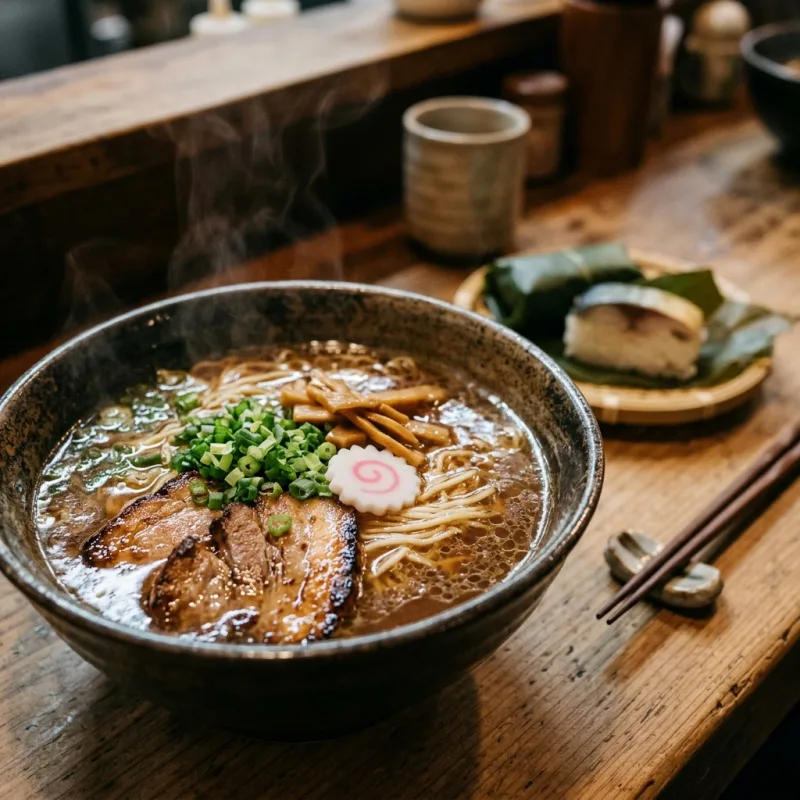
Wakayama Ramen (Chuka Soba) - A savory bowl of thin noodles submerged in a deeply flavorful pork bone and soy sauce broth, topped with chashu pork, menma, and flower-shaped narutomaki. It is traditionally savored alongside hayazushi mackerel sushi and a soft-boiled egg found on the table.
Steaming bowl of authentic Wakayama ramen with chashu pork and narutomaki fish cake

Maya’s Final Checklist for Wakayama City

Logistics shouldn’t be the focus of your trip—the experience should. I’ve hand-vetted these essential partners to ensure your arrival, stay, and exploration are as smooth as an Athenian breeze.

Maya, the human travel expert at TravelingWiz, offering curated, non-AI expertise

Where to Stay

Compare accommodation options and choose a stay that suits your plans and budget.

Air Travel

Compare flight options and find a route that fits your plans.

Local Guides

Connect with local guides for personalized help planning and exploring.

Travel Protection

The “Engineer’s” rule: always have a backup. Secure your trip with a plan that covers every “what if” and unexpected change.

Car Rentals

Compare rental options and choose a car that suits your trip.

Visa Information

Don’t let paperwork slow you down. Get expert assistance with your application to ensure all your entry documents are in order.

FAQs

Direct Nankai Airport Express trains or the JR Kansai Airport line connect to Wakayama City via Izumisano or Hineno Station, taking roughly 40 to 45 minutes.
They are located about 2.5 kilometers apart on opposite sides of the city center; JR Wakayama Station serves JR lines and buses, while Nankai Wakayamashi Station connects directly to Osaka’s Namba hub and the Kada coastal line.
Yes, the surrounding castle park and Momijidani Garden are free to enter; a small admission fee of around 410 yen applies only to enter the reconstructed main castle keep.

Your Insights Matter

TravelingWiz grows through the stories of our community. If you’ve recently explored ,Wakayama City share your tips and stories to help us perfect our guides for the next traveler.

Where should we send your offline card?

We hate spam just as much as you do

newsletter_consent *