Disclosure: This site contains affiliate links. We may earn a commission if you make a purchase, at no extra cost to you.
Omihachiman

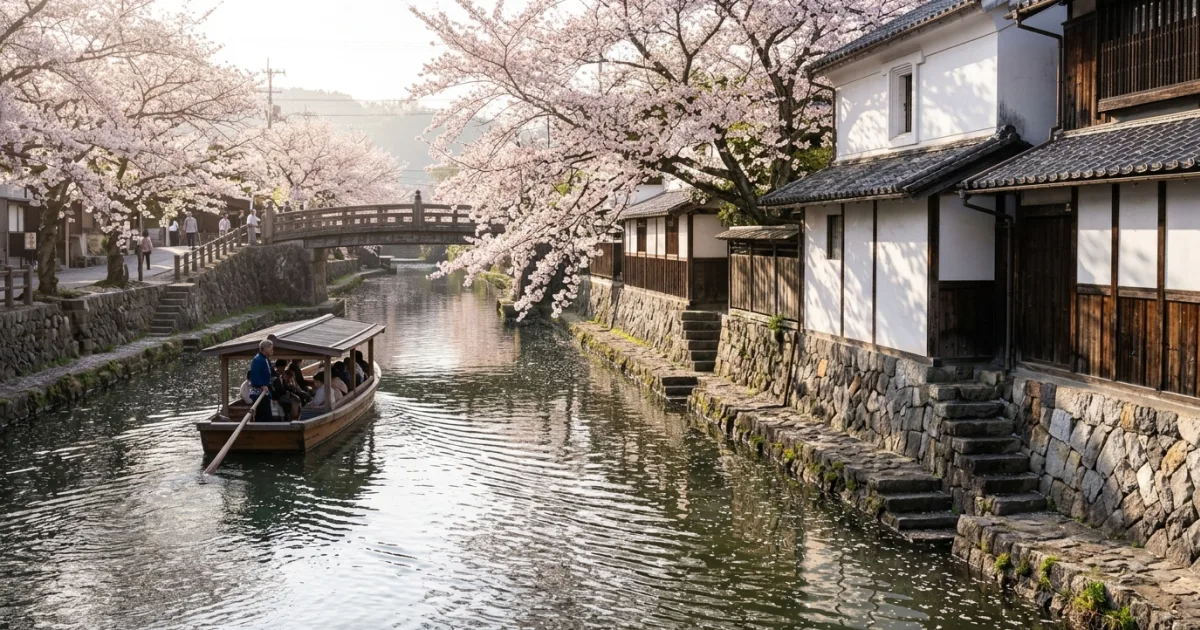
Wide view of Hachiman-bori Canal in Omihachiman lined with cherry blossoms and Edo-period merchant storehouses

Basic Info

COUNTRY & Region

Japan,
Asia

ACCESSIBILITY LEVEL​

  • High: Widely accessible with good facilities for disabilities.
  • Medium: Some accessible options, but limitations exist.
  • Low: Limited accessibility; many barriers for disabilities.
Medium

LOCAL CURRENCY​

Japanese Yen (JPY)

Price Level

Low – budget‑friendly basics

Medium – moderate mid‑range costs

High – pricey lodging, dining & transport

Medium

SAFETY LEVEL

5 shields = Excellent – very low crime or conflict.

4 shields = Safe – low risk, routine care.

3 shields = Relatively safe – use normal street smarts.

2 shields = Use caution – higher crime or periodic unrest.

1 shields = Avoid – active conflict or extreme danger.

Scores are derived from multi-year peace, homicide and security indices blended into a single 1-to-5 scale.

Recommended Duration

Full day, 1-7 days

Omihachiman Overview & Key Highlights

Omihachiman is a historic merchant town nestled along the eastern shores of Lake Biwa in Shiga Prefecture. Established in the late 16th century by feudal lord Toyotomi Hidetsugu, the settlement flourished as an influential commercial hub for the famed Omi merchants. The centerpiece of the town is the Hachiman-bori Canal, where stone-paved paths, weeping willows, and whitewashed kura storehouses preserve the distinct architectural legacy of the Edo period. Visitors to Omihachiman can explore a rare blend of feudal commerce and early 20th-century Western architecture designed by William Merrell Vories. Traditional flat-bottom boat tours offer scenic views along the reed-fringed waterways, while the preserved Shinmachi-dori quarter features authentic merchant residences. The town is equally celebrated for its gastronomy, serving as one of the premier locations to sample authentic Omi beef and handcrafted wagashi sweets.

Omihachiman Travel Guide: Logistics & In-Depth Tips

Omihachiman presents an extraordinarily well-preserved window into Japanese commercial and architectural history. Established in 1585 by Toyotomi Hidetsugu, the town's innovative merchant policies and strategic canal infrastructure allowed local traders to build mercantile networks that reached across the entire country. The canal system, known as Hachiman-bori, directly connected the town center with Lake Biwa, facilitating the transport of rice, textiles, and household goods. Today, the waterways are celebrated for their tranquil aesthetic, lined with black-and-white earthen storehouses and rustic stone quays.

Beyond its samurai-era origins, Omihachiman stands out for its unique blend of traditional Japanese machiya townhouses and early 20th-century Western buildings designed by William Merrell Vories. Visitors can ride the ropeway up Mount Hachiman for panoramic views of Lake Biwa and the surrounding plain, stroll through the preserved merchant quarter of Shinmachi-dori, and enjoy world-renowned gastronomy centered on marbled Omi beef and refined regional confectionery.

Reasons to Visit

  • Hachiman-bori Canal Cruises: Drift along historic waterways framed by weeping willows and Edo-era warehouses on traditional non-motorized wooden boats.
  • Shinmachi Merchant Quarter: Walk through protected architectural preservation districts containing authentic timber merchant mansions and private courtyard gardens.
  • World-Class Omi Wagyu: Savor one of Japan's oldest and most prestigious wagyu varieties served in heritage ryokan and historic restaurants.
  • Vories Architectural Trail: Discover a rare collection of early 1900s Western churches, private residences, and school campuses created by architect William Merrell Vories.
  • Mount Hachiman Views: Ascend the Hachimanyama Ropeway to the ruins of Hachiman Castle for uninterrupted 360-degree vistas across Lake Biwa.

Things to Avoid

  • Relying Solely on Taxis: Don't overlook the local bus network and rental bicycle facilities located directly outside JR Omihachiman Station.
  • Arriving Too Late in the Afternoon: Avoid arriving past 3:00 PM, as traditional merchant houses, small museums, and canal boat tours typically stop taking guests between 4:00 PM and 5:00 PM.
  • Skipping Reservations for Wagyu Restaurants: Avoid showing up without bookings at top-tier Omi beef sukiyaki houses on weekends, as wait times can exceed several hours.
  • Assuming All Areas are Paved Smoothly: Don't wear high heels or slippery footwear; historic quays and stone river steps can be uneven.

Local Transportation Tips

JR Omihachiman Station is the primary transit gateway, accessible in roughly 35 minutes via the JR Biwako Line (Special Rapid) from Kyoto Station. From the station's North Exit, frequent Omi Railway buses reach the historic canal area (Shinmachi or Osugicho bus stops) in 7 to 10 minutes. The heritage core itself is compact, flat, and best explored entirely on foot or via rental bicycles, which are available from shops right by the train station.

Travel Etiquette

  • Canal Embankment Awareness: Keep walkways clear for local residents and cyclists, and never lean over unrailed stone edges dangerously.
  • Historic Building Rules: Always remove your shoes when stepping onto tatami mats inside preserved merchant residences, and use the provided slippers or walk in clean socks.
  • Litter Disposal: Carry your trash with you throughout the day; public trash cans are rare in heritage conservation districts.
  • Quiet Residential Zones: Keep speaking volumes down while walking through residential alleyways off Shinmachi-dori.

Recommended Age Group

Omihachiman offers an accessible, laid-back cultural environment suitable for most age categories, particularly travelers seeking slow-paced sightseeing and culinary discovery.

  • Babies (0-2 years): Neutral. Cobblestone pavements and canal stairs make baby strollers somewhat challenging, though carrier wraps work well.
  • Kids (3-12 years): Recommended. Children enjoy the ropeway ascent, open canal boat cruises, and the storybook confectionery park at La Collina Omihachiman.
  • Teens (13-19 years): Recommended. Picturesque photography backdrops, historic samurai film locations, and pastry cafes offer broad appeal.
  • Adults (20-64 years): Recommended. Perfect balance of historical walking tours, architectural heritage, and premier wagyu dining.
  • Seniors (65+ years): Recommended. Flat, walkable canal paths, relaxing boat rides, and accessible public buses make exploration comfortable.

Accessibility Level: Medium

  • Canal Edges: Many lower quays and boarding points along Hachiman-bori require descending stone steps without ramps, requiring caution for wheelchair users.
  • Public Transport: Buses connecting JR Omihachiman Station to the heritage district feature low-floor entry.
  • Preservation Residences: Historic merchant homes typically feature raised wooden door thresholds and steps unsuitable for full motorized wheelchair entry.
  • Ropeway Facilities: Mount Hachiman Ropeway provides barrier-free assistance upon request at the base terminal.

Did You Know?

Toyotomi Hidetsugu abolished traditional merchant monopolies when founding Omihachiman in 1585, establishing a 'free market' policy (rakuichi-rakuza) that laid the foundation for the Omi merchants to become one of the wealthiest commercial networks in feudal Japan.

Cool Statistics

  • Canal Length: The Hachiman-bori Canal spans approximately 4.75 kilometers across the historical town layout.
  • Historic Preservation: The Shinmachi and Nagahara districts encompass over 13 hectares designated as Important Preservation Districts for Groups of Traditional Buildings.
  • Transit Proximity: Located just 35 minutes by train from Kyoto Station, making it one of the easiest cultural day trips in the Kansai region.

Address:

Omihachiman, Shiga Prefecture, Japan

Find Nearby Accommodations

Electricity

100-110V, 
60Hz

Plug Type

Type A (Flat blade), Type B (Flat blade with grounding pin)
Plug types
Click To View Plug Types
Omihachiman is part of our
Set-Jetting collection

Activities To Do In Omihachiman

Best Time To Visit Omihachiman

Omihachiman is a year-round destination, but spring and autumn provide optimal weather and spectacular scenery.

  • Spring (Late March to Mid-April): Cherry blossoms frame the Hachiman-bori Canal, drawing photographers and boat riders under mild temperatures.
  • Early Summer (May to June): Lush greenery blankets the canal banks, and crowds thin out compared to neighboring Kyoto.
  • Autumn (October to November): Crisp air and vivid maple foliage illuminate Mount Hachiman and historic temple gardens.
  • Winter (December to February): Quiet streets and occasional dustings of snow offer tranquil scenery, though canal winds require warm outerwear.

Average Temperatures Per Month

Average monthly temperaturesMonthly source values, with Celsius and Fahrenheit equivalents in the following data table.0°32°9°48°18°64°26°79°35°95°JanJan: 5°C / 41°FFebFeb: 6°C / 43°FMarMar: 9°C / 48°FAprApr: 14°C / 57°FMayMay: 18°C / 64°FJunJun: 23°C / 73°FJulJul: 27°C / 81°FAugAug: 28°C / 82°FSepSep: 25°C / 77°FOctOct: 18°C / 64°FNovNov: 13°C / 55°FDecDec: 7°C / 45°F
View temperature data
Average monthly temperatures
Month°C°F
Jan541
Feb643
Mar948
Apr1457
May1864
Jun2373
Jul2781
Aug2882
Sep2577
Oct1864
Nov1355
Dec745

Remember to check the weather forecast a few days before the trip and before heading to the airport.

Safety Level

5 shields = Excellent – very low crime or conflict.

4 shields = Safe – low risk, routine care.

3 shields = Relatively safe – use normal street smarts.

2 shields = Use caution – higher crime or periodic unrest.

1 shields = Avoid – active conflict or extreme danger.

Scores are derived from multi-year peace, homicide and security indices blended into a single 1-to-5 scale.

Omihachiman is an exceptionally safe Japanese town with negligible crime rates. Exercise caution when walking along canal edges, as stone paths lack guardrails in many heritage sections. Keep an eye out for occasional cyclists navigating narrow historical streets. During summer, stay well-hydrated due to humid conditions near Lake Biwa.

The rating is based on multi-year peace, crime, and security indices. Before you go, always verify current conditions through official government travel advisories.

Emergency Numbers

Police: 110
Ambulance: 119

No internet needed • Includes local translations • Free for TravelingWiz readers

Spoken Languages

Japanese (Standard & Kansai dialect). Basic English is spoken at tourist centers, major ticket windows, and select hospitality venues.
Travel Booking Partner - TravelingWiz

Learn The Language

  • Konnichiwa — Hello
  • Arigatou gozaimasu — Thank you very much
  • Sumimasen — Excuse me / Pardon me
  • Kore wa ikura desu ka? — How much is this?
  • Eigo ga hanasemasu ka? — Can you speak English?
  • O-kaikei o onegaishimasu — Check/bill, please
  • Toire wa doko desu ka? — Where is the restroom?
  • Oishii desu — It is delicious

Trip Cost & Budgeting for Omihachiman, 2026

Everything you need to know about money while traveling
Is Omihachiman expensive for tourists in 2026? No, Omihachiman offers moderate, approachable costs compared to neighboring Kyoto. Based on our Human Verified prices, expect to pay around 480 JPY for a cappuccino, 500 JPY for a pint of domestic beer, and 2,500 JPY for a solid mid-range dinner, though dining on premium Omi beef can cost more. Local transport and boutique lodgings remain great value. Use the data table below to calculate your specific daily budget based on your travel style.

LOCAL CURRENCY​:

Japanese Yen (JPY)

Price Level:

Low – budget‑friendly basics

Medium – moderate mid‑range costs

High – pricey lodging, dining & transport

Medium

Cards Vs. Cash

Cards work at hotels and larger shops, but cash is essential for buses, canal boats, and local snack stalls.

How Much Cash to Carry (on you)

Per person, per day – pocket cash for small purchases.

Local: 5000
Japanese Yen (JPY)
≈ 31 USD

Average Daily Costs (per person)

Full daily spend estimation (accommodation, food, transportation, attractions).

Travel Style
Japanese Yen (JPY)
≈ USD ($)
Budget
9150
57
Mid-range
16600
104
Comfort
36500
229
Note

The Prices, Daily costs, and calculator results are estimates for planning purposes only. Actual costs may vary based on season, booking timing, personal spending habits, and currency fluctuations. TravelingWiz cannot be held responsible for discrepancies between these estimates and your final trip expenses.

Best Value Tips

  • • Rent a bicycle at Omihachiman Station for under 1,000 JPY to explore the town and lakeside cheaply without taking multiple buses.
  • • Sample world-renowned Omi beef during lunch set menus or as street snacks like freshly fried croquettes for a fraction of dinner steakhouse prices.
  • • Walk the scenic stone paths along Hachiman-bori canal freely on foot, which offers the same historic views as the paid tourist boat tours.
  • • Stay in Omihachiman business hotels rather than high-priced Kyoto accommodations, using the 35-minute JR Special Rapid train connection for day trips.

Tours & Tickets

Explore tours, attractions, and ticket options to plan your visit.
Plan ahead

Travel Offers & Coupons

Browse travel offers and coupons from our affiliate partners.
Affiliate partner offers

What To Pack

  • Comfortable walking shoes suitable for cobblestones and stone-paved canal embankments.
  • Slip-on footwear for frequent removal when entering traditional wooden residences and temples.
  • A compact umbrella or rain jacket for unexpected seasonal showers off Lake Biwa.
  • A power bank and portable Wi-Fi device or Japanese eSIM for navigation.
  • Layers of breathable cotton clothing during spring and autumn, or thermal wear for winter canal breezes.
Only the good stuff!
Browse recommended travel gear
Check out our free packing list tool

Recommended Itineraries for Traveling to Omihachiman

Take your itinerary with you

Choose a ready-made itinerary, plan your own trip, and keep TravelingWiz by your side while you travel.

Get the TravelingWiz app

Food & Drink Highlights

Local Food Overview

Omihachiman is a centerpiece of Shiga Prefecture's rich culinary tradition, most notably celebrated for Omi Beef, one of Japan's top three wagyu varieties with a history stretching back over 400 years. The beef features fine marbling, intense umami, and a melt-in-the-mouth texture, served as sukiyaki, shabu-shabu, or grilled steaks. Beyond wagyu, the town is renowned for red konjac (aka-konnyaku), dyed with iron oxide and prized for its firm texture in stews, as well as de-fatted crucian carp sushi (funazushi) from nearby Lake Biwa. Confectionery also thrives here, anchored by Taneya's traditional Japanese sweets and Club Harie's famous freshly baked baumkuchen.

Must Try Dish

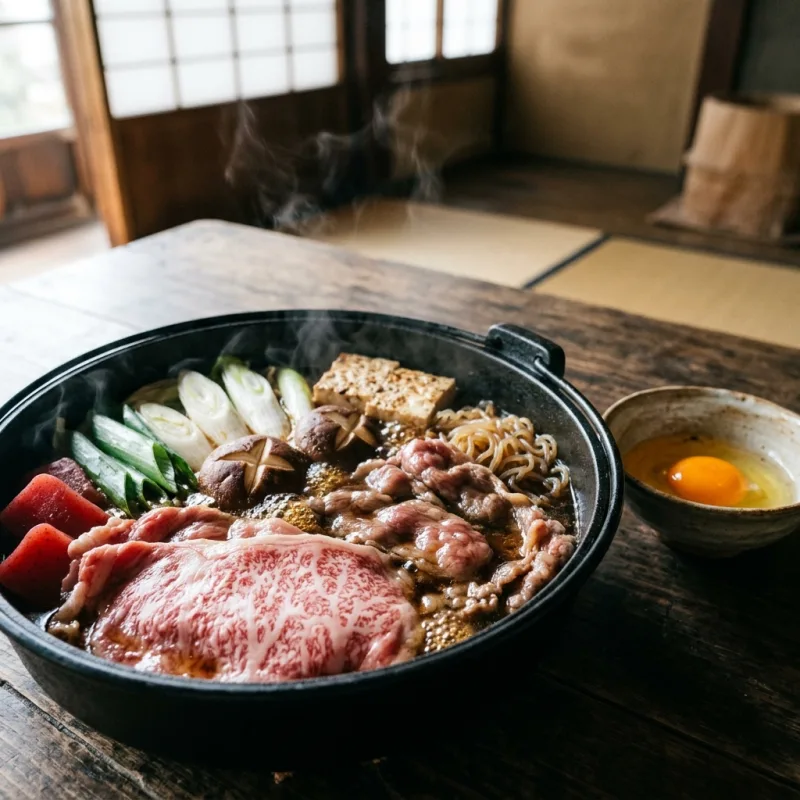
Omi Beef Sukiyaki - Thinly sliced, exquisitely marbled Omi wagyu simmered with sweet soy sauce, mirin, and scallions in an iron pot. The tender meat is dipped in raw beaten egg, providing an ultra-rich and savory dining experience.
Authentic Japanese Omi Beef Sukiyaki simmering in an iron pot with scallions and mushrooms

Maya’s Final Checklist for Omihachiman

Logistics shouldn’t be the focus of your trip—the experience should. I’ve hand-vetted these essential partners to ensure your arrival, stay, and exploration are as smooth as an Athenian breeze.

Maya, the human travel expert at TravelingWiz, offering curated, non-AI expertise

Where to Stay

Compare accommodation options and choose a stay that suits your plans and budget.

Air Travel

Compare flight options and find a route that fits your plans.

Local Guides

Connect with local guides for personalized help planning and exploring.

Travel Protection

The “Engineer’s” rule: always have a backup. Secure your trip with a plan that covers every “what if” and unexpected change.

Car Rentals

Compare rental options and choose a car that suits your trip.

Visa Information

Don’t let paperwork slow you down. Get expert assistance with your application to ensure all your entry documents are in order.

FAQs

Take the JR Tokaido-Sanyo Line Special Rapid train directly from JR Kyoto Station to JR Omihachiman Station. The journey takes approximately 32 to 35 minutes, followed by a short 7-minute bus ride or 20-minute walk to the canal district.
Yes, flat-bottom wooden boat tours operate along Hachiman-bori Canal throughout the day, offering scenic 30- to 40-minute guided excursions along the historic stone walls and weeping willows.
William Merrell Vories was an American architect, missionary, and founder of the Omi Brotherhood company who lived in Omihachiman for decades, designing numerous historic Western-style homes, churches, and school buildings across the town.

Your Insights Matter

TravelingWiz grows through the stories of our community. If you’ve recently explored ,Omihachiman share your tips and stories to help us perfect our guides for the next traveler.

Where should we send your offline card?

We hate spam just as much as you do

newsletter_consent *