

Low – budget‑friendly basics
Medium – moderate mid‑range costs
High – pricey lodging, dining & transport
Disclosure: This site contains affiliate links. We may earn a commission if you make a purchase, at no extra cost to you.
Low – budget‑friendly basics
Medium – moderate mid‑range costs
High – pricey lodging, dining & transport
5 shields = Excellent – very low crime or conflict.
4 shields = Safe – low risk, routine care.
3 shields = Relatively safe – use normal street smarts.
2 shields = Use caution – higher crime or periodic unrest.
1 shields = Avoid – active conflict or extreme danger.
Scores are derived from multi-year peace, homicide and security indices blended into a single 1-to-5 scale.
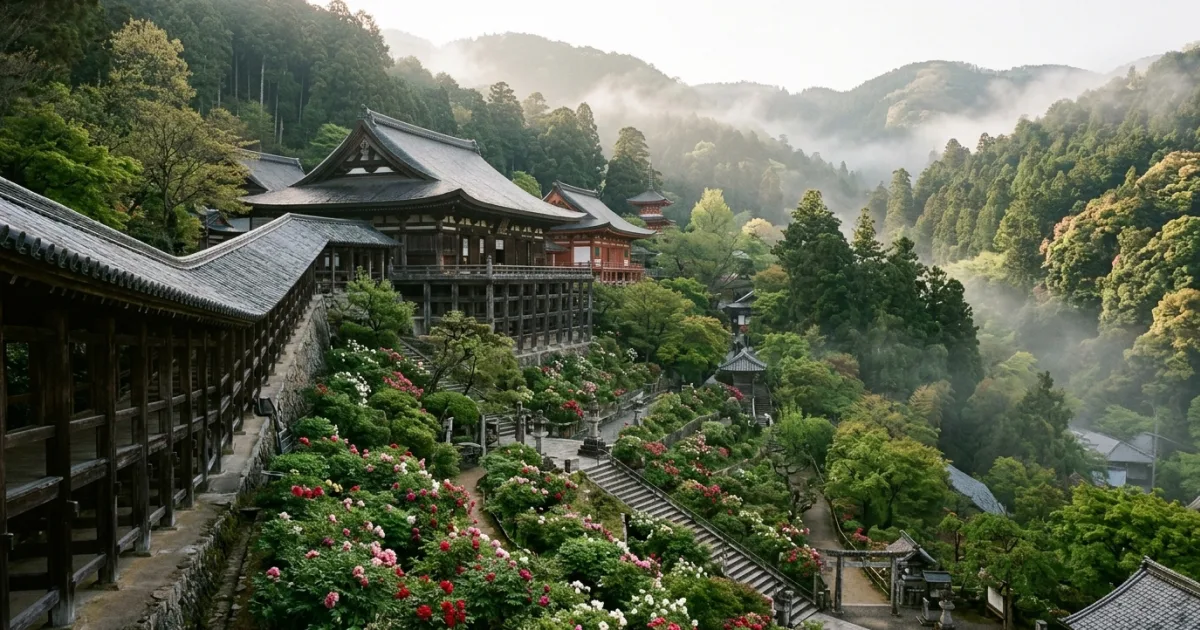
Sakurai occupies the ancient cradle of Yamato civilization in central Nara Prefecture, recognized historically as the birthplace of the imperial Japanese state. The town is framed by sacred Mount Miwa to the east and the lush mountain slopes of Tanzan Shrine to the south, retaining a tranquil rural atmosphere distinct from the crowded streets of nearby Kyoto and northern Nara. Ancient tumuli burial mounds, primeval Shinto shrines that predate structural worship, and cliffside Buddhist sanctuaries populate the verdant basin. Visitors journey to Sakurai to walk the Yamanobe-no-Michi, documented as Japan's oldest overland highway, which winds past persimmon orchards, secluded family farmsteads, and unattended fruit stalls operating on an honor system. Food culture is deeply rooted here, particularly through Miwa somen, ultra-thin wheat noodles crafted using pristine mountain water and dried in the crisp winter air for over twelve centuries. With seamless train access via the JR Sakurai Line and Kintetsu Osaka Line, Sakurai delivers an authentic encounter with classical Japanese spirituality and rustic heritage.
Sakurai holds a sacred position in the tapestry of Japanese civilization, frequently described by historians as the cradle of the ancient Yamato polity. During the Kofun and Asuka periods between the 3rd and 7th centuries, early Japanese rulers established their palaces along the fertile skirts of the Nara Basin. Today, that grand heritage remains visible across the townscape, where ancient keyhole-shaped tumuli like Hashihaka Kofun sit quietly amidst modern vegetable patches, and towering torii gates mark entrance points to pristine mountain forests.
Unlike heavily commercialized tourist centers elsewhere in the Kansai region, Sakurai retains a tranquil, contemplative pace. The spiritual life of the community centers around Omiwa Shrine, believed by scholars to be Japan's oldest continuously active Shinto shrine. Uniquely, Omiwa features no main hall (honden) because Mount Miwa itself serves as the embodiment of the resident divinity. Walking through Sakurai feels like journeying backward through time, where morning mist rises over cedar-clad mountains and traditional timber houses preserve centuries of architectural and culinary integrity.
Sakurai is anchored by Sakurai Station, a well-connected transit junction served by the JR West Sakurai (Man-yo Mahoroba) Line and the Kintetsu Osaka Line. For Hase-dera Temple, take the Kintetsu Osaka Line two stops east to Hasedera Station, followed by a picturesque 15-minute walk through the temple town. Nara Kotsu buses operate from Sakurai Station's south exit toward Tanzan Shrine (approximately 25 minutes). For exploring the flat basin and ancient tumuli, bicycle rentals are conveniently located directly outside Sakurai Station's north exit.
Sakurai caters wonderfully to travelers who appreciate unhurried cultural discovery, sacred architecture, and nature walks, though terrain considerations vary across generations.
Sakurai's Omiwa Shrine is widely regarded as the spiritual birthplace of Japanese sake brewing. Japanese sake brewers nationwide traditionally hang a fresh green cedar ball (sugidama), crafted from the sacred Japanese cedar branches of Mount Miwa, outside their breweries each autumn to signal that a new batch of sake has commenced fermentation.

Sakurai is rewarding throughout the year, but spring and autumn provide optimal conditions for outdoor hiking and temple exploration.
Remember to check the weather forecast a few days before the trip and before heading to the airport.
5 shields = Excellent – very low crime or conflict.
4 shields = Safe – low risk, routine care.
3 shields = Relatively safe – use normal street smarts.
2 shields = Use caution – higher crime or periodic unrest.
1 shields = Avoid – active conflict or extreme danger.
Scores are derived from multi-year peace, homicide and security indices blended into a single 1-to-5 scale.
The rating is based on multi-year peace, crime, and security indices. Before you go, always verify current conditions through official government travel advisories.
No internet needed • Includes local translations • Free for TravelingWiz readers

Low – budget‑friendly basics
Medium – moderate mid‑range costs
High – pricey lodging, dining & transport
Per person, per day – pocket cash for small purchases.
Full daily spend estimation (accommodation, food, transportation, attractions).
Travel Style | Japanese Yen (JPY) | ≈ USD ($) |
|---|---|---|
Budget | ||
Mid-range | ||
Comfort |
The Prices, Daily costs, and calculator results are estimates for planning purposes only. Actual costs may vary based on season, booking timing, personal spending habits, and currency fluctuations. TravelingWiz cannot be held responsible for discrepancies between these estimates and your final trip expenses.
Choose a ready-made itinerary, plan your own trip, and keep TravelingWiz by your side while you travel.
Get the TravelingWiz app →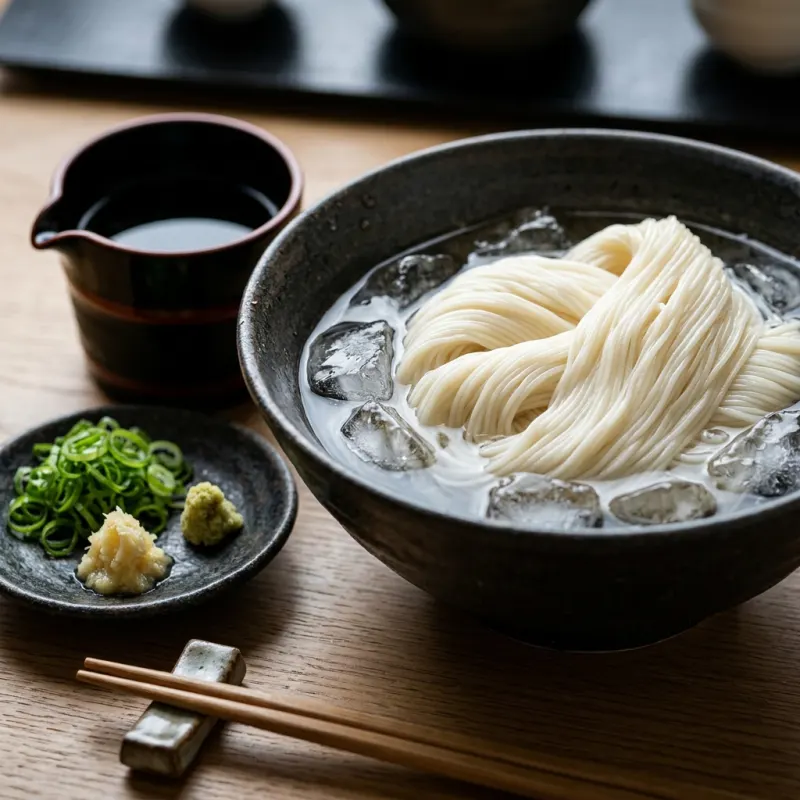
Discover cooking classes, tastings and local food tours
Logistics shouldn’t be the focus of your trip—the experience should. I’ve hand-vetted these essential partners to ensure your arrival, stay, and exploration are as smooth as an Athenian breeze.

Compare accommodation options and choose a stay that suits your plans and budget.
Connect with local guides for personalized help planning and exploring.
The “Engineer’s” rule: always have a backup. Secure your trip with a plan that covers every “what if” and unexpected change.
Don’t let paperwork slow you down. Get expert assistance with your application to ensure all your entry documents are in order.
Check out our related articles and blog posts to learn even more about the destination.
Share with your friends and family
