

Low – budget‑friendly basics
Medium – moderate mid‑range costs
High – pricey lodging, dining & transport
Disclosure: This site contains affiliate links. We may earn a commission if you make a purchase, at no extra cost to you.
Low – budget‑friendly basics
Medium – moderate mid‑range costs
High – pricey lodging, dining & transport
5 shields = Excellent – very low crime or conflict.
4 shields = Safe – low risk, routine care.
3 shields = Relatively safe – use normal street smarts.
2 shields = Use caution – higher crime or periodic unrest.
1 shields = Avoid – active conflict or extreme danger.
Scores are derived from multi-year peace, homicide and security indices blended into a single 1-to-5 scale.
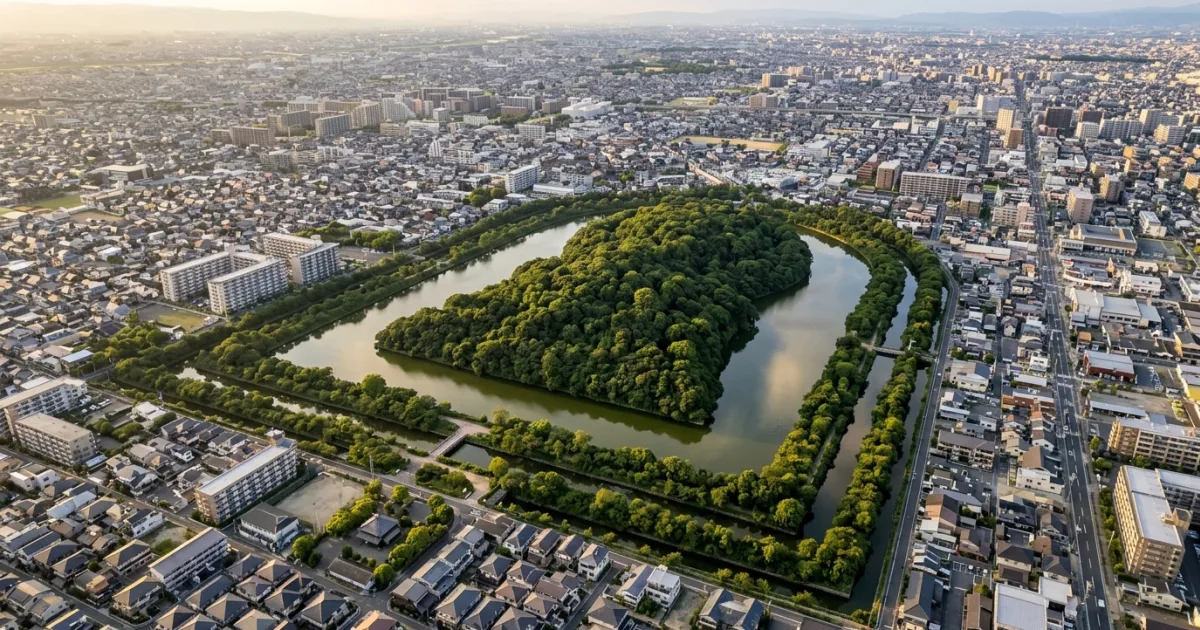
Sakai is an ancient port city located immediately south of Osaka City along the coast of Osaka Bay. Renowned across Japan as the historic cradle of metallurgy, blacksmithing, and traditional tea ceremony, the municipality balances heavy industrial heritage with monumental archaeology. The city's landscape is dominated by the Mozu Kofun Group, a UNESCO World Heritage site consisting of ancient keyhole-shaped burial mounds constructed between the late 4th and early 6th centuries, including the massive Daisen Kofun. Beyond ancient tumuli, Sakai appeals deeply to culinary purists and design enthusiasts through its living artisanal culture. It produces over 90 percent of the handcrafted kitchen knives used by professional Japanese chefs nationwide, while also standing as the birthplace of tea master Sen no Rikyu. Visitors can easily navigate Sakai's flat, bike-friendly grid using rental bicycles or the historic Hankai Tramway, exploring cutlery workshops, historic merchant storehouses, and peaceful green belts away from the dense neon corridors of central Osaka.
Sakai functions as one of Kansai's most historically influential settlements, situated directly south of the Yamato River border with Osaka City. During the Kofun period (3rd to 6th centuries), powerful rulers selected the fertile coastal plains of Sakai to construct monumental earthworks, resulting in the Mozu Kofun cluster. In the medieval Sengoku period, Sakai evolved into a self-governing merchant city-state, frequently compared by European Jesuit missionaries to renaissance Venice due to its autonomous merchant council, maritime trade networks, and firearms manufacturing.
Today, Sakai seamlessly merges its industrial prowess with profound cultural lineage. The city remains the spiritual heart of the Japanese tea ceremony, led by the legacy of 16th-century tea master Sen no Rikyu, while its master bladesmiths continue to forge the world standard in single-bevel Japanese kitchen cutlery. Easily accessible via the Nankai Electric Railway and Hankai Tramway, Sakai provides a tranquil, culture-heavy counterpart to Osaka's bustling shopping districts.
Sakai features an efficient, multimodal public transit network. The city is served by the Nankai Main Line, Nankai Koya Line, and JR Hanwa Line, connecting travelers from Namba or Tennoji to Sakai in under 15 minutes. Within the urban core, the historic Hankai Tramway provides leisurely transit between heritage neighborhoods. Sakai is notoriously flat, making the municipal 'Saka-Cycle' public rental bicycle system one of the most practical and enjoyable ways to tour between the craft museums, parks, and ancient burial mounds.
Sakai offers educational, calm, and barrier-free sightseeing tailored predominantly for adults, teens, and seniors fascinated by history, craftsmanship, and culinary arts.
Sakai's modern global dominance in bicycle component manufacturing—most notably as the home of Shimano—evolved directly from its medieval blacksmithing roots; gunsmiths who forged matchlock muskets in the 16th century transitioned their metallurgy skills into making bicycle gears, bearings, and kitchen blades during peacetime.

Sakai is a year-round destination, but weather and seasonal foliage make specific periods especially rewarding.
Remember to check the weather forecast a few days before the trip and before heading to the airport.
5 shields = Excellent – very low crime or conflict.
4 shields = Safe – low risk, routine care.
3 shields = Relatively safe – use normal street smarts.
2 shields = Use caution – higher crime or periodic unrest.
1 shields = Avoid – active conflict or extreme danger.
Scores are derived from multi-year peace, homicide and security indices blended into a single 1-to-5 scale.
The rating is based on multi-year peace, crime, and security indices. Before you go, always verify current conditions through official government travel advisories.
No internet needed • Includes local translations • Free for TravelingWiz readers

Low – budget‑friendly basics
Medium – moderate mid‑range costs
High – pricey lodging, dining & transport
Per person, per day – pocket cash for small purchases.
Full daily spend estimation (accommodation, food, transportation, attractions).
Travel Style | Japanese Yen (JPY) | ≈ USD ($) |
|---|---|---|
Budget | ||
Mid-range | ||
Comfort |
The Prices, Daily costs, and calculator results are estimates for planning purposes only. Actual costs may vary based on season, booking timing, personal spending habits, and currency fluctuations. TravelingWiz cannot be held responsible for discrepancies between these estimates and your final trip expenses.
Choose a ready-made itinerary, plan your own trip, and keep TravelingWiz by your side while you travel.
Get the TravelingWiz app →
Discover cooking classes, tastings and local food tours
Logistics shouldn’t be the focus of your trip—the experience should. I’ve hand-vetted these essential partners to ensure your arrival, stay, and exploration are as smooth as an Athenian breeze.

Compare accommodation options and choose a stay that suits your plans and budget.
Connect with local guides for personalized help planning and exploring.
The “Engineer’s” rule: always have a backup. Secure your trip with a plan that covers every “what if” and unexpected change.
Don’t let paperwork slow you down. Get expert assistance with your application to ensure all your entry documents are in order.
Check out our related articles and blog posts to learn even more about the destination.
Share with your friends and family
