Nagasaki's history is unlike any other city in Japan. For over 200 years during the Edo period, Japan closed its doors to the outside world, but Nagasaki remained the sole port where foreign trade was permitted. This unique status allowed Chinese and Dutch merchants to establish settlements, leaving an indelible mark on the city's architecture, festivals, and food. The reconstructed trading post of Dejima offers a fascinating glimpse into this era of isolation and exchange.
The city is also deeply tied to the history of Christianity in Japan. Following a period of severe persecution, 'Hidden Christians' maintained their faith in secret for centuries. Today, the Oura Cathedral and various sites across the region stand as UNESCO World Heritage monuments to this enduring legacy. Tragically, Nagasaki is also known globally as the target of the second atomic bomb dropped on August 9, 1945. The city has since transformed this dark chapter into a powerful message of peace, with the Peace Park and Atomic Bomb Museum serving as poignant reminders of the devastating impact of nuclear weapons.
Reasons to Visit
- Historical Significance: Explore the profound history of the Atomic Bomb Museum and the serene Peace Park.
- Multicultural Heritage: Wander through Glover Garden's Western-style mansions and the vibrant streets of Nagasaki Chinatown.
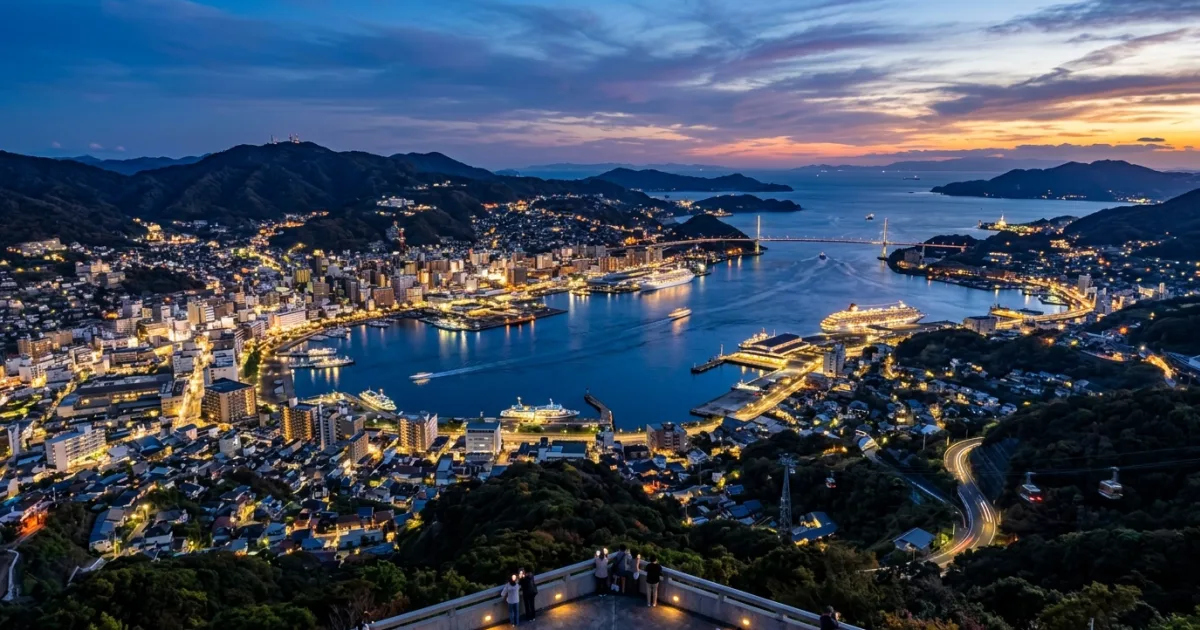
- Spectacular Night Views: Take the ropeway up Mount Inasa for a night view ranked among the top three in the world.
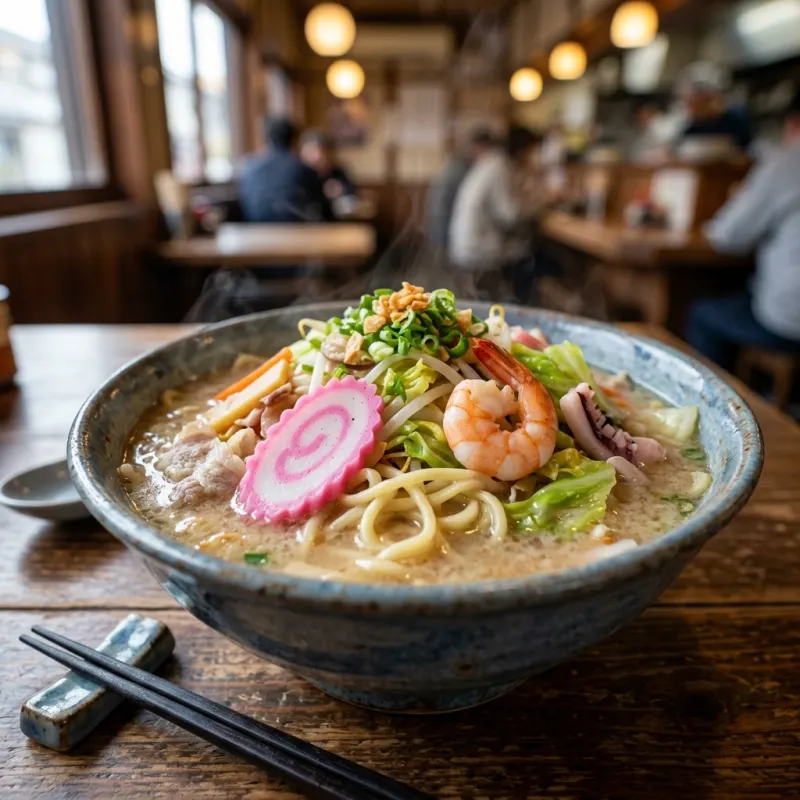
- Unique Cuisine: Taste regional specialties like Champon, Sara Udon, and the Portuguese-inspired Castella cake.
- Hidden Christian Sites: Visit Oura Cathedral and learn about the fascinating history of Japan's hidden Christians.
Things to Avoid
- Disrespectful Behavior at Memorials: Maintain a quiet and respectful demeanor at the Peace Park and Hypocenter.
- Relying Solely on Taxis: Traffic can be heavy and taxis expensive; use the efficient tram system instead.
- Underestimating the Hills: Nagasaki is incredibly hilly. Avoid wearing uncomfortable shoes if you plan on exploring neighborhoods like Higashi-Yamate.
- Visiting in Peak Summer: July and August can be oppressively hot and humid, making outdoor sightseeing uncomfortable.
Local Transportation Tips
Nagasaki's streetcar (tram) system is the lifeblood of the city's public transport. Operated by the Nagasaki Electric Tramway, it is cheap, frequent, and stops near almost all major tourist attractions. You enter through the rear door and pay a flat fare at the front door when exiting. For those planning multiple trips, a one-day pass is highly economical. For destinations higher up the mountainsides, such as Mount Inasa, local buses or the ropeway are the best options.
Travel Etiquette
- Keep conversations quiet while riding public transportation.
- Do not leave tips at restaurants or for taxi drivers; it is not customary in Japan and may cause confusion.
- Remove your shoes when entering traditional accommodations (ryokan), temples, or certain historic buildings.
- When visiting the Peace Park, dress modestly and observe silence in designated memorial areas.
Recommended Age Group
Nagasaki offers a diverse range of experiences suitable for various age groups, though its hilly terrain and heavy historical themes require some consideration.
- Babies (0-2 years): Neutral. While Japanese facilities are generally accommodating, navigating strollers up Nagasaki's steep hills and onto crowded vintage trams can be challenging.
- Kids (3-12 years): Recommended. Children will enjoy the novelty of the streetcars, the colorful Chinatown, and the open spaces of Glover Garden, though the Atomic Bomb Museum may be too intense for younger kids.
- Teens (13-19 years): Recommended. Teens can deeply engage with the historical significance of the city, enjoy the vibrant shopping arcades, and appreciate the stunning views from Mount Inasa.
- Adults (20-64 years): Recommended. Adults will fully appreciate the rich culinary scene, the complex history of foreign trade and religion, and the poignant peace memorials.
- Seniors (65+ years): Recommended. The city is highly accessible via the tram network, and the historical sites are well-maintained, though the steep inclines in some areas may require taking a taxi.
Accessibility Level: Medium
- The Nagasaki Peace Park and Atomic Bomb Museum are fully wheelchair accessible, featuring ramps and elevators.
- Many of the newer tram cars are low-floor and wheelchair friendly, though some vintage cars have steps.
- Glover Garden has installed moving walkways and escalators to help visitors navigate the steep hillside, making it more accessible.
- Travelers with mobility issues should be aware that many local streets and neighborhoods outside the main tourist zones are very steep and lack sidewalks.
Did You Know?
Did you know that the artificial island of Dejima in Nagasaki was the only place in Japan where Westerners were allowed to live and trade for over two centuries? Built in 1636, this fan-shaped island served as the sole conduit for Western science, medicine, and culture to enter Japan during its period of national isolation.
Cool Statistics
- Population: Approximately 400,000 residents.
- Tram Fare: A single ride on the historic tram network costs just 140 Yen for adults.
- Atomic Bomb Date: The plutonium bomb 'Fat Man' was dropped on August 9, 1945, at 11:02 AM.
- Night View: Mount Inasa's night view was selected as one of the 'New Top 3 Night Views in the World' in 2012.






Buy a compatible power adapter for your trip