Disclosure: This site contains affiliate links. We may earn a commission if you make a purchase, at no extra cost to you.

>
>
>
>
Aomori
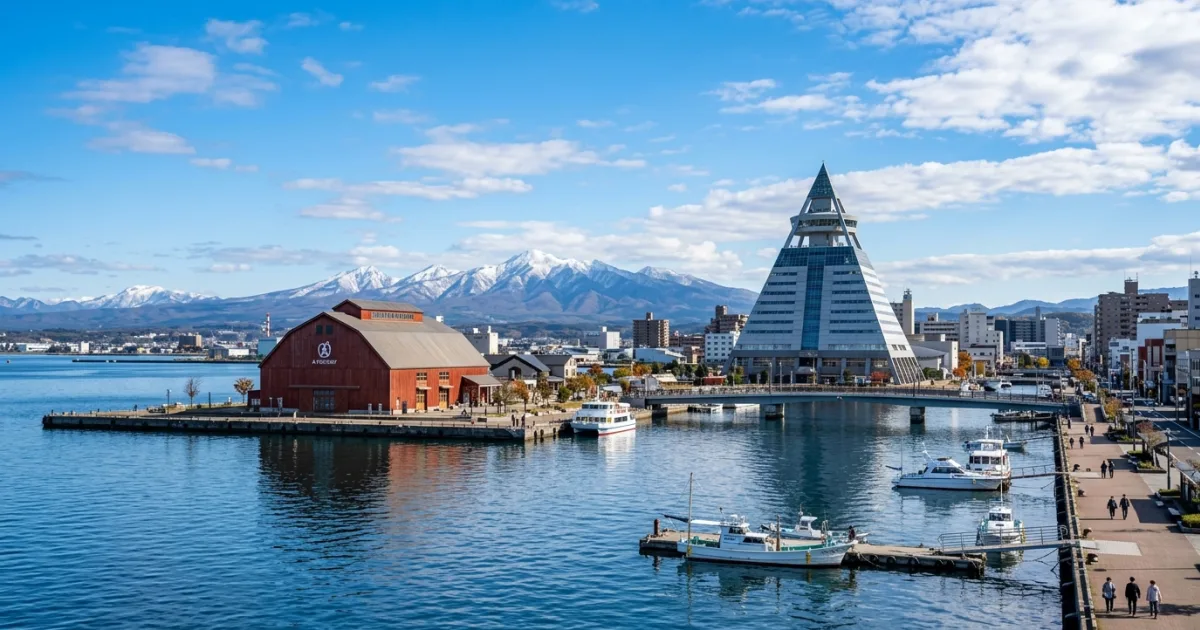
Scenic wide-angle view of the Aomori waterfront and Mount Hakkoda in Japan

Aomori Overview & Key Highlights

Aomori serves as the northernmost prefecture capital of Japan's main island of Honshu, bordered by the Tsugaru Strait and framed by the rugged Hakkoda Mountains. The city acts as an indispensable transit hub linking Honshu to Hokkaido via the Seikan Tunnel while retaining a distinct maritime and agricultural identity. Renowned globally for recording some of the highest snowfall totals on Earth, Aomori transitions from an alpine winter wonderland into a lush temperate sanctuary celebrated for expansive apple orchards, prime scallop fisheries, and prehistoric Jomon archaeological sites. Travelers visit Aomori to experience high-energy folk culture and pristine northern wilderness. In early August, the city hosts the Nebuta Matsuri, an internationally celebrated festival featuring gigantic, illuminated papier-mâché floats paraded through the streets alongside energetic dancers and taiko drummers. Outside of festival season, the city provides convenient access to the serene Oirase Gorge, acidic thermal waters of Sukayu Onsen, and the bustling Furukawa Market, where visitors assemble personalized sashimi rice bowls straight from local vendors.

Aomori Travel Guide: Logistics & In-Depth Tips

Aomori occupies the northernmost threshold of Honshu, functioning as a bridge between the historical heartlands of Japan and the subarctic wild of Hokkaido. Founded as a small fishing port named Utou in the early Edo period, it evolved into an administrative center characterized by low-rise waterfront architecture, modernist public complexes, and a thriving seafaring commerce. Flanked by Mutsu Bay to the north and the snow-capped Hakkoda range to the south, the city presents dramatic topographical shifts within a 30-minute radius.

Culturally, Aomori stands out for its deep preservation of northern traditions, manifested through Tsugaru shamisen folk music, intricate Tsugaru Kogin-zashi embroidery, and monumental woodblock prints by native artist Shiko Munakata. While world-famous for its August Nebuta festival, Aomori remains an all-season haven for travelers seeking pristine national parks, sulfurous therapeutic hot springs, and authentic culinary heritage distinct from southern metropolitan Japan.

Reasons to Visit

  • Witness the monumental paper-and-wire lantern floats at Nebuta Museum WA-RASSE and during the August Nebuta Festival.
  • Assemble your own custom sashimi breakfast bowl at Furukawa Market using market currency tokens.
  • Trek alongside cascading waterfalls and crystal-clear mountain streams through the ancient beech forests of Oirase Gorge.
  • Experience traditional hot spring bathing inside the historic 300-year-old cedarwood bathhouse of Sukayu Onsen.
  • Explore modern Japanese masterpieces and the iconic 'Aomori Dog' sculpture by Yoshitomo Nara at the Aomori Prefectural Art Museum.

Things to Avoid

  • Avoid attempting to hike Hakkoda trails during late autumn or winter without professional winter mountaineering gear and certified local guides.
  • Do not travel to Aomori during the August Nebuta festival without reserving accommodations several months in advance, as hotels book out nationwide.
  • Avoid wearing footwear without traction or thermal insulation during the winter months, as downtown footpaths freeze into hazardous ice.
  • Do not arrive at Furukawa Fish Market late in the afternoon; the best seafood selections sell out before 1:00 PM.

Local Transportation Tips

Aomori is anchored by two primary train stations: Shin-Aomori Station (the bullet train terminus for the Tohoku/Hokkaido Shinkansen) and Aomori Station (the regional rail and port hub). Frequent six-minute shuttle trains connect the two hubs via the JR Ou Main Line. Central downtown and waterfront sights such as the A-FACTORY complex and ASPAM building are easily navigated on foot. Regional destinations—including the Hakkoda Ropeway, Sukayu Onsen, and Lake Towada—are serviced by JR Tohoku Bus routes operating directly from Aomori Station's east bus terminal. For extended countryside exploration across the Tsugaru Peninsula, renting a car equipped with 4WD and studless snow tires during winter is strongly advised.

Travel Etiquette

  • Remove your shoes immediately upon entering ryokan lodgings, traditional restaurants, and temple halls, switching to provided indoor slippers.
  • Shower and wash thoroughly with soap at the seated washing stations before entering communal onsen baths, keeping hair tied back and small privacy towels out of the water.
  • Avoid walking while eating street food; finish snacks near the purchasing vendor or sit at designated market benches.
  • Hand money and credit cards to merchants using both hands on the small payment trays provided at cash registers.

Recommended Age Group

Aomori provides diverse natural and cultural attractions suitable for most travelers, though extreme seasonal conditions demand consideration for very young children.

  • Babies (0-2 years): Neutral. Heavy winter snowfall and outdoor mountain trails pose significant stroller and temperature challenges, though urban hotels and shinkansen connections are well-equipped.
  • Kids (3-12 years): Recommended. Children love the colossal illuminated monster floats at Nebuta Museum WA-RASSE, apple-picking orchards, and the Hakkoda Ropeway cable car ride.
  • Teens (13-19 years): Recommended. Great for active teenagers keen on powder skiing, authentic Japanese anime art exhibitions, and interactive food markets like Nokkedon.
  • Adults (20-64 years): Recommended. Perfect balance of pristine hiking trails, authentic onsen hot springs, craft cider tastings, and deep regional folk arts.
  • Seniors (65+ years): Recommended. Flat urban harbor walkways, reliable shinkansen transit, relaxing mineral onsens, and barrier-free museum facilities make it an enriching destination for mature travelers outside icy winter peaks.

Accessibility Level: Medium

  • Shin-Aomori Station and Aomori Station feature complete step-free access, multilingual tactile paving, and wide automated elevators.
  • The Nebuta Museum WA-RASSE and Aomori Prefectural Art Museum are fully barrier-free with wheelchair rentals and accessible restrooms.
  • The Oirase Stream boardwalk features partially paved sections accessible to wheelchairs, though natural earthen pathways require assistance.
  • Historic hot spring ryokans in the mountains often feature wooden stairs and lack roll-in showers; modern city hotels near the stations provide universal rooms.

Did You Know?

Due to cold Siberian winds sweeping across the Sea of Japan and colliding directly with the Hakkoda Mountains, Aomori City officially records an average annual snowfall of nearly 8 meters (312 inches), making it statistically recognized as the snowiest major city in the world.

Cool Statistics

  • Produces over 50% of Japan's total commercial apple harvest across thousands of family-owned orchards.
  • Home to the Sannai-Maruyama Site, one of Japan's largest preserved Jomon-period settlements dating back over 5,000 years.
  • The Seikan Tunnel, connecting Aomori to Hokkaido beneath the Tsugaru Strait, spans 53.85 kilometers as the world's longest undersea rail tunnel.


Address:

Aomori, Japan

Find Nearby Accommodations

Basic Info

address icon

COUNTRY & Region

Japan,
Asia

ACCESSIBILITY LEVEL​

Medium
Currency icon

LOCAL CURRENCY​

Japanese Yen (JPY)
Price level icon
Medium
Safety Level icon

SAFETY LEVEL

Duration icon

Recommended Duration

• 1-7 days
• Full day

Electricity

electricity icon

Electricity

100-110V, 
50Hz
Plug Socket icon

Plug Type

• Type A (Flat blade)
• Type B (Flat blade with grounding pin)
Plug types
Click To View Plug Types
Aomori is part of our
Coolcation collection

Activities To Do In Aomori

Best Time To Visit Aomori

Aomori experiences four sharply defined seasons, each offering a distinct regional draw.

  • May to June: Pleasant spring temperatures ranging from 15°C to 22°C, blooming apple orchards, and fresh mountain foliage.
  • August: Vibrant summer festival energy during the Nebuta Matsuri (August 2–7), featuring warm, comfortable maritime weather.
  • October to November: Peak autumn foliage blazing through Oirase Gorge and Mount Hakkoda, accompanied by crisp hiking temperatures.
  • December to March: Extreme snowfall exceeding 8 meters in mountain passes, creating prime conditions for powder skiing and the iconic 'snow monsters' of Hakkoda.

Average Temperatures Per Month

Remember to check the weather forecast a few days before the trip and before heading to the airport.

Safety Level icon

Safety Level

Aomori is exceptionally safe with negligible rates of violent crime. The predominant safety risk involves extreme winter weather between December and March, where pavements freeze into slick black ice and snow drifts can cause whiteout conditions. Exercise caution when walking along unsalted sidewalks, ensure appropriate winter footwear with grooved rubber soles, and always check JR rail suspension alerts during intense blizzards.

The rating is based on multi-year peace, crime, and security indices. Before you go, always verify current conditions through official government travel advisories.

Emergency Numbers

Police: 110
Ambulance: 119

No internet needed • Includes local translations • Free for TravelingWiz readers

Spoken Languages

Japanese (standard Japanese and regional Tsugaru-ben dialect); limited English outside major railway stations and international hotel desks.

Learn The Language

  • Konnichiwa — Hello
  • Arigatou gozaimasu — Thank you very much
  • Sumimasen — Excuse me / Sorry
  • Kore wa ikura desu ka? — How much is this?
  • Eigo ga hanasemasu ka? — Do you speak English?
  • O-kaikei o onegaishimasu — Bill, please
  • Tasukete kudasai — Please help me
  • Moyori eki wa doko desu ka? — Where is the nearest station?
Travel Booking Partner - TravelingWiz

Trip Cost & Budgeting for Aomori, 2026

Everything you need to know about money while traveling
Is Aomori expensive for tourists in 2026? Compared to Tokyo, Aomori is quite reasonable for travelers exploring northern Japan. Based on our Human Verified prices, expect to pay around 450 JPY for a cappuccino, 550 JPY for a pint of domestic beer, and 2,500 JPY for a mid-range meal. Accommodation and regional transit remain moderately priced throughout the year. Use the data table below to calculate your specific daily budget based on your travel style.
Currency icon

LOCAL CURRENCY​:

Japanese Yen (JPY)
Price level icon
Medium
Major hotels and train stations accept credit cards, but small seafood stalls and local buses require Japanese cash.

Per person, per day – pocket cash for small purchases.

Local: 1550
Japanese Yen (JPY)
≈ 65 USD

Full daily spend estimation (accommodation, food, transportation, attractions).

Travel Style
Japanese Yen (JPY)
≈ USD ($)
Budget
8550
52
Mid-range
15500
118
Comfort
34100
248

The Prices, Daily costs, and calculator results are estimates for planning purposes only. Actual costs may vary based on season, booking timing, personal spending habits, and currency fluctuations. TravelingWiz cannot be held responsible for discrepancies between these estimates and your final trip expenses.

  • • Buy a JR East Pass (Tohoku area) or local bus pass if traveling extensively between Aomori, Hirosaki, and Oirase Gorge.
  • • Visit Furukawa Market for the Nokkedon, a customizable seafood bowl that offers great value for fresh local lunch.
  • • Look for business hotel chains like Toyoko Inn or Dormy Inn near Aomori Station, which include free breakfast.
  • • Take advantage of lunch specials (teishoku set meals) at local izakayas for substantial discounts compared to dinner menus.

Pre-Order Tickets

Avoid disappointment when tickets sell out — and skip the long lines by booking online in advance. You’ll often save up to 20% too.
Save up to 20%

Travel Discounts & Coupons

Save on hotels, attractions, transport, and gear — find verified discounts for smarter travel spending.
Verified Coupons

What To Pack

  • Heavy down coat, thermal base layers, and slip-on crampons or non-slip snow boots (December to March).
  • Light windbreaker and breathable layers for hiking Oirase Gorge and Hakkoda trails (May to October).
  • Slip-on walking shoes suitable for frequent removal at traditional ryokan, shrines, and tatami dining spaces.
  • Type A/B universal travel plug adapter and a portable battery pack for long transit days.
  • Quick-dry micro towel for impromptu dips in roadside footbaths (ashiyu) and hot springs.
We couldn't find tips for Aomori.
If you got any, please share

Recommended Itineraries for Traveling to Aomori

We couldn't find itineraries for Aomori.
you can contact us for custom trip plan

Food & Drink Highlights

Local Food Overview

Aomori's cuisine is defined by the bounty of Mutsu Bay, volcanic soil orchards, and cold-climate comfort staples. Mutsu Bay supplies sweet, tender scallops (hotate) eaten raw, grilled with miso, or breaded as katsu. The region also harvests over half of Japan's domestic apples, incorporating them into ciders, pastries, and savory curries. For warming comfort, local eateries serve Miso Curry Milk Ramen—a harmonious blend of fermented miso, curry powder, rich milk, and butter—alongside Senbei-jiru, a hot pot dish featuring hearty wheat crackers boiled in chicken broth.
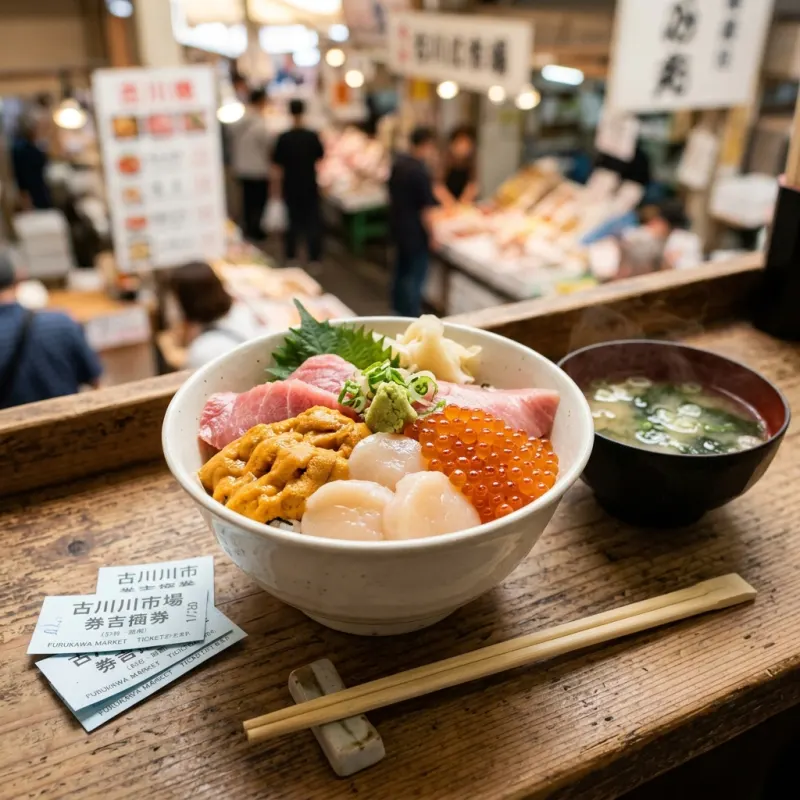
Fresh Nokkedon seafood rice bowl with scallops, uni, and tuna in Aomori market

Must Try Dish

Nokkedon - A customized seafood rice bowl assembled by trading paper tickets for individual portions of fresh local scallops, fatty tuna, and sea urchin directly from fishmongers at Furukawa Market. It offers an interactive, deeply satisfying taste of Aomori's morning catch tailored precisely to your palate.
Food Experiences Title Icon

Food
Experiences

Discover cooking classes, tastings and local food tours

No food experience found
Maya, the human travel expert at TravelingWiz, offering curated, non-AI expertise

Maya’s Final Checklist for Aomori

Logistics shouldn’t be the focus of your trip—the experience should. I’ve hand-vetted these essential partners to ensure your arrival, stay, and exploration are as smooth as an Athenian breeze.

Where to Stay

From boutique hotels to local apartments—compare thousands of options and find the perfect stay in the best neighborhood.

Air Travel

Getting there should be seamless. Compare the best routes and prices across top airlines to start your journey on the right note.

Local Guides

Connect with experts who know the destination best. Get personalized advice and insider tips to help you plan your perfect trip.

Travel Protection

The “Engineer’s” rule: always have a backup. Secure your trip with a plan that covers every “what if” and unexpected change.

Car Rentals

Explore at your own pace with total freedom. Compare reliable rental options and find the right vehicle for your adventure.

Visa Services

Don’t let paperwork slow you down. Get expert assistance with your application to ensure all your entry documents are in order.

FAQs

The most efficient option is the JR Tohoku Shinkansen (Hayabusa service), which travels directly from Tokyo Station to Shin-Aomori Station in approximately 3 hours and 15 minutes.
The Nebuta Festival takes place annually from August 2 to August 7, featuring daily processions of massive illuminated lantern floats and haneto dancers.
Central Aomori City around Aomori Station and the waterfront is very walkable. However, visiting Mount Hakkoda, Oirase Gorge, or Sukayu Onsen requires using JR regional buses or renting a car.
Winter temperatures typically range between -4°C and 2°C (25°F to 35°F) in the city center, accompanied by intense snowfall that makes Aomori one of the snowiest inhabited cities globally.

Your Insights Matter

TravelingWiz grows through the stories of our community. If you’ve recently explored ,Aomori share your tips and stories to help us perfect our guides for the next traveler.

Related Articles

Check out our related articles and blog posts to learn even more about the destination.

No related articles found

Don’t Travel Alone

Share with your friends and family

Where should we send your offline card?

We hate spam just as much as you do

newsletter_consent *